If you ask me what Karnataka tastes like in the morning, I won’t say filter coffee first. I know, controversial. I’ll say akki rotti. That crackly rice-flour flatbread with onions, coriander, green chillies, sometimes grated carrot, sometimes dill, sometimes a stubborn little coconut bit that gets toasted on the tawa and tastes like it was born to be there. I’ve chased it from Bengaluru breakfast joints to misty homestays in Chikkamagaluru, from a highway stop near Ramanagara to a tiny kitchen in Kodagu where the auntie making it looked at me like I was eating too slowly. Fair. I was. Because good akki rotti deserves attention.
Karnataka is one of those states where breakfast is not a side activity before sightseeing. Breakfast is the sightseeing. In 2026, food travel here feels more hyperlocal than ever: people are booking homestays for what the owner’s mother cooks, doing early-morning market walks, swapping big buffet breakfasts for darshini counters, and hunting regional dishes beyond the usual dosa-idli comfort zone. Akki rotti fits this mood perfectly. It’s rustic but not boring, simple but somehow different every 20 km, and it travels beautifully with your trip mood, whether you’re sweating in Bengaluru traffic or sitting under pepper vines in Coorg wondering why city life exists at all.
So, What Exactly Is Akki Rotti?
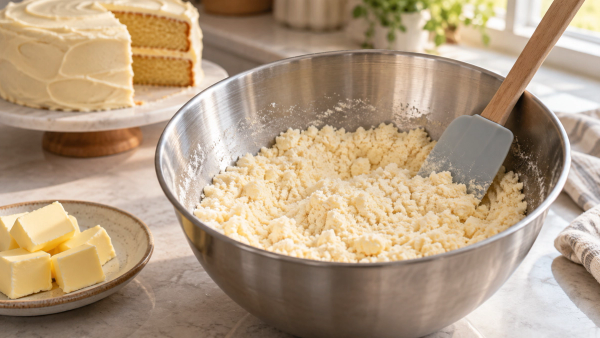
#Akki means rice in Kannada, and rotti is a flatbread. But please don’t imagine a soft wheat chapati situation. Akki rotti is made mainly with rice flour, water, salt, and whatever the cook believes belongs in it that morning. Onion, coriander, curry leaves, grated coconut, cumin, green chilli, dill leaves, sometimes peanuts, sometimes leftover vegetables. The dough is not rolled like chapati dough. It’s usually patted by hand directly on a greased tawa or on banana leaf, butter paper, or a wet cloth, then cooked until the edges get crisp and the middle stays chewy-soft. When it’s done right, it has this lovely uneven texture, thin in some places, slightly thick in others, and the brown spots are where the flavour is hiding.
The first thing I learnt, embarrassingly late, is that akki rotti is not one single fixed dish. In Bengaluru you may get a neat restaurant version with coconut chutney and a little blob of butter. In Malnad, I’ve had it softer, more home-style, with avarekalu or dill, eaten with chutney that was so green it looked illegal. In Kodagu, it can show up beside pandi curry if you’re lucky, though for breakfast it’s more likely with chutney or a vegetable curry. Around Mysuru road and village homes, it’s sometimes thick, smoky, and very filling, the sort of breakfast that basically cancels lunch unless you are greedy, which I am.
My First Proper Akki Rotti Morning in Bengaluru
#My first proper akki rotti morning was in Malleshwaram, Bengaluru, after I had already eaten half my body weight in idlis the previous day. I was staying near Sampige Road, pretending I had a sensible itinerary: breakfast, flower market, maybe IISc side, then an art cafe. What actually happened was I followed the smell of roasted batter and ghee to a Karnataka-style eatery and saw “akki rotti” on the board. That was it. Plans cancelled. The rotti came hot, uneven, and slightly oily in the best way, with coconut chutney and a tiny serving of something tomatoey and spicy. I tore a piece too fast and burnt my fingers, which is honestly the correct way to start a food trip.
Bengaluru is not always gentle to travellers. The traffic can make you question all your life choices. But breakfast here has a soft landing quality. You can stand at a darshini counter with office people, students, retired uncles discussing politics, and someone with a suitcase like you, all eating fast because the city is already running ahead. In 2026, the Bengaluru breakfast scene is also having this fun split personality: shiny cafes are doing millet bowls and cold brew, while old-school places are still serving tiffin on steel plates with zero drama. I like both, but for akki rotti I usually trust the places that look like they’ve been making the same thing before Instagram found them.
Where I Look for Akki Rotti in Bengaluru
#A small warning first: not every famous Bengaluru breakfast place serves akki rotti every day. CTR, Vidyarthi Bhavan, MTR, Brahmin’s Coffee Bar, Taaza Thindi, Raghavendra Stores and all those legends are mainly loved for dosa, idli, vada, khara bath, coffee, that whole glorious tiffin universe. Go there, absolutely go, but don’t march in demanding akki rotti like a food dictator. For akki rotti specifically, I’ve had better luck with Karnataka regional restaurants, older Malleshwaram and Basavanagudi eateries, and places like Halli Mane where the menu leans into local home-style food. Some Adigas and Kamat-style restaurants may have it depending on branch and timing, and smaller darshinis sometimes do it as a morning special. Ask. Always ask.
- Malleshwaram is my favourite area to hunt because you can pair breakfast with flower markets, old bakeries, filter coffee, and random temple-side snacks.
- Basavanagudi feels slower in the morning, and if you don’t find akki rotti you’ll still find excellent tiffin, so it’s not like you lost the game.
- Highway Kamat and Upachar stops are practical for road trips, especially on the Bengaluru-Mysuru side, but menus change and weekends get mad crowded.
- If a place says the akki rotti will take 15 minutes, that is usually a good sign. Freshly patted rotti is worth the wait, don’t be fussy.
The Ramanagara and Mysuru Road Breakfast Stop
#One of my happiest akki rotti memories is not in a cute cafe or famous restaurant. It was on the Bengaluru-Mysuru highway, somewhere after the city had finally loosened its grip and the rocky Ramanagara landscape started showing off. We stopped because everyone needed coffee, and also because road trips in Karnataka are legally required to include “just one small breakfast” that becomes a full meal. There was akki rotti on the menu, and I ordered it with the confidence of someone who had no idea how big it would be.
It arrived almost the size of the plate, with a spicy chutney and a little butter melting on top. Outside, families were buying Maddur vade packets, bikers were comparing routes, and someone’s kid was crying because they wanted ice cream at 8:30 in the morning. Travel is not always poetic, you know. Sometimes it is noisy and sticky and you’re eating with one hand while checking Google Maps with the other. But that rotti was perfect road food. Crisp edges, soft center, chilli heat waking me up better than coffee. If you’re driving to Mysuru, Srirangapatna, Coorg, or Chikkamagaluru, don’t treat breakfast as a quick stop. Build it into the trip.
Akki Rotti in Malnad: Softer, Greener, More Soulful
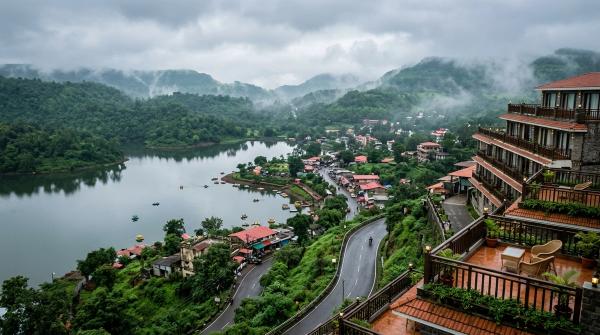
#Malnad changed my idea of akki rotti. I’d gone to Chikkamagaluru for the usual reasons: coffee estates, misty hills, waterfalls, pretending I’m a calm nature person when actually I just want snacks. The homestay breakfast had akki rotti one morning, served with coconut chutney, a thin vegetable saagu, and coffee that made every cafe latte I’ve ever had feel like a weak apology. The rotti was not super crisp like the Bengaluru one. It was more tender, with dill and onion, and there was this freshness from the herbs that made it taste almost like the landscape outside: wet soil, green leaves, smoke from the kitchen, all of it.
This is where the 2026 food travel trend of “stay for the kitchen” really makes sense. A lot of travellers are skipping generic hotels and choosing homestays around Chikkamagaluru, Sakleshpur, Agumbe, and Thirthahalli because breakfast is part of the experience. Not a buffet with sad watermelon slices. Actual local food. Akki rotti, neer dosa, kadubu, jackfruit dishes in season, wild honey, estate coffee, homemade pickles. It’s also part of the bigger millet and local grain revival happening across India after the big millet push in recent years, even though akki rotti itself is rice-based. Travellers now ask what grain, what farm, whose recipe. I love that. Maybe we’re finally learning to be curious.
Kodagu Mornings: Coffee, Rain, and Rotti With Attitude
#Kodagu, or Coorg as most travellers still call it, is not the first place people mention for akki rotti because everyone gets distracted by pandi curry, coffee, and those dramatic green estates. But breakfast in Kodagu has its own quiet charm. I stayed once near Madikeri where the morning started with rain hammering the roof, the kind of rain that makes you cancel sightseeing without guilt. The host served akki rotti with coconut chutney and a small bowl of curry from the previous night, and I swear leftovers in homestays taste better than planned meals in half the city restaurants.
The rice-flour base makes akki rotti feel at home in Kodagu’s rice-loving food culture, even if dishes like akki otti have their own local identity. If you get a chance, ask your host about the difference between what they call rotti, otti, and other rice breads. Don’t turn it into an interrogation, obviously, but people often open up when you show interest. One auntie told me she pats the dough thinner when guests are from Bengaluru because “city people like crisp photo food.” I laughed, then took a photo. She was not wrong.
Coastal Karnataka: When Akki Rotti Meets Coconut Country
#On the coast, especially around Udupi, Mangaluru, Kundapura and smaller temple towns, you’re more likely to be pulled toward neer dosa, goli baje, buns, idli, and seafood meals later in the day. Still, akki rotti appears in homes and some local eateries, usually with coconut playing a bigger role. Coastal chutneys are a whole education by themselves: coconut with roasted chilli, coconut with garlic, coconut with curry leaves, coconut with that slight sourness that makes you keep eating even after you’re full. I once had a version near Udupi that was thicker than I expected and came with a chutney so good I forgot the rotti was supposed to be the main character.
The coastal food scene is also getting more attention from culinary travellers now, not just pilgrims or beach people. In 2026, I keep seeing travellers plan food routes around Udupi temple meals, Mangalorean Catholic bakeries, fish thalis, toddy-shop style food where available, and cooking classes in homestays. Akki rotti may not be the headline dish here, but it becomes part of the larger rice-and-coconut story. And honestly, that’s the beauty of Karnataka. One breakfast item can shift personality depending on where you eat it.
How to Eat Akki Rotti Without Overthinking It
#There is no one correct way, but there are some ways that make me happier. Eat it hot. This is non-negotiable. Akki rotti loses a bit of its magic when it sits too long, because the crisp edges soften and the middle can turn chewy in a not-so-fun way. Tear from the edge first if you’re a texture person. Use your hands if you’re comfortable, because knife and fork akki rotti feels like wearing formal shoes to a waterfall. Dip into chutney, drag through butter, scoop up curry, repeat. If there’s jaggery or fresh white butter on the side, try that too. Sweet, salty, spicy, crunchy. Breakfast should have drama.
- First bite should be plain, just to understand the rotti itself. Is it onion-heavy? Coconutty? Spicy? Smoky? This matters.
- Second bite with chutney. Coconut chutney is classic, but peanut chutney or tomato chutney can be brilliant.
- Third bite with whatever curry or saagu comes with it. This is where the rotti becomes a meal and not just a snack.
- Last bite from the crispiest edge. Save it. Don’t let your travel partner steal it, no matter how much you love them.
A Practical Karnataka Breakfast Route for Akki Rotti Lovers
#If I had five or six days and wanted to build a trip around akki rotti plus other Karnataka breakfasts, I’d start in Bengaluru for two mornings. Do one old-school tiffin morning in Basavanagudi or Malleshwaram, and one regional-food morning where you specifically ask for akki rotti. Then drive toward Mysuru, stopping on the highway around Ramanagara or Channapatna for breakfast. Even if you end up eating set dosa or idli instead, the route has that classic Karnataka road-trip feeling: hills, toy shops, coconut sellers, coffee counters, and someone always saying “we should’ve left earlier.”
From Mysuru, either go west to Kodagu or north-west to Chikkamagaluru. Kodagu gives you coffee estates, pork dishes if you eat meat, rice breads, and rainy slow mornings. Chikkamagaluru gives you Malnad breakfasts, estate coffee, and that deep green landscape that makes every meal feel earned. If you have more time, continue toward coastal Karnataka via Sakleshpur or head down to Udupi and Mangaluru. This route is not just about akki rotti, to be honest. It becomes a full breakfast education: akki rotti, neer dosa, mangalore buns, chow chow bath, ragi mudde if you wander into lunch, jolada rotti further north, and coffee everywhere.
What’s New in Food Travel Here in 2026
#The biggest change I’ve noticed is that people are not travelling only for famous restaurants anymore. They want process. They want to see the rotti being patted onto the tawa, hear why one family adds dill and another doesn’t, buy rice flour from a local mill, or learn how chutney changes from district to district. UPI payments have made tiny places easier for travellers, though cash is still useful in villages. EV road trips are also becoming more common around Bengaluru and Mysuru, and that changes breakfast planning because charging stops and food stops often merge. Some highway restaurants are adapting with better restrooms, coffee counters, packaged local snacks, and regional breakfast boards.
There’s also a big push toward “forgotten” and hyperlocal foods on menus, especially in Bengaluru’s newer regional dining spaces. Fancy restaurants are plating Karnataka dishes with modern touches, while home chefs and pop-ups are doing seasonal menus around jackfruit, millets, temple food, Kodava food, North Karnataka meals, and coastal recipes. I like innovation, I really do, but I hope akki rotti never becomes too polished. It should stay a little uneven. That’s its charm. The hand marks, the browned bits, the chilli surprise that hits you halfway through. Perfectly round akki rotti makes me suspicious.
Restaurant Notes, But With a Reality Check
#For travellers, I’d say use famous names as anchors, not as the whole map. In Bengaluru, MTR, Vidyarthi Bhavan, CTR, Brahmin’s Coffee Bar, Taaza Thindi and Raghavendra Stores are excellent for understanding the city’s breakfast obsession, even if akki rotti isn’t their main thing. For akki rotti, look at Karnataka regional spots such as Halli Mane, Kamat-style restaurants, local darshinis with rotating specials, and homestay breakfasts. On the highway, places like Kamat Lokaruchi near Ramanagara have long been popular for Karnataka meals and road-trip eating, but weekends can be chaotic and menus can shift. In Mysuru and smaller towns, ask at vegetarian hotels in the morning. Sometimes the best answer is not online, it’s the cashier shouting into the kitchen.
Please check current timings before going, because breakfast places in Karnataka can be very “come early or be sad.” Some items sell out. Some places close after the morning rush. Some don’t list every special on delivery apps, and honestly delivery-app akki rotti is usually not the same experience anyway. You want it off the tawa, not sweating in a box. If you’re staying at a homestay, request it politely the previous evening. Rice flour dough takes planning, and nobody likes a guest who demands complicated breakfast at 7 am like they’re ordering room service in a palace.
The best akki rotti is not always the crispiest or the most famous. Sometimes it’s the one made by someone who doesn’t measure anything, served in a place where the morning is still quiet.
Little Mistakes I Made So You Don’t Have To
#I once ate two akki rottis before a hill drive in Chikkamagaluru and then spent the next hour pretending I was fine while every curve reminded me that rice flour is filling. Don’t be heroic. Share if the rotti is large. Another time I waited until 10:45 am in Bengaluru and assumed I’d still find it easily. Nope. Breakfast specials had vanished, and I ended up with coffee and a bun, which was nice but not the plan. Also, don’t compare every rotti to the last one. This sounds obvious, but food travellers do it alot. Let each version be itself.
- Carry cash for smaller towns, even though UPI works in many places now.
- Start early. Karnataka breakfasts reward morning people, annoying as that is.
- Ask for less chilli if you’re sensitive, but don’t ask them to remove all chilli and then complain it tastes flat.
- If you love something, ask what’s in it. I’ve recieved some of my best food tips from cooks who were happy someone cared.
Why Akki Rotti Feels Like Travel, Not Just Breakfast
#What I love most about akki rotti is that it’s a map you can eat. Rice from one region, coconut from another, herbs from the backyard, chillies from the market, technique from mothers and grandmothers and hotel cooks who have done it ten thousand times. It doesn’t need expensive ingredients. It doesn’t need fancy plating. But it tells you where you are. Bengaluru’s hurried crisp one, Malnad’s soft green one, Kodagu’s rainy homestay one, coastal Karnataka’s coconut-heavy one. Same idea, different moods.
And that, for me, is the whole point of culinary travel. Not just collecting restaurant names or posting the same steel-plate photo everyone else has. It’s about slowing down enough to notice breakfast. To notice the hand pressing dough onto the tawa, the smell of curry leaves hitting oil, the way filter coffee arrives after the meal like a full stop. Karnataka has grand temples, forests, beaches, palaces, tech parks, coffee estates, and chaotic cities, but some of my clearest memories are still from breakfast tables. Maybe that says something about me. Actually, it definitely does.
Final Bite: Plan the Trip, But Leave Room for the Tawa
#If you’re planning a Karnataka trip in 2026, put akki rotti on your breakfast list, but don’t make the plan too tight. Ask locals. Wake up early. Wander into places that smell promising. Choose homestays where breakfast is cooked, not just served. Try the famous tiffin spots too, because dosa and idli are part of the joy, but give rice rotti its morning. It’s humble, filling, sometimes spicy, sometimes smoky, and when it’s hot enough to burn your fingertips a little, it’s exactly right.
I still think about that Malleshwaram rotti, the highway one near Ramanagara, and the soft Malnad version with dill that I’ve never managed to recreate properly at home. Maybe I don’t want to recreate it. Maybe some foods should stay tied to roads, rain, steel plates, and travel hunger. Anyway, if you’re hungry for more food-travel rambling and practical culinary trip ideas, I’d casually point you toward AllBlogs.in, because falling into food stories before planning a trip is half the fun.