The hummus bowl that taught me a tiny food-safety lesson
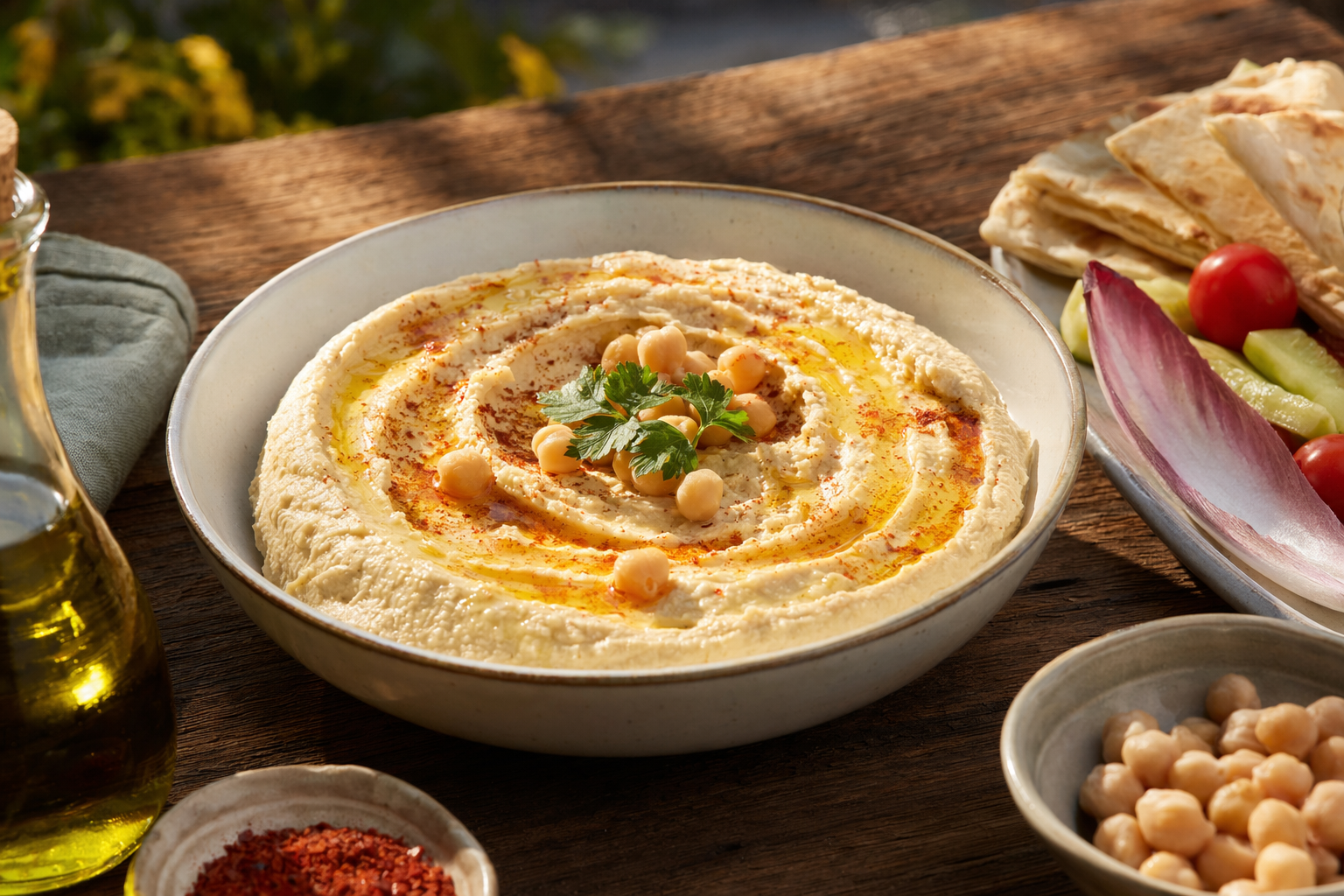
#I learned the hummus-outside lesson in the least glamorous way possible: at a picnic, sitting on a slightly damp blanket, pretending the pita chips weren’t getting soft in the humidity. Someone had brought this gorgeous tub of hummus, swirled with olive oil and paprika, the kind that makes everyone suddenly gather around like pigeons. We ate it, wandered off, came back, ate more, talked too long, forgot about it... and then around hour four somebody said, “Wait, is this still okay?” That question changed the whole mood. Because hummus looks so calm, right? It doesn’t bubble or wilt or scream for help. It just sits there looking creamy and innocent.
So, can hummus stay outside? Short answer: yes, but not for very long. If it’s homemade hummus or refrigerated store-bought hummus, the standard food-safety rule is 2 hours at room temperature. If you’re outside in hot weather, around 90°F or hotter, cut that down to 1 hour. After that, it’s discard time. Not “just scrape the top.” Not “smell it first.” Just... goodbye, chickpea friend. I hate wasting food, honestly I do, but I hate stomach drama more.
The real rule: hummus is a perishable food, even when it looks totally fine
#This is the part that surprises people because hummus feels like it should be sturdy. Chickpeas, tahini, lemon, garlic, olive oil... nothing about that screams fragile. But once those ingredients are blended into a moist, protein-rich dip, especially with water or aquafaba added, it becomes a place where bacteria can grow if the temperature is wrong for long enough. The USDA and FDA food-safety guidance use what’s often called the “danger zone,” which is roughly 40°F to 140°F. That’s the temperature range where bacteria can multiply faster, and hummus sitting on a counter at a party is basically hanging out right in that zone.
And here’s the annoying bit: you usually can’t tell by looking. I’ve had hummus that looked beautiful after three hours outside, still silky, still smelling like garlic and lemon. That doesn’t mean it was safe. Food safety is not a vibe check, as much as my younger self wanted it to be. The same thing is true with other soft picnic foods and lunchbox stuff. I wrote about the similar room-temperature problem with pasta in How Long Can Cooked Pasta Stay Outside? Safety Rules, and honestly it’s the same life lesson: time matters more than appearance.
My personal “hummus clock” now, because yes, I actually do this
#These days, when I put hummus out, I basically start a mental timer. Not in a fussy way. I’m not standing over the bowl like a health inspector with a clipboard. But if I set it out at noon, I know it needs to be back in the fridge or tossed by 2 p.m. If it’s blazing hot, like backyard-summer-hot where the ice in your drink gives up immediately, I treat it as a one-hour food. This has saved me from a lot of questionable leftovers.
| Hummus situation | How long it can sit out | What I’d do |
|---|---|---|
| Homemade hummus at room temp | Up to 2 hours | Serve small amounts, refrigerate the rest |
| Refrigerated store-bought hummus after opening | Up to 2 hours | Put it back cold quickly |
| Hummus outside above 90°F | Up to 1 hour | Keep it in a cooler or skip it |
| Unopened shelf-stable hummus cup or can | Follow package storage directions | Usually okay sealed until opened, then refrigerate if label says so |
| Hummus left out overnight | Not safe | Throw it away, even if it smells fine |
That “left out overnight” row is where people start bargaining. I get it. I’ve done it. You wake up, see the container from last night’s snack, and think, maybe it’s fine? Especially if the kitchen was cool. But no. If refrigerated hummus was left out overnight, it has been sitting in the danger zone way past the safe window. I know tossing a nearly full tub hurts a little, like emotionally, but it’s the right call.
Homemade hummus is amazing... and a little less forgiving
#Homemade hummus is one of my favorite small kitchen joys. I like mine with too much lemon, a ridiculous amount of garlic, and tahini that’s been stirred properly instead of that sad cement layer at the bottom of the jar. The first time I made a really smooth batch, I felt like I had unlocked a secret level of adulthood. Warm chickpeas, ice water, good olive oil, a blender making that dramatic angry noise. Heaven.
But homemade hummus doesn’t usually have the same controlled processing or packaging as the stuff from a factory. It’s been handled in your kitchen, with your spoon, your cutting board, your maybe-clean-enough lemon squeezer. That doesn’t mean it’s dangerous, it just means you should be more careful. I store homemade hummus in a clean airtight container in the fridge and try to eat it within about 3 to 4 days. Some batches last a little longer in people’s fridges, sure, but 3 to 4 days is the rule I trust for quality and safety. Also, use a clean spoon. I am begging everyone, including past me, to stop dipping pita directly into the storage container.
The garlic thing people ask about
#Every now and then someone brings up garlic and oil and botulism, usually in a slightly panicked comment thread. Here’s the practical version: hummus has acidity from lemon, it’s refrigerated, and commercial products are made under controlled conditions, but you still shouldn’t treat homemade garlic-heavy dips like shelf-stable pantry food. Keep them cold. Don’t leave them out for hours. Don’t store them at room temp because “it’s mostly olive oil.” It is not mostly olive oil, and even if it were, that’s not a safety plan.
Store-bought hummus: opened, unopened, refrigerated, shelf-stable... it gets weird
#The hummus aisle is confusing now. Years ago it felt like there were maybe two tubs: plain and roasted red pepper. Now there’s everything from dessert hummus to spicy harissa hummus to little lunchbox cups with pretzels. Some are sold refrigerated. Some are shelf-stable until opened. Some say “keep refrigerated” in tiny letters that you only notice after you’ve carried it around in a tote bag for half the day. I love options, but wow, labels are doing a lot of work here.
- If you bought hummus from the refrigerated section, keep it refrigerated at home and treat it like a perishable food.
- Once opened, refrigerated hummus should not sit out longer than 2 hours, or 1 hour in hot weather.
- If it’s unopened and shelf-stable, follow the package label. Once opened, many of those need refrigeration too.
- If the container says “discard after opening” or gives a short window, believe it. The label wins over our snack cravings.
This is similar to opened juices, dressings, and other sealed foods that suddenly become more delicate once air, utensils, and real life get involved. If you pack hummus with drinks or picnic foods, the same cold-storage mindset applies, and this companion piece on Opened Juice Safety: Fridge Rules for Cartons, Bottles, and Fresh Juice is useful if you’re the kind of person who travels with a cooler and three half-finished bottles of something, which... hi, same.
What about restaurants and buffet hummus?
#I love restaurant hummus with a devotion that is probably too intense. There’s a small Lebanese place I used to visit where the hummus came out in a shallow bowl with a moat of olive oil and warm pita puffed like little pillows. I still think about it. The good restaurants usually understand temperature control better than we do at home. They’ll hold cold foods cold, hot foods hot, and put out smaller amounts instead of letting one giant bowl sit under warm lights forever.
But buffets and party spreads can be tricky. If hummus is on a buffet table for hours and nobody knows when it came out, I get cautious. I’m not trying to be dramatic at a wedding, but I’ll quietly choose something else if the dip has been sitting there since cocktail hour and we’re now deep into speeches. Restaurants should be following local food codes and food-safety procedures, but as an eater, you can still use common sense. Cold hummus should feel cold. Hot hummus, if served warm, should actually be hot, not lukewarm and forgotten.
Picnics, lunchboxes, road trips: where hummus gets into trouble
#Hummus is such a perfect travel food in theory. It’s creamy, filling, vegetarian, easy to pair with carrots, cucumber, pita, crackers, pretzels, whatever is rolling around in the snack bag. I’ve packed it for beach days, train rides, road trips, and one extremely chaotic airport breakfast where I ate hummus with mini bell peppers while sitting near a phone-charging station. Not elegant. Very satisfying.
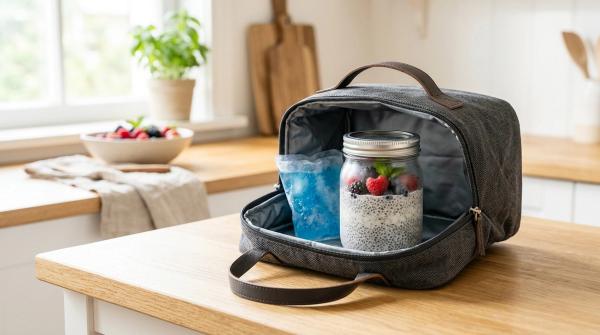
But if you can’t keep it cold, hummus becomes less perfect. For lunchboxes, use an insulated bag with frozen gel packs. Pack the hummus cold, straight from the fridge, not after it’s been sitting on the counter while you search for the container lid. For road trips, put it in a cooler, ideally near ice packs and not in the warm top layer next to the chips. At the beach, keep the cooler in the shade and don’t open it every four minutes, even though everyone will.
If you don’t have a reliable way to keep hummus cold, I’d honestly choose something else. There are lots of safer protein-ish snacks for travel that don’t need babysitting. Roasted chickpeas, nut butter packets, trail mix, jerky-style mushroom snacks, protein bars, spiced nuts. I keep a little list of these because I’ve been burned by “it’ll probably be fine” food optimism before. For more ideas, Shelf-Stable Vegetarian Protein Snacks for Travel is a good rabbit hole.
Signs hummus has gone bad, even if it stayed cold
#Time outside is one thing, but hummus can also spoil in the fridge. This is where your senses are helpful, though they still don’t replace the 2-hour rule. If hummus has mold, throw it out. Don’t scoop around it. If it smells sour in a sharp, unpleasant way, not just lemony, toss it. If the texture turns fizzy, slimy, unusually watery, or weirdly separated in a way that stirring doesn’t fix, I don’t mess with it. Also if the lid puffs up or the package seems swollen, that’s a big no from me.
A little liquid on top can be normal, especially with tahini or homemade batches, and you can stir it back in if everything else seems fresh and it’s been stored properly. But there’s a difference between normal separation and “this looks haunted.” Trust yourself there. I once opened a forgotten tub from the back of the fridge and it made this tiny hiss. I have never moved faster toward the trash can.
My favorite way to serve hummus without risking the whole bowl
#Here’s my party trick, and it’s not fancy: don’t put out the whole tub. Spoon a smaller amount into a pretty shallow bowl, swirl it around, drizzle olive oil, sprinkle paprika or za’atar, maybe add chopped parsley if you’re feeling like a person who has their life together. Keep the rest in the fridge. When the first bowl is empty, refill with cold hummus. It tastes better that way anyway, because nobody wants dip that has been warming slowly beside a plate of sweaty cheese.
- Put hummus out right before people eat, not while you’re still vacuuming and lighting candles.
- Use a clean serving spoon, because double-dipping is not a personality trait.
- Set the bowl over ice if it’ll be out for a while, especially outdoors.
- After 2 hours at room temp, or 1 hour in serious heat, toss what’s left in the serving bowl.
If I’m making a hummus platter, I also like to keep the dippers dry and separate. Cucumbers and tomatoes are lovely, but they release water and make everything a bit messy if they sit in the hummus too long. I’ll put crunchy veg around the bowl instead of burying them in it. Warm pita is the exception because warm pita deserves special treatment. I heat it, wrap it in a towel, and let everyone tear pieces like civilized little animals.
Can you put hummus back in the fridge after it sat out?
#Yes, if it has not been out too long. That’s the important bit. If hummus sat out for, say, 45 minutes during lunch, you can cover it and put it back in the fridge. If it sat out for 90 minutes at a normal indoor gathering, still within the 2-hour window, okay. I’d try to eat it soon and not repeat the warm-cold-warm-cold cycle all weekend. But once it crosses the safety window, chilling it again doesn’t undo the risk. Refrigeration slows bacterial growth, it doesn’t rewind time.
This is where people get frustrated because food safety feels wasteful. I agree, sometimes it does. The better move is prevention: small portions, cold packs, shallow bowls, labels, timers if needed. When I host, I’ll literally write the time on a piece of tape if there are multiple dips. It sounds nerdy, but nobody complains when the snacks keep coming and nobody gets sick.
A quick note on warm hummus, because it’s delicious
#Warm hummus is a thing of beauty. Not hot like soup, but gently warm, topped with spiced lamb or mushrooms or crispy chickpeas, maybe pine nuts if you’re feeling luxurious. Some Middle Eastern restaurants serve it warm and it can be absolutely stunning. But warm serving doesn’t mean “leave it lukewarm forever.” If hummus is being held warm for service, it should be kept hot enough according to food-safety standards, not drifting around at room temperature.
At home, I warm only what we’re about to eat. A small bowl, a minute or so depending on the microwave, stir, top, serve. I don’t warm the entire batch and then chill the leftovers again unless I really have to. The texture gets a little tired anyway, and hummus deserves better than being reheated like office leftovers from a plastic tub.
The no-panic cheat sheet I wish someone gave me years ago
#If hummus is refrigerated or homemade, keep it cold, serve it in small portions, and don’t let it sit out longer than 2 hours. In hot weather, make it 1 hour. If it sat out overnight, toss it.
That’s really the whole story. Everything else is just the delicious details. Hummus is one of those foods that feels generous and casual, like it belongs in the middle of the table while people talk too loudly and reach across each other. I don’t want anyone scared of it. I want people eating more of it, actually. Just with a little respect for timing.
So next time you’re putting together a snack board, packing lunch, or dragging a cooler to the park, give hummus the VIP cold treatment. It’ll taste fresher, look prettier, and you won’t have that late-night moment where you stare at a half-empty bowl wondering if chickpeas can betray you. They can, sort of. But only if we abandon them on the counter for too long.
Final bites
#My food life has gotten a lot better since I stopped treating safety rules like boring background noise. Hummus still shows up in my fridge almost every week, usually next to carrots I meant to cut earlier and a jar of pickles I’m emotionally attached to. I still make big swoopy bowls of it for friends. I still eat it with pita over the sink when I’m too hungry to be normal. I just don’t let it lounge around outside all afternoon anymore. If you’re into these practical little food questions, with some snack obsession mixed in, you’ll probably enjoy poking around AllBlogs.in too.