I used to think tea-estate stays were for the super polished sort of traveler. You know, people in linen shirts reading old novels on verandahs while someone quietly appears with a silver pot of first flush. Then I actually did a few of them across India and, um, wow, I was wrong in the best possible way. They can be dreamy and elegant, sure, but they can also be muddy-boot, second-helping, wake-up-to-birdsong kind of places where lunch stretches into evening and all you really wanna do is eat one more banana fritter and sit looking at mist. This is basically my love letter to plantation stays in India, especially the ones that combine the calm of tea country with seriously memorable food.
Also, tea tourism in India has gotten a lot more interesting lately. Not just "come see leaves, drink tea, buy tea, bye." A lot of estates now lean hard into slow travel, farm-to-table dining, tea-and-food pairing sessions, guided tasting flights, heritage bungalows, wellness add-ons, and smaller local experiences rather than cookie-cutter luxury. In 2026, that feels like the thing in Indian travel generally, honestly. People still want comfort, but they also want story, local produce, fewer crowds, and meals that actually mean something. I do too. If I travel somewhere beautiful and get fed generic pasta, I feel personally offended lol.
Why tea estates hit different when you're a food person
#Here's the thing nobody told me early enough: tea estates are not just scenic places to sleep. They are food landscapes. The altitude changes what grows. The rain changes flavor. The colonial histories left behind bungalow dining traditions, while local communities kept alive very distinct cuisines around them. So one day you're drinking delicate white tea in Darjeeling with cucumber sandwiches because yes, the cliché is real, and that same night you're eating hot nepali-style thukpa or fermented bamboo shoot pickle with rice at a family-run place down the road. Contradiction? Maybe. Delicious? Very much.
- Darjeeling and Kurseong for cool mountain air, old tea bungalows, Nepali-Tibetan-Bengali food overlaps
- Assam for bold breakfast tea, river fish, duck curries, tribal food traditions, absurdly green landscapes
- Munnar for cardamom-laced Kerala cooking, appam-stew breakfasts, spice gardens, modern boutique estate stays
- The Nilgiris and Coonoor for tea trails plus Tamil, Badaga, Anglo-Indian and pan-hill station food that sneaks up on you
And yeah, there are trends happening. Estate kitchens are becoming more ingredient-conscious. A bunch of stays now talk about hyperlocal sourcing, no-waste cooking, indigenous greens, tea-smoked proteins, millet breakfasts, vegan tasting menus, and low-intervention menus built around what came in that morning. Sometimes trend language gets a bit annoying, not gonna lie. But when it's done properly, the meal tastes of the place, and that's the whole point.
My first proper plantation stay was in Darjeeling, and I was not emotionally prepared
#I reached Darjeeling after one of those bendy hill drives that make you swear you'll never travel again, and then five minutes later you're like actually this is gorgeous. The estate bungalow sat above rolling tea slopes with that weirdly perfect mist drifting in and out. Everyone says tea gardens look like velvet from a distance, and for once the travel writing cliché is true. The staff brought out a pot of muscatel second flush almost as soon as I arrived, with warm scones and local orange marmalade, and I remember thinking, okay, this is a bit filmy, but I am into it.
What stayed with me more than the tea, though, was breakfast the next morning. Not fancy-fancy, just deeply good. Alu dum, local bread, eggs any style, sautéed greens, thick curd, fresh fruit, and this sharp homemade pickle that basically woke me up better than caffeine. Later, in town, I went looking for momos because I always do, and ended up in a tiny place near the market where the pork momos were juicy enough to ruin me for all lesser momos. Darjeeling food is often explained too narrowly, I think. People say "Tibetan food" and move on, but the hills are more mixed than that. Nepali, Lepcha, Tibetan, Bengali, old-school bakery culture, all of it sort of bumping into each other.
The best tea-estate stays aren't escape in the empty-luxury sense. They're escape with flavor. Quiet mornings, yes, but also peppery broths, flaky pastries, smoky tea, and meals that tell you where you actually are.
A few estate stays that genuinely worked for me
#I'm not doing a ranked list because my mood changes and also because different tea regions give different things. But there are a few kinds of stays I'd absolutely recommend if food matters to you as much as the view.
- In Darjeeling and Kurseong, look for heritage tea bungalows attached to working gardens. The good ones offer estate walks, tasting sessions, and dinners that mix colonial-era table service with hill food influences. Ask in advance if they can do local specialties instead of a generic multi-cuisine spread. Seriously, ask. Otherwise someone will offer you sad garlic bread in the Himalaya and nobody wants that.
- In Assam, go for a plantation stay near Jorhat or Dibrugarh if you want the classic tea-country feel. Some estates still have those broad verandahs and old dining rooms, but the better experiences now include local Assamese breakfasts, fish tenga, xaak, black rice desserts, and sometimes community-led food experiences beyond the estate gates.
- In Munnar, boutique plantation stays are doing the most right now. Some are inside cardamom and tea country rather than only tea, which actually makes the food side stronger. You get Kerala Syrian Christian dishes, toddy-shop style flavors cleaned up for travelers, tapioca, meen curry, appam, and proper spice-led cooking.
- In Coonoor and the Nilgiris, I loved the pace. Less performative somehow. Tea, obviously, but also homemade jams, roast dinners, excellent soups in bad weather, and access to local produce. Some stays there are quietly becoming culinary destinations without shouting about it.
Assam surprised me the most, food-wise
#Maybe because I went in expecting mostly tea history and colonial architecture, which sounds nice but a little museum-ish. Instead Assam felt alive, humid, green to the point of madness, and the food had this clean confidence to it. At one plantation stay outside Jorhat, breakfast included joha rice, poached eggs, banana fritters, fresh pineapple, and a light masoor dal that made no sense as breakfast until I ate two bowls. Lunch was fish tenga, sour and bright, with rice and herbs I couldn't identify fast enough. Dinner one night was duck cooked with ash gourd, and I still think about it more than is normal.
Tea in Assam is usually talked about as strong, malty, builder's tea, all that. Which is true. But staying on an estate and tasting through different lots changed my brain a bit. You notice seasonality more. You notice how food changes the cup too. One afternoon they paired a brisk orthodox Assam with pithas and sesame sweets, and another day with spiced savouries and smoked peanuts. Pairing menus are absolutely a 2026 thing now in Indian tea hospitality, and honestly I support it. Wine has had all the fun for too long.
What people are doing in 2026 that's actually cool, not just trendy on paper
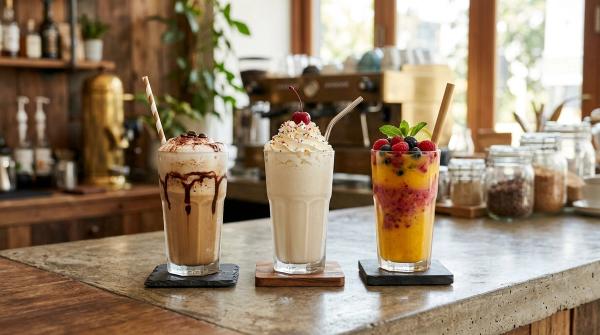
#A lot of the better plantation stays have figured out that travelers don't only want passive luxury anymore. They want to do stuff, but gentle stuff. So instead of ten activities before lunch, it's more like: dawn plucking walk, tea factory visit, one really thoughtful tasting, maybe a cooking demo with a home cook or estate chef, lunch built around local greens, then nothing. Blessed nothing. Some places are also offering caffeine-aware menus, herbal infusions from local botanicals, low-sugar tea desserts, and small-batch preserves to take home. I even saw tea mocktail pairings being pushed in 2026, which sounds silly till you try a smoked black tea cooler with citrus and green chilli and realise okay, fair enough.
There's also a visible shift toward regional breakfast menus. Thank god. I am tired of hotel buffets where every city in India serves the exact same baked beans and limp cut fruit. On tea estates now, I've had millet porridges in the Nilgiris, appam with stew in Munnar, chhurpi-accented dishes in the eastern hills, pitha in Assam, and local honeys and preserves almost everywhere. This isn't universal, to be clear. Some places still do the old all-things-to-all-people spread. But the smart ones are leaning local because that's what people remember.
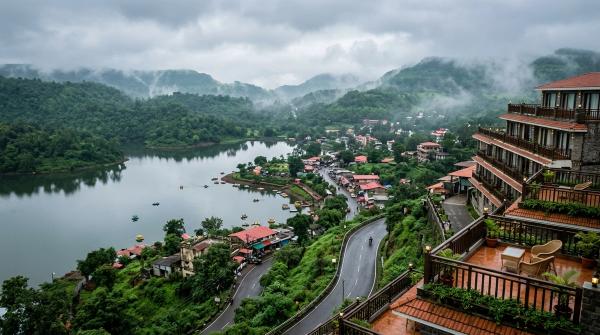
Munnar is probably the easiest tea escape if you want beauty plus comfort plus really good eating
#Munnar feels more accessible somehow, even when it's crowded in bits. The surrounding tea carpets are almost suspiciously pretty, and because you're in Kerala the baseline food situation is already strong. On one plantation stay there, I had appam with vegetable stew for breakfast, then later cardamom tea with pazhampori, and by dinner there was pearl spot fish wrapped in banana leaf. Not all in one sitting, though honestly maybe I would've. The air smelled faintly of wet earth and spice, which sounds made up but wasn't. Even simple meals tasted fuller there.
One afternoon I joined a kitchen session expecting the usual tourist demo where you chop one onion and clap at the end. But it was actually useful. We talked about how estate kitchens are changing because travelers now ask more questions about sourcing, seed oils, allergens, vegan substitutions, fermentation, all these things. In 2026, food-aware travel in India is much more detailed than before. Guests ask where the pepper came from, whether the jackfruit is local, if the tea in dessert is from that slope or another one. Sometimes this gets a bit precious, sure, but I also kinda love that people care.
The Nilgiris gave me the quiet I thought I was going to get everywhere
#Coonoor especially. Slower roads, softer light, less of the look-at-me energy. I stayed in an old bungalow ringed by tea bushes and tall trees that made the afternoons go blue-grey. It rained off and on, which meant I spent a lot of time eating indoors, excellent for morale. There were fluffy omelettes, peppery tomato soup, fresh bread, local vegetables cooked simply, tea-rubbed roast chicken one evening, and on a cold afternoon some kind of tea-infused cake that should've been terrible in theory but was, annoyingly, wonderful.
Outside the stay, I got curious about local food histories and ended up hearing about Badaga cuisine from someone who insisted I was missing the real Nilgiris if I only drank tea and took photos. Fair point. So I sought out a more local meal and found exactly what I travel for: food that doesn't exist as an Instagram category yet. Earthy, warming, not overcomplicated. This happens a lot in plantation regions, actually. The stay pulls you in, the landscape softens you up, and then if you're paying attention, the surrounding communities show you the actual soul of the place.
A few practical things if you're booking one of these stays
#- Ask whether the estate is working or only scenic. Working estates usually make the whole experience richer.
- Check meal style before booking. Fixed menus can be amazing, but only if the kitchen cares about local food.
- If you're going in monsoon or shoulder season, embrace it. Mist, leeches, delayed drives, hot pakoras, all part of the deal.
- Tell them your food interests ahead of time. A surprising number of places will arrange tea pairings, local snacks, or home-style meals if they know you actually care.
- Don't spend every meal inside the property. Some of my best bites were in modest bakeries, roadside stalls, and homes nearby.
And maybe this sounds obvious, but don't treat estate staff like props in your pastoral fantasy. These are living workplaces. Tea tourism is lovely when done respectfully, and a bit gross when people act like they've rented a whole landscape. I don't mean to sound preachy. I just saw a few travelers behaving badly and it put me off my dessert, nearly.
What I kept craving after I got back
#Not one specific dish, weirdly. More like a pattern of eating. Morning tea on a cold verandah. Warm breakfasts with local starches instead of toast. Midday meals built around what grows nearby. Fried snacks exactly when the weather turns. Strong tea with savoury things, lighter tea with sweets. The rhythm of plantation eating is what I missed. It's slower, but not in a fake wellness-retreat way. More in a this-is-what-makes-sense-here way.
If you want a quiet Indian escape and care about food beyond just ticking off famous restaurants, tea estate stays are kind of magic. Darjeeling for layered hill culture, Assam for depth and surprise, Munnar for spice-scented comfort, Nilgiris for hush and old-world charm. None of them are interchangeable, which is exactly why doing more than one is worth it if you can swing it. I went for scenery and a few nice cups of tea. I came back thinking about fermented pickles, estate breakfasts, fish curries, local breads, and how travel feels better when the landscape and the plate are speaking the same language... or trying to, anyway.
Anyway, that's my slightly rambling case for booking the plantation stay instead of another standard resort. Go for the mist, stay for the meals, ask annoying questions about tea, eat the local breakfast, and don't overplan. That's my philosophy these days, more or less. If you're into this kind of food-and-travel wandering, have a look at AllBlogs.in too, lots of fun reads there.