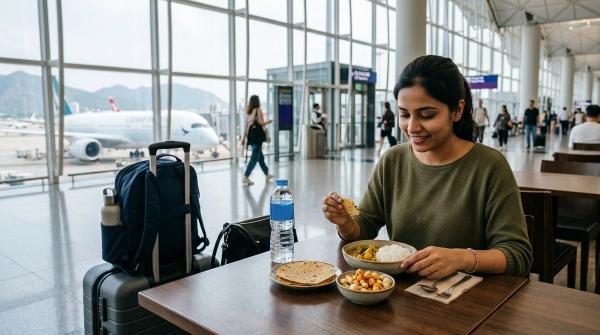
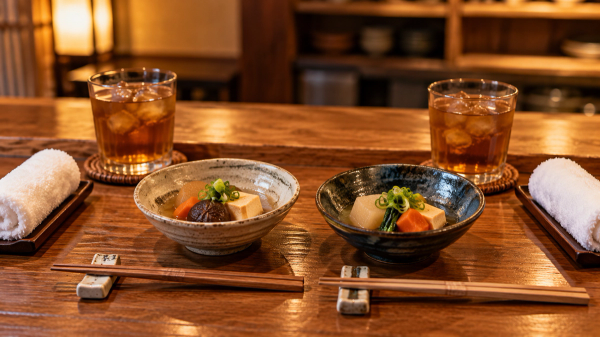
Every year when April starts doing that weird in-between thing, all hot afternoons and soft evening breezes, I basically turn into a festival-food maniac. Not even joking. For me, April in India isn't just a page flip on the calendar, it's this huge edible moodboard of gold kani konna flowers for Vishu, fields-and-dhol energy for Baisakhi, and that elegant, slightly dramatic Bengali New Year spread for Poila Baisakh. And 2026 feels extra interesting because food culture right now is changing so fast, but these festive meals still hold on. That's what I love, I think. Old memory, new plating. Ancient recipes, but somebody's fermenting jackfruit peels in a fancy kitchen and calling it innovation. Which... okay, sometimes I roll my eyes, but sometimes it's brilliant.
I should say this up top so nobody gets mad at me later: I don't think festival food should be reduced to trend reports and restaurant hype. It lives at home first. In steel bowls, banana leaves, pressure cookers hissing too loud, aunties saying 'taste this and tell me if the salt is less,' and cousins hovering around the payasam before lunch. But also, yeah, I do keep tabs on what's happening in the food world. In 2026, chefs across Indian metros are leaning hard into regional tasting menus, millet-forward celebratory meals, naturally fermented drinks, low-waste cooking, cold-pressed mustard oils, heritage rice, jaggery-led desserts, and hyperlocal produce. Some of that is trend-cycle nonsense, some of it's actually useful. A lot of these festive foods were doing sustainable and seasonal long before restaurants made it cool.
Vishu food, to me, tastes like morning light and a little bit of greed
#My strongest Vishu memory is not some grand travel story, actually. It's being half asleep, dragged out of bed before sunrise, and told not to open my eyes till I was in front of the Vishukkani. I remember the glint of the mirror, the golden cucumber, mangoes, rice, coconut, the metal uruli, coins, flowers, all of it arranged with this intense care that felt almost unreal in the bluish morning. Then came the part I really cared about as a kid, let's be honest, the food. A proper Vishu sadya is one of those meals that looks calm and then absolutely demolishes you with complexity. You think it's just lunch on a banana leaf, and then suddenly you're counting twenty things and wondering how avial can taste gentle and loud at the same time.
In 2026, one thing I've noticed is that younger Malayali home cooks and a bunch of restaurant chefs are bringing back older, less flashy Vishu dishes instead of only doing the standard greatest-hits sadya. So yes, you'll still get parippu, sambar, olan, kalan, pachadi, kichadi, avial, thoran, pappadam, pickles and one or two payasams, but there's more conversation now around ingredient quality and regional variation. Small-batch coconut oil matters. Freshly ground cumin matters. The sourness in pulissery matters. The texture of ash gourd in olan absolutely matters, and I will die on that hill. Also, heritage red rice has shown up more on festive menus this year, not just as a wellness flex but because, well, it tastes good and sits beautifully with rich curries.
- My non-negotiables in a Vishu sadya: crisp pappadam, not soggy
- At least one properly balanced pachadi, where sweet doesn't bully the tang
- Avial that isn't drowning in yogurt
- Payasam served with confidence, not in timid little portions pls
A few Kerala restaurants and pop-ups in cities like Bengaluru, Kochi, Chennai and even Dubai have been doing reservation-only Vishu sadyas in 2026, and honestly the good ones sell out fast. The newer style, from what I've seen and tasted, is less about giant excess and more about a carefully sourced spread. I've had one version where the chef used a single-estate black pepper in rasam and made a big speech about terroir, which sounded a bit much... but annoyingly, he was right, it did make a difference. Another place served a jackfruit seed mezhukkupuratti as a seasonal side, and that one stayed with me. Earthy, nutty, a little chewy. Super simple. The kind of dish that makes expensive tasting menus look silly.
And then Baisakhi arrives like a dhol beat you can eat
#Baisakhi food is such a different energy. Vishu feels composed and ceremonial to me, Poila Baisakh feels polished and symbolic, but Baisakhi? Baisakhi is generous. Open-hearted. Butter-streaked. Smoke-kissed. Even if you celebrate in a city apartment, the food still carries this harvest joy, that sense of abundance after labor. The first Baisakhi meal I remember vividly was at a Punjabi family friend's house in Delhi years ago. Me and him went with one plan, eat lightly because lunch was 'just family food.' Hah. Biggest lie. There was kada prasad, chole, meethe chawal, boondi raita, paneer in a thick tomato gravy, lassi that could've replaced a mortgage payment with how rich it was, and later a giant tray of pinnis. I couldn't move after. I wasn't unhappy tho.
A lot of Baisakhi coverage outside Punjab keeps flattening the food into the same two or three dishes, usually makki di roti and sarson da saag, which are iconic yes, but also deeply winter-coded. By April, festive Baisakhi tables often move toward what the season and occasion demand: kadhi-chawal, chole-kulche style spreads, tandoori meats or paneer, kheer, phirni, sweet saffron rice, stuffed kulchas, fresh chaas, jaggery sweets, sometimes simple sabzis that don't get enough love. In rural harvest contexts, the food traditions shift too, and that's the thing, there isn't one single plate. There never was. In 2026, some younger Punjabi chefs are pushing back against the oversimplified restaurant version and re-centering home-style dishes, heirloom wheat, old pickling methods, and slower dairy work. Thank god, honestly.
Festival food gets weirdly more delicious when people stop trying to 'elevate' it and just cook it properly. That's my extremely biased opinion and I'm keeping it.
That said... I do enjoy some of the current innovation around Baisakhi menus. Delhi and Chandigarh's newer restaurants this year have been playing with wood-fired kulchas, cultured white butter, house-churned lassi in savory flavors, and desserts built around gur instead of refined sugar. One meal I had included a smoked whey reduction drizzled over roasted baby potatoes with ajwain, and it was nowhere near traditional Baisakhi food, but it somehow tasted like it belonged at a Punjabi table. Maybe because the soul was there. Maybe because I was hungry. Hard to say. Also, millet has become huge in mainstream Indian dining through 2025 and into 2026, so a few Baisakhi brunches are sneaking in bajra crisps, jowar phulkas, and multigrain atta kulchas. Sometimes this works beautifully. Sometimes it tastes like guilt disguised as health.
Poila Baisakh is where my appetite gets a bit dramatic
#If Vishu is serene and Baisakhi is booming, Poila Baisakh is, to my mind, deliciously theatrical. The first day of the Bengali New Year just has this polished charm to it. Red-and-white saris, hal khata rituals in old sweet shops and jewelry stores, fish markets looking absolutely alive, and menus that seem to say yes, life is uncertain, have another piece of fish. I love that. I really do. My earliest Poila Baisakh memory is tied to a sweet shop in Kolkata where my aunt bought mishti doi and nolen gur sweets so carefully you'd think she was transporting crown jewels. Then lunch happened and there was shukto, luchi, chholar dal, begun bhaja, basanti pulao, kosha mangsho, and fish, always fish, maybe pabda or ilish if the stars and wallet aligned.
Now, about ilish. Every Bengali food conversation eventually becomes an ilish argument, and I am not brave enough to solve that here. But 2026 has made one thing clearer: more chefs and home cooks are talking openly about seasonal sourcing, river ecology, and responsible fish buying. That's overdue. Poila Baisakh menus this year, especially in thoughtful restaurants in Kolkata, Bengaluru and Mumbai, are showing more seasonal river fish alternatives when hilsa availability or quality is shaky. Bhetki, pabda, chitol preparations, tangra, even beautifully cooked vegetarian ceremonial menus are getting more respect. Which is good. Food culture shouldn't pretend ecology doesn't exist.
- Poila Baisakh foods I crave most: shukto first, always
- A fragrant pulao that doesn't overdo the sweetness
- Kosha mangsho with actual depth, not just oil on top
- Tomato-khejur chutney at the end because somehow there's always room
- Mishti doi so set and velvety you can almost slice it
One trend I genuinely adore in 2026 is the return of old Bengali pantry logic. Restaurants and home cooks are talking about gondhoraj in smarter ways, using posto with restraint, reviving house-made bhaja moshla, and paying attention to texture, bitter notes, and sequencing in a meal. Not everything needs to hit you with chili and cream. A good shukto before a richer meal is culinary intelligence, full stop. Also, some sweet makers are experimenting with lower-sugar sandesh and naturally fermented doi cultures without ruining the soul of the thing, which I didn't think was possible but here we are.
The thing all three festivals share, even when the plates look totally different
#I kept thinking about this while eating my way through a very silly amount of festive food research for this piece. Vishu, Baisakhi, and Poila Baisakh don't resemble each other much on the table, but underneath? They're all deeply seasonal, community-rooted, symbolic meals. New year, harvest, prosperity, gratitude, fresh starts. Rice shows up, dairy shows up, jaggery or sweetness in some form shows up, abundance definitely shows up. So does the idea that food isn't a side event to the ritual, it is the ritual. The meal is how people make meaning edible. Sorry, that sounded way too poetic, but you know what I mean.
And in 2026 especially, with so much talk around AI menus, delivery-first cloud kitchens, lab-grown ingredients, and ultra-processed convenience foods, these festival tables feel grounding. Not anti-modern, just grounded. Even the innovations worth keeping are mostly about improving what already existed: better cold chains for fish and dairy, less waste in prep, direct sourcing from farmers, cleaner jaggery production, stone-ground spice revival, native rice conservation, compostable festive catering. That's the sort of food future I can get behind. Not mango-payasam foam shot in a test tube. Please no.
A few dishes I think deserve way more attention than they usually get
#- Olan during Vishu. It's so quiet that people underrate it, but that tender ash gourd-coconut-cowpea combo can calm an entire noisy plate.
- Kada prasad around Baisakhi and gurdwara gatherings. Warm, glossy, equal parts humble and luxurious. Good luck stopping at one spoon.
- Shukto for Poila Baisakh. The bitter opening note is pure genius and anybody who skips it is missing the architecture of the meal.
- Meethe chawal. When done right, each grain stays separate and perfumed, not sticky sugary mush.
- Payasam made with jaggery that still tastes clean, not muddy. This is harder than it looks, trust me, I have messed it up before.
I tried making a mini April-festival spread at home last year and nearly lost my mind. There was a payasam situation, a chutney situation, and one tragic overcooked fish. Festival meals look romantic until you're grating coconut for the third time and the sink is full and somebody asks if lunch is 'almost ready.' Still, I learned stuff. Freshly roasted moong changes payasam completely. Resting kosha mangsho really does deepen flavor. White butter on hot kulcha is basically instant happiness. And banana leaf plating makes even my slightly wonky cooking feel more generous.
If you're eating out in 2026, here's what I'd look for
#Not a strict list, okay, more like instincts. I trust festive menus that name dishes properly, mention sourcing without turning it into marketing poetry, and don't cram all regions into one chaotic 'Indian New Year Thali' unless the kitchen actually understands the cuisines. I like places that keep bitter dishes, simple sides, and traditional desserts instead of replacing everything with fusion drama. Also, watch the rice. If a restaurant pays attention to rice, odds are the rest of the meal is serious too.
- Look for limited festive menus rather than giant all-day buffets if you care about quality
- Ask whether sweets are made in-house. It matters more than people admit
- If fish is central, ask what's seasonal that week
- Don't ignore the 'small' dishes, the thoran, the chutney, the prasad, the dal. That's where truth lives
I've also noticed a rise in intimate supper clubs and chef-home collaborations in 2026, especially in Bengaluru, Kolkata, Mumbai and Delhi, where regional festive menus are cooked in smaller batches. Some are incredible. Some are just expensive nostalgia cosplay. But the best ones feel like being let into someone's edible memory, and that, to me, is worth more than a glossy hotel buffet with dry paneer and confused labeling.
So what am I actually craving this April?
#A proper Vishu sadya with too much payasam. Baisakhi-style kadhi with steaming rice and something smoky from the tandoor. A Poila Baisakh lunch that starts bitter, turns rich, ends sweet, and leaves that faint mustard-oil perfume on your fingers. I want the whole thing. The ceremony, the noise, the overeating, the aunties, the market rush, the arguing over which sweet shop is better, the leftovers the next day that almost taste better than the festival itself. Maybe that last part is controversial, but leftovers can be amazing. There, I said it.
If you're celebrating in 2026, I really hope you eat the traditional stuff and the slightly new stuff too. Keep the classics alive, but stay curious. Taste the old recipe from your grandmother's notebook and the thoughtful reinterpretation from that young chef who's sourcing directly from farmers. Say yes to second helpings. Say no to bad fusion when you can. And if somebody offers you homemade festival dessert, just take it. Life is short, and some sweets are only made once a year.
Anyway, that's my rambling April food love letter. Vishu, Baisakhi and Poila Baisakh keep reminding me that the best festival meals aren't just delicious, they're full of timing, memory, weather, labor, faith, family, and tiny details you don't notice till you miss them. If you like this kind of messy food-obsessed writing, wander over to AllBlogs.in sometime, there's always something tasty to read there.