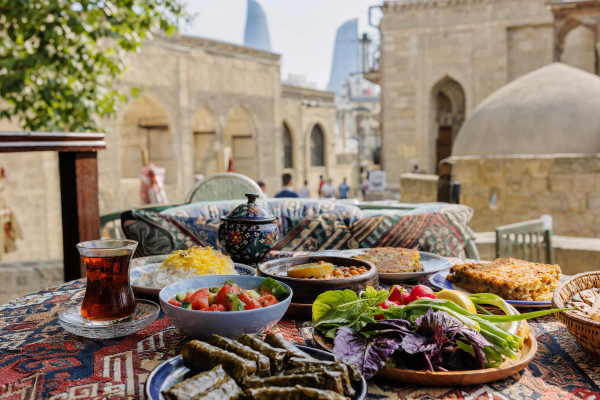
I’ve gotta be honest, when I booked Penang this year, my brain was doing that classic Indian-vegetarian-traveler panic thing. You know the one. “Will I survive on fries? Will every broth secretly have fish sauce? Will somebody tell me ‘vegetarian’ and then casually toss prawns in there?” Been there. So yeah, I landed in Penang a little suspicious, a little hungry, and very ready to investigate. And wow... Penang is one of those places that kind of grabs you by the senses. Humid air, old shophouses, temple bells, street art, hawker smoke, the smell of sambal and coffee and incense all sort of colliding in George Town. It’s chaotic in the nicest possible way. And for Indian travelers, especially vegetarians, it’s actually a lot more friendly than people assume, if you know where to go and what to ask.
This isn’t gonna be one of those perfect glossy guides where every meal is aesthetic and every plan works. Mine did not. I got lost in Little India, got a too-spicy-asam thing by mistake, nearly bought the wrong kind of tau sar pneah for gifting, and spent a weird amount of time discussing mock char siu with a Grab driver who was deeply passionate about soy products. But that’s Penang, I think. Food there isn’t just food. It’s migration, memory, trade routes, religion, street life, and a thousand family habits all shoved onto one island. And because Penang’s food culture is this Malay-Chinese-Indian-Peranakan swirl, vegetarians can eat really, really well. You just need a tiny bit of strategy... and the confidence to ask questions twice.
First thing first - why Penang works surprisingly well for Indian vegetarians
#A big reason is the Indian community presence, especially around George Town’s Little India. You’ll find banana leaf meals, thosai, idli, chapati, curries, sweets, and proper comforting masala chai without trying too hard. But what surprised me more was how much Buddhist vegetarian food and modern plant-based food has expanded. By 2026, that whole flexitarian and plant-based travel thing is not just a Kuala Lumpur trend anymore. Penang’s cafes, kopitiams, and even some hawker setups are more used to requests like no meat, no lard, no fish sauce, no egg, vegan version possible? It’s still not foolproof, don’t get me wrong, but compared to a few years back, the awareness feels better. Menus are clearer in tourist-heavy zones, younger staff often understand ‘vege’ or ‘pure vegetarian’, and Google Maps reviews now usually mention if a place uses onion-garlic free options or has Indian-friendly meals.
- George Town is easiest if you want walkable food options and lots of backup plans
- Little India is your safety net when you’re tired and just want familiar vegetarian food
- Buddhist vegetarian shops are great for mock meat dishes, noodles, rice plates, and cheap lunches
- Upscale cafes in 2026 are way more plant-forward than before, with mushroom-based rendang, jackfruit fillings, oat-milk drinks, and vegan nyonya desserts popping up here and there
Also, practical thing, because this matters more than bloggers pretend: Penang is easy enough for short food-led trips. Flights from India usually connect through Kuala Lumpur, sometimes Singapore, and once you’re in, the island doesn’t feel overwhelming. Grab is cheap-ish, walking in George Town is fun till the heat humbles you, and there’s enough vegetarian density that you won’t spend your whole holiday planning every bite. That itself is such a relief.
My first real meal in Little India, and that moment I stopped worrying
#I remember this so clearly. First evening, sweaty as anything, backpack digging into my shoulder, and I walked into Little India because honestly my nose led me there before Google Maps did. Carnatic music from one shop, jasmine garlands from another, steel tumblers clanking, aunties buying sweets, tourists taking photos like they’d discovered color for the first time. I sat down at a simple banana leaf place - one of those no-fuss spots where the table is slightly sticky and that’s somehow reassuring - and ordered a vegetarian meal. Rice, dal, a couple veg sides, rasam, papad, pickle, curd. Nothing fancy. Everything perfect. The kind of food that resets your whole mood.
And then the guy serving asked if I wanted more kuzhambu, and I nearly laughed with relief. That was the exact second I knew Penang was not going to be a struggle-trip. It was gonna be an eating trip. A proper one. If you’re Indian and vegetarian, Little India is where you can exhale. Places around Lebuh Pasar and nearby streets often serve South Indian vegetarian staples from morning onward. Not every restaurant is fully veg, so ask. But many are very used to Hindu vegetarian customers. Some even understand if you say no egg, no meat stock, no fish, separate utensils please. That level of familiarity? Gold.
What to actually eat in Penang if you’re vegetarian - beyond the obvious thali and dosa
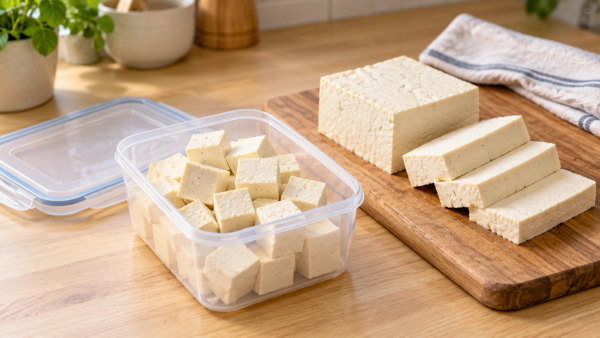
#Okay so yes, eat the banana leaf meals. Eat the thosai. Eat the pongal if you find a good breakfast place. But don’t stop there, because Penang’s vegetarian fun starts when you branch out a bit. One of my favorite discoveries was vegetarian char koay teow-style noodles from a stall doing a custom version without seafood, usually with extra bean sprouts, chives, egg if you eat it, and sometimes tofu. Is it traditional? Purists will say no. Is it delicious? Absolutely yes. Then there’s vegetarian curry mee, which at some veg shops comes with tofu puffs, mock prawns, cockles made from konjac or soy, and this rich spicy coconut broth. Again, ask if fully vegetarian, because standard curry mee often isn’t.
I also got weirdly obsessed with nasi kandar-style vegetarian spreads. Technically nasi kandar is famous for mixed curries and often very meat-heavy, but some Indian Muslim and Indian vegetarian places let you build rice meals with okra, cabbage, dhal, fried bittergourd, potato masala, and all these gravies that, when they’re veg-safe, become dangerously addictive. Then there’s chee cheong fun with sesame and sweet sauce at vegetarian stalls, yam cakes, chai tow kway without meat bits, lor bak-style mock rolls, stuffed tofu, popiah, and on the sweet side, cendol and ice kacang. Though again, tiny warning bell - always ask about gelatin, hidden lard, or topping syrups if you’re strict. Penang rewards curious eaters, but only the nosy ones survive properly.
My Penang food rule became very simple: if a dish looked vegetarian, I still asked. If they said yes too quickly, I asked again in a different way.
Places and areas that worked best for me in 2026
#I’m not gonna pretend I audited every restaurant on the island, because lol no, but a few zones kept proving useful. George Town was the big one, especially around Little India, Chulia Street, Armenian Street, and the lanes leading off them. You can do breakfast Indian, lunch at a Buddhist vegetarian restaurant, coffee at a cafe with vegan cake, then finish with hawker food nearby. Newer reviews in 2026 have made this easier too. I noticed lots more travelers tagging places clearly as vegetarian-friendly, and some menus now even mark vegan options, which feels almost luxurious in Southeast Asia if you’ve traveled enough.
Air Itam was interesting for temple visits and local atmosphere, though I had to be more careful with food assumptions there. Around Pulau Tikus and Tanjung Tokong, I found a few more modern cafes and health-leaning spots doing sourdough, smoothie bowls, plant-milk lattes, and fusion rice bowls. Nice, but honestly? I didn’t fly to Penang for acai bowls. Good to know they exist though, especially if you need a lighter meal after three days of glorious carb destruction. And if you’re visiting during busier weekends or school holidays, book your nicer dinners ahead. Penang in 2026 is still very much a food destination, and some of the more talked-about plant-based places get packed, especially with domestic tourists and Singapore weekenders.
A rough shortlist I’d suggest to Indian vegetarian travelers
#- Little India for dependable South Indian breakfasts, sweets, banana leaf lunches, and quick comfort food
- Buddhist vegetarian restaurants in George Town for mock meat dishes, noodles, rice sets, and budget meals
- Hawker centers where vendors are willing to customize - but only if you communicate clearly
- Modern cafes for vegan desserts, specialty coffee, and a break from all the spice
- Traditional biscuit shops for tau sar pneah, though check ingredients if you’re strict about shortening or butter
The dishes I kept thinking about even while walking around heritage streets
#One morning I had masala thosai so crisp it practically shattered, then spent the next hour wandering through George Town looking at blue shutters, clan houses, and murals while still tasting the potato masala in my head. That’s the thing with Penang. Sightseeing and eating never stay seperate. You walk to Khoo Kongsi, and on the way there somebody’s frying something amazing. You head toward Chew Jetty at sunset, and suddenly you’re distracted by nutmeg juice and a vegetarian snack stall. I had this one bowl of vegetarian curry mee on a rainy afternoon, sitting under a fan that barely worked, and I swear the coconut broth tasted richer because of the weather. Maybe that sounds dramatic. It probably is. But food memories do that.
If you can find nyonya-inspired vegetarian dishes, try them. Not always easy, but worth the hunt. I had a plant-based version of buah keluak mushroom filling at a contemporary restaurant and was honestly shocked by how deep and earthy it tasted. There were also jackfruit rendang tacos at a fusion place - yes I know, that sounds like culinary nonsense, and maybe it was, but weirdly it worked. One clear 2026 trend in Penang is that younger chefs are remixing heritage flavors for plant-based diners. Some of it feels a bit Instagram-first, sure. But some of it is genuinely creative and respectful. I’m usually suspicious of over-designed food, yet a few meals really won me over.
The stuff Indian travelers need to ask, because this is where people get caught out
#So here’s the less romantic bit. In Penang, vegetarian doesn’t always mean what Indian vegetarians expect it to mean. Seafood-based sauces, anchovy stock, oyster sauce, shrimp paste, and lard can sneak into dishes that look harmless. Even some vegetable dishes at hawker stalls may share woks or oil. If you’re Jain, or if you avoid onion and garlic on certain days, plan a little more carefully and lean on Indian vegetarian restaurants when needed. Buddhist vegetarian spots are often easiest for strict no-meat meals, though ingredients still vary.
- Say clearly: no meat, no fish, no prawn, no oyster sauce, no lard
- If you eat egg, mention it. If you don’t, mention that too. Don’t assume
- At hawker stalls, ask what the broth is made from. Broth is where dreams go to die a little
- Use translation if needed, but simple English usually works in tourist areas
- When in doubt, choose Indian veg or certified vegetarian outlets and save experiments for another meal
Honestly, I don’t think this makes Penang difficult. It just makes it real. Food traditions are complex there. People aren’t trying to trick you, they just have different defaults. Once I accepted that, things got easier. And, weirdly, more fun.
Best food-and-travel pairing days in Penang, according to me and my overfed self
#My favorite day started with breakfast in Little India, then a slow walk through George Town’s UNESCO core before the heat got ridiculous. I ducked into temples, stared at old tiles like an elderly architecture nerd, bought too many snacks, then had iced coffee and vegan cake in a restored shophouse cafe. Lunch was at a vegetarian Chinese place where I pointed at trays and ended up with braised tofu, greens, mock duck, and some kind of peppery mushroom thing I still think about. Evening, I went up Penang Hill. Was it touristy? Yeah. Was the cooler air nice after sweating all day? Also yeah. Came back down and finished with cendol. That day was basically Penang in one sentence: heritage, humidity, carbs, beauty.
Another good combo is Kek Lok Si plus Air Itam food exploration, though I’d suggest eating first if you’re cranky on stairs like me. If beaches matter to you, Batu Ferringhi is more resort-ish and less exciting for vegetarian food compared to George Town, in my opinion. I mean, you can eat there, obviously, but if food is the point of your trip, stay in George Town and make beach visits separate. I know some people disagree and want the sea view. Fair enough. Me, I want to be within emergency distance of dosa and curry mee.
Little 2026 food trends I noticed in Penang that travelers should know
#This part surprised me. Penang still has its old soul, thank god, but the newer food scene is shifting. More cafes are highlighting local ingredients like nutmeg, pandan, gula melaka, torch ginger, and mushrooms in vegetarian dishes rather than just copying generic Western vegan menus. There’s also more zero-waste talk, smaller seasonal menus, and reusable takeaway systems at some indie spots. A few places were promoting farm-to-table greens from mainland Penang and nearby growers. And specialty coffee people, those folks are everywhere now. Not complaining. A flat white with oat milk after a hawker breakfast feels absurd and perfect at the same time.
Contactless ordering and digital menus are common enough now too, especially in newer places, which helps when you need to scan ingredients. On the flip side, some of the best food I had was still at old-school spots where the menu is basically vibes and shouting. So no, innovation hasn’t replaced tradition. They’re both just sort of bumping into each other. That tension is part of the charm, honestly.
What I’d tell my Indian friends before they go
#Go hungry, obviously. Stay in George Town if food matters more than resort life. Keep one or two dependable vegetarian places bookmarked near your hotel for those low-energy moments. Eat breakfast local and heavy because you’ll walk it off. Don’t compare every South Indian meal to Chennai or Bengaluru too harshly, let Penang be Penang. Try local vegetarian versions of famous dishes instead of only sticking to familiar stuff. Carry wet wipes because some hawker center tables are, uh, character-building. And please drink water, coconut water, lime juice, whatever, because the humidity is no joke. I forgot this the first day and spent an hour pretending I was fine when I was clearly not fine.
Also, buy food souvenirs. Tau sar pneah is the obvious one, and nutmeg products too. Some Indian sweets in Little India are worth taking back if you’re staying nearby and can pack them right. I also picked up spice mixes and tea just because I’m that person. Half the joy of culinary travel is bringing home a bag full of edible memories you maybe didn’t need but absolutely wanted.
Final thoughts - would I send vegetarian Indian travelers to Penang? 100 percent, yes
#Penang isn’t some flawless vegetarian paradise where every street corner caters to us. And good, honestly. That’s not why it’s special. It’s special because it asks you to engage. To ask questions. To wander. To trust your nose, then verify with your brain. It gives you comfort food when you need it and surprise food when you’re ready. It lets you have rasam for lunch, plant-based nyonya for dinner, and cendol in between while walking through one of the most atmospheric little cities in Asia. That mix is hard to beat.
I came back with a phone full of food photos, a suitcase smelling faintly of spices, and the annoying habit of telling everybody that Penang is not just for hardcore seafood lovers. Vegetarians, especially Indian travelers, can have an amazing time there if they travel a bit smart. And if you’re the kind of person who plans trips around meals - hi, same - then Penang kind of gets under your skin. In the best way. Anyway, that’s my slightly overexcited, definitely overfed guide. If you like this sort of food-and-travel rambling, go browse more stories on AllBlogs.in.