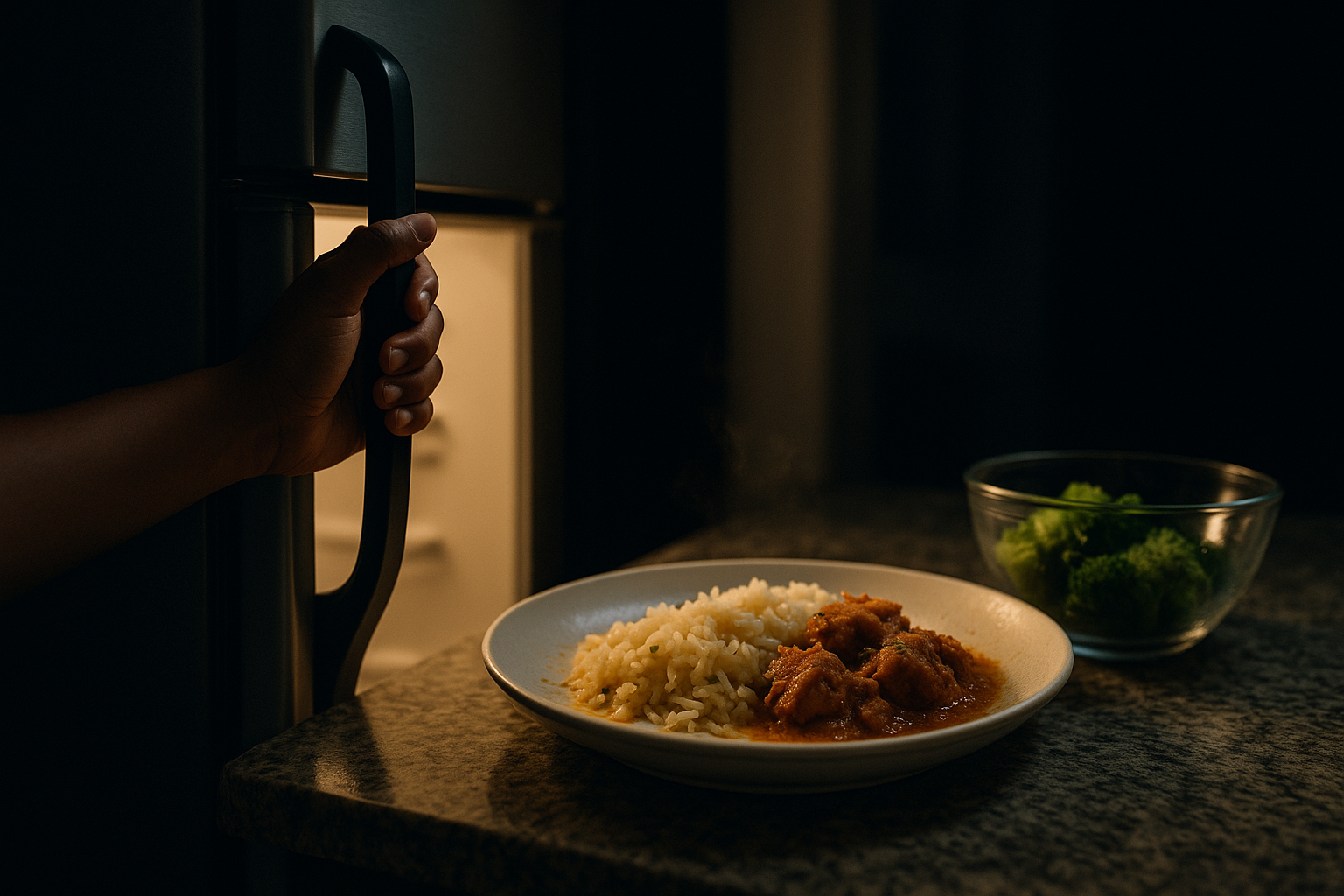
Every monsoon I tell myself I’m prepared. Candles? yes. Charged power bank? mostly. Extra chai patti? obviously. But food safety during those long sticky power cuts... that used to be the bit I just kinda guessed. And honestly, I guessed wrong more than once. If you live in India, you already know the vibe. Rain starts showing off, transformer gives up, fridge goes quiet, and suddenly that leftover rajma, yesterday’s fish curry, half-cut watermelon, and the milk for tomorrow morning are all sitting there like a little bacterial gamble. Not cute.
I’m writing this because I’ve had one proper bad experience after a monsoon outage in Mumbai a few years back. Me and my cousin ate reheated chicken pulao that had spent way too long in a warming-not-cooling fridge. We told ourselves, arre it smells fine. Famous last words. By midnight, both of us were deeply regretting our confidence. Since then I’ve become that annoying person in the family who says, don’t open the fridge, don’t sniff-and-trust, and please label leftovers. I stand by it.
First thing, the fridge rule everybody should know
#The big basic one is this: if the power goes out, keep the refrigerator and freezer doors closed as much as possible. A closed fridge generally keeps food safely cold for about 4 hours. A full freezer can hold temperature for around 48 hours, and a half-full freezer for about 24 hours, if you leave it shut. That’s the benchmark I use. It’s simple and it saves food, and more importantly saves your stomach. Once people keep opening the door every 12 minutes to check if the light is back, you’re basically letting the cold escape for no reason.
If in doubt, throw it out sounds dramatic till you spend the next day hugging a bucket. Then it sounds wise.
What counts as the danger zone, and why monsoon makes it worse
#Bacteria multiply fastest between 5°C and 60°C. That’s the food danger zone, and Indian monsoon weather is annoyingly perfect for it because the air is warm, humid, and everything feels a bit damp and tired. Once perishable food sits above 5°C for too long, risk starts climbing. The rough rule is 2 hours max at room temp for many cooked perishables, and if the room is really hot, like around 32°C or above, think 1 hour. In Indian kitchens during a power cut, especially with no fan and windows sweating, I personally lean stricter, not looser.
And no, reheating doesn’t magically reset bad handling. This myth refuses to die. Proper reheating can kill many bacteria, sure, but some toxins left behind by bacteria are heat-stable. So that dal or chicken gravy that sat unsafe for ages isn’t suddenly redeemed because it got boiled angrily for 6 minutes. I used to think bubbling equals safe. It doesnt always.
My monsoon fridge checklist, messy but useful
#- Don’t open the fridge unless it’s actually necessary. This one matters the most.
- If outage starts, note the time on your phone or on the fridge with a magnet notepad. I forget otherwise.
- Move high-risk foods together on one shelf before monsoon season if your fridge is chaotic like mine.
- Keep a fridge thermometer if you can. This has become weirdly normal in urban kitchens now, especially among meal-prep people in 2026.
- Freeze extra water bottles or ice packs in advance during heavy-rain weeks.
- Don’t taste food to check if it’s okay. Tiny taste, big regret.
Which foods I toss fastest, no negotiation
#Some foods are just not worth the risk after a long outage. Milk, paneer, cream, curd if it has gone warm for too long, cooked chicken, mutton curry, fish, prawns, egg dishes, biryani with meat, cut fruit, cooked rice, leftover noodles, mayo-heavy sandwiches, and opened soft cheeses if you’re that sort of house. Rice especially gets underestimated in Indian homes because we all grew up treating leftover rice like a basic fact of life. But cooked rice can be risky if it’s been improperly cooled or kept warm too long because of Bacillus cereus. Again, reheating doesn’t always save the day.
For me, seafood is the first to go. Every single time. I love bombil fry and prawn curry maybe more than is sensible, but after 4+ hours in a warming fridge during a muggy blackout? Nope. Goodbye. It hurts, yes. Still cheaper than meds.
Foods that are a little more forgiving
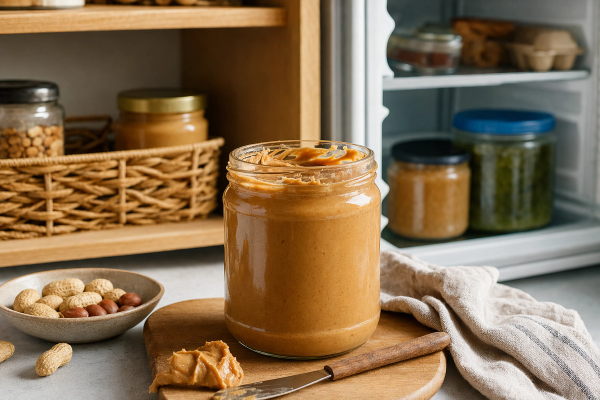
#There are some foods that usually hold up better. Whole fruits, hard cheeses, unopened pickles, jams, bread, most biscuits, whole vegetables, peanut butter, ketchup, chutneys with enough acid or salt, and unopened shelf-stable tetra pack items are less stressful. Butter often survives better than people think, though I still judge by time and temperature. If your fridge was cool for under 4 hours and stayed shut, many items may still be fine. The problem is when people stretch ‘maybe okay’ into ‘definitely okay till tomorrow’ and that’s where chaos begins.
Leftovers: the rules I wish someone drilled into my head earlier
#Here’s my boring grown-up advice that younger me would have ignored. Refrigerate leftovers within 2 hours of cooking, or within 1 hour if your kitchen is roasting hot. Divide large pots of food into shallow containers so they cool faster. Don’t put one giant vessel of sambar or nihari in the fridge and expect the center to cool quickly. It won’t. I learned this after reading way too much about food safety and also after one deeply sus container of chole stayed warm in the middle forever.
Most leftovers, when refrigerated properly at or below 5°C, are best eaten within about 3 to 4 days. That’s my household limit now for cooked food. Some people push to 5 days and act heroic about it. I am not them. For infants, elderly people, pregnant women, or anyone immunocompromised in the family, I’m even more careful. If power has been flaky, I shorten the window, not extend it.
The smell test is overrated, sorry
#I know this is unpopular in desi homes because all of us were raised around some version of, ‘smell it and see’. But dangerous food does not always smell bad, look bad, or taste bad. That’s what makes it tricky. Spoilage and safety are related, but not identical twins. A curry can smell perfectly normal and still be unsafe because bacteria had a little monsoon party while the fridge warmed up. This is why I’ve become mildly insufferable at family lunches. I ask questions. How long was this out? When did the light go? Was the fridge opened? Nobody enjoys me, but everybody remains alive.
What I do during a power cut longer than 4 hours
#- Stop opening the fridge. Seriously, this is half the battle.
- Check if backup power is likely. In some apartment buildings the genset covers common areas, not your kitchen plug points, which is deeply rude.
- Use ice packs, frozen peas, or frozen water bottles in the fridge if available.
- Prioritize eating safer items first if they’re still within the safe window, like yogurt rice only if it stayed cold enough, or already-chilled fruit if power has just gone.
- Discard high-risk perishables if the fridge has been above 5°C for over 2 hours. Painful but smart.
- When power returns, check temperature if you have a thermometer. If not, make conservative decisions, not optimistic ones.
A quick word on freezers, because people get weirdly brave about thawed food
#If frozen food still has ice crystals or is still refrigerator-cold, it can often be refrozen or cooked. But if it fully thawed and sat warm, that’s different. Meat, chicken, fish, kebabs, frozen parathas stuffed with paneer, all that stuff needs proper judgement. During monsoon blackouts, a full freezer does you a favor by staying colder longer, which is one reason I don’t hate a slightly crowded freezer. Not too crowded though, because then I forget what’s in there and discover 2024 peas in 2026. Humbling.
My actual Indian-kitchen cheat sheet for common foods
#| Food item | If outage under 4 hrs, fridge shut | If outage goes longer / temp rises |
|---|---|---|
| Milk | Usually okay if still cold | Discard if warm for over 2 hrs |
| Curd / yogurt | Usually okay if still cold | Discard if clearly warmed for too long |
| Paneer | Use quickly only if kept cold | Discard if warm or slimy |
| Cooked rice | Use only if remained cold | Discard if left in danger zone |
| Dal / sabzi | May be okay if fridge stayed cold | Discard if above 5°C for over 2 hrs |
| Chicken / mutton curry | High risk, be strict | Discard |
| Fish / prawns | Very high risk | Discard fast |
| Cut fruit | Okay only if still chilled | Discard if warm too long |
| Pickle / jam | Usually fine | Usually fine unless contaminated |
| Frozen meat | Okay if still icy | Discard if fully thawed and warm |
2026 food trends are making this convo more relevant, not less
#Something I’ve noticed this year is how many city folks are doing high-protein meal prep, Korean-inspired rice bowls, gut-health fridge jars, overnight oats, cold brew concentrates, and those fancy fermented condiments that need proper temperature control. In 2026, everyone and their flatmate seems to be batch-cooking. Great for busy lives, not so great if you ignore outage safety. Also, more people are ordering premium seafood, artisanal dairy, and ready-to-cook products from quick commerce apps. Amazing convenience, but those foods are often super temp-sensitive. Monsoon plus delayed delivery plus a power cut later? That chain can break pretty easy.
Restaurant-wise too, Indian dining has gotten more cold-chain aware. New openings in big cities are leaning hard into raw bars, sandos, cheesecakes, house-made burrata, fermented butter, and regional charcuterie-ish experiments. I’ve loved seeing places in Mumbai, Bengaluru, and Delhi get bolder with ingredients, but it also means home consumers need to be smarter once those leftovers come back with us. Last month I brought home a gorgeous roast chicken and truffle jus situation from a new bistro opening in Bandra, and I was almost embarrassingly strict about cooling and storage. No regrets, it was excellent the next day because I handled it right.
Stuff that genuinely helps in Indian homes
#A fridge thermometer is the most underrated kitchen buy, period. Not sexy, not Instagrammable, but useful. Insulated cooler boxes help too, especially if your area gets predictable outages. I know some families now keep backup ice gel packs through the whole monsoon season, which sounds extra till the third blackout in one week. If you have inverter support, remember it often doesn’t run heavy appliances like refrigerators unless specifically designed for that load. People assume the fridge is covered and then... surprise, it isn’t.
Also, label leftovers. Date them. I resisted this because it felt too corporate for my tiny kitchen, but wow it works. Blue tape, scribble the date, done. I can’t tell you how many mystery steel dabbas have been prevented from becoming biohazards in my house.
My personal leftover hierarchy, which my friends make fun of
#Day 1 leftovers? joy. Day 2 leftovers? often better, especially rajma, sambhar, kosha mangsho, some dals, lasagna if you made a random continental mood dinner. Day 3? okay, but now I’m paying attention. Day 4? depends, and I’m reheating properly till steaming hot throughout. Beyond that, for most cooked foods, I’m bored and suspicious in equal measure. Weirdly, I’m stricter with expensive food. If I spent good money on duck confit, sushi bake, or that viral tiramisu tub, I somehow become more careful, not less. Maybe because wasting premium leftovers hurts twice.
So what does proper reheating look like?
#Hot all the way through. Steaming, not lukewarm in the center. Stir soups, gravies, khichdi, pasta sauce, all of it. Reheat only the portion you’ll eat. Don’t keep taking the same container in and out and warming it five times. And if you use a microwave, stop trusting hot edges and a cold middle. Mix it. Let it stand a minute. Then check again. This sounds fussy but once you’ve had food poisoning from something stupid, your standards rise very fast lol.
One more thing nobody says enough: monsoon humidity changes how kitchens feel
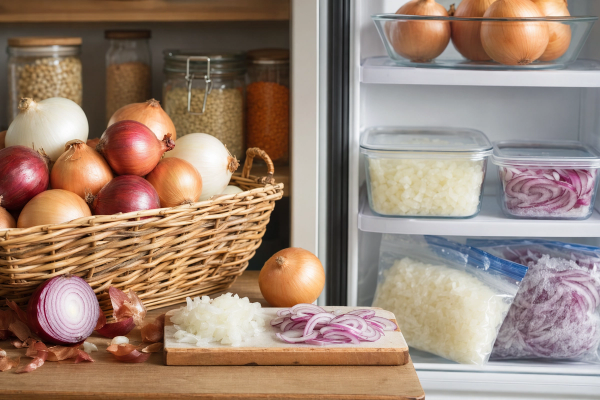
#Dry snacks lose crunch, onions sprout faster, bread moulds in what feels like twelve minutes, masalas clump, and the sink area becomes a whole ecosystem if you let it. So power-cut food safety isn’t only about the fridge. It’s also about keeping cooked food covered, using clean dry spoons, not leaving pressure-cooker leftovers on the counter all afternoon, and not assuming rainy weather equals cool weather. In many Indian cities, monsoon is warm and sticky, not safely chilly. Big difference.
The simplest rules, if you only remember a few
#- Keep fridge and freezer doors closed during an outage
- Fridge: about 4 hours safe if unopened
- Freezer: about 24 hours half-full, 48 hours full if unopened
- Perishable food above 5°C for over 2 hours = usually discard
- In very hot rooms, think 1 hour not 2
- Cool leftovers quickly in shallow containers
- Eat refrigerated leftovers within 3 to 4 days
- Don’t rely on smell, taste, or vibes
Final monsoon kitchen rant, from someone who loves leftovers a lot
#Look, I hate wasting food. I really do. As a food person, it pains me to bin curry, biryani, homemade stock, that last slab of mishti doi, whatever. But food safety is one of those areas where optimism is a terrible strategy. Monsoon power cuts are annoying enough without adding a stomach infection to the plot. So be a little boring. Be the person who notes the outage time, keeps the fridge shut, and tosses the risky stuff. Your future self will be smug and hydrated, which is honestly the dream.
Anyway, that’s my rainy-season kitchen pep talk. If you’re also the sort of person who plans meals around weather, leftovers, cravings, and the occasional dramatic blackout, you’ll probably enjoy browsing more food stories on AllBlogs.in.