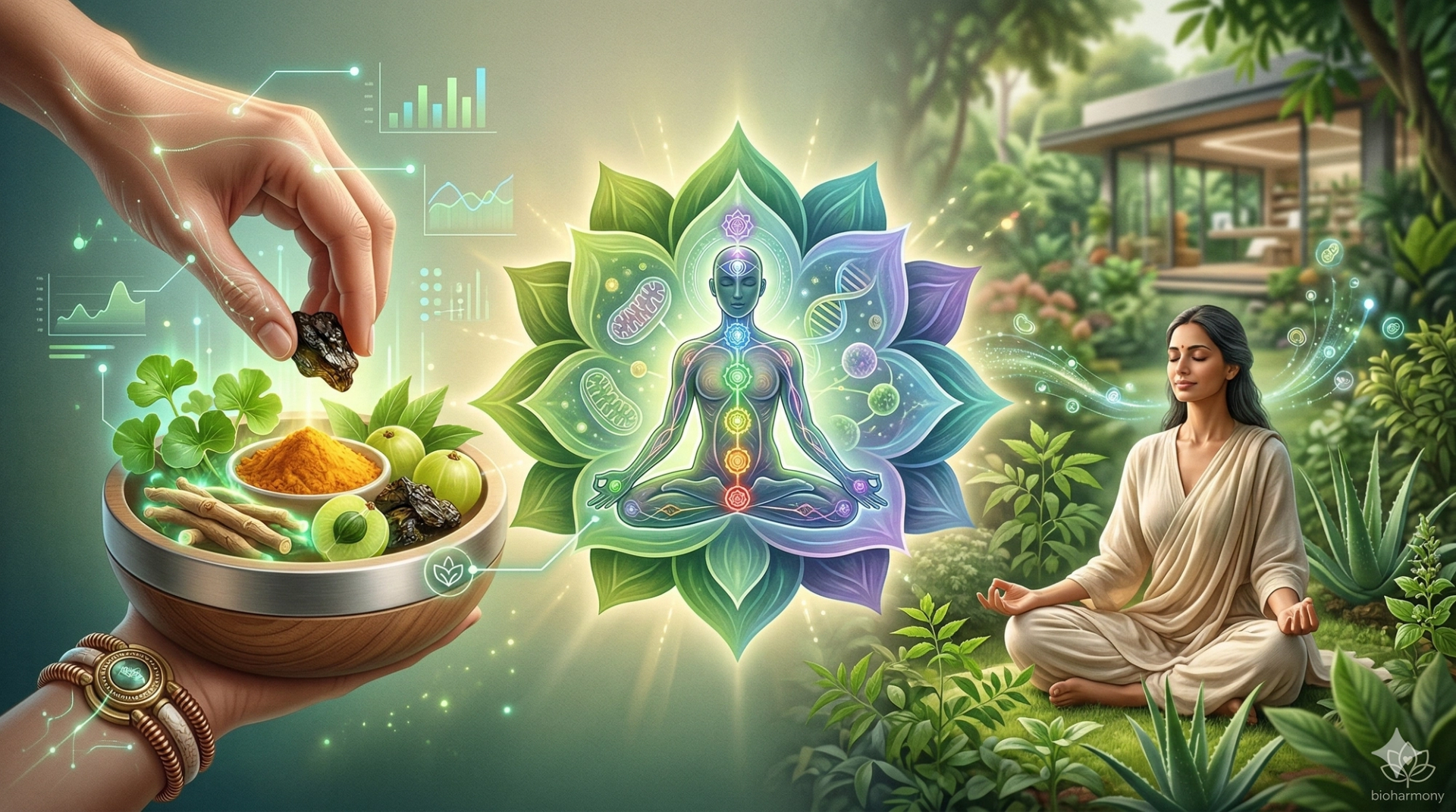
I need to say this upfront because wellness internet gets kinda unhinged real fast... Ayurvedic bio-hacking, at least how I see it in 2026, is not about pretending turmeric is magic or replacing actual medicine with incense and vibes. It's more like using old pattern-based wisdom from Ayurveda, then pairing it with modern data like sleep tracking, glucose response, HRV, labs, maybe even CGMs if your doctor thinks it's appropriate. That's the part people miss. Bioharmony, to me, means your systems stop fighting each other all day. Digestion less dramatic. Sleep more regular. Energy not doing that 3 pm cliff dive. Mood a bit steadier. And longevity? Not just living longer on paper, but actually feeling like your body is on your side. I got interested after a year of feeling "fine" according to basic bloodwork and also not fine at all, if that makes sense.
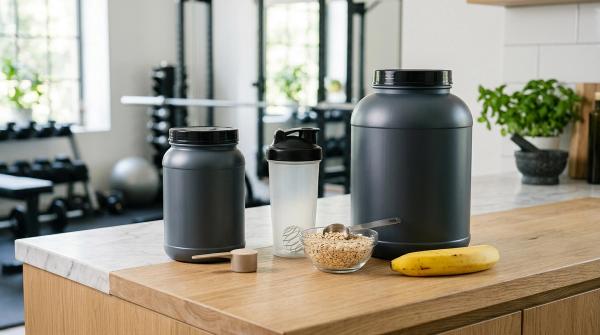
Last winter I was doing everything that wellness culture says is healthy — high protein, cold exposure here and there, supplements lined up like little soldiers on my counter, step goal, strength training. And yet I was bloated half the week, wired at night, hungry in this oddly chaotic way, and waking up tired. So I started reading more seriously about circadian health, stress physiology, gut health, women's metabolic variability, and yes, Ayurveda. The language was different, obviously. Ayurveda talks about rhythms, digestion, constitution, overdoing, underdoing. Modern research talks about inflammation, autonomic balance, glycemic variability, sleep architecture, microbiome interactions. But honestly? Sometimes they were pointing at the same elephant from different sides.
What “Ayurvedic bio-hacking” even means in 2026, because the term is a little cringe but also useful
#The 2026 version of this trend is less about buying expensive powders with gold labels and more about personalized regulation. That's the big shift I keep seeing in wellness circles, clinics, and even mainstream health coverage. People are moving away from one-size-fits-all hacks and toward what actually matches their body patterns. You see it in continuous glucose monitoring becoming more nuanced, not just a toy for healthy people. You see it in the rise of wearable-guided recovery scores, microbiome skepticism getting a little more mature, and more conversations around women not responding the same way to fasting protocols that were originally hyped on men. The phrase "bioharmony" has shown up a lot this year in longevity communities — not always in a scientific way, sure, but the core idea tracks with current research. Better long-term outcomes seem tied to metabolic flexibility, lower chronic stress burden, good sleep regularity, muscle mass, social connection, and lower inflammatory load. Not random suffering in the name of optimization.
- Ayurveda contributes the pattern recognition part — appetite, bowel habits, sleep rhythm, stress reactivity, seasonality, overwork signs
- Modern bio-hacking contributes measurement — wearables, labs, body composition, glucose patterns, blood pressure, sometimes HRV and sleep staging
- Bioharmony is where the data and your lived experience actually agree, which is rarer than wellness influencers make it seem
And yeah, before anyone yells at me through the screen, Ayurveda itself is a traditional system, not a substitute for evidence-based diagnosis or emergency care. If you have chest pain, severe fatigue, blood in stool, weird weight loss, depression, hormone issues, or symptoms that persist, go get evaluated. Please. This whole bio-harmony thing only works when it's built on real medical safety, not denial.
The research stuff in 2026 that made me stop rolling my eyes
#A few wellness trends this year actually seem less fluffy than they first sounded. The strongest one, in my opinion, is circadian consistency. Not perfection, consistency. Research keeps piling up around regular sleep and meal timing being associated with better metabolic health, better insulin sensitivity, lower cardiometabolic risk, and even improved mood regulation. That's not exactly ancient Ayurveda, but the daily routine idea — dinacharya — suddenly feels less quaint and more annoyingly correct. Same thing with early daylight exposure. Same thing with finishing dinner earlier instead of grazing til midnight while "relaxing" with a show and a protein bar you didn't even want.
Another big area in 2026 is ultra-processed food reduction without turning it into moral drama. Current nutrition reporting keeps circling the same point: diets centered on minimally processed foods, fiber diversity, adequate protein, and plant compounds tend to support healthier aging. Also, higher muscle mass and cardiorespiratory fitness still seem like two of the least sexy but most reliable longevity markers around. Which is funny because people will spend hundreds on nootropic adaptogen stacks before they'll commit to walking after dinner and lifting twice a week. Me included at one point, sadly.
What finally clicked for me was this: if a health practice makes your body feel safer, steadier, and less inflamed over time, it's probably more useful than a dramatic hack that wrecks your sleep for a cool social media post.
My version of bioharmony started with digestion, because of course it did
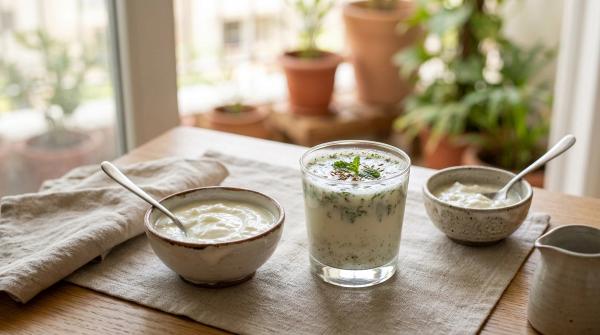
#I hate how predictable this sounds, but digestion really was the doorway. Ayurveda puts a huge emphasis on agni, or digestive fire, and I used to hear that and think okay sure, poetic. Then I tracked my own patterns for a month and got humbled. Every time I skipped breakfast, hammered coffee, ate a giant "healthy" lunch at my desk, and then had a super late dinner, my bloating got worse, my sleep got lighter, and I craved sugar after 9 pm. Every. Single. Time. On weeks where I ate in a calmer way — warmer breakfast, lunch that wasn't rushed, dinner earlier, fewer ice-cold smoothies because apparently my stomach was mad about them — I felt weirdly better. Less puffy, less snacky, less mentally scrambled.
Now, to be medically responsible here, bloating can also be IBS, food intolerances, celiac disease, endometriosis, constipation, medication side effects, all sorts of things. So if digestive symptoms are ongoing, don't just call it an imbalance and move on. But for ordinary stress-related gut chaos, meal timing and nervous system state seem to matter a lot. The gut-brain axis is not a woo phrase anymore. There's legit interest in how stress, sleep disruption, eating speed, and food composition all influence digestion and inflammation. And from an Ayurvedic lens, that lands as: stop throwing confusion at your body all day.
The tiny things that helped me more than the fancy things did
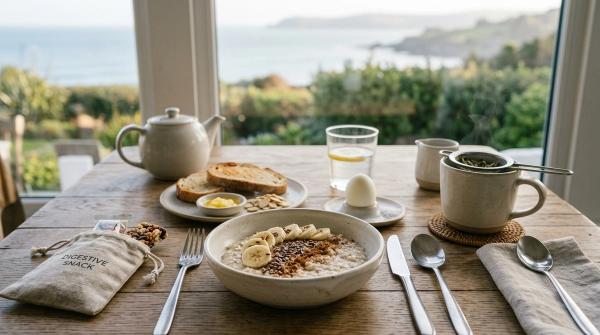
#- Warm breakfast most days. Not huge, just warm. Eggs, oats, stewed fruit, leftovers, whatever worked.
- A 10-minute walk after meals, especially dinner. Boring but weirdly effective for glucose steadiness and digestion.
- Not eating every wellness trend at once. Ferments, fiber goals, protein goals, herbal powders, fasting windows... my gut was like ma'am please calm down.
- Earlier dinner on weekdays. This one annoyed me because it works.
- Actually chewing my food. I know. I know.
Stress, HRV, and the Ayurveda thing nobody sold me on properly
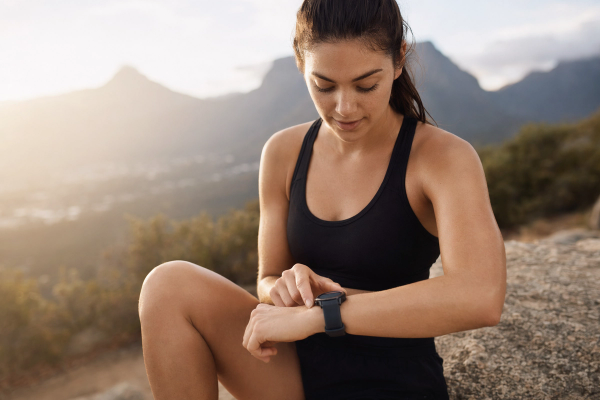
#If there's one part of bio-hacking that Ayurveda weirdly prepared me for, it's nervous system management. In 2026, wearables are still imperfect, but they are pretty decent at showing trends. Mine kept telling me my recovery was bad on days I thought I'd done everything right. Then I noticed the pattern: too much stimulation, too much noise, too many tabs open in my brain, late intense exercise, doomscrolling, social stuff when I was already depleted. Ayurveda would probably frame this as excess movement, dryness, overstimulation, irregularity — basically the classic scattered, depleted state people often compare to vata aggravation. Modern language says elevated sympathetic drive, poor recovery, fragmented sleep, maybe higher allostatic load. Different wording, same mess.
This is why one of the hottest wellness trends in 2026 isn't actually a product, it's "down-regulation". Breathing drills, non-sleep deep rest, yoga nidra, vagal toning, sauna done sanely, evening light control, less caffeine later in the day. Not because they're trendy, but because chronic stress ages people. It affects blood sugar, blood pressure, appetite, sleep quality, and probably whether you're nice to your family at 8 pm. Me and my partner started doing this super unglamorous thing where we dim lights after dinner and put phones in another room for 30 minutes. It felt fake-relaxing at first. Then my sleep latency improved. So, annoyingly, here we are.
Adaptogens, herbs, and all that... where I landed after trying too much stuff
#I have a cautious-soft-spot for herbs. That's the honest answer. Some people talk about Ayurvedic herbs like they're cheat codes for immortality, which, no. But some botanicals do have meaningful early or moderate evidence for stress support, inflammation pathways, or metabolic health. Ashwagandha is still popular in 2026 for stress and sleep support, though not everyone tolerates it and it can interact with thyroid conditions, autoimmune issues, sedatives, and more. Turmeric or curcumin has ongoing interest for inflammation, though absorption and quality matter. Triphala gets talked about a lot for bowel regularity and gut support, but if you have GI conditions, meds, or are pregnant, definitely ask a qualified clinician first.
The biggest mistake I made was assuming "natural" meant casual. It doesn't. Herbs can work, which is exactly why they can also cause side effects or interact with meds. Current wellness is finally, finally getting a bit more serious about supplement quality too. Third-party testing matters. Heavy metal contamination matters. Dosing matters. Also half the time, what people really need isn't another capsule, it's sleep, enough calories, iron checked, vitamin D checked, and less self-punishment disguised as discipline.
- Good questions before trying an herb: what is it for, what evidence exists, what dose was studied, how long is it used, and does it interact with my meds or conditions?
- Red flags: proprietary blends with mystery doses, miracle language, fertility/pregnancy use without medical guidance, and anyone telling you to ignore symptoms that need real care
Longevity without becoming insufferable about it
#Let's talk longevity, because this is where wellness can get real creepy. I don't want to optimize myself into a joyless spreadsheet. At the same time, I do care about healthy aging a lot more now than I did in my twenties. The 2026 longevity conversation has gotten a little less obsessed with moonshot molecules and a little more grounded in the basics that keep showing up in actual outcome data: resistance training, aerobic fitness, blood sugar control, blood pressure, sleep quality, social ties, oral health, not smoking, low alcohol, enough protein, enough fiber, and preserving function as you age. Boring? Kinda. Powerful? Yeah.
What Ayurveda adds, at least in my opinion, is the quality-of-life lens. Are you digesting well. Are you calm enough to heal. Are your routines stable enough that your body trusts what's coming next. Are you living in a way that creates less internal friction. That matters. There are also more 2026 conversations about inflammaging — that low-grade chronic inflammation linked with aging and disease risk. And while Ayurveda doesn't use that term, its emphasis on reducing chronic excess, supporting digestion, improving sleep, and aligning with season and routine weirdly fits the modern prevention picture better than I expected.
The not-very-sexy longevity framework I keep coming back to
#Most weeks I try to think in buckets, not perfection. Strength. Zone 2-ish cardio. Protein. Fiber. Plants. Sleep regularity. Stress downshifting. Community. Some sunlight. Some joy. Then I layer Ayurvedic stuff in a way that feels normal, not theatrical: warming foods when I'm depleted, less chaotic eating, seasonal adjustments, digestive spices because I enjoy them, and trying not to live like a raccoon after 10 pm. That's basically it. It sounds too simple to count as bio-hacking, which maybe is why it works better than the dramatic stuff did.
A few contradictions I still haven't fully sorted out
#I should be honest here because real life health journeys are messy. I don't agree with every Ayurvedic claim, and I don't think everyone needs to know their dosha like it's their Hogwarts house. Also some bio-hacking culture is just consumerism wearing a lab coat, sorry. But I also think modern medicine can be hilariously bad at helping people with subclinical, stress-related, lifestyle-pattern issues before they become big obvious disease. Both things are true. Sometimes old frameworks help you notice patterns sooner. Sometimes they overreach. Sometimes wearables help. Sometimes they make people neurotic. I have done both, lol.
There was a month where I got too attached to readiness scores and started distrusting my own body. If the watch said recovery was low, I'd feel low. That's backwards. Data should support awareness, not replace it. Same with Ayurveda. If a framework makes you more embodied and observant, great. If it makes you obsessive and afraid of food combinations or seasons or the exact wrong herbal tea at 4:17 pm, maybe take a breath.
If you want to try Ayurvedic bio-hacking in a sane, 2026 way
#Start small. Like embarrassingly small. Pick one body system that's clearly asking for help — digestion, sleep, stress, energy, recovery. Then combine one modern metric with one old-school regulating habit. Example: poor sleep plus erratic bedtime? Track sleep duration and set a consistent lights-dimmed routine. Bloating plus late-night snacking? Note meal timing and try earlier, calmer dinners for 10 days. Afternoon crashes plus glucose chaos? Work with a clinician if needed, then try post-meal walking, more protein and fiber at lunch, and less random grazing. This is way less exciting than a longevity IV drip, but uh... it's probably more useful for most people.
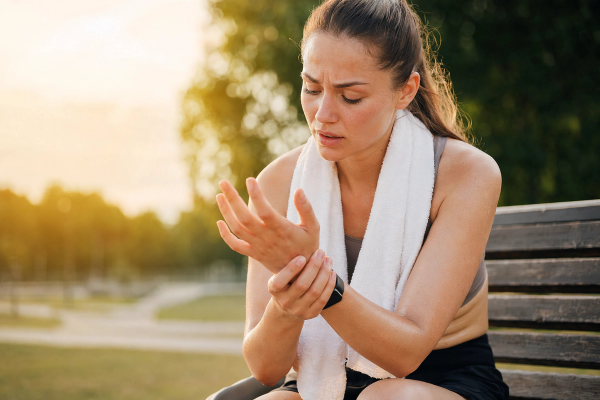
And please, don't use this stuff to mask real symptoms. New fatigue, severe anxiety, depression, hormone disruption, major GI symptoms, high blood pressure, chest pain, dramatic weight changes, missed periods, fainting, stuff like that needs proper medical attention. Ayurveda can be complementary. It should not be your excuse to avoid getting checked out. I feel strongly about this because I know people, myself included, who've tried to "balance" their way through issues that needed labs and actual treatment. Not smart. Would not recomend.
The best bio-hack I've found in 2026 is kind of embarrasingly human: eat with some rhythm, train without destroying yourself, sleep like it matters, calm your nervous system, and stop expecting your body to thrive under constant mixed signals.
Where I landed, for now anyway
#So yeah, Ayurvedic Bio-Hacking 2026, Bioharmony & Longevity... I think the useful part is not the branding. It's the reminder that health isn't just chemistry, or just mindset, or just ancient wisdom, or just gadgets. It's the conversation between all of them. The body likes rhythm more than heroics. It likes enoughness more than extremes. Mine certainly does. I'm still experimenting, still changing my mind, still having weeks where I stay up too late and eat dinner standing at the counter like a gremlin. But compared to a year ago, I feel more steady. Less inflamed. More aware of what creates friction and what creates ease. That feels like a pretty good definition of bioharmony to me, even if the word sounds a little made-up.
If you're curious, start gently, stay skeptical in a healthy way, and let your body be part of the evidence. And if you like this kind of health rambling that's half research, half real life, you can find more stuff like it over on AllBlogs.in.