I started taking heat safety seriously after one very stupid Tuesday in Delhi NCR, when I thought I could do my normal office commute with just half a bottle of water and a brave face. You know that feeling when the metro station stairs feel like they’re breathing hot air at you? By the time I reached office, my shirt was stuck to my back, my head was pounding, and I was pretending in a meeting that I was totally fine while actually wondering if I might faint near the projector. Not dramatic. Just really uncomfortable. Since then, I’ve become that annoying person who checks the temperature, carries ORS, and tells friends to not skip breakfast before travelling in May. This is not medical advice and I’m not a doctor, obviously, but I’ve read a lot, spoken to doctors, and learnt from my own bad commute choices. India’s office commute heat is not just “summer hai yaar”. It can become a real health risk, especially with longer heatwaves, concrete-heavy cities, traffic jams, packed buses, and sudden AC-to-outdoor temperature changes.
Why the Indian Office Commute Hits Different in Peak Heat
#Office commute heat in India is a weird mix of everything bad arriving together. The sun is harsh, roads radiate heat, public transport can be crowded, and even if you’re in a cab or car, traffic turns the whole thing into a slow-cooker situation. Cities like Delhi, Jaipur, Ahmedabad, Nagpur, Hyderabad, Chennai, Kolkata, Pune, Bengaluru on some days too, all have their own heat personality. Dry heat, humid heat, coastal sweat-box heat, pre-monsoon sticky heat. And honestly, humidity is the one people underestimate. When humidity is high, sweat doesn’t evaporate properly, so your body’s natural cooling system basically gets lazy. That’s when the heat index matters more than the temperature on your phone. A 36°C day can feel brutal if humidity is high, and a 42°C dry day can still dehydrate you before you realise it. IMD heat alerts, NDMA heatwave advisories, local Heat Action Plans, and even company HR messages are not just formality anymore. By 2026, more workplaces are finally talking about flexible timing, hybrid work during heat alerts, wellness apps, wearable temperature alerts, hydration stations and all that. Good trend, in my opinion. Late, but good.
The Quick Morning Heat Check I Do Before Leaving
#Earlier I used to check only whether it might rain. Now I check heat like people check stock prices. First, I look at the IMD forecast or a reliable weather app, but I don’t stop at the temperature. I check the “feels like” temperature, humidity, UV index, and if there’s any yellow, orange, or red heat alert. If the alert is orange or red, I try to leave earlier, change my route, or ask if I can work from home for the first half. Some offices are understanding now, some still behave like human bodies are made of steel. But if you have any medical condition, pregnancy, elderly parents commuting, or you’re on medicines that affect sweating or hydration, you really should take heat alerts seriously. Also, I learnt this the hard way: night temperature matters. If the night didn’t cool down, your body starts the day already stressed. Those hot nights where the fan is just rotating warm air? Next morning commute feels ten times worse.
My Office Commute Heat Safety Checklist, The Actual Practical One
#- Carry water before you feel thirsty. I aim for 500 ml to 1 litre depending on commute length, but I sip slowly. Chugging a huge bottle right before boarding metro is, uh, not always wise.
- Keep ORS, electrolyte sachet, or a homemade backup like lemon water with a pinch of salt and sugar. If you have high BP, kidney disease, heart disease, or fluid restriction, check with your doctor before using salty drinks regularly.
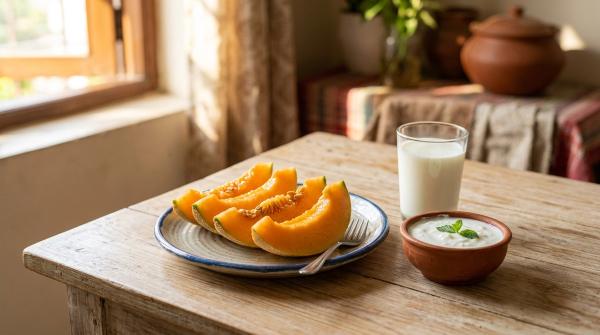
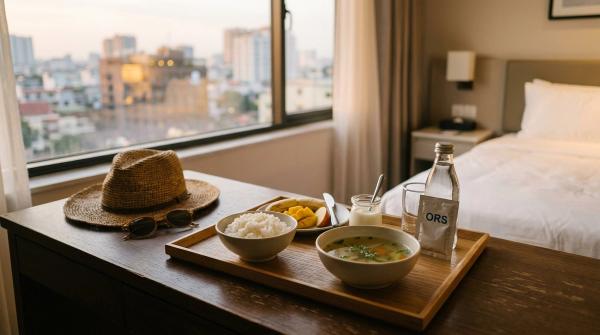
- Eat something light before leaving. Banana, curd rice, poha, idli, roti with curd, fruit, anything simple. Empty stomach plus heat plus crowded bus is a terrible combo, trust me.
- Wear breathable clothes. Cotton, linen blends, loose fits. Dark tight synthetic shirts look smart till you’re melting inside them. If office dress code is strict, carry the formal layer and wear it after reaching.
- Use sunscreen, sunglasses, cap or umbrella if you walk even 10 minutes. I know people feel awkward with umbrellas in sun, but honestly who cares. Skin damage and heat stress don’t care about style.
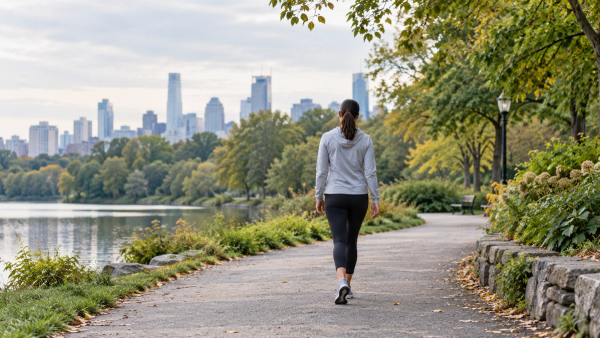
- Plan shade breaks. Don’t walk the entire distance in one heroic stretch. Stop at a shop, metro concourse, bank ATM area, tree shade, wherever safe.
- Save emergency contacts and know symptoms of heat illness. Heat exhaustion can become heat stroke, and heat stroke is a medical emergency. No jugaad there.
Hydration: Not Just Water, Not Just Coconut Water, Not Just Vibes
#Hydration is where I see people get very extreme. One friend drinks only coconut water and thinks he is now immune to Indian summer. Another drinks 4 litres of plain water by lunch and then complains of headache and weird weakness. The middle path is boring but works. For most healthy adults, regular water plus food is enough for normal commuting, but if you sweat heavily or your commute is long, electrolytes can help. ORS is designed for dehydration, especially from diarrhea or severe fluid loss, so don’t treat it like casual juice all day. Too much salt or sugar is also not great, especially if you have diabetes, hypertension, kidney problems, or heart issues. I personally carry plain water and one ORS sachet as emergency. Some days I use nimbu pani with a pinch of salt. Sattu drink is also underrated, very Bihar-UP energy and actually filling. But please keep hygiene in mind. Roadside drinks with questionable ice can give you stomach infection, and then dehydration becomes a whole new problem. Been there once. Never again.
Food Before Commute: Small Thing, Big Difference
#I used to skip breakfast because I was always late. Then I’d get cranky, sweaty, slightly dizzy, and convince myself it was “just Monday”. Now I eat something. Not a huge oily paratha meal right before a hot bus ride, because that makes me sluggish, but something easy. Curd is brilliant if it suits you. Fruit is fine. Idli, upma, poha, dalia, toast with peanut butter, even leftover rice with curd if you’re that person, and I am sometimes. Avoid too much alcohol the night before a major heatwave commute, because dehydration says hello next morning. Also, too much caffeine before travelling can make some people feel jittery and pee more, though coffee isn’t automatically evil. I still drink my chai. I’m not becoming a saint.
Clothing, Bags, Shoes: Boring Details That Save Your Mood
#Heat safety isn’t only what you drink. It’s also what you wear and carry. A heavy black backpack on a hot day is basically a portable oven attached to your spine. I switched to a lighter bag and it honestly made my commute less miserable. Shoes matter too. Tight formal shoes with synthetic socks can cause blisters, sweating, fungal issues, and that awful damp feeling the whole day. If your office allows, commute in comfortable shoes and change later. For women wearing sarees, dupattas, hijabs, or formal layers, breathable fabric and lighter colours can make a real difference. For men, please stop wearing thick undershirts under thick shirts in 44°C unless absolutely needed. Also, sunscreen is not only for beach vacations. Indian UV can be intense even when the sky looks hazy. Use SPF 30 or higher, broad-spectrum, and reapply if you sweat a lot. I forget sometimes, then my neck reminds me.
Public Transport Heat Hacks That Actually Work
#Metro is usually better than bus in extreme heat, but getting to and from the station can be rough. I try to stand away from packed entry gates where everyone is radiating body heat like mini furnaces. If you’re in local trains, buses, shared autos, or e-rickshaws, choose ventilation over speed when possible. A slightly longer route with shade or AC can be safer than a shorter one that includes 20 minutes walking under direct sun. In buses, avoid sitting right above hot engine areas if you can. In autos, use a scarf or mask if hot dusty wind irritates your throat, but don’t cover your face so tightly that breathing feels harder. And please, if you feel dizzy, say something. I know it’s embarrassing. I’ve done the silent suffering thing. Bad idea. Ask for a seat, get off at the next stop, drink water, call someone. Most people are kinder than we assume, especially when someone looks unwell.
If You Drive or Take Cab: AC Doesn’t Make You Invincible
#Cars feel safer, but heat risk still exists. Parked cars become dangerously hot very fast, so never leave children, elderly people, pets, or even groceries with medicines inside. Not for “two minutes”. It’s never two minutes in India, the shopkeeper will not find change, someone will call, and meanwhile the car is heating like crazy. If you drive, keep water in the car but don’t rely on plastic bottles left in high heat for days. Start ventilation before blasting AC, especially if the car was parked in sun. Also, sudden transitions from strong AC to 43°C outside can make some people feel lightheaded. I usually lower AC a bit before getting out, not always, but it helps. For two-wheeler commuters, heat is more direct. Helmet is non-negotiable, but choose ISI-marked helmets with ventilation, wear breathable full sleeves for sun protection, and take breaks. A wet cloth around the neck for short periods can help, but don’t ride distracted adjusting it every 5 seconds.
Heat Exhaustion vs Heat Stroke: Please Know the Difference
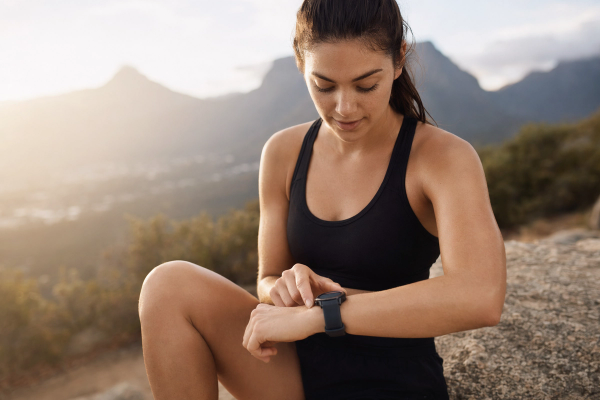
#This is the serious part. Heat exhaustion can include heavy sweating, weakness, dizziness, headache, nausea, muscle cramps, fast pulse, clammy skin, and feeling like you just can’t continue. You need to move to a cooler place, loosen clothing, sip water or ORS, cool the body with wet cloths or fan, and rest. Heat stroke is more dangerous and needs urgent medical help. Warning signs include confusion, fainting, seizures, very high body temperature, hot dry skin or sometimes sweating may still be present, repeated vomiting, or someone becoming disoriented and not acting normal. Call emergency services, move the person to shade or AC, cool them rapidly with water, ice packs at neck/armpits/groin if available, and don’t force fluids if they’re unconscious or confused. I’m saying this bluntly because people still think sprinkling some water and giving lime soda fixes everything. It doesn’t always. Heat stroke can damage brain, kidneys, heart and can be fatal.
Who Needs Extra Caution During Indian Heatwaves
#Some people are more vulnerable, and it’s not about being weak. Older adults, young children, pregnant people, people with diabetes, hypertension, kidney disease, heart disease, thyroid issues, obesity, fever, diarrhea, or those recovering from illness need extra care. Certain medicines can increase heat risk too, like diuretics, some blood pressure medicines, antihistamines, antidepressants, antipsychotics, stimulants, and medicines that reduce sweating or alter fluid balance. Don’t stop medicines on your own, obviously. Just ask your doctor what to watch for during heatwaves. If you have diabetes, heat can affect insulin storage and blood sugar control. If you have kidney stones or past kidney issues, dehydration is a bigger deal. If you’re pregnant and commuting far in peak heat, please talk to your doctor and your workplace about timings. This is not being fussy. It’s basic health safety.
The 2026 Wellness Trend I Actually Like: Heat-Aware Workplaces
#A lot of wellness trends are just expensive bottles and apps telling us to breathe. But heat-aware workplaces? I’m fully onboard. More companies in India are starting to treat heat as an occupational health issue, not just weather. Flexible start times, work-from-home during red alerts, hydration corners, shaded shuttle pick-up points, first-aid training, heat illness posters, lighter dress codes, and app-based alerts are becoming more common. Wearables that track heart rate, skin temperature, hydration reminders, and heat strain are also getting popular, especially among field staff and factory workers. For office commuters, even simple HR messages saying “avoid travel between 12 and 3 if possible” can help. Of course, many workers don’t have the luxury of remote work: security staff, delivery workers, nurses, construction workers, cleaners, retail staff. So whenever we talk office wellness, we should not forget the people who make our office day possible. Give them water, shade, rest breaks. Not as charity. As decency.
My Personal Commute Heat Kit, Slightly Overprepared But I Don’t Care
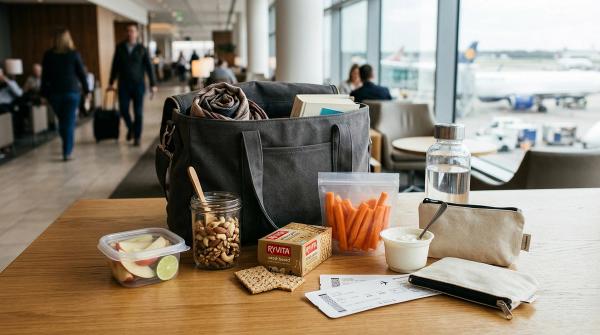
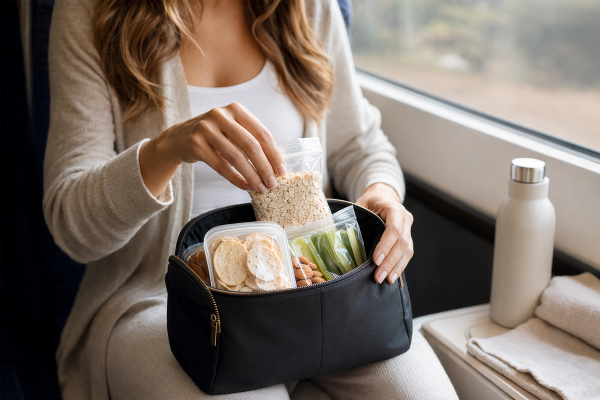
#My bag in summer looks like I’m preparing for a small expedition. Water bottle, ORS sachet, small packet of glucose biscuits, sunscreen, sunglasses, mini towel, handkerchief, a tiny bottle of hand sanitizer, and sometimes a cap that makes me look like a school sports teacher. I also keep a small pack of wet wipes, though I’m trying not to overuse disposable stuff. On bad heatwave days, I freeze half a bottle of water overnight and fill the rest in morning, so it stays cold longer. One colleague carries a cooling towel and swears by it. Another keeps a spray bottle for face mist, which felt fancy until I tried it and loved it. I also save my office security desk number because if I ever feel faint near the building, I don’t want to scroll through 80 WhatsApp chats searching for help.
A Simple Before-You-Leave Checklist
#- Check IMD or reliable weather app for heat alert, feels-like temperature, humidity and UV index.
- Drink water before leaving, but don’t overdo it. Carry enough for the route.
- Eat a light breakfast or snack. Don’t start a brutal commute on empty.
- Wear breathable clothes, comfortable shoes, sunscreen, sunglasses or cap if needed.
- Choose the cooler route, not always the shortest route. Shade matters.
- Tell someone if you’re feeling unwell. Don’t do that heroic silent thing.
- Keep ORS or electrolytes for emergencies, especially if your commute is long or sweaty.
- Avoid peak sun travel when possible, especially during orange/red alerts or if you’re high-risk.
What To Do If You Start Feeling Weird Mid-Commute
#First, don’t ignore it. Heat symptoms can sneak up. If you feel dizzy, nauseous, unusually tired, headachy, crampy, or your heart is racing, get out of direct sun and stop walking. Find shade, metro station, shop, clinic, office lobby, anywhere cooler. Loosen tight clothing. Sip water slowly. If you have ORS, use it as directed, not two sachets in one tiny bottle because “stronger is better”. It is not. Put a wet cloth on neck or face. Call someone. If symptoms don’t improve, or if there is confusion, fainting, severe vomiting, seizure, or very high body temperature, seek emergency medical care. I know Indian commute culture teaches us to push through discomfort. But heat illness is one place where pushing through can be genuinely dangerous.
Common Mistakes I Still See Every Summer
#People leave home late and then run in the sun to catch metro. People wear black formal blazers at 2 pm because office image. People drink only tea all morning and call it hydration. People ignore urine colour, which by the way, very dark urine can be a dehydration sign, though vitamins and foods can change it too. People take painkillers casually for heat headache instead of cooling down and hydrating, which can be risky for kidneys if dehydration is involved. People keep insulin, inhalers, or other medicines in hot cars or bags exposed to sun. People assume AC office means they’re safe, but the commute back at 6 pm can still be brutal because roads have stored heat all day. I’ve done several of these, so I’m not judging. Okay maybe judging a little, but with love.
Mental Health and Heat: Nobody Talks Enough About This
#Heat makes me irritable. Like, irrationally irritated at slow walkers, traffic lights, my own shoelace, everything. And there’s some real reason behind it. Poor sleep during hot nights, dehydration, physical discomfort, and long commutes can raise stress. People with anxiety may feel worse when heat causes racing heart or breathlessness, because it can mimic panic symptoms. Crowded public transport in high heat can feel suffocating. So yes, heat safety is also mental wellness. I try to leave earlier so I’m not rushing, listen to calmer music, and avoid doom-scrolling heatwave news while already sweating. Some days, the best wellness hack is simply not arguing with anyone before 10 am.
For Managers and HR: Please Don’t Make Heat Safety a Poster Only
#If you manage people, this part is for you. Heat safety should not be one PDF forwarded in the office WhatsApp group. Let people adjust commute timing during severe heat. Don’t schedule compulsory in-person meetings at noon during red alerts if work can be done online. Keep drinking water accessible. Allow breathable summer clothing. Train reception and security staff to recognise heat illness. Check if shuttle stops have shade. Think about employees who travel two hours each way, not just people who live 10 minutes from office. And please don’t reward the culture of “I came despite heatwave, see my dedication”. Dedication is nice. Heat stroke is not.
My rule now is simple: if the weather is extreme enough for the city to issue alerts, it is extreme enough for me to change my commute plan. Health first, attendance sheet later.
Final Thoughts: Be a Little Less Brave, a Little More Prepared
#Office commute heat safety in India is not about being scared of summer. We’ve all grown up with heat in some form. But summers are getting more intense, cities are hotter, commutes are longer, and our bodies have limits even when our calendars don’t. The essential checklist is honestly simple: check alerts, hydrate smartly, eat light, dress for heat, avoid peak sun when you can, know warning signs, and ask for help early. Small boring habits can prevent a really bad day. I still mess up sometimes. I still forget sunscreen, still leave late, still buy roadside nimbu pani when I know my stomach is sensitive. But I’m better than I was that Tuesday when I nearly fainted before a meeting and called it professionalism. Take care of yourself on the way to work and back. And if you like reading practical wellness stuff without too much fancy jargon, I’ve found AllBlogs.in worth browsing with a cup of chai, preferably not while standing in the afternoon sun.