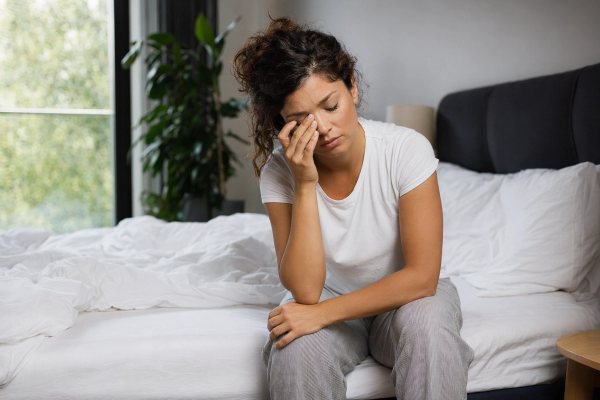
I used to think a recovery day meant one of two things: either be a total couch goblin and do basically nothing, or force myself into a “light workout” that was... not light at all. There was no in-between in my head. And, um, that mindset got me annoyingly sore, weirdly tired, and kinda resentful of fitness for a while. So if you’ve ever woken up after a hard training day and thought, wait, am I supposed to rest, go for a walk, or still lift but just lighter? yeah, same.
What I’ve learned, both from messing it up personally and from keeping up with current sports medicine and wellness guidance, is that recovery days aren’t lazy days. They’re adaptation days. That’s when your body actually does a lot of the rebuilding work from training. Muscle protein synthesis, nervous system recovery, refilling glycogen, connective tissue repair, inflammation settling down a bit, all that stuff. The workout is the signal. Recovery is where a lot of the payoff happens. Which sounds obvious now, but I swear I did not act like I knew that.
First, what a recovery day is actually for
#A proper recovery day is meant to reduce accumulated fatigue without totally shutting your body down unless you really need full rest. That’s the nuance people skip. Sports medicine folks have been saying this for years, but it’s become even more common in current 2026 coaching and wellness circles to talk about “recovery matching” instead of one-size-fits-all rest. Meaning the right recovery choice depends on what kind of stress you’re carrying. Muscle soreness is one thing. Joint pain is another. Poor sleep, elevated stress, low motivation, heavy legs, a high resting heart rate, those tell a different story.
I remember one week last year where I had two hard strength sessions, one terrible night of sleep, a long work day, and then I still told myself I should go lift light because that’s what disciplined people do. Reader, that “light” session felt like moving furniture underwater. My form was off, my shoulders felt crunchy, and I left feeling worse. Next day I just walked for 35 minutes, ate an actual lunch instead of random protein bars, went to bed early, and suddenly I felt human again. Not magic. Just recovery finally doing it’s job.
So... should you rest, walk, or lift light? My messy but useful rule of thumb
#This is the simple version I wish someone had handed me sooner. If you feel generally tired but not beat up, a walk is usually great. If you feel pretty good and just want blood flow plus practice, a truly light lifting session can work. If you feel run-down, sick-ish, unusually achey, or your joints are barking at you, plain rest is probably the move. Not glamorous, but probably smart.
- Choose full rest when fatigue feels systemic. Like bad sleep, elevated stress, irritability, getting sick, heavy whole-body exhaustion, or sharp pain anywhere.
- Choose walking or other gentle movement when you’re sore-stiff but otherwise okay. Think easy pace, able to breathe through your nose, can hold a full conversation without huffing.
- Choose light lifting only when your energy is decent, your technique feels stable, and you can keep the effort low on purpose. That part matters more than people admit.
A recovery day should leave you feeling better at the end than at the start. If it drains you, it probably wasn’t recovery.
What current health research and 2026 wellness trends are saying
#A lot of newer coaching and recovery content in 2026 is less obsessed with crushing every session and more focused on readiness, sleep quality, heart-rate trends, and sustainable training load. Wearables are a huge part of that now, obviously. Smart watches and rings keep giving people readiness scores, HRV estimates, sleep staging, overnight resting heart rate, and all the little graphs that make us stare at our wrists like tiny sports scientists. I actually like some of that data, with one big caveat: it’s useful for trends, not commandments. If your wearable says you’re “ready” but your body feels like wet cement, trust your body first.
That lines up with current expert advice too. Wearables can help spot patterns in recovery, especially around sleep debt and training load, but they’re not diagnostic tools and they can be off. Same with muscle soreness. DOMS, that delayed-onset muscle soreness that usually peaks around 24 to 72 hours after a hard or novel workout, isn’t a perfect marker of muscle growth or training quality. Sometimes you’ll be sore and fine. Sometimes you won’t be sore but still be under-recovered. Slightly annoying, I know.
Another 2026 trend I’m seeing everywhere is zone 2 cardio on recovery or easy days. And honestly, I think some of the hype is deserved, some not. Easy aerobic work, like a relaxed walk, incline treadmill stroll, easy bike ride, can support circulation, improve aerobic base, and help you feel looser without hammering recovery. But people heard “easy cardio” and somehow translated it to “secretly hard 50-minute sweatfest.” Nope. If you can’t speak in complete sentences, it’s probly not recovery anymore.
When full rest is the right call, even if your brain hates it
#I am not naturally good at rest. There, I said it. I always want to earn my day somehow. But there are times when complete rest is not only okay, it’s the best option. If you have sharp or worsening pain, signs of illness, dizziness, chest symptoms, a suspected injury, major sleep deprivation, or real burnout, adding movement because you feel guilty is just kind of self-sabotage with a wellness label on it.
Medical guidance is also pretty clear on a couple things here. If pain is severe, localized, or changes your movement pattern, that’s not ordinary soreness and should be assessed by a clinician. If you’ve got fever, body aches from illness, trouble breathing, or anything cardiac-feeling, skip the workout and get proper medical advice. Also, for people with chronic conditions, recent surgery, pregnancy, postpartum recovery, or active rehab plans, recovery day choices should really be discussed with your healthcare team because your version of “light” may be different from mine or your gym friend’s.
Why walking works so weirdly well
#Walking is probably the most under-rated recovery tool because it’s too boring to market. No one wants to hear that one of the best things you can do on an off day might be a 20 to 45 minute easy walk, maybe outside, maybe after lunch, maybe without trying to optimize every second of it. But it works. It gets you moving without much mechanical stress, supports circulation, can reduce stiffness, often helps mood, and for a lot of people it’s easier to recover from mentally too.
There’s also the mental side, which I think wellness people sometimes talk around instead of saying plainly. Walking calms me down. It interrupts the weird “I’m not doing enough” spiral. There’s decent evidence that regular walking supports cardiovascular health, blood sugar management, sleep quality, and mental wellbeing, and recent public health messaging has leaned harder into total movement minutes and consistency over perfection. Translation: your easy walk still counts. It’s not fake exercise. It’s not a consolation prize.
Okay but what about lifting light? Yes... but most people mess up the “light” part
#I say this with love because I was absolutely one of these people. A light lifting day should not just be your normal workout with slightly less emotional intensity. It should be genuinely easier on your muscles, joints, and nervous system. Current strength coaching recommendations usually put recovery lifting somewhere around low to moderate volume and lower intensity, often well shy of failure. Think technique work, controlled tempo, mobility between sets, a few compound movements with reduced load, or even machines if they feel smoother that day.
One practical guide that’s helped me is using RPE, rate of perceived exertion. On a true recovery lift day, I try to stay around an RPE 5 or 6, maybe 7 max if I’m feeling very normal and the movement is stable. That means I’m finishing sets knowing I had plenty left, not grinding reps with a dramatic face like I’m in a highlight reel. Volume matters too. If you do your usual number of exercises and sets but just shave a little weight off, that can still be too much.
- Good light-day signs: bar speed feels snappy, joints feel okay, technique improves, mood lifts, you leave wanting more not less
- Bad light-day signs: form gets sloppy, you chase a pump, you creep toward failure, you finish smoked and need a nap immediately
The stuff nobody wants to hear: recovery is more than the workout choice
#This is where I used to be really selective with my listening. I wanted the perfect answer about rest vs walk vs lift light, while also sleeping six-ish hours, eating like a raccoon after 9 pm, and living on caffeine. And then wondering why my legs felt dead. Recovery is not just one decision. It’s the whole enviroment around the training.
Sleep is still the big one. Most adults need around 7 to 9 hours, and athletes or people training hard often do better toward the higher end. Poor sleep is linked with worse performance, slower reaction time, higher perceived effort, and rougher recovery. Nutrition matters too. Getting enough total calories, enough protein across the day, carbs to refill fuel stores if you train regularly, and fluids plus electrolytes when needed, these are not flashy but they matter a ton. Current sports nutrition guidance still generally supports spreading protein across meals, and after hard sessions many active people do well with a mix of protein and carbs within a few hours, not because there’s some magical 17-minute window, but because it helps.
And stress. Ugh. Psychological stress counts as stress. Work deadlines, family stuff, doomscrolling till midnight, all of it can change how recovered you actually are. That’s one reason 2026 wellness has leaned so heavily into “nervous system regulation” content. Some of it is overhyped, sure, but the basic point is valid. Breathing work, downshifting, daylight exposure, easier evenings, less stimulation before bed, these can support recovery in pretty normal non-mystical ways.
A simple decision check I use now
#- How did I sleep, really? Not the polite answer. If sleep was awful, I downgrade the day.
- What kind of soreness is it? Normal muscle soreness is usually broad and dull-ish. Sharp, pinchy, or one-sided joint pain is a red flag.
- How’s my mood and motivation? If I dread moving and feel wired-tired, I usually walk or rest.
- What does my warm-up tell me? Sometimes five to ten minutes of easy movement answers everything.
- Will this session help me recover or just help me feel productive? Those are not always the same thing, lol.
My personal sweet spot, for whatever it’s worth
#These days, most of my recovery days end up being walks. Not because walking is superior in every case, but because it threads the needle for me. If I’m mildly sore from lower body training, a walk loosens me up. If I’m mentally fried, it gets me out of my own head. If I’m tempted to “just do a quick lift,” walking keeps me from turning recovery day into sneakily another training day. Once in a while I do a light upper-body technique session or some easy kettlebell work, but I have to be honest with myself first. Am I doing this because my body wants it, or because my ego does? The answer is not always flattering.
And every now and then, the best recovery day is truly nothing structured. Stretch a little while the kettle boils. Put your phone down earlier. Eat dinner like a normal person. Go to bed. I know that sounds too simple, maybe even dumb, but some of my best next-day workouts have come after the least exciting recovery days imaginable.
A few mistakes I made so maybe you don’t have to
#I confused soreness with readiness. I thought if I wasn’t sore, I was fully recovered. Not true. I also treated every ache like something I could out-work, which is how small annoyances become bigger ones. Another mistake was copying athletes and influencers whose full-time job is basically training, sleeping, and filming themselves making oats. Love that for them, genuinely, but me and them are not living the same Tuesday.
I also ignored deloads for way too long. Recovery days help inside the week, but if training has been hard for several weeks straight, sometimes you need a broader reduction in load or volume for a few days to a week. A lot of coaches in 2026 are pairing auto-regulation with planned deload flexibility, and I think that makes sense. The body isn’t a robot, and honestly neither is life.
Bottom line: pick the option that restores you, not the one that makes you feel toughest
#If you want the shortest answer possible, here it is. Rest when you’re deeply fatigued, in pain, or getting sick. Walk when you want gentle movement, circulation, and a mental reset. Lift light only when you can keep it truly easy and technically clean. Recovery days are not a test of character. They’re part of training. Maybe one of the most important parts, actually.
And please, if something feels off in a medical way, not just regular post-workout soreness, get checked out by a qualified professional. There’s a big difference between listening to your body and ignoring a warning sign because some motivational quote told you to push through. Been there, not worth it.
Anyway, that’s my very human guide to recovery days after a lot of trial, error, overthinking, under-sleeping, and finally calming down a bit. If you’re trying to build a routine that feels healthy and sustainable, not just hardcore-looking on the internet, I hope this helped. And if you like reading wellness stuff that sounds like an actual person wrote it, poke around AllBlogs.in sometime. There’s some good everyday health content there too.