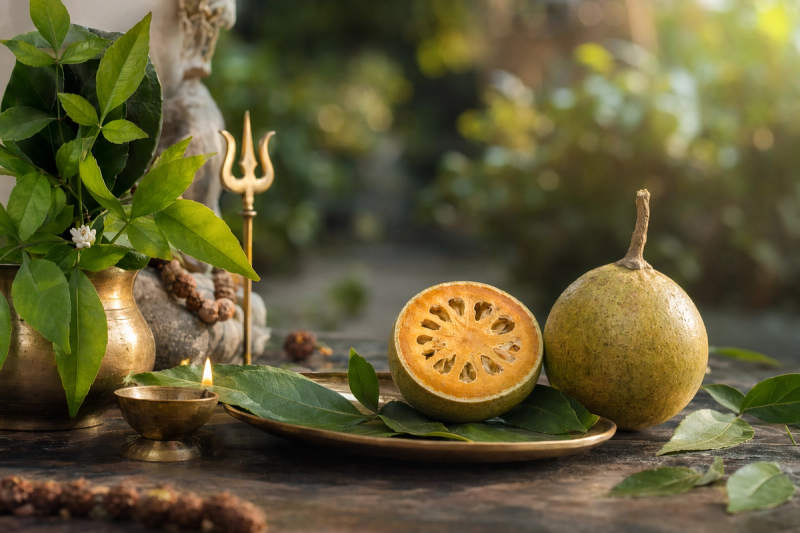
I first got curious about bael because of my stomach. Not in a fancy wellness-influencer way, more like the “why is my digestion acting like a moody teenager again?” way. My grandmother used to talk about bael fruit sherbet in summer, and bael patra was always around during puja, sitting there quietly like it had secrets. For years I thought they were basically the same thing. Same tree, same vibe, same benefits, right? Well, not exactly. Bael patra means the leaves of the bael tree, Aegle marmelos, while bael fruit is the round hard fruit from the same plant. They overlap a little, but they’re used differently, taste wildly different, and the safety stuff isn’t identical either.
Quick note before I get too comfortable here: I’m not a doctor, and herbs can be powerful. Like, actually powerful. If you’re pregnant, breastfeeding, taking diabetes medicines, blood pressure meds, liver meds, or you’ve got a chronic condition, please talk to a qualified clinician before using bael regularly. I love traditional remedies, I really do, but I’ve also learned the hard way that “natural” doesn’t automatically mean “safe for everyone.” That sentence sounds boring, but it’s saved me from doing silly things more than once.
So What’s the Real Difference Between Bael Patra and Bael Fruit?
#Bael patra is the leaf. In India, Nepal, Sri Lanka and other parts of South Asia, it’s deeply tied to worship, especially Lord Shiva, so a lot of us meet it first as something sacred rather than something you drink as tea. In Ayurveda and folk traditions, bael leaves have been used for blood sugar support, digestion, mild inflammation, and sometimes as part of herbal mixtures. The leaves contain plant compounds like flavonoids, alkaloids, tannins and coumarin-type compounds, and one compound people often mention is aegeline. That one deserves a little caution, which I’ll come back to, because it has been discussed in relation to liver safety when used in certain supplements.
Bael fruit, meanwhile, is food-medicine in the most literal way. The ripe fruit has a sweet, musky, slightly funky pulp that people make into juice, sherbet, chutney, jam, murabba, powder, and sometimes digestive drinks. The unripe or half-ripe fruit is more astringent and traditionally used for loose motions and dysentery-type digestive upset. The ripe fruit is more associated with cooling, summer hydration, and constipation relief for some people because it has fiber and mucilage. Funny thing though, too much can do the opposite depending on your body. I’ve had bael sherbet make me feel amazing one day and heavy-bellied another day. Bodies are weird.
| Part of bael tree | Common form | Traditional use | What to watch for |
|---|---|---|---|
| Bael patra, the leaves | Fresh leaves, juice, tea, powder, capsules | Blood sugar support, digestion, inflammation, religious use | Possible low blood sugar, liver concerns with concentrated extracts, drug interactions |
| Unripe bael fruit | Dried slices, powder, decoction | Loose stools, diarrhea support, gut calming | Constipation if overused, not for severe diarrhea without medical care |
| Ripe bael fruit | Sherbet, pulp, jam, smoothie, fresh pulp | Cooling drink, fiber, constipation support, summer digestion | Sugar load in drinks, bloating, constipation or heaviness in some people |
Why Bael Is Suddenly Trendy Again in 2026
#One thing I’ve noticed lately, especially going into 2026, is that old-school herbs are getting pulled into very modern wellness trends. Bael is popping up in gut-health powders, “metabolic wellness” teas, low-sugar summer drinks, plant polyphenol blends, and even in some glucose-friendly recipes on social media. Everyone is talking about gut microbiome, post-meal glucose spikes, non-alcoholic functional drinks, and food-as-medicine. Bael fits that trend almost too perfectly because it has the traditional reputation and the earthy heritage story.
But here’s where I get a bit annoying, sorry. The hype is moving faster than the research. As of the latest reviews and studies available up to 2025 and early 2026, bael has promising lab and animal data, plus a long traditional-use history, but we still don’t have enough large, high-quality human clinical trials to say things like “bael cures diabetes” or “bael heals your gut” or whatever dramatic caption people are using this week. Some small human observations and traditional evidence are interesting, especially for digestion, but it’s not the same as strong medical proof. I know, not as exciting. But true.
Bael Fruit Benefits: The One I Personally Reach For First
#If I had to pick one for everyday wellness, I’d pick bael fruit over bael patra. Not because leaves are bad, but because fruit is easier to treat as food. I’ve used ripe bael pulp in summer as a drink, usually watered down, with a pinch of roasted cumin and sometimes no sugar at all. The first time I made it myself, I added way too much jaggery because I thought healthy drinks need to taste like dessert. Big mistake. My stomach felt like it was hosting a small drum circle. Now I keep it lighter.
Bael fruit contains fiber, pectin-like substances, tannins, carotenoids, vitamin C in varying amounts, and antioxidant plant compounds. The exact nutrition depends on ripeness, variety, storage and preparation, so don’t trust those perfect nutrition charts too much. Traditionally, ripe bael is used to support regular bowel movements, cool the body in hot weather, and soothe acidity or digestive irritation. Unripe bael is a different story. It’s more drying and astringent, which is why it’s been used for loose motions. That difference matters. Ripe and unripe bael are not interchangeable, and I wish more people said this clearly.
- Ripe bael fruit may help some people with constipation because of fiber and bulk, especially when taken with enough water.
- Unripe bael fruit is traditionally used for diarrhea, but severe diarrhea, fever, dehydration, blood in stool, or diarrhea in children needs medical care, not just a home remedy.
- Bael sherbet can be healthy-ish, but many packaged versions are basically sugar drinks wearing an Ayurvedic hat.
Bael Patra Benefits: Interesting, But I’m More Careful With It
#Bael patra feels more medicinal to me. I know some people chew fresh leaves or drink leaf juice in the morning, especially for blood sugar. I’ve tried bael leaf tea a few times, mostly out of curiosity. The taste is green, slightly bitter, not terrible but not something I crave. In traditional systems, bael leaves have been used for supporting digestion, managing mild inflammation, wound care preparations, and metabolic health. Modern research has looked at bael leaf extracts for antioxidant, anti-inflammatory, antimicrobial and blood glucose-lowering effects, mostly in lab studies and animal models.
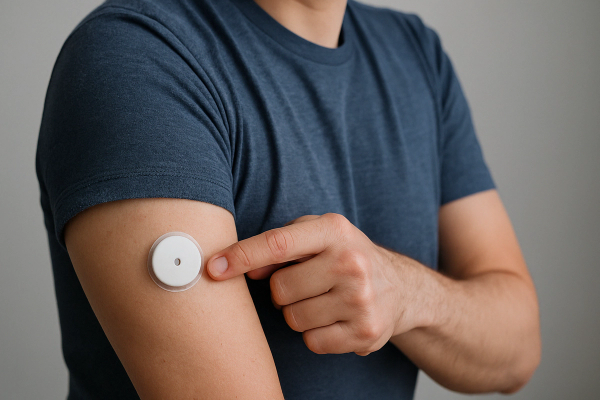
The blood sugar angle is where people get really excited. Some animal studies suggest bael leaf extracts may improve glucose metabolism or insulin-related markers. That’s interesting, especially in this CGM era where everyone is watching their glucose curve after eating rice, mango, coffee, literally everything. But if you’re on insulin, metformin, sulfonylureas, GLP-1 medicines, or any diabetes treatment, bael leaf could theoretically push sugar too low or make your readings unpredictable. Hypoglycemia is not a wellness flex. It’s scary. Sweating, shaking, confusion, heart racing, all that. So please don’t casually mix strong leaf extracts with diabetes meds without your clinician knowing.
The Aegeline and Liver Safety Thing Nobody Likes Talking About
#Okay, this part matters. Bael leaves contain a compound called aegeline. Years ago, aegeline got attention because certain weight-loss and sports supplements containing aegeline were linked with liver injury reports. The situation was complicated because supplement formulas can include multiple ingredients, doses can be high, and product quality can be messy. Still, it made researchers and regulators look more carefully at concentrated extracts. Eating a normal food amount or using a mild traditional preparation is not the same as taking high-dose capsules every day, but the caution is fair.
This is why I personally avoid concentrated bael leaf supplements unless they’re recommended by a qualified practitioner and tested by a reputable lab. Tea once in a while? Maybe. A capsule with huge claims like “burn fat, reverse sugar, detox liver in 7 days”? Nope. Absolutely not. The supplement market in 2026 is better in some ways because consumers are demanding third-party testing, QR-code batch reports, heavy metal screening, and cleaner labels. But it’s also worse in other ways because viral products sell before anyone really checks them. So yeah, I’m cautious. Maybe overly cautious, but I like my liver.
Digestion: Where Bael Really Shines, At Least Traditionally
#The gut is probably bael’s most believable area of use, in my opinion. Bael fruit, especially the unripe fruit, has a long history for diarrhea and intestinal infections in traditional medicine. Tannins and other astringent compounds can reduce secretions and may help firm stools. Ripe bael, on the other hand, gives fiber and a soothing texture that can help some people feel more regular. It’s not magic. But it does feel like one of those remedies that survived because people genuinely found it useful.
My personal rule is simple: if my digestion is mildly off from heat, travel, or eating too much fried stuff, I might use a small glass of diluted ripe bael drink. If I have serious diarrhea, fever, dehydration, or pain, I don’t play hero. Oral rehydration solution, bland food, and medical advice if needed. For kids and older adults, I’m even more careful because dehydration can sneak up fast. Also, if you have IBS, IBD, ulcers, chronic constipation, or a history of bowel obstruction, bael may not behave the way you expect. Start small, and honestly, keep notes.
Blood Sugar, Weight Loss, and the 2026 Metabolic Health Craze
#Metabolic health is everywhere now. People are wearing continuous glucose monitors even without diabetes, talking about post-meal walks, protein-first meals, vinegar before carbs, and herbal teas that supposedly flatten every spike. Bael patra got pulled into this conversation because of its traditional diabetes use and early research. I get the appeal. I really do. My family has a history of high blood sugar, so I’m always paying attention to this stuff. But I also think we’re getting a little obsessive as a culture. Not every glucose rise after a meal is a crisis.
Bael leaf may have glucose-lowering potential, but the responsible way to frame it is “supportive and still being studied,” not “replacement for medication.” Bael fruit can be part of a healthy diet, but sweet bael drinks can raise blood sugar if loaded with sugar, jaggery, honey, or dates. I’ve seen recipes calling themselves diabetic-friendly with three spoons of jaggery. Like... no. Jaggery is still sugar. If you’re watching glucose, use ripe bael pulp in a small portion, dilute it, skip added sweeteners, add cinnamon or roasted cumin for flavor, and check your response if you monitor blood sugar.
How I Use Bael Fruit Without Overdoing It
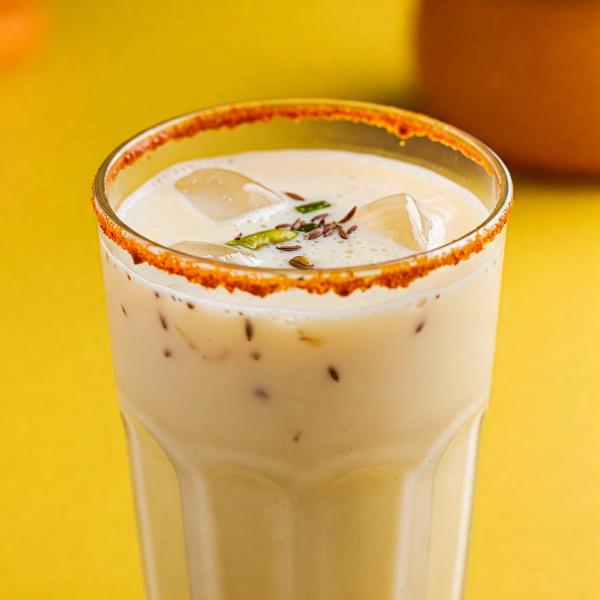
#My usual summer bael drink is very basic. I take ripe pulp, remove seeds and fibers as much as I can, mix with chilled water, strain if I’m feeling fancy, then add roasted cumin, a tiny pinch of black salt, and maybe mint. Sometimes lime. No sugar most days. If the fruit is not sweet enough, I might add a little jaggery, but not the giant spoonful my heart wants. I drink maybe half a glass first. That’s it. Because bael is dense and can sit heavy.
One thing I learned after messing it up: don’t combine bael sherbet with a massive meal and then wonder why you feel bloated. Bael has fiber and body. It’s not like coconut water. I also don’t drink it every single day for weeks. I rotate. Some days buttermilk, some days lemon water, some days plain water like a normal adult who remembers hydration exists. Wellness doesn’t have to become a full-time job, even though Instagram makes it feel that way.
How People Use Bael Patra, and Where I Draw the Line
#People use bael patra in a few ways: fresh leaf juice, decoction, tea, dried powder, or capsules. Traditional recipes vary a lot. Some use three leaves, some use a handful, some mix it with pepper, honey, tulsi, neem, or other herbs. This is where things can get confusing because “bael patra” isn’t one standardized dose. A fresh leaf from your backyard tree is different from a concentrated extract in a capsule, and both are different from a commercial powder that may or may not be pure.
Personally, I would not take bael leaf juice daily for months without supervision. I’d be especially careful if there’s liver disease, kidney disease, pregnancy, fertility treatment, diabetes medication, upcoming surgery, or if you’re already taking multiple herbs. Herbs stack. Effects stack. Side effects stack too. If someone really wants to try bael patra for blood sugar, I’d say do it with a practitioner, monitor fasting and post-meal glucose, watch for low sugar symptoms, and consider liver function tests if using concentrated extracts. That sounds unromantic, but it’s practical.
Safety: Who Should Be Extra Careful With Bael
#Bael is not automatically dangerous, but it’s not automatically gentle either. The fruit as food is usually the safer route for most healthy adults, in reasonable amounts. Still, too much ripe bael can cause bloating, constipation, stomach heaviness, or changes in stool. Too much unripe bael can constipate you badly. Leaf extracts may interact with diabetes medicines and possibly other drugs. Because bael can affect digestion and maybe blood sugar, it’s worth stopping before surgery unless your doctor says otherwise, usually at least one to two weeks ahead, because surgery teams like predictable bodies. Fair enough.
- Avoid medicinal doses during pregnancy and breastfeeding unless a qualified healthcare professional says it’s okay. Traditional use doesn’t equal proven safety for pregnancy.
- Be careful with diabetes medicines because bael patra may lower blood sugar in some people.
- Avoid high-dose leaf supplements if you have liver issues, or at least discuss it with your doctor first.
- Do not use bael instead of urgent medical care for severe diarrhea, blood in stool, high fever, dehydration, or unexplained weight loss.
- Buy from trustworthy sources because herbal powders can sometimes have contamination, wrong plant parts, pesticides, or heavy metals. Sad but true.
Bael Fruit vs Bael Patra: Which One Is Better?
#I don’t think one is “better.” They’re different tools. Bael fruit is more food-like, more approachable, and in my life, easier to use safely. Bael patra is more medicinal and needs more respect. If your goal is a cooling summer drink, digestion support, or adding traditional foods back into your routine, bael fruit makes sense. If your goal is blood sugar support, bael patra is the one people talk about more, but that’s exactly where you need caution and medical guidance, especially if you already have diabetes.
Also, can we stop turning every traditional plant into a competition? Bael patra vs bael fruit, turmeric vs ginger, ashwagandha vs shatavari, and so on. Sometimes the old systems used different plant parts for different conditions because they noticed differences through generations. That doesn’t mean every claim is scientifically proven, but it does mean we shouldn’t flatten everything into “this is good for health.” Health is more specific than that. Annoyingly specific, actually.
My personal take: use bael fruit like a seasonal food, treat bael patra like a medicine, and don’t let online wellness hype bully you into taking something daily just because it sounds ancient.
What to Look for When Buying Bael Products in 2026
#The functional food market has gotten crowded. You can now find bael in powders, gut-health blends, glucose teas, Ayurvedic juices, herbal capsules, and ready-to-drink cans. Some are decent. Some are just sugar, flavoring, and a leaf on the label. I look for simple ingredient lists, no exaggerated disease claims, third-party testing when possible, and clear labeling of whether it’s ripe fruit, unripe fruit, leaf, or mixed extract. If a brand doesn’t say which part of the plant is used, I get suspicious. That’s basic information.
For fruit products, check added sugar. For powders, check whether it’s unripe or ripe fruit because the digestive effect can differ. For leaf capsules, I’d want batch testing, dosage clarity, and preferably practitioner guidance. Also, if a product promises detox, rapid fat loss, diabetes reversal, liver cleansing, hormonal balance, and glowing skin all in one bottle, I close the tab. I’ve fallen for miracle labels before. Not bael specifically, but enough times to know better. My cabinet has seen some questionable purchases, trust me.
A Gentle Way to Try Bael If You’re Curious
#If you’re new to bael, I’d start with ripe bael fruit as a small food serving. Try a few tablespoons of pulp diluted in water, without much sweetener, and see how your stomach feels over 24 hours. Don’t try it for the first time before a long road trip or important meeting. That is my very practical auntie-style advice. If constipation is your issue, make sure you drink enough water, because fiber without fluid can backfire. If loose stools are your issue, don’t self-treat for too long. A day of mild upset is one thing, ongoing diarrhea is another.
For bael patra, I’d be slower. Maybe a mild tea occasionally if you already tolerate herbs well, but I’d avoid concentrated extracts unless there’s a good reason and someone knowledgeable guiding you. And please don’t mix five new herbs at once. If something goes wrong, you won’t know which one did it. I’ve done the “new tea plus new supplement plus new probiotic” chaos routine before and then blamed dinner. Nope. It was me. I was the problem.
Final Thoughts: Respect the Tree, But Respect Your Body More
#Bael is beautiful because it sits at the meeting point of food, ritual, tradition and modern wellness. Bael patra has fascinating medicinal potential, especially around glucose and inflammation, but it needs more human research and a careful safety mindset. Bael fruit is more everyday-friendly and can be lovely for digestion and summer hydration when used sensibly. Still, neither one is a cure-all, and neither should replace medical care.
What I’m trying to practice these days is a calmer kind of wellness. Less panic-buying herbs, more listening. Less “this will fix me,” more “does this actually suit my body?” Bael can be part of that, especially if you grew up around it and want to reconnect with traditional foods. Just go slow, ask questions, and don’t ignore symptoms that need proper care. And if you like reading grounded wellness stuff without too much drama, I sometimes browse AllBlogs.in for health topics and ideas. It’s nice to keep learning, you know, without turning every leaf and fruit into a miracle.