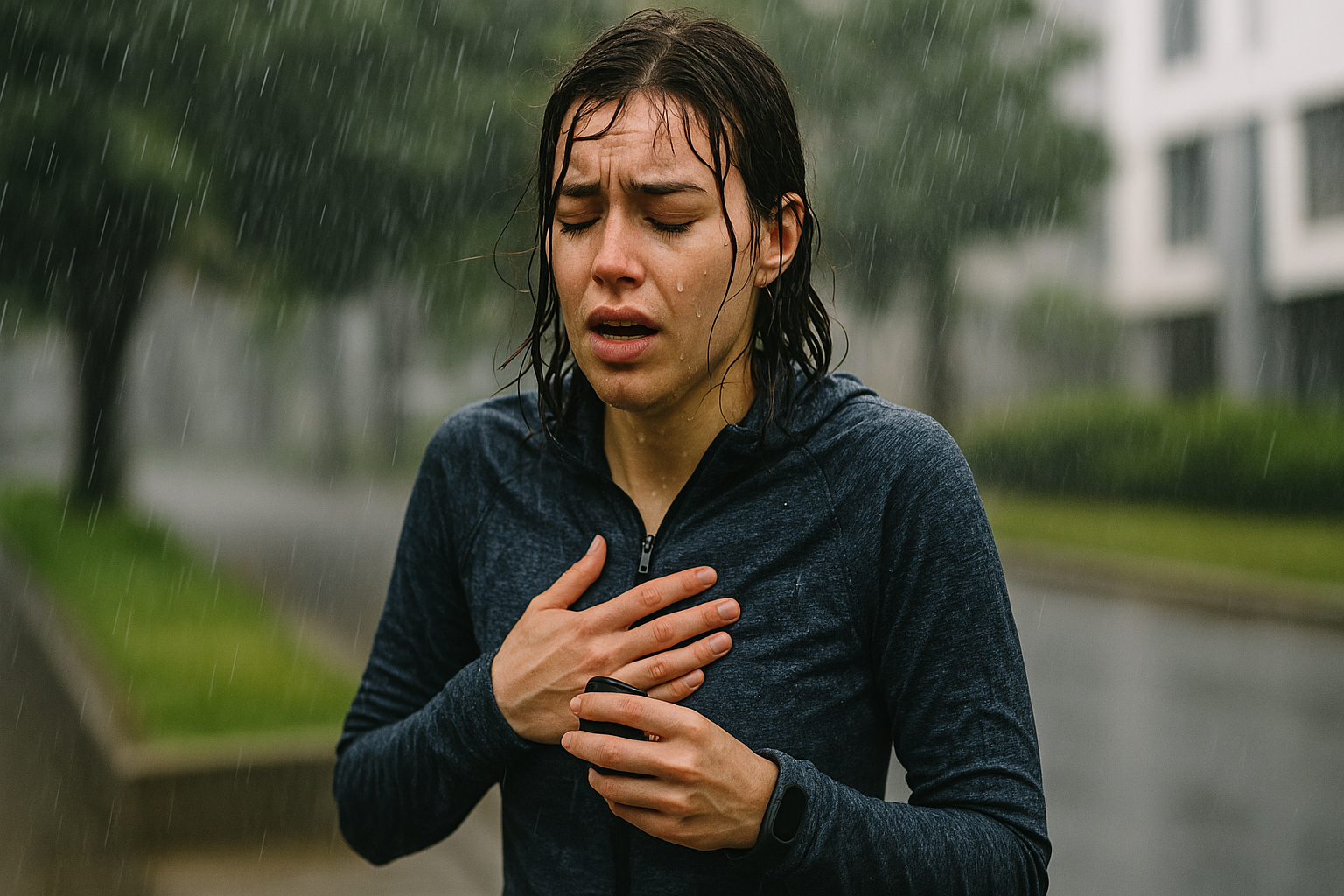
I grew up hearing this all the time. Don’t go out in the first rain. Don’t let the first drops touch your head. Change your clothes right away or you’ll definately get fever by morning. And if there was thunder somewhere in the distance, all the aunties in the neighborhood acted like the rain itself was carrying disease in a little bucket. So yeah, for years I kinda believed it.
Then one year I got absolutely soaked walking home in early monsoon. Like, shoes squishing, hair dripping into my eyes, the whole dramatic movie scene. And weirdly? I didn’t get sick. My cousin, who stayed dry, got a cold that same week. That was the first time I started wondering if we mix up weather, immunity, infections, pollution, and plain old bad luck into one big story.
So let’s get into it in a normal-person way. Not too textbook-y. The short version is this: getting drenched in first rain does not directly cause a viral infection. Rain itself doesn’t create a cold or flu in your body. Viruses and other germs do that. But—and this is the annoying part—being soaked, cold, shivering, stressed, and then hanging around in damp clothes can make your body a bit more vulnerable or just make you feel miserable enough that symptoms show up around the same time. Which is why people swear the rain made them sick.
What actually makes people sick after rain, if it’s not the rain itself?
#This is where the myth gets half-right and half-wrong. Colds, flu, COVID, RSV, and a bunch of other upper respiratory infections are caused by viruses. You catch them from other people, shared air, droplets, aerosols, contaminated hands touching your face, all that. You do not magically manufacture a cold because your shirt is wet. I know, sounds obvious when said out loud, but culturally this myth is super sticky.
That said, the first rain of the season can come with some real health stuff attached to it. Dust and air pollutants that built up over hot dry weeks can get stirred around. In many cities, especially dense urban ones, the first showers can wash grime, vehicle residue, pollen, mold particles, and who-knows-what off roads and surfaces. Some people get itchy eyes, sneezing, wheezing, or headaches and call it “falling sick,” when it’s actually allergy or pollution irritation.
- Viruses cause colds and flu, not getting wet by itself
- Wet clothes + feeling chilled can stress the body a bit and make symptoms feel worse
- First rain can stir up allergens, mold spores, and urban pollution
- Dirty standing water after rain can expose you to bacteria or parasites, but that’s a diffrent issue from “rain gave me fever”
The 2026 wellness take: immunity is not a magic shield, but it’s also not fake
#One thing I’ve noticed in recent health content, especially through 2025 into 2026, is people are way more interested in immune resilience than in miracle immunity hacks. Which, thank God. We’ve all had enough of “drink this one thing and never get sick again” nonsense. Current wellness trends are more realistic now: sleep quality, stress regulation, adequate protein, fiber diversity, vaccines, hydration, movement, and managing chronic inflammation. Boring? Maybe. But it’s the stuff that actually matters most.
From what clinicians keep saying lately, and from public health guidance that’s stayed pretty consistent, your risk after getting drenched depends less on the rain and more on the context. Were you already run down? Have you slept 4 hours a night for a week? Are you sharing enclosed space with people who are coughing? Do you have asthma? Did you walk through floodwater with cuts on your feet? That’s the real-world version.
Rain doesn’t inject infection into you. But the whole situation around rain—cold stress, crowding indoors, air quality changes, dirty water, poor sleep, weak routine—can stack the deck a little. That’s the part people feel, even if the old explanation isn’t technically right.
My personal experience, for whatever it’s worth
#I’m one of those people who gets sinus drama very easily. Dust, sudden weather changes, strong perfume, even aggressive air conditioning... boom, headache and sneezing. For years I used to say the first rain “always” made me sick. But when I started paying attention, it was usually one of three things. Either I was already coming down with something, or I’d spent the day in a freezing office and then got soaked on the way home, or I had this full-on allergy flare after the rain because the air smelled fresh but also weirdly earthy and moldy. You know that smell? I love it, but my nose does not.
Once I even got a mild fever after being drenched and I was like SEE, PROOF. Turned out I had a viral infection going around in the family. Two other people got sick too, and neither of them danced in the rain like an idiot. So... yeah. Humbling.
What science says in plain English
#Cold exposure can have some short-term effects on the body. When you’re chilled, blood vessels in the skin and upper airway can constrict, and some researchers think this may slightly reduce local immune defenses for a bit. There’s also been discussion in recent years about cooler, drier conditions helping certain respiratory viruses survive or spread more efficiently. But that’s not the same as saying rain causes disease. It’s more like conditions can influence susceptibility and timing.
Also important in 2026: doctors are still reminding people not to confuse post-rain fatigue, chills, allergy symptoms, or air pollution irritation with infection. If you’re sneezing and congested right after a downpour, especially if your eyes itch and there’s no fever, allergy is pretty likely. If you develop high fever, body aches, sore throat, cough, or worsening symptoms over 1 to 3 days, think infection—and not because the rain made one from scratch.
When first rain can actually be risky
#This part matters more than the old myth, in my opinion. First rain itself isn’t the villain, but the environment around it can be. In places with poor drainage, overflowing sewage, stagnant water, or flooding, post-rain exposure can raise the risk of stomach bugs, skin infections, fungal issues, and in some regions water-borne or rodent-borne infections too. Leptospirosis is one people often forget, and it can spread through water contaminated with animal urine, especially if you have cuts on your skin. So if by “first rain” we really mean “wading through nasty floodwater in sandals,” then yes, there are legitimate health concerns. Big difference.
- Walking barefoot in dirty rainwater is a bad idea, esp if you have cuts
- People with asthma may notice flare-ups after rain because of humidity, mold, or pollen shifts
- Kids, older adults, and anyone immunocompromised should be a bit more careful about prolonged chilling and contaminated water exposure
- Thunderstorms can sometimes worsen breathing problems for sensitive people due to storm-related allergen changes
Why so many of us think rain made us ill
#Because timing is sneaky. Let’s say you were exposed to a cold virus at work on Tuesday. The first rain happens Wednesday evening. You get drenched, feel awful, sleep badly, wake up scratchy on Thursday, and by Friday you’re sick. Your brain goes: rain did it. But incubation periods for common viruses often mean the exposure happened earlier. We humans are pattern-making machines, and honestly I do this too.
There’s also the comfort-memory thing. A lot of us were taught to associate getting wet with danger and being warm/dry with safety. So when we get soaked, we become hyper-aware of every tiny symptom. One throat tickle and suddenly it’s “I knew it.” Not saying traditions are useless, by the way. Some of them probably developed because changing out of wet clothes, drying hair, and drinking something warm genuinely does help people recover from being chilled. The explanation was off, but the advice wasn’t always dumb.
What to do if you got drenched and don’t want to spiral
#- Change out of wet clothes pretty fast. Not because fabric causes flu, but because staying cold and damp is miserable and can stress your body.
- Dry off well, including your feet. Fungal skin issues love warm damp places, and wet socks are basically a personal attack.
- Have something warm to drink if that feels good. Tea, soup, warm water, whatever. Comfort counts, actually.
- Take a quick shower if you were out in city rain, especially first rain. It helps rinse off grime, pollutants, and possible irritants from skin and hair.
- If you have asthma or allergies, use your prescribed meds as directed and monitor for wheezing, chest tightness, or unusual shortness of breath.
- Watch for actual symptoms of infection over the next day or two—fever, persistent sore throat, cough, body aches—not just the immediate chills from getting wet.
A few wellness habits that matter way more than avoiding first rain
#I say this with love because I used to be dramatic about seasonal stuff while also sleeping terribly and skipping meals. If you’re trying to avoid getting “seasonal sick,” the big basics are still the big basics in 2026. Sleep is huge. Protein intake matters more than many of us thought a few years ago, especially for recovery and general resilience. Gut health is still trendy, yes, but thankfully the conversation has matured a little beyond random powders. More fiber, fermented foods if they suit you, enough fluids, less ultra-processed chaos all day every day. And vaccines, obviously, when recommended. Very unsexy answer, still true.
There’s also been a noticeable rise in people tracking stress, recovery, and sleep with wearables. I have mixed feelings on that because sometimes the data helps, and sometimes it just gives anxious people a new hobby. But the useful part is this: poor recovery and ongoing stress really do seem to line up with getting run-down more often. Not in a mystical way. In a very biological, very annoying way.
When you should actually see a doctor and not just blame the weather
#If you get a mild chill after rain and feel normal once you’re dry, that’s probably nothing. But if you develop a high fever, trouble breathing, persistent cough, chest pain, severe weakness, dehydration, confusion, or symptoms that keep getting worse, please don’t just say “season change” and wait it out forever. Same if you were exposed to dirty floodwater and then get fever, muscle pain, vomiting, redness around wounds, or jaundice-like symptoms. That needs medical attention.
And if every rainy season you get wheezing, night cough, or tight chest, it may be less about “weak immunity” and more about asthma or allergies needing proper management. I wish someone had told me that earlier, because I spent years acting like I was just delicate or dramatic. Turns out, breathing issues are, um, worth taking seriously.
So... does getting drenched in first rain make you sick or not?
#My honest answer: not directly, no. Rain itself does not cause viral illness. But first rain can come bundled with stuff that can irritate your body or increase risk in indirect ways—pollution, allergens, dampness, contaminated water, temperature stress, bad sleep after getting chilled, and the fact that viral exposure may have already happened before the rain. So the old warning isn’t entirely nonsense, it’s just medically fuzzy.
I still go out in the rain sometimes, by the way. Not every time, not if drainage is gross, and not if I’m already exhausted. But I no longer panic like the sky is throwing infection at me. I just use common sense, towel off, shower, put on dry clothes, and move on with my life. Which is maybe the most grown-up health lesson I’ve learned lately—less superstition, more context.
If you’ve always loved the smell of first rain but also worried it’ll knock you out for three days, you’re not silly. A lot of us were taught that. Just update the story a little. Respect contaminated water, respect your allergies, respect your sleep debt... and enjoy the weather if you want. For more everyday wellness rambling and practical health reads, I casually poke around sites like AllBlogs.in too.