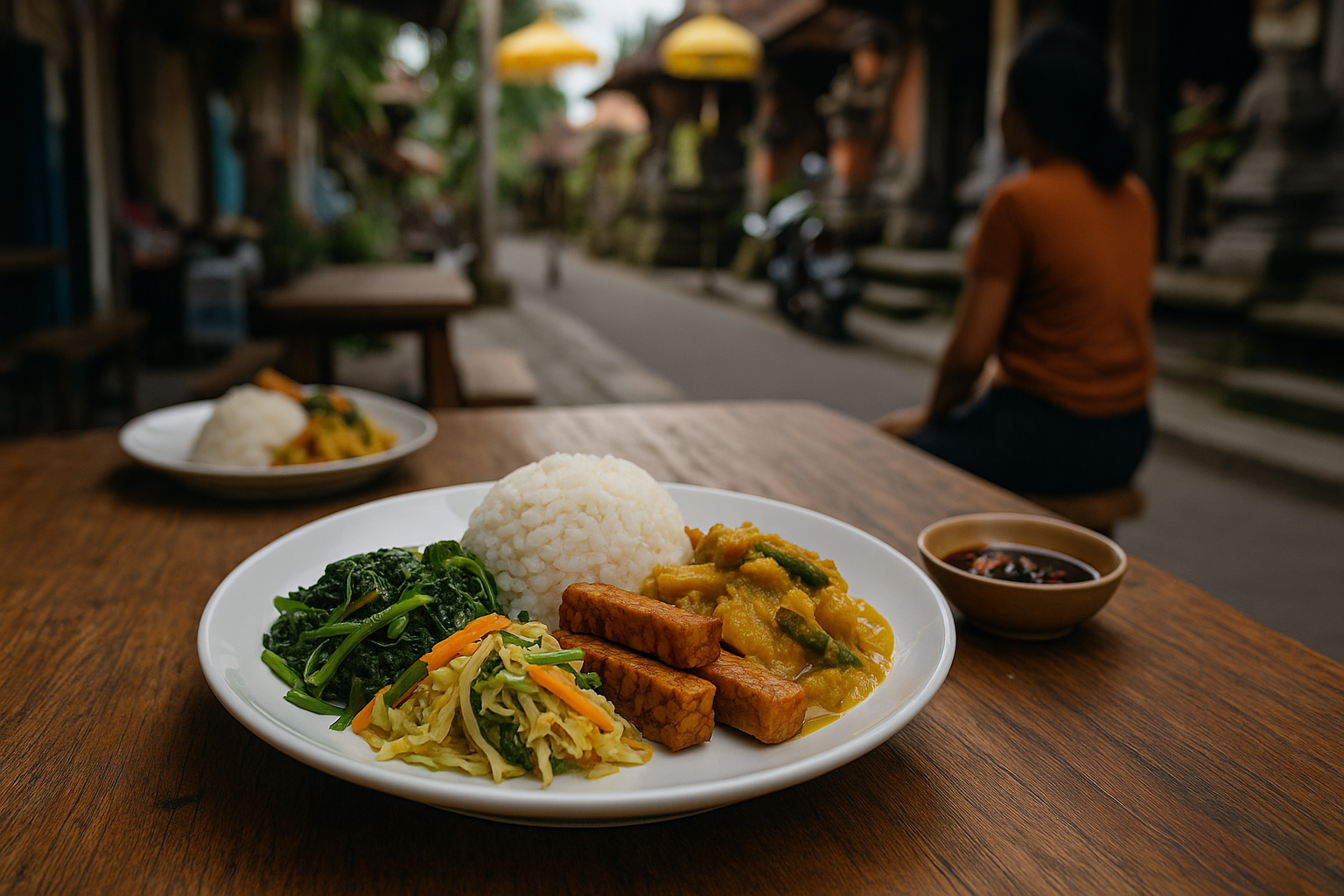
I’ll be honest, before my first Bali trip I had this very dumb fear that I was gonna survive on fries, fruit, and hotel breakfast toast. I’m vegetarian, Indian, kinda picky on some days, and also annoyingly budget conscious. Not exactly the profile of a carefree foodie, right? But Bali surprised me in the best way. Like, wildly. You can eat really well here without spending silly money, and you do not need to stick only to Indian restaurants either. In fact, I think that would be a mistake. A tasty mistake, maybe, but still. This guide is basically the version I wish someone had sent me on WhatsApp before I landed in Denpasar with too much luggage and not enough small cash.
One quick thing before we get into the good stuff. Bali in 2026 still feels super friendly for vegetarians, maybe even more than before, because plant-based travel is not some niche little trend now. It’s mainstream. A lot of cafés clearly label vegan and vegetarian dishes, QR menus are everywhere, many spots list allergens, and there’s way more focus on sustainability, refill water stations, low-waste packaging, local produce, all that. Ubud is still the obvious veggie capital, sure, but Canggu, Seminyak, Uluwatu and even parts of Sanur have stepped up massively. At the same time, prices in trendy zones have gone up, so if you’re on a budget you gotta eat smart, not just pretty. Thats the whole game.
First thing to know - Bali vegetarian food is not just smoothie bowls, thank god
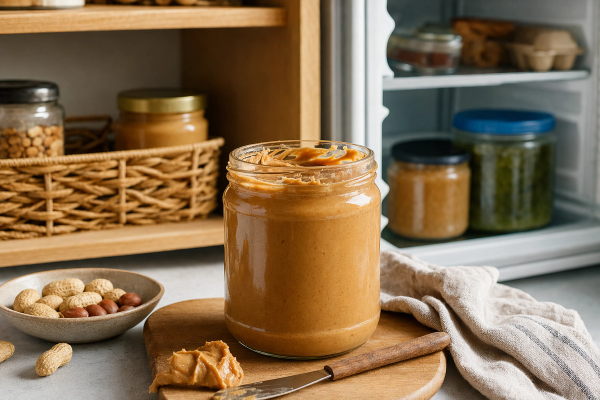
#I mean yes, the smoothie bowls exist. They are photogenic, expensive for what they are, and occasionally very good. But if you’re Indian and craving real savory food, Bali can absolutely deliver. Some traditional Indonesian and Balinese dishes are naturally vegetarian or can be made vegetarian pretty easily. Think nasi campur with tempe and veggies, gado-gado with peanut sauce, mie goreng sayur, cap cay, tahu and tempeh curries, lawar-style veg versions in some modern warungs, corn fritters, satay lilit-inspired mushroom or tempeh twists at newer cafes. Tempeh especially is your best friend in Bali. And before this trip I used to think tempeh was just okay-ish. Then I had fresh crispy tempeh in a tiny warung outside Ubud and, no joke, I became a believer.
If you eat only at influencer cafés in Bali, you’ll think vegetarian food here is expensive. If you eat at local warungs, small family-run spots, and a few carefully chosen cafés, you’ll think Bali is one of the easiest budget veg destinations in Asia.
Where I found the best budget veg food - area by area, because Bali is not one place
#This matters a lot. People say “Bali” like it’s one compact city, but your food budget changes depending on where you stay. Ubud was honestly my favorite for vegetarian eating because there’s range. You can spend 25,000 to 45,000 IDR at a humble warung and be perfectly happy, or 70,000 to 120,000 IDR at a health-food café if you’re feeling fancy and emotionally attached to cold-pressed juice. Canggu has loads of vegan-friendly places, maybe the biggest concentration of trendy ones, but it can burn through your budget fast if you’re not carefull. Seminyak is fun but generally pricier. Sanur felt easier on the wallet than Seminyak and calmer too, especially if you’re not into the whole beach club scene. Uluwatu has some nice cafés but fewer super-cheap veg options compared with Ubud.
- Ubud: best overall mix of cheap warungs, organic cafés, and proper vegetarian variety
- Canggu: amazing choice, strong 2026 plant-based scene, but easy to overspend by accident
- Seminyak: convenient, polished, decent Indian food too, not the cheapest
- Sanur: underrated for relaxed stays and affordable meals
- Uluwatu: scenic, fun, but plan meals a bit more or costs creep up
My actual cheap-eats routine in Bali
#This is what worked for me, and I’m pretty sure it saved me a lot. Breakfast from a local café or guesthouse if included. If not, I’d grab fruit, kopi, maybe a simple toast or jajan pasar snack. Lunch was my main budget hero meal at a warung. Dinner could be either another local place or one nicer café every couple days. That balance kept me happy and, um, stopped me from becoming one of those travelers who says “Bali is so affordable!” while spending like a Mumbai rent payment on brunch. Most local warung meals I had were around 20,000 to 45,000 IDR. A café bowl, pasta, or vegan burger in tourist zones could easily hit 65,000 to 110,000 IDR before tax and service. And yep, that extra tax/service thing catches people off guard all the time.
A few dishes I kept ordering again and again
#Gado-gado was the safest comfort choice for me. Boiled vegetables, tofu, tempeh, rice cake or rice, peanut sauce, crispy bits sometimes. It felt familiar enough for Indian taste buds because of the nuttiness and spice potential, but still very Indonesian. Nasi goreng vegetarian was a backup classic, though I always checked about fish sauce or shrimp paste just in case. Mie goreng sayur, same story. Cap cay was brilliant when I wanted something lighter, basically stir-fried mixed vegetables, often with tofu. And then there was tempeh manis or sambal tempeh, sweet-salty-spicy and dangerously snackable. I still think about one plate I had near Tegallalang, actually.
Oh, and don’t ignore Indonesian snacks. Pisang goreng with coffee on a rainy afternoon? Elite. Martabak manis isn’t exactly healthy but who cares on holiday. Fresh salak, mangosteen, rambutan when in season... cheap little joys. Some mornings I’d just buy fruit from a market and sit there feeling very smug about my budget discipline, then blow it all later on gelato. So, balance I guess.
Places and types of spots I’d suggest for Indian vegetarians
#I’m not gonna pretend every single meal was life-changing. Some were just fine. But a few categories worked consistently. First, local warungs with buffet-style nasi campur counters. You can literally point at what you want, which is handy if language gets awkward. Just ask “vegetarian, no meat, no fish, no egg?” if needed. Second, dedicated vegetarian or vegan cafés in Ubud and Canggu. Bali’s plant-based scene in 2026 is still very strong, with lots of places focusing on local ingredients, jackfruit rendang-style dishes, mushroom satay, cashew-based sauces, and less processed fake meats than before. Third, Indian restaurants for those homesick evenings when only dal, roti, and paneer will do.
In Ubud, I had especially good luck with simple warungs near the central area and roads leading away from the palace zone, where prices drop a little once you walk 10 minutes. That sounds obvious but on holiday people forget to walk. Me included. There are also long-running vegetarian-friendly institutions around Ubud that travelers still talk about for a reason, plus newer plant-based cafés doing Indonesian tasting plates and zero-waste-ish menus. In Canggu, the quality is high but portions and prices can be all over the place. One café gave me a tiny quinoa thing for the price of two solid warung lunches. I was offended on a spiritual level.
What Indian travelers should watch out for - hidden non-veg stuff, spice levels, and budget traps
#This part matters. “Vegetarian” can mean slightly different things depending on where you’re eating. In Bali and Indonesia generally, some dishes that look veg may still use shrimp paste, fish sauce, or broth. Not always, but enough that you should ask. The phrase I used a lot was: “Saya vegetarian. Tanpa daging, ikan, udang.” Basically no meat, fish, shrimp. If you also avoid egg, say “tanpa telur.” It’s not perfect Indonesian, but people understand. Google Translate offline helped loads. Also, spice levels can be sneaky. Some sambals are deliciously fiery and some are face-melting. As an Indian traveler you may think you’re invincible. Humble yourself, my friend.
- Check tax and service at cafés before ordering. A 90,000 IDR meal can become 110,000-ish real quick.
- Carry cash for small warungs and markets, though digital payments are more common in 2026 than before.
- Ask if sauces contain fish or shrimp paste, especially with noodles, nasi goreng, and sambal.
- Don’t eat every meal in the most famous streets. One lane away is often cheaper and better.
- Use Indian food strategically, not constantly. Local veg food is cheaper most of the time.
A little personal food memory from Ubud that kinda sums Bali up for me
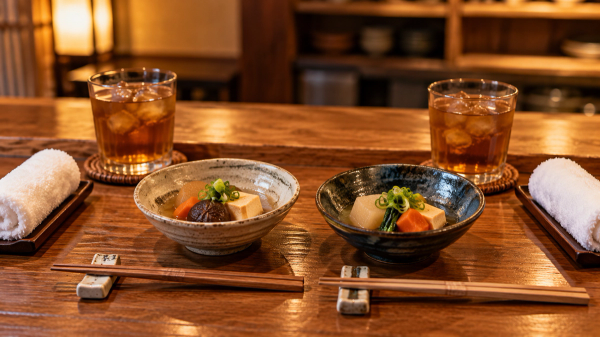
#One afternoon I was damp from sudden rain, tired from walking around Ubud Market, and honestly just wanted chai. Instead I ended up in this small warung with maybe six tables, one fridge of cold drinks, a TV playing something dramatic, and a woman in the kitchen who looked like she had exactly zero interest in impressing tourists. Best sign, usually. I pointed at a few dishes in the display, got rice, tofu, tempeh, long beans, some spicy peanuty vegetables, and crackers. Total was something like 38,000 IDR. I ate slowly while rain hammered the roof and scooters hissed past outside. Nothing fancy, no aesthetic plating, no wellness branding, just proper satisfying food. That meal made me stop comparing everything to India and just enjoy Bali as Bali. Bit cheesy maybe, but true.
Can you find Indian food easily? Yep. Should you rely on it? Nah, not fully
#There are plenty of Indian restaurants in Bali now, especially in Seminyak, Kuta, Canggu, Ubud, and Nusa Dua areas. North Indian, South Indian, vegan Indian, Jain-friendly on request in some places, all that. It’s useful, especially for families, older travelers, or if you’re staying longer than a week and need familiar food. I definitely caved one night and ordered dal tadka, jeera rice, and garlic naan like I had been stranded for months. No regrets. But Indian restaurant meals are not always the cheapest option, especially in tourist hubs. A basic thali can still cost more than a filling local vegetarian meal at a warung. So I’d say use Indian spots as comfort breaks, not your entire Bali food plan.
2026 food travel trends I actually noticed on the ground
#A lot of travel articles throw around trend words, but in Bali some of them are genuinely visible now. Plant-forward menus are everywhere, yes, but more interestingly there’s more Indonesian identity inside that scene. Less of the old copy-paste smoothie bowl domination, more locally rooted dishes using tempeh, jackfruit, banana blossom, moringa, Balinese spices, coconut, and seasonal produce from nearby farms. I also noticed more cafés advertising regenerative farming links, refill stations, no-plastic initiatives, and low-waste kitchen ideas. Some restaurants use QR menus with ingredient sourcing notes, which felt both useful and mildly dystopian. Functional drinks are big too, like turmeric tonics, jamu shots, cacao blends, probiotic sodas. Some are great, some taste like wellness punishment.
Another thing in 2026, food neighborhoods matter even more because remote workers and longer-stay travelers keep shaping the dining scene. Areas with lots of co-working spaces tend to have healthy lunch deals, vegan options, and coffee setups designed for people who will sit there for four hours pretending to work. If that’s your vibe, cool. If not, just know those places often charge for ambiance as much as food.
Sample daily food budget, because this is what most of us really wanna know
#| Meal / Expense | Budget range in IDR | My honest take |
|---|---|---|
| Simple local breakfast or snack | 15,000 - 35,000 | Fruit, coffee, pisang goreng, toast, small nasi option |
| Warung lunch | 20,000 - 45,000 | Best value, usually filling enough |
| Café meal in Ubud/Canggu | 65,000 - 120,000 | Can be worth it, but choose carefully |
| Indian restaurant meal | 60,000 - 150,000+ | Good for cravings, not always budget-friendly |
| Water / refill / drinks | 5,000 - 25,000 | Use refill stations when possible |
| Comfortable daily food total | 80,000 - 180,000 | Very doable if you mix local and occasional café meals |
So if you’re a budget Indian traveler and not trying to brunch like an influencer every day, Bali can absolutely work. A very comfortable food budget for me was roughly 100,000 to 160,000 IDR most days, then maybe one or two pricier meal splurges. If you drink alcohol, obviously that changes things fast. Cocktails in beach areas are where budgets go to die, honestly.
My slightly messy but useful advice for eating well in Bali without spending too much
#Walk more. Eat local at lunch. Save the pretty café for one meal a day max, if that. Learn three Indonesian phrases. Keep small cash. Don’t panic if the menu looks unfamiliar. Trust busy warungs. Be flexible with spice. If you’re travelling with family, maybe book a stay with breakfast included because that simplifies mornings so much. Also, and this is important, don’t judge a place by how Instagrammable it is. Some of the best vegetarian food I had came on plastic plates under fluorescent lights. Meanwhile one chic spot served me a tiny decorative lunch that looked like modern art and tasted like fridge.
Would I recommend Bali to Indian vegetarians on a budget? 100 percent, yes. Not because every meal is cheap, and not because every place understands vegetarianism perfectly, but because with a little curiosity and common sense, you can eat really, really well here. You get comfort food when you need it, local flavors when you want adventure, beautiful cafés when you feel indulgent, and plenty of small everyday meals that end up becoming the memories you keep. That’s kinda the sweet spot of travel for me anyway. Good food, small surprises, not too much damage to the wallet. If you want more stories like this, casual and slightly overexcited probably, have a look at AllBlogs.in.