Why I even looked at the Balkans when Schengen felt like a headache
#If you’re travelling on an Indian passport, Europe planning can become this full-time job only. VFS slots, documents, leave approval, bank statements, dummy bookings, then refreshing the page like you’re booking Tatkal. That’s honestly how the Balkans came into my head. I wanted that Europe feeling, old towns, mountains, blue water, café culture, buses between countries, but I didn’t want my whole trip to depend on one Schengen appointment. And btw, if you’re stuck in that exact mess, this guide on VFS Schengen Visa Slots Not Available? India Guide is useful before you panic-book some random itinerary.
But let me say this clearly at the start, because many Instagram reels make it sound too easy: “Balkans without Schengen” does not mean “visa-free Balkans for Indians”. Big difference. Some countries in the region allow entry if you already hold valid multiple-entry Schengen, US, UK, Ireland or similar visas, but if you don’t have those, you may need national visas. Serbia, Bosnia and Herzegovina, Montenegro, Albania, North Macedonia… each country has its own mood and rules. So this route planner is not about cheating the system. It’s about building a trip that does not rely on entering the Schengen zone.
The first reality check: not all Balkans are outside Schengen now
#When Indians say “Balkans”, we usually put everything from Croatia to Serbia to Montenegro into one big mental basket. But immigration-wise, that basket is messy. Croatia joined the Schengen Area on 1 January 2023, so it is not part of a no-Schengen plan anymore. Bulgaria and Romania also became full Schengen members for land borders from 1 January 2025, after first joining for air and sea borders earlier. So if your plan includes Zagreb, Dubrovnik, Sofia or Bucharest, please don’t assume it works like the old blog posts from 2018. It doesn’t.
For a clean non-Schengen-style Balkan route, I’d mainly look at Serbia, Bosnia and Herzegovina, Montenegro, Albania, North Macedonia and maybe Kosovo, depending on your comfort level and visa situation. Kosovo is complicated for Indians because India does not recognize it as an independent country, so I personally kept it out of my first trip. Not saying nobody should go, just saying read properly before you put it in your plan. My own comfort zone was Serbia, Bosnia, Montenegro, and a possible Albania/North Macedonia add-on if visas worked out.
My practical route: Serbia to Bosnia to Montenegro, the smooth-ish version
#The route that felt the most logical to me was Belgrade → Novi Sad → Sarajevo → Mostar → Kotor/Budva → maybe Durmitor → fly out via Podgorica or return to Belgrade. It gives you city life, Ottoman lanes, Austro-Hungarian buildings, war history, rivers, mountains and the Adriatic coast. Basically, a lot of Europe in one trip, but not that polished postcard Europe. More raw. More chai-stall energy in some places, if that makes sense. People smoke too much, buses run late, someone’s uncle will help you find the right platform, and you’ll eat bread with everything.
- Belgrade, Serbia: 2 to 3 nights for nightlife, cafés, fortress walks, river areas and a soft landing.
- Novi Sad: 1 night or day trip from Belgrade, especially for Petrovaradin Fortress and a slower vibe.
- Sarajevo, Bosnia and Herzegovina: 3 nights minimum, because this city has layers. Don’t rush it.
- Mostar: 1 night is enough for the bridge and old town, but staying overnight is nicer after day-trippers leave.
- Kotor or Budva, Montenegro: 3 nights, depending if you want old-town drama or beach-party convenience.
- Durmitor / Žabljak: 1 to 2 nights if you like mountains, lakes, cool air and that proper road-trip feeling.
Visa planning for Indians: boring, but this is where trips succeed or die
#Serbia used to be visa-free for Indian passport holders, but that changed from 1 January 2023. So don’t trust old YouTube videos saying “just fly to Belgrade bro”. Indians generally need a Serbian visa now, unless you fall under a valid exemption category. Bosnia and Herzegovina also has its own visa process, and Montenegro has its own rules too. Some Balkan countries may allow entry with valid multiple-entry Schengen/US/UK/Ireland visas or residence permits, but the exact conditions matter: visa type, validity, number of entries, whether it was used before, passport validity, duration allowed. One small detail can ruin your border crossing.
My very Indian advice: make one folder for each country. Not one giant Europe folder. Country-wise folders. Serbia documents, Bosnia documents, Montenegro documents. Keep hotel bookings, onward tickets, insurance, bank statements, leave letter, ITR if you use it, and passport copies. Printouts still matter in this region. At Sarajevo bus station, nobody asked me for my entire life history, but at borders I’ve seen officers look at hotel reservations and onward plans. Also, if Montenegro is in your itinerary, read this before fixing dates: Montenegro Visa for Indians in 2026: Rules, Schengen/US/UK Exception, Documents and Mistakes to Avoid. Rules change, and Montenegro is exactly the kind of place where people assume too much because of random reels.
Flights from India: avoid accidental Schengen transit
#This sounds obvious, but I’ve seen people mess it up. If your plan is “without Schengen”, don’t book a cheap flight that transits through Frankfurt, Vienna, Paris, Amsterdam or another Schengen airport unless you fully understand transit rules and visa requirements. The safer routing from India is usually via Istanbul, Doha, Dubai, Abu Dhabi or similar hubs into Belgrade, Sarajevo, Podgorica or Tirana. Belgrade is often the easiest starting point because it has more flight options and the city is simple to settle into after a long flight from India.
From Delhi or Mumbai, I found Belgrade fares jumping a lot depending on season and how late you book. Shoulder months can be reasonable, but summer fares go mad. If you are flexible, search open-jaw flights: into Belgrade, out of Podgorica or Tirana. Sometimes it costs more, but you save a full travel day and one painful long bus back. Also check baggage properly. A “cheap” fare with only cabin baggage is not cheap when you’re carrying winter clothes, masala packets, and three extra sweaters your mom forced you to pack.
Getting around: buses are king, trains are romantic but limited
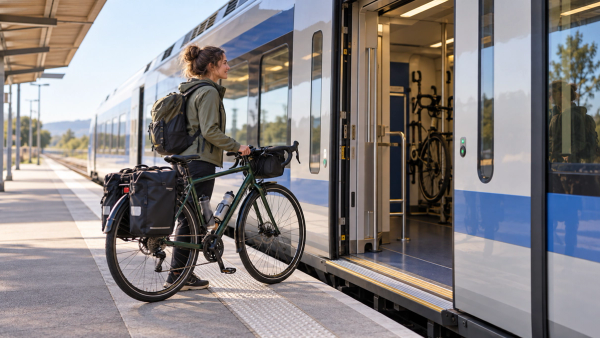
#The Balkans are bus territory. Not fancy Volvo bus like Bangalore-Mysore, more like practical, sometimes old, sometimes surprisingly comfortable coaches that connect cities across borders. Belgrade to Sarajevo is long and can feel tiring. Sarajevo to Mostar is beautiful. Mostar to Kotor can be gorgeous but the route matters a lot. And this is important: don’t choose a bus that passes through Croatia if you don’t have Schengen access. Some coastal routes go via Dubrovnik, which is Croatia, which is Schengen. You want routes through Bosnia and Montenegro directly, like via Trebinje or Nikšić, depending on what is operating.
The Belgrade to Bar train is one of those legendary scenic routes people talk about, cutting through mountains down toward Montenegro. It can be stunning, but schedules, maintenance and seasonal changes mean you should check close to your travel dates. I loved the idea of it more than the logistics, honestly. If you have time, do it. If you’re on a tight 10-day leave from office, buses may be more predictable. Renting a car is also possible, but cross-border permission, green card insurance, parking, one-way drop fees and mountain roads can add headache. Great for a group of four, less great for one confused solo traveller.
How many days do you actually need?
#Minimum 10 days, but 12 to 14 days feels much better. Anything less and you’re just collecting bus tickets. My suggested pace for an Indian traveller doing this for the first time is 3 nights Belgrade, 3 nights Sarajevo, 1 night Mostar, 3 nights Kotor or Budva, 1 or 2 nights Durmitor if the season is right. If you only have 9 days, remove Novi Sad and Durmitor. Painful, but practical. If you have 16 days, add Albania or North Macedonia, but only after sorting visa rules properly.
- Day 1: Arrive in Belgrade, walk around Republic Square, eat something warm, sleep early because jet lag is real.
- Day 2: Belgrade Fortress, Skadarlija, Zemun, river cafés if weather is nice.
- Day 3: Novi Sad day trip or stay overnight, depending on luggage and energy.
- Day 4: Bus to Sarajevo, expect a long day and keep snacks. Indian habit helps here.
- Days 5 and 6: Sarajevo old bazaar, museums, cable car, local food, slow coffee breaks.
- Day 7: Train or bus to Mostar, stay overnight near the old bridge area.
- Days 8 to 10: Montenegro coast, choose Kotor for beauty or Budva for beaches and easier nightlife.
- Days 11 to 12: Durmitor or return toward Podgorica/Belgrade, depending on your flight.
Belgrade: not pretty in the usual way, but it grows on you
#Belgrade didn’t give me that “wow Europe” feeling immediately. It’s not Prague. It’s not Vienna. It’s rough around the edges, full of big streets, graffiti, concrete blocks, random cafés, old trams and people who look serious until you ask for help. Then suddenly they are sweet. The Belgrade Fortress area is lovely at sunset, where the Sava and Danube meet. Skadarlija is touristy but still nice for one evening, especially if there’s live music. Zemun feels almost like a different town, with riverside restaurants and quieter lanes.
For Indians, food in Belgrade is manageable but meat-heavy. You’ll see ćevapi, pljeskavica, grilled meats, burek, pastries, salads and soups. Vegetarians can survive on cheese burek, shopska salad, grilled vegetables, pizzas, pastas and supermarket food, but don’t expect Indian-style veg variety. If you don’t eat pork or beef, ask clearly. Language can be a barrier, though younger people usually manage English. I carried the word “vegetarian” translated in my notes app. Very uncle behavior, but it worked.
Sarajevo: the city that stayed with me the longest
#Sarajevo is special. There’s no other way to say it. One minute you’re walking through Baščaršija with copper shops, mosques, coffee sets and the smell of grilled meat, and then a few streets later you’re looking at Austro-Hungarian buildings like you’re in Central Europe. The history is heavy, especially if you visit the museums connected to the siege and the 1990s war. Don’t treat it like content. Give it time. I felt quiet after some of those visits, like when you come out of a serious movie and don’t want to talk for 10 minutes.
Sarajevo is also one of the easier Balkan cities for Indian travellers who prefer halal food or don’t eat pork, because Bosnia has a large Muslim population. You’ll find ćevapi, burek, begova čorba, baklava, strong Bosnian coffee and plenty of bakeries. Vegetarian is still not super easy, but better than I expected. Accommodation around Baščaršija is convenient, but if you want quieter nights, stay a little away from the old bazaar. The city is generally safe, but normal city sense applies: watch your phone, avoid drunk late-night arguments, and don’t wander into abandoned buildings or hills without knowing where you’re going.
Mostar: beautiful, crowded, and still worth the stop
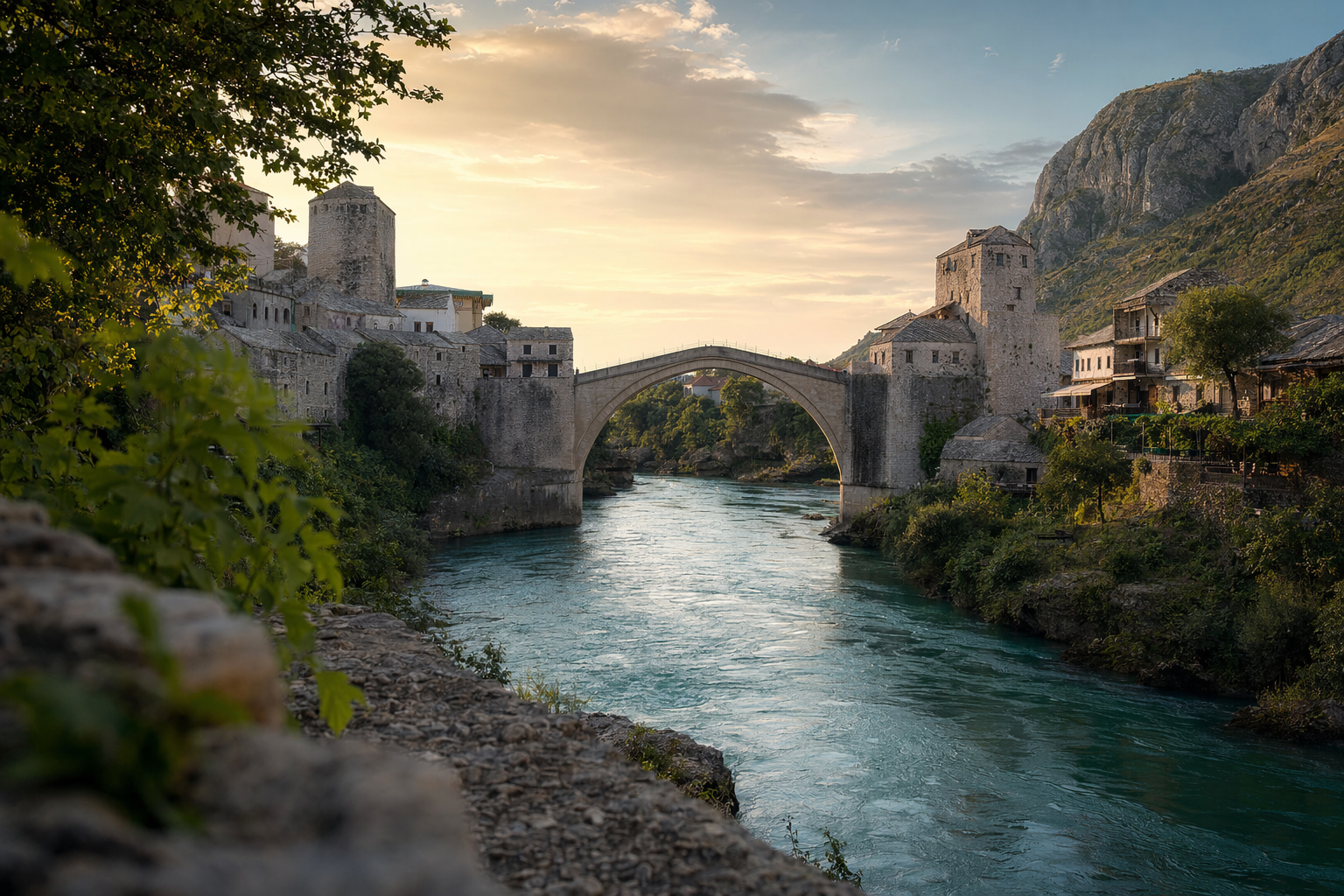
#Mostar is famous for Stari Most, the old bridge, and yes, it is as pretty as the photos. But daytime can be crowded with tour groups. Stay one night if possible. Early morning and late evening are when the town becomes softer. The stone lanes are slippery, so don’t wear those flat chappals with no grip. I learnt this the undignified way. Around the old town, prices are higher, but you can still find decent meals if you walk a bit away from the main bridge view restaurants.
A lot of people do Mostar as a day trip from Sarajevo, but overnight gives you a different feel. You can also consider nearby Blagaj and Počitelj if you have a car or join a local day tour. Blagaj, with the Dervish house near the river spring, is one of those places that looks fake in pictures but is actually real. In summer it can be hot, proper North India May-type sun, so carry water and don’t act brave. The stone old towns reflect heat like anything.
Montenegro: Kotor drama, Budva convenience, Durmitor silence
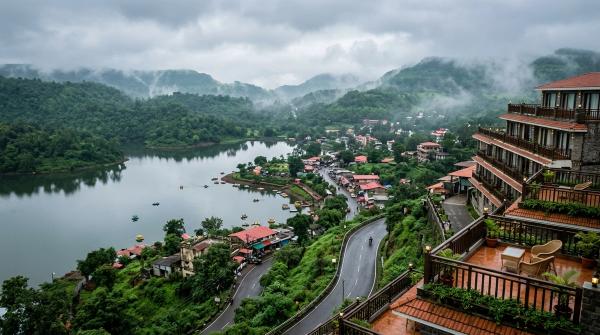
#Montenegro was the part where I kept saying “how is this not more expensive?” and then I visited in busier season and understood. Kotor is stunning. The bay, the old town walls, the mountains rising straight from water, cats everywhere, cruise ships sometimes making the place feel too full. Budva is more beachy, more nightlife, more practical if you want restaurants and easy coastal movement. If you’re choosing a base, this comparison may help: Kotor vs Budva for Indian Travelers: Best Montenegro Base. My heart says Kotor, but my tired legs sometimes vote Budva.
Durmitor National Park and Žabljak are a totally different Montenegro. Cooler weather, mountain roads, Black Lake, Tara Canyon, and that fresh pine smell you don’t get in coastal towns. If you grew up taking summer holidays to Himachal or Uttarakhand, Durmitor will feel emotionally familiar but visually Balkan. Public transport is limited though, so plan properly. Summer is best for hiking. Winter is for snow and ski atmosphere, but road conditions can become tricky. Also, if you have motion sickness, keep medicine. Balkan mountain roads do not care about your confidence.
Where to stay: realistic prices and Indian comfort levels
#Accommodation in the Balkans can be very good value compared to Western Europe, but coastal Montenegro in peak summer can surprise you. In Belgrade and Sarajevo, hostel dorms are often around €12 to €25, budget private rooms or simple guesthouses around €30 to €60, and nicer apartments around €45 to €80 depending on location and season. In Kotor or Budva, summer can push basic private rooms to €60 to €120 or more, especially near old town or beach areas. Off-season is much kinder. Montenegro uses the euro, Serbia uses the Serbian dinar, Bosnia uses the convertible mark, Albania uses lek and North Macedonia uses denar, so don’t assume one currency everywhere.
For Indian travellers, I’d recommend apartments with washing machine if you’re doing 12 days plus. Not glamorous, but very useful. Also check lift access. Many old town stays have stairs, and dragging a 20 kg suitcase over cobblestones is a personality test. In Sarajevo, stay near Baščaršija if it’s your first visit. In Belgrade, Stari Grad, Dorćol or near Republic Square is convenient. In Kotor, staying inside the old town is atmospheric but noisy. Outside the walls can be more practical. I personally prefer 8-minute walk and peaceful sleep over “heritage room” above a bar.
Best time to visit: don’t blindly copy Europe summer plans
#May, June, September and early October are my favourite months for this route. Weather is pleasant, buses are running, old towns are lively, and you’re not melting every afternoon. July and August bring peak crowds, higher prices, cruise ship traffic in Kotor, and hot inland days in places like Mostar and Belgrade. If you only get summer leave because office politics, go anyway, but book early and start sightseeing early morning. Afternoon can be café time, laundry time, or “I need to lie down under AC” time.
Winter has its charm, especially Sarajevo and the mountains, but it changes the trip. Days are shorter, some coastal places feel sleepy, mountain roads can be affected by snow, and you’ll need proper layers. Budget travellers may like winter prices, but first-time Balkan travellers might find spring or autumn easier. Ramadan can affect some restaurant timings in Muslim-majority areas, but it also brings a lovely evening atmosphere in places like Sarajevo. Orthodox Easter, local festivals, summer music events and coastal nightlife can also change prices, so check your dates before booking non-refundable stays.
Safety, scams and the small things nobody tells you
#I felt safe overall in Serbia, Bosnia and Montenegro, including as an Indian traveller who stood out in some smaller towns. People were curious more than rude. You may get the “India? Bollywood? Shah Rukh Khan?” conversation. Sometimes cricket. Sometimes yoga. Racism can happen anywhere, obviously, but I didn’t face anything aggressive. Still, don’t be careless. Bus stations can be chaotic. Keep your passport in a money belt or inner pouch during border crossings. Don’t leave bags unattended in cafés. Use official taxis or ride apps where available, and confirm price before getting into random station taxis.
In Bosnia, if you hike or explore rural areas, stay on marked paths because landmines from the war are still a serious issue in some remote zones. This is not a city-walking problem, but it matters for adventurous travellers. Also, border crossings can take time. A 5-hour bus can become 7 hours. Carry snacks, water, toilet paper, coins and patience. Indian travellers are trained for this from IRCTC life, but still. Oh, and public toilets may charge small fees. Keep change in local currency, not just cards.
Food: meat-heavy, bakery-friendly, and surprisingly comforting
#Balkan food is not spicy like Indian food, but it is comforting. Lots of bread, grilled meats, cheese, soups, salads, potatoes and pastries. Ajvar, a roasted red pepper spread, became my best friend. Burek is everywhere, usually meat or cheese, and it’s perfect for bus days. Ćevapi is the classic grilled meat dish, especially in Bosnia and Serbia. In Montenegro, seafood appears more on the coast, but not always cheap. Coffee culture is strong everywhere. You can sit with one coffee for ages and nobody gives you that “order more or leave” look.
Vegetarians should plan a little. Not panic, just plan. Book stays with kitchen access sometimes. Supermarkets have bread, cheese, fruit, yoghurt, instant noodles, nuts and ready salads. Carry thepla, khakhra, poha packets or whatever your family travel kit is. I carried small sachets of pickle and it saved multiple dull meals. For strict Jain food, vegan food or no onion-garlic, the Balkans will be challenging outside big cities. In Belgrade and Sarajevo you may find more international restaurants, but in smaller towns, keep expectations realistic. And please don’t ask every local restaurant for “Indian spicy”. They’ll give you black pepper and confidence.
Money, SIM cards and daily budget for Indians
#Cards work in many places, but cash is still important, especially for buses, small bakeries, guesthouses, local taxis and toilets. I used ATMs instead of carrying too much euro, but check your bank charges. Montenegro uses euro, which makes life easy but also makes it pricier on the coast. Serbia and Bosnia are cheaper for daily spending. A budget traveller using hostels and bakeries can manage roughly €35 to €55 per day in Serbia or Bosnia, excluding intercity transport and visas. A comfortable mid-budget trip with private rooms, restaurants and paid activities may sit around €70 to €110 per day, more in Montenegro summer.
For SIM cards, local prepaid SIMs are usually affordable, but if you’re crossing three countries, check roaming packs within the region. Sometimes one Balkan SIM gives usable regional data, sometimes it doesn’t. Airport SIMs can be overpriced, so city shops are better if you can manage offline maps for the first few hours. Download maps before arriving. Also download your hotel address in local language. Indian roaming works but can be costly unless you have a good international pack. WhatsApp is common enough for guesthouses and tour operators, which is a relief.
The route I’d suggest if you don’t want Schengen dependency
#If I had to design a sensible first-time route for an Indian passport holder avoiding Schengen dependency, I’d say: start with Belgrade, move overland to Sarajevo, then Mostar, then Montenegro, and fly out from Podgorica or Tivat if flights are practical. Keep Croatia out unless you have Schengen. Keep Bulgaria and Romania out for this specific “without Schengen” plan because they are now Schengen. Add Albania only if your visa situation supports it and you have extra days. Add North Macedonia if you’re going toward Skopje or Ohrid and have checked entry rules carefully. Don’t make a 7-country itinerary just because the map looks compact. The mountains and borders will humble you.
The Balkans are close on the map but not always close in real travel time. Plan like an Indian train traveller: buffer, snacks, printouts, and backup plans.
The beauty of this region is that it gives you Europe without the same polished, expensive feeling. But the challenge is paperwork and transport. If you respect both, it’s an amazing trip. If you wing it fully, it can become stressful. I’d rather spend one extra evening checking visa rules than spend one night arguing at a border counter with no network and a dying phone.
Final thoughts: would I recommend the Balkans without Schengen for Indians?
#Yes, absolutely, but with one condition: don’t treat it like a shortcut. Treat it like its own proper trip. The Balkans are not “budget Europe leftovers”. Serbia has its own rhythm, Bosnia has soul, Montenegro has ridiculous natural beauty, and the whole region has this mix of warmth and roughness that I really liked. For Indian travellers, it feels adventurous but not impossible. You’ll figure out buses, you’ll find food, you’ll meet helpful people, and you’ll probably come back with too many photos of old bridges and mountain roads.
If Schengen slots are stressing you out, this route can be a smart alternative, but visas still need respect. Check official requirements close to your travel date, avoid Schengen transit if you don’t have the right visa, don’t route through Croatia by mistake, and keep your itinerary slower than your ambition. That’s the main lesson. The Balkans reward people who travel with curiosity, not just checklist energy. And if you’re planning this from India and want more practical, desi-style travel guides like this, I keep finding good reads on AllBlogs.in, so maybe browse there before you finalise your route.