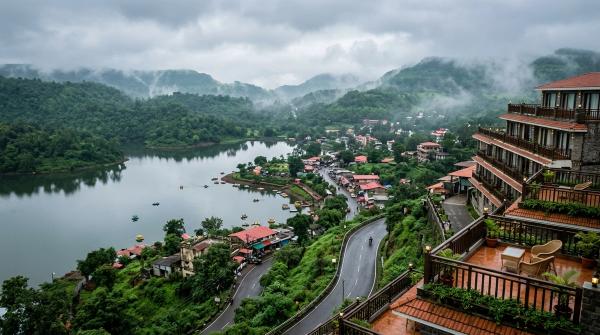

I always thought Udupi was one of those places I already knew because, you know, every second city in India has an Udupi restaurant serving dosa and coffee by the steel tumbler. Then I actually went to Udupi during the monsoon and realised I knew absolutely nothing. The real Udupi is wetter, greener, slower, saltier, more coconut-y, and somehow more comforting than the restaurant-board version of it. The rain comes down like it has personal issues, the roads shine black, temple bells mix with scooter horns, and every meal feels like someone’s grandmother is quietly correcting your life choices through sambar.
This was not my first trip to coastal Karnataka, but it was the first time I planned a trip around meals, coffee breaks, and hygiene stops. Sounds boring? It wasn’t. In 2026, food travel has changed a bit, at least for people like me who still want messy local food but also want clean water, proper handwash, and not spending the night arguing with their stomach. Everyone is talking about slow food trails, temple dining, farm-to-cup coffee, hyperlocal breakfasts, and this whole new travel habit of checking toilets before checking menus. Honestly, fair enough. Monsoon food is magical, but monsoon germs are also very ambitious.
Arriving in Udupi When the Sky Was Basically Leaking
#I came in by road from Mangaluru, that classic coastal stretch where the Arabian Sea keeps appearing and disappearing between coconut palms, petrol pumps, little churches, fish stalls, tiled-roof houses, and suddenly these dramatic sheets of rain. The air smelled of wet earth, diesel, sea salt, and frying batter. I know that sounds like a strange perfume, but if you’ve travelled in coastal Karnataka in July or August, you get it. The whole region feels steamed, like it has been cooked gently in its own weather.
Udupi town itself is compact but busy, especially around Car Street and the Sri Krishna Matha area. Pilgrims, students from Manipal, families on beach holidays, old men walking with umbrellas held like walking sticks, auto drivers yelling over rain. And food everywhere. Not loud food. Not Instagram-first food with gold dust and smoke machines. Proper, old-school, practical food. Idlis that absorb sambar like gossip. Dosas with crisp edges and soft middles. Goli baje, those plump fried clouds that are dangerous because you think you’ll eat two and then suddenly six have vanished.
First Stop: Mitra Samaja, Because Some Places Don’t Need Fancy Lighting
#My first real meal was at Mitra Samaja, near the Krishna Matha. It’s one of those places people keep recommending in a very serious voice, like they are passing down family property. I went in half drenched, hair doing weird things, and ordered masala dosa, goli baje, and filter coffee because I’m not a saint. The dosa came with that beautiful Udupi-style balance, not too aggressive, not trying to burn your face off with chilli. The potato was soft and mildly spiced, the chutney fresh, and the sambar had that gentle sweetness and depth you don’t always get outside Karnataka.
The goli baje though. My god. Outside crisp, inside soft and slightly tangy, like batter had gone through a small spiritual journey. Rain was thudding on the street outside and people were standing shoulder to shoulder, eating quickly but not anxiously. That’s something I like about Udupi meals. They are efficient, but never soulless. Nobody is doing ten-minute plating rituals. Food comes hot, lands in front of you, and basically says, eat before I lose my charm.
Monsoon rule number one in Udupi: if it is fried fresh, hot enough to make you wait, and moving fast from kitchen to table, you’re probably in good hands.
The Temple Meal That Quietly Reset My Brain
#You cannot talk about eating in Udupi and ignore the Sri Krishna Matha food tradition. The temple town has shaped what the world thinks of Udupi cuisine, especially its vegetarian cooking. I joined the meal line one afternoon, after wandering through the lanes near the temple, dodging puddles and cows and wet umbrellas. There is something humbling about temple dining. You sit, you recieve what is served, and for once your food choices are not some personality performance.
The meal was simple. Rice, sambar, rasam, vegetables, maybe a payasa depending on the day, and that quiet rhythm of volunteers serving row after row. I’m not going to pretend I had a mystical experience and saw the meaning of life in rasam. But I did feel very still. The food was clean, warm, sattvic, and deeply functional. No onion-garlic drama, no heavy masala, just balance. This is where the famous Udupi cooking philosophy makes sense: seasonal vegetables, coconut, lentils, tamarind, jaggery, curry leaves, mustard seeds, and patience.
Also, from a hygiene point of view, temple meals are interesting. Big volume cooking can go wrong anywhere, but the well-managed temple kitchens I saw had speed, routine, and hot service on their side. The food doesn’t sit around for hours in lukewarm sadness. Plates are washed in a system, people know what they’re doing, and the crowd moves. Still, I carried sanitizer, avoided touching my face, and drank only safe water. Devotion is good. Basic gut survival is also good.
What Udupi Tastes Like in the Rains
#Monsoon changes appetite. I don’t care what anyone says. In hot dry weather I want lime soda and maybe curd rice. In Udupi rain, I wanted hot, sour, fried, steamed, peppery, coconut-heavy things all day. The region gives you exactly that. Neer dosa, soft and lacey, with chutney or a vegetable curry. Kotte kadubu, idli batter steamed in jackfruit leaves, carrying this lovely earthy aroma. Pathrode or patrode, made with colocasia leaves layered with spiced rice paste, steamed, sliced, sometimes pan-fried. Mangalore buns, slightly sweet, banana-based, puffed and golden, which should honestly be more famous than half the global brunch items people queue for.
Then there are the coastal extras just outside the strict temple-veg frame. Around Udupi, Malpe, Kundapura, and the wider coast, fish curry meals are a big deal. I ate a fish thali near Malpe on a rainy afternoon after watching the sea behave like it had no manners. Red curry, rice, a little vegetable, fried fish, and that coastal heat which builds slowly instead of punching immediately. I know Udupi is known globally for vegetarian food, but if you eat seafood and you skip the coast’s fish meals, you’re missing a whole other chapter.
- For breakfast, I’d pick masala dosa, goli baje, idli-vada, or buns with coffee. Not all together unless you have heroic plans.
- For lunch, go for a proper meals plate or temple-style rice-sambar-rasam combo. It keeps you full without making you useless.
- For rainy evenings, look for hot bajji, bonda, kashaya, coffee, and anything that smells like curry leaves hitting oil.
- For beach days around Malpe, eat early and choose busy places where the fish is moving fast. Empty seafood counters in monsoon make me nervous, sorry.
Coffee in Udupi: Not a Plantation Town, But Very Much a Coffee Mood
#Let’s be clear, Udupi is not Chikmagalur or Coorg. You don’t come here expecting misty coffee estates right outside your hotel window. But coastal Karnataka drinks coffee with feeling, and most good cups here lean on beans from the Western Ghats, which are not far in spirit or supply. In 2026, I noticed more travellers doing this coffee-plus-coast route: Mangaluru, Udupi, Manipal, then up toward Agumbe, Sringeri, Chikmagalur, or Sakleshpur. It makes sense. You get sea, temple food, monsoon forest, and proper coffee in one lazy loop.
In Udupi town, filter coffee is still the hero. Stainless steel tumbler, strong decoction, milk, sugar unless you say otherwise, and that frothy pour that looks simple until you try doing it at home and splash your countertop like an idiot. I had one excellent coffee after a plate of goli baje, another near my hotel when the rain paused for exactly seven minutes, and a third in Manipal where the crowd was younger, laptop-ier, and more cold-brew curious. Manipal’s café scene has grown around students and remote workers, so you see espresso, pour-over, Vietnamese-style experiments, and those 2026-ish menus that list origin, roast, oat milk, and sometimes kombucha right next to masala chai.
Do I prefer old filter coffee to fancy café coffee in Udupi? Mostly yes. But I liked seeing both worlds. The travel trend now is not just ‘local versus modern’. It’s more like local plus curious. A café using Karnataka beans, jaggery, coconut milk, or spice infusions can be genuinely good if they don’t overdo it. One cold coffee I had was too sweet, like dessert pretending to be a beverage, but another with a darker roast and less sugar was brilliant after a humid walk through Manipal.
Diana, Gadbad, and the Dessert That Refuses to Be Sensible
#At some point in Udupi, someone will tell you to try Gadbad ice cream at Diana. Listen to them. Gadbad is not subtle. It’s layers of ice cream, jelly, fruits, nuts, syrup, and childhood chaos stacked in a tall glass. I went in thinking I’d have two bites because I was already full from lunch. Obviously I finished the whole thing. It is sweet, slightly ridiculous, and very Udupi in the way beloved old desserts often are. No foam, no deconstruction, no chef explaining texture. Just a glass of cold happiness that makes adults behave like school kids.
Diana Restaurant has been one of those local institutions people talk about with affection, and it still works because it doesn’t seem desperate to reinvent itself every season. That said, monsoon dessert hygiene is a thing. Ice cream, cut fruit, and cold items need more caution than hot dosa or coffee. I chose a busy time, watched the turnover, and checked that the place looked clean enough. Maybe I’m paranoid, but after one bad food poisoning episode years ago in another city, I have become that person. The fun person with ORS sachets.
My Monsoon Hygiene Checklist, Learned the Hard Way
#Food travel in monsoon is a love story with conditions attached. The rain makes everything taste better, but it also messes with drainage, water quality, transport, and storage. In 2026, I feel like more travellers are finally admitting that hygiene is part of the food experience, not some boring side topic. The new food travel crowd wants clean kitchens, refillable safe water, transparent sourcing, and toilets that don’t traumatize you. I’m fully on board. A beautiful thali followed by a filthy washroom is not a complete experience, no matter how good the pickle was.
- Eat hot food first. Steamed idlis, fresh dosas, hot rice meals, fried snacks straight from the kadai. Heat is your friend in the rains.
- Be careful with chutneys, salads, cut fruit, ice, and anything sitting uncovered. I still eat chutney, obviously, but I choose busy places and don’t take risks at random roadside stalls during heavy rain.
- Carry sanitizer, tissues, a small towel, ORS, and any basic meds you normally use. Pharmacies are around, but when your stomach is upset at midnight, planning feels like genius.
- Check water. Bottled, filtered, or trusted refill stations. A lot of hotels and cafés now advertise filtered water more clearly, which is a good trend and I hope it stays.
- Footwear matters. Wet sandals and temple streets are not cute after hour three. Wear something with grip, because slipping outside a dosa place is not the food memory you want.
A Rainy Morning Market Walk That Smelled Like Coconut and Green Chillies
#One morning I walked around the local market area, not with any big plan, just following the smell of vegetables, flowers, wet sacks, banana leaves, and spices. Markets in the monsoon are messy in a way that photos don’t properly show. There are puddles under baskets, vendors shifting tarps, coriander looking extra alive, and fish sellers moving quickly before the day gets too warm. I bought nothing except a packet of banana chips and some jaggery-coated peanuts, because apparently I turn into a snack-collecting squirrel while travelling.
What I loved was seeing the ingredients that make the cuisine feel so grounded. Coconut everywhere. Curry leaves that actually smell like something, not the sad packet version sitting in city fridges. Jackfruit, colocasia leaves, ash gourd, gourds, plantains, tamarind, dried chillies, fresh turmeric when lucky, and banana leaves used like packaging from a better civilization. One vendor laughed at me because I kept smelling curry leaves. Fair. I deserved that.
This is also where food innovation feels less like technology and more like returning to sense. The 2026 travel trend people keep calling ‘regenerative food travel’ sounds fancy, but in Udupi it can be very simple: eat what the region grows, don’t waste, use banana leaves, support old eateries, carry your bottle, and don’t demand strawberries in a coastal monsoon breakfast. Hyperlocal is not new here. It just got a trendy English name.
Malpe, Sea Wind, and Why You Should Time Your Meals
#Malpe beach in the monsoon is moody and beautiful, but not always the postcard version. The sea can be rough, boat services may be restricted depending on weather, and you need to check local conditions instead of just showing up with sunglasses and optimism. I went when the rain had eased, walked along the beach, watched families taking photos under grey skies, and then started thinking about lunch because travel makes me emotional but also hungry every two hours.
Food near beaches can be hit or miss, especially in bad weather. My rule is simple: don’t eat seafood from a lonely place where the staff look surprised to see customers. Choose busy, clean restaurants with visible turnover. Ask what is fresh. If you don’t understand the fish names, point, ask, laugh a bit, it’s fine. I had a coastal fish curry meal that was sharp, coconut-rich, and exactly what the weather demanded. Then I had coffee later because coastal humidity makes me sleepy in a way that feels illegal.
Where I’d Eat Again, and What I’d Skip Next Time
#I’d absolutely return to Mitra Samaja for dosa and goli baje. I’d do another temple meal, but go earlier and with more patience. I’d stop at Diana for Gadbad, preferably sharing one because my sugar tolerance is not what it used to be, though I say this and will probably not share. I’d explore more small breakfast places around Udupi and Manipal, especially the ones serving buns, neer dosa, and strong coffee without acting fancy about it.
What would I skip? Random cold snacks during heavy rain, uncovered street chaat, and any place where the floor is flooded but the owner is pretending it’s normal. I also wouldn’t over-plan every meal. Udupi rewards wandering. Some of my best bites came between planned stops: a hot bajji while waiting out rain, a tiny cup of coffee from a place I forgot to note down, a banana leaf meal where the pickle was so good I briefly considered asking for its life story.
A Practical Two-Day Udupi Monsoon Food Trail
#If a friend asked me how to do Udupi in the rains without turning it into a military operation, I’d say keep it loose but not careless. Day one: arrive by late morning, check into a place with clean bathrooms and reliable hot water, then head toward the Krishna Matha area. Eat at Mitra Samaja or another trusted old eatery nearby. Visit the temple, take your time around Car Street, and if you’re comfortable, join the temple meal system. Evening coffee, then Gadbad at Diana, because restraint is overrated on day one.
Day two: start with buns or idli-vada and filter coffee. Walk a market if the rain allows. Head to Malpe or nearby coastal spots only after checking weather and road conditions. Lunch can be a fish thali if you eat seafood, or a veg meals plate back in town if you don’t. Later, go to Manipal for a café stop, especially if you want to see the newer food-travel mood of Karnataka: students, specialty coffee, fusion snacks, digital payments, and menus that somehow include both fries and filter coffee. End with a light dinner because by then your stomach may file a complaint.
The Thing About Udupi Food Is, It Doesn’t Shout
#That’s what stayed with me after I left. Udupi food doesn’t shout. It doesn’t need to. It has travelled across India under the name of countless restaurants, but the real thing is quieter and more rooted. A good Udupi meal is about rhythm: rice, sambar, rasam, curd, pickle, vegetable, coffee, rain, repeat. The flavours are balanced, the portions generous, and the cooking carries this temple-town discipline even when you’re eating in a noisy hotel with wet umbrellas leaning against every chair.
And the monsoon makes it better, even when it makes logistics worse. Your clothes won’t dry. Your cab may be late. Your plans will change. You’ll step into puddles you thought were shallow and they are not, obviously. But then you’ll sit somewhere warm with a plate of fresh dosa or a tumbler of coffee, and suddenly the whole wet, inconvenient world feels worth it.
Final Thoughts, With Coffee Breath and Mud on My Shoes
#Udupi in the monsoon is not a polished food vacation. It is better than that. It is temple bells, banana leaves, slippery lanes, fried batter, coastal rain, strong coffee, old restaurants, young cafés, cautious hygiene choices, and meals that make you slow down without making a big speech about slowing down. Go hungry, carry sanitizer, respect the rain, and don’t act too proud to ask locals where to eat. They know. They always know.
I came back with damp clothes, too many photos of coffee cups, and a renewed belief that the best food trails are not just about famous dishes. They’re about how a place feeds you when the weather is difficult. Udupi does that beautifully. And if you want more messy, useful, very food-obsessed travel stories like this, I’d casually point you toward AllBlogs.in, because that’s the kind of rabbit hole I enjoy falling into between trips.