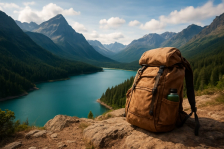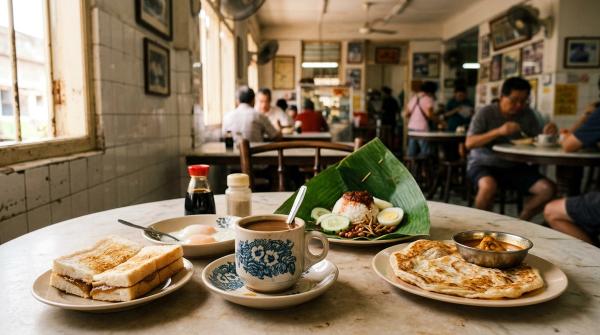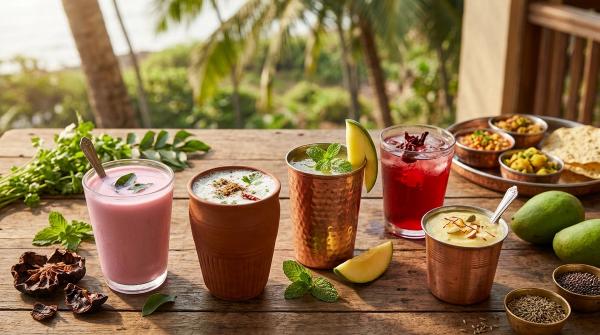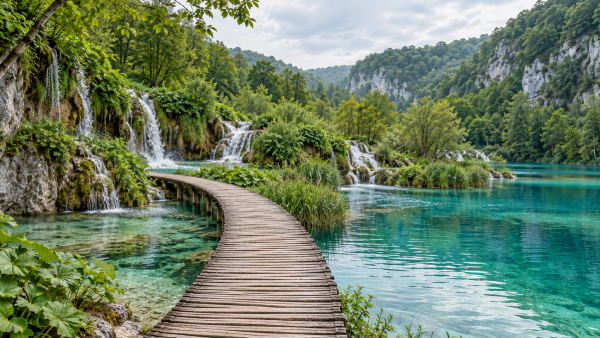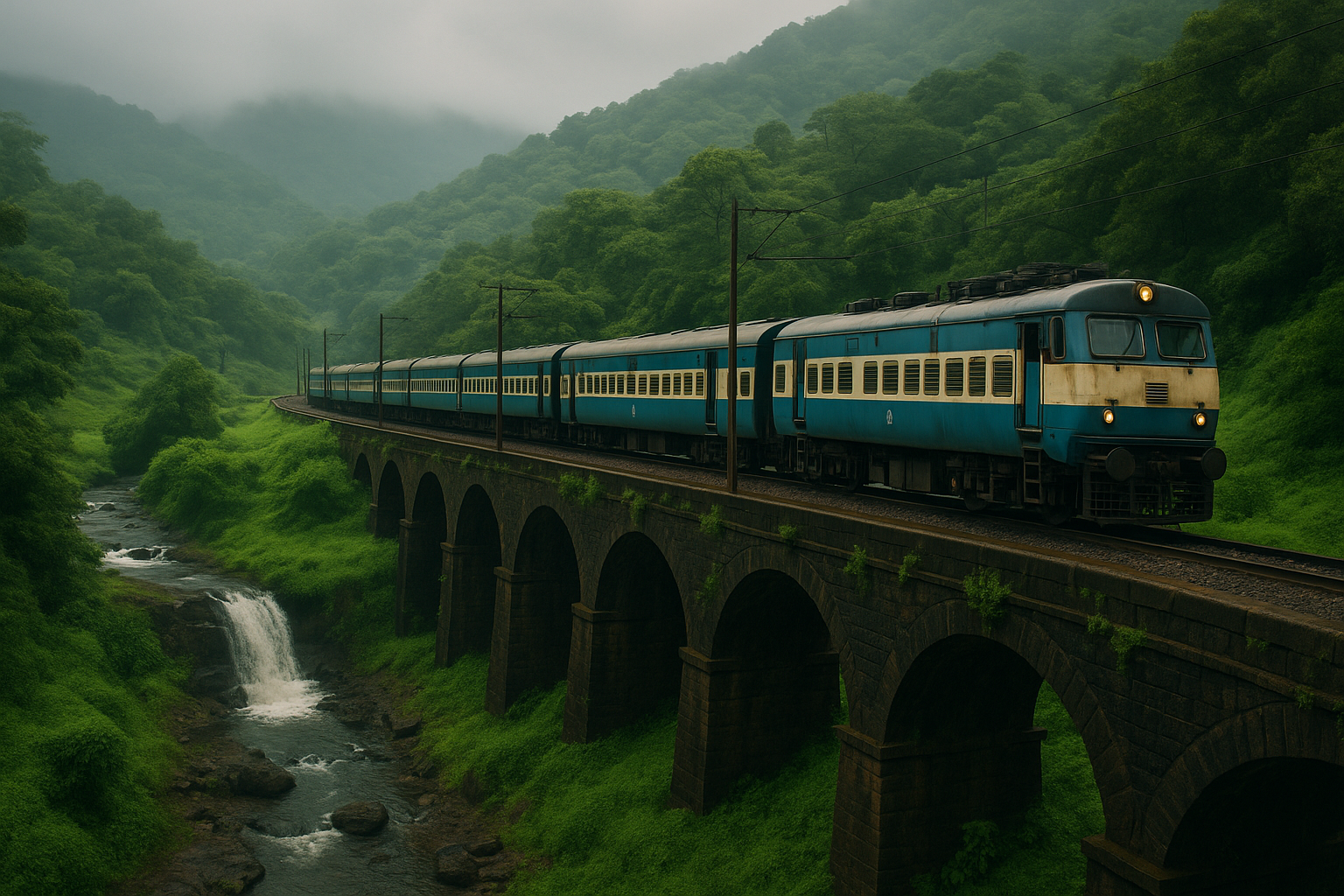
There’s something kinda magical about train travel in India during monsoon. Not the neat, postcard type of magical only. I mean the real thing — damp bags, fogged-up windows, wet platforms, chai in paper cups, vada pav wrapped in newspaper, and those sudden green views that make the whole compartment go silent for like ten seconds. If you’ve grown up taking trains in India, you probably already know this feeling. And if not, trust me, monsoon is when some railway routes turn downright cinematic. Waterfalls appear out of nowhere, paddy fields glow electric green, red soil gets darker, tunnels feel moodier, and every station smells of rain and frying snacks. Bit dramatic maybe, but not lying.
I’ve done a bunch of rainy-season train trips over the years — some planned, some very last minute because someone in the group said “chal yaar, let’s just go.” And honestly, the best monsoon train journeys in India are not always the fastest or fanciest ones. It’s the routes where the landscape keeps changing outside the window and where the stops have proper local food, not just boring packaged stuff. So this post is basically that — scenic train routes in monsoon, what to expect, where to sit if possible, what to eat on the way, and a few practical things people forget till it starts pouring like crazy.
Before you book anything — monsoon train travel is amazing, but a little unpredictable too
#Small reality check first. Monsoon travel in India is beautiful, but not always smooth. Landslides in hill sections, waterlogging near stations, late arrivals, route congestion, all of that can happen depending on the region and how intense the rains are that week. Western Ghats routes usually look their best from late June to September. Konkan side can be spectacular, but also the most delay-prone when rainfall gets wild. Nilgiri and Himalayan toy train sectors can face temporary disruptions too, so do check live train status and weather alerts a day before. This matters more now because weather has become less predictable than it used to be. One week it’s drizzling nicely, next week full orange alert.
Also, if you’re doing these journeys mainly for views, daytime travel matters a lot. I know this sounds obvious but I’ve seen people book overnight trains on scenic routes and then complain they saw nothing except black windows and one dim station light. Try for morning or daytime sections, especially in the ghats. Window seat helps, but honestly in Indian trains everybody rotates near the door at some point when the valleys start showing up. Just don’t lean out too much — railway safety rules are stricter now, and for good reason.
1. Mumbai to Goa on the Konkan Railway — probably the monsoon train journey everybody should do once
#If someone asks me for the one classic monsoon train route in India, I’ll blurt out Mumbai to Goa almost instantly. The Konkan Railway in rain is just... ridiculous. In the best way. You get tunnels, bridges, swollen rivers, banana trees, little tiled-roof houses, mist on the hills, sudden waterfalls, and those deep green stretches that look fake till you realize no, this is actually India being unfairly pretty. The route via Ratnagiri, Kudal, Sawantwadi Road and then onward to Goa is one of those journeys where you stop checking your phone after some time.
I first did this route in peak rains and made the mistake of carrying too little food because I thought station stops would be super long. They were not. So let me save you the trouble. From Mumbai side, pack some snacks before boarding, but do eat local whenever possible. Ratnagiri side sometimes has lovely mango products in season transition, though proper Alphonso season is earlier. On board, you may get standard pantry food depending on train, but better bits happen at stations and from trusted vendors. In Goa-bound trains, people around you will often have homemade poha, theplas, cutlets, idlis... one auntie literally fed half the bay once. This is why I love Indian trains.
- Best window views: after Roha, then long stretches through Chiplun, Ratnagiri, Kankavali, Sawantwadi side
- Best months: late June to early September if you want lush green drama, July is the wettest and most intense
- Food to look for: vada pav before departure in Mumbai, ghavan or local Konkani snacks if you spot them, solkadhi and seafood once you reach Goa
- Good halt for stay after the journey: Madgaon or Thivim for easy access, budget hotels often start around ₹1,200-₹2,500 in monsoon, mid-range ₹3,000-₹6,000 depending on area
One more thing. If you’re the kind who loves photography, keep a microfiber cloth. The window will get messy. Constantly. You wipe it, rain comes back, somebody touches it, then chai splash maybe... you get it.
2. Pune to Kolhapur — underrated, green, easy to do, and food is excellent
#This one doesn’t get hyped enough, I swear. The Pune to Kolhapur belt in monsoon is gorgeous in a softer, less touristy way. Sugarcane fields, cloud-covered hills, little stations, flooded patches of farmland, and that rich western Maharashtra greenery that somehow feels both familiar and fresh. It’s not as dramatic as Konkan in parts, sure, but it’s a very satisfying rainy train ride and much easier to fit into a weekend plan.
What really makes this route memorable for me though is the food angle. Pune station itself can sort you out with sabudana khichdi, misal if you eat before boarding, and decent chai. As you move south, the flavours change a bit, and by the time you reach Kolhapur, you should not leave without trying tambda rassa, pandhra rassa, or at least a solid Kolhapuri thali. If spicy food scares you, fair warning. They don’t play around there. I thought I could handle it. I could not, not fully anyway.
This route works well for people who want a scenic monsoon train trip in India without dealing with super long journey times. Plus, road connections onward to Panhala are easy if you want a misty hill-fort add-on. Budget stays in Kolhapur are usually pretty reasonable, around ₹1,000-₹2,000 for basic decent hotels, and more comfortable business hotels in the ₹2,500-₹5,000 range. During long weekends, book ahead. Monsoon weekend tourism has grown a lot, especially from Pune and Mumbai crowd doing quick escapes.
3. Bengaluru to Mangaluru — Western Ghats through the Sakleshpur stretch is just wow
#Now this route... yeah, this one really hits. The Bengaluru to Mangaluru train journey, especially the ghat section near Sakleshpur and Subrahmanya Road, becomes absolutely stunning in the rains. Dense forests, mist clinging to slopes, streams and waterfalls showing up, curving tracks, tunnels, bridges — the whole thing feels old-school adventurous. If you’re lucky with timing and visibility, it’s one of the most scenic railway routes in South India during monsoon, no question.
I did this route after hearing people compare it to a moving nature documentary, and okay maybe that sounds filmy, but they were not wrong. Even the compartment felt different. Less chatter, more staring out the window. Then suddenly everyone gets excited when a waterfall appears, and phones come out, and somebody says “arre left side, left side!” while the person sitting left is pretending not to enjoy being the VIP. Classic.
- Try to choose a day train where possible so the ghat section happens in daylight
- Keep some buffer in your plan because heavy rain can affect timings in ghat sections
- At Mangaluru, don’t miss neer dosa, ghee roast, buns, and good coastal fish meals if you eat non-veg
- Stays: budget lodges from around ₹900-₹1,800, nicer city hotels around ₹2,500-₹5,500
If you want to extend the trip, Udupi or even a quiet beach stay can be added. Monsoon sea is rough, so this is not really the season for beach swimming. But for atmosphere? Superb. Grey skies, hot food, fewer crowds. Lovely.
4. Nilgiri Mountain Railway — slow, touristy, yes... but still worth it in the rain
#Okay so technically this one is not your regular long-distance train experience. But if we’re talking best train journeys in India during monsoon, the toy train from Mettupalayam to Ooty deserves a spot. It’s slow, sometimes very slow, and tickets can be annoyingly hard to get in peak demand. Yet when the hills are wet and misty, and the blue-and-cream little train is chugging through tunnels and tea estate country, it feels almost unreal. There’s a reason people keep going despite all the hassle.
The monsoon mood here is gentler than the wild Konkan type. You get drifting clouds, soaked eucalyptus smell, mossy stations, and those green slopes around Coonoor that make you want to stop talking for a minute. I actually prefer this stretch in or just around monsoon over peak summer because the hills feel alive, not dusty and crowded. Only downside is fog can hide some views, but honestly the fog is part of the charm, no?
Food-wise, keep expectations practical on the train itself. Better to eat well before or after. In Mettupalayam and Coonoor you’ll find solid South Indian breakfast options — idli, vada, pongal, dosa. In Ooty, hot tea, varki, homemade chocolates, and fresh bakes always hit differently in cold wet weather. Stay prices swing a lot here. Budget guesthouses may start around ₹1,200-₹2,200 in off-peak rainy days, while heritage or nicer hill-view places can easily go ₹4,000 upward. Weekends, school holidays, and sudden tourist spikes change everything.
5. Jammu to Baramulla via the Kashmir Valley section — monsoon here feels different, softer, greener
#A lot of people don’t immediately think of Kashmir for monsoon train journeys, but the railway sections in the valley have their own beauty. The Banihal to Srinagar to Baramulla side, when open and running smoothly, gives you broad green landscapes, mountains in the distance, villages, orchards, and a kind of washed-clean look after rain that is hard to explain unless you’ve seen it. It’s not the thunderous waterfall drama of the ghats. It’s calmer. More open. More poetic, if I can say that without sounding too cheesy.
Now, important bit — always check current operational status and local advisories before planning anything in Jammu & Kashmir. Weather, security movement, maintenance work, all of this can affect plans. But when it works out, the journey is lovely and also very useful as a local travel experience rather than a purely tourist one. Food around the route, especially once you’re in Srinagar side, is half the joy anyway. Kahwa, girda, lavasa, kebabs, simple rajma chawal in local places, and in the right season, amazing fruit. Apples from a market stop taste better than they have any right to.
Accommodation in Srinagar ranges a lot — budget rooms maybe ₹1,500 onward in some areas, mid-range hotels and guesthouses often ₹3,000-₹7,000, and houseboats can be all over the place depending on lake, condition, and season. Monsoon isn’t the absolute peak tourist season there compared with spring or autumn, which sometimes means better deals if you book smart.
6. Guwahati to Silchar — dramatic Northeast scenery, rain, and proper comfort food
#This is one of those routes people should talk about more. The Guwahati to Silchar journey through Assam’s rain-soaked landscape can be incredibly beautiful, especially when the hills, forests, and river-fed greenery are at their fullest. The Lumding-Badarpur section has had a long, complicated railway history and weather impact has always been a thing in the Northeast, so again, do not travel on blind optimism only. Check updates. But scenery-wise, this route can be stunning in monsoon if conditions are stable.
And the food, yaar. Station tea in Assam during rain is almost a seperate emotional category. Add hot samosa, puri-sabzi, local sweets, maybe some simple rice meals later, and suddenly a delayed train doesn’t feel that tragic. I had one journey where it rained nearly the whole day and everybody in the compartment started exchanging snacks by noon. Someone had black rice pitha, someone else had chips from Guwahati, one uncle had oranges. Very Indian train, very wholesome.
Food stops that can make or break the journey, honestly
#Let me say this clearly — a scenic train route is great, but if the food is bad, the memory gets downgraded. Maybe not ruined, but downgraded for sure. For monsoon train travel in India, I usually follow a simple rule: eat one proper meal before boarding, carry one dry snack, one comfort snack, and then stay open to trusted station food. Dry snack means khakhra, chikki, roasted makhana, biscuits. Comfort snack means whatever makes you happy in the rain — chips, cake, murukku, banana chips, aloo bhujiya, no judgement. Then buy hot local food where turnover is high and hygiene looks okay.
- Best monsoon train food companions: cutting chai, medu vada, bread omelette, poha, idli, pakoda, corn chaat in some routes
- What I avoid in heavy rainy travel: cut fruits from random places, watery chutneys left out too long, seafood on platforms unless it’s from a known clean outlet after the journey
- Carry this always: tissues, hand sanitiser, steel or reusable bottle, ORS sachet, and one spoon because somehow it helps more often than you’d think
These days, app-based food delivery to train seats is also much better on many major routes, especially near larger stations. It’s useful, no doubt. But personally, I still prefer at least some part of the old-school station food experience. A rainy platform and hot chai just belongs to Indian train travel. That’s law, basically.
A few practical monsoon train tips nobody tells you till your bag is wet
#Pack light, but pack smart. Keep electronics in zip pouches. Carry a small towel. Footwear should dry fast — avoid fancy shoes unless you enjoy squelching sounds. For sleeper or long journeys, one thin shawl or light jacket helps because rainy weather plus train fan plus damp air can get weirdly chilly. If you’re traveling with family, keep extra socks. Wet socks can destroy human happiness at shocking speed. Also, power banks matter because delays happen and charging points are, well... railway charging points. Sometimes they work, sometimes they exist only spiritually.
For safety, avoid standing at open doors in crowded stretches during rain, and be extra careful on slippery platforms. This sounds basic, but every monsoon season there are enough near-miss moments to remind you not to be casual. Women traveling solo on these routes should ideally choose reserved classes with good occupancy, share live location with family, and arrive at stations with some time in hand rather than rushing through puddles and chaos. Most journeys are completely fine, but planning reduces stress. A lot.
So, which is the best monsoon train journey in India?
#Annoying answer, but true — it depends on what kind of rain-travel person you are. If you want maximum dramatic scenery, Mumbai to Goa on the Konkan Railway is the legend for a reason. If you want a shorter and easier weekend route with great food waiting at the end, Pune to Kolhapur is excellent. If forests and mountain rail vibes are your thing, Bengaluru to Mangaluru is a stunner. If you want heritage charm, go for the Nilgiri Mountain Railway. And if you like quieter, less-mainstream beauty, the Kashmir Valley section or Guwahati to Silchar can stay with you for a long time.
For me, the best monsoon train journeys in India aren’t only about scenery. It’s the full mix — wet station smell, strangers sharing snacks, chai that tastes better because it’s raining, and that moment when the whole window turns green and everybody notices at once.
One last thing before you start checking train schedules. Don’t overpack your itinerary. Pick one route, maybe one overnight stay, one good food plan, and leave room for rain to mess with the timing a little. That’s part of it. Some of my favorite train memories happened because the journey slowed down. Also yeah, if you’re reading this around 2026 or whenever, just check the latest railway alerts and route conditions because monsoon patterns have been changing and some sections can get affected more than expected.
Anyway, if you’ve been thinking of doing a rainy train trip in India, this is your sign. Book the window-side dream if you can, carry snacks, don’t wear jeans that never dry, and let the journey do its thing. And if you want more travel stories like this, slightly messy but useful, go have a look at AllBlogs.in.