Rain, bhog, chai, and that long climb from Katra
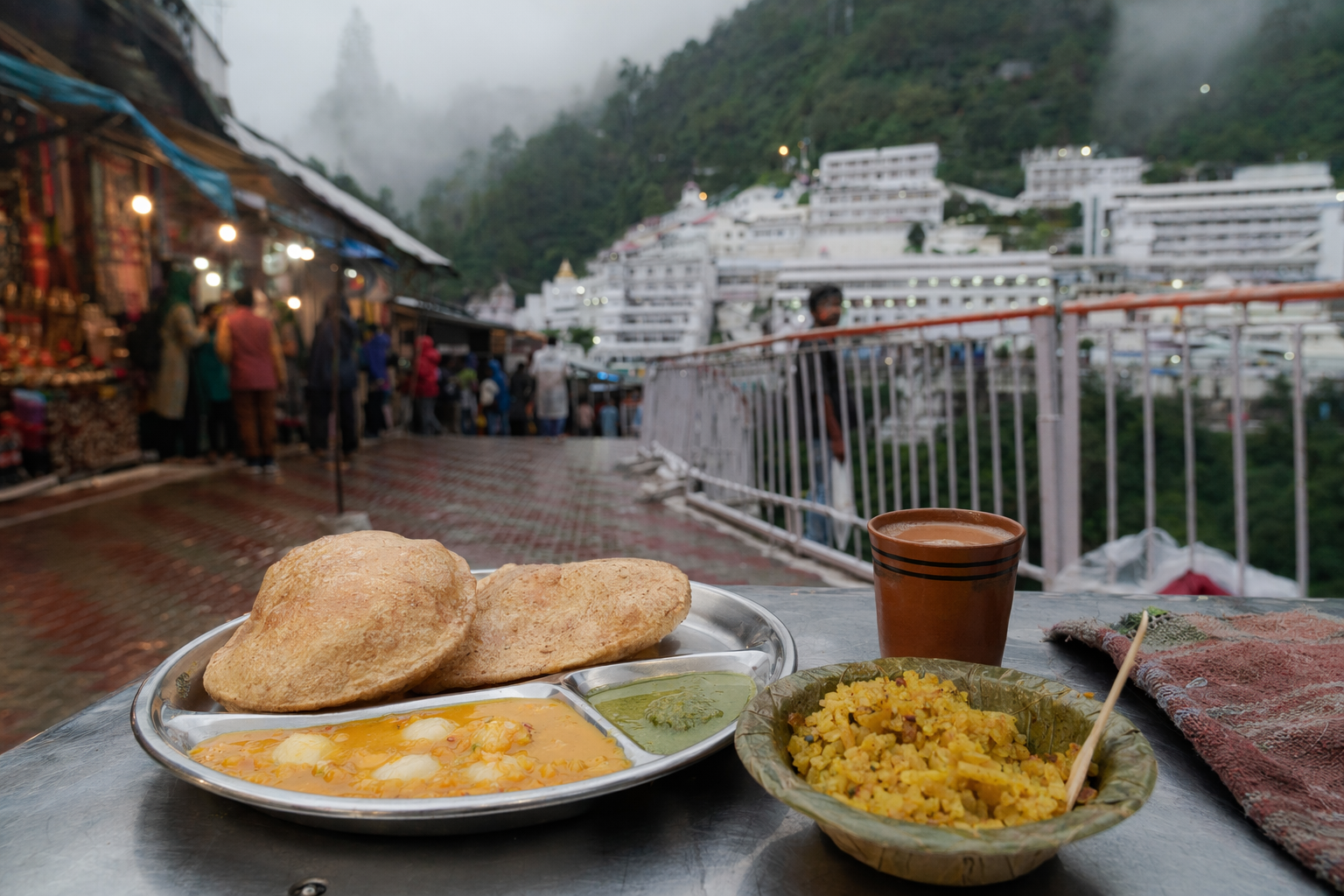
#I have this weird soft corner for pilgrimage towns in the rains. Everything is messier, slower, more emotional somehow. Katra in monsoon is exactly like that. Wet sandals, fog sitting low on the Trikuta hills, shopkeepers shouting “poncho le lo!”, and somewhere between all this chaos you get handed a steel glass of hot chai that tastes better than any fancy café drink. That was basically my Vaishno Devi yatra food story. Not a polished luxury food trail, not Instagram-perfect plates, but proper travel eating... the kind where you remember the steam, the tired legs, the smell of wet earth, and the aunty next to you sharing mathri like you are family.
The thing with Vaishno Devi is that food is not just food. It is planning, comfort, energy, faith, and honestly, sometimes survival because monsoon can make you cranky and hungry at the same time. Katra is the base town for the yatra, and most people start from here after getting their yatra registration sorted. The shrine route climbs toward Bhawan through the Trikuta hills, and in rainy months the whole experience changes. You can’t just eat anything heavy and then start walking. You also can’t depend only on one packet of chips and one heroic attitude. I learned this the hard way, obviously.
My first monsoon evening in Katra, and why I still think about that rajma
#I reached Katra on a damp evening when the clouds looked like they had parked themselves above the bus stand and refused to move. My backpack was half-wet, my socks were fully-wet, and I had that travel hunger where you want something homely but also exciting. Everyone talks about Jammu rajma, and yes, I know Katra is a pilgrimage town and the food scene is mostly vegetarian and practical, but don’t underestimate it. A simple rajma chawal plate in Katra after a long ride can feel like some grand royal thali. Mine came with rice that was a bit clumpy, extra gravy poured with zero drama, and a sharp pickle on the side. Was it the best rajma in the world? Maybe not. Did I eat it like I had found treasure? Absolutely.
That’s what I like about eating in Katra. The food is mostly sattvik-ish, vegetarian, filling, and designed for travellers who are either about to walk, just came back, or are waiting for family members who got separated somewhere near Banganga because someone stopped for tea. You get North Indian staples, parathas, curd, dal, rice, chole, poori, aloo sabzi, tea, milk, sweets, dry snacks, fruit, and plenty of packaged stuff. Some places do South Indian breakfasts too, and when they’re fresh, idli and dosa can be a blessing before a climb. If you’re new to Indian breakfasts or travelling from abroad, I’d honestly read something like Indian Breakfast Guide for Foreign Tourists: Idli, Dosa, Poha & Safety because chutney, water, and freshness matter more than people admit.
Before the climb: what I ate, what I regretted, what I’d do again
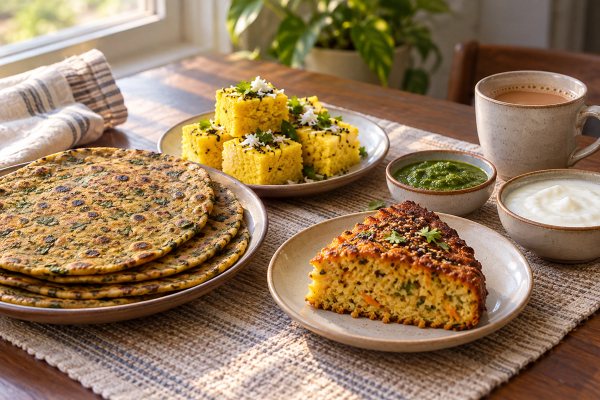
#So, my plan was simple. Eat light, start early, keep sipping water, and not act like I’m in a buffet competition. Naturally I failed at part two because I saw hot aloo parathas. In my defence, they were beautiful. Crispy edges, soft inside, white butter slowly melting, curd on the side. Rain tapping on the plastic roof of the dhaba. The whole scene was unfair. I ate one and a half, then had chai, then bought a packet of namkeen “just in case”. Thirty minutes later I was walking uphill and negotiating with my own stomach like, brother please cooperate.
If you’re starting the yatra in monsoon, breakfast is where you need to show some maturity. I hate saying that because travel is for enjoyment, but heavy oily food plus humidity plus uphill walking is not always cute. A better pre-yatra breakfast, in my opinion, is something like plain paratha with curd, poha if available fresh, idli, toast, banana, light upma, or simple dalia. If you need chai, have chai, I’m not a monster. Just don’t drink three cups because the weather is romantic and then complain every 20 minutes.
- Good before-climb foods: banana, curd rice if you find it fresh, plain paratha, idli, poha, toast, light khichdi, and simple dal chawal if you’re starting later.
- Foods I’d keep for after darshan: extra spicy chole bhature, very oily pakoras, heavy sweets, too much pickle, and anything that has been sitting open in the damp air.
- Monsoon rule I follow now: if it smells even slightly off, don’t debate. Just don’t eat it. Your stomach is not a research lab.
Katra market food: not fancy, but full of little joys
#Katra’s main market has that classic pilgrimage-town rhythm. Raincoats, walking sticks, prasad shops, woollen caps even when you don’t need them, budget hotels, restaurants with giant menu boards, and sweet shops glowing like beacons. I spent a lot of time just walking around and tasting small things. Not in a “food critic” way, more like a hungry person with no discipline. The jalebi near the market was hot and slightly chewy, the kind that sticks to your fingers. I had it with milk once, which felt old-school and comforting. Another time I had a plate of chole kulche that was probably too spicy for a walking day, but I was sitting under an awning watching rainwater run down the street, so it felt perfect.
Restaurant-wise, Katra has a mix of simple bhojanalayas, hotel restaurants, dhabas, sweet shops, and quick snack counters. You’ll see names changing, boards changing, and quality can vary, so I don’t like over-promising one “best” place. My personal filter is boring but useful: busy place, hot food, clean-ish counter, turnover happening, and local families eating there. If a place has fresh rotis coming out and dal bubbling, I trust it more than a place with 80 dishes on the menu and nobody inside. Also, in monsoon, I avoid cut fruit from open carts unless I can see it being peeled fresh. I know, I sound like somebody’s cautious uncle, but stomach trouble on a yatra is a full tragedy.
Snacks to carry when the rain is being dramatic
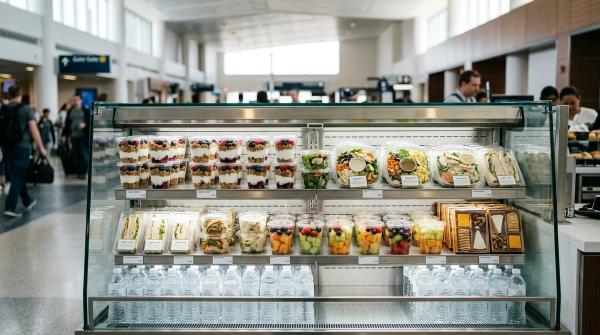
#Carrying snacks for Vaishno Devi in monsoon is a balancing act. You don’t want to carry your whole kitchen because the climb is already enough, but you also don’t want to be stuck in a queue or shelter with only wet peanuts and regret. I usually pack roasted chana, plain biscuits, dry fruits in a small zip pouch, one or two bananas for early use, glucose biscuits, and a small jaggery or chikki piece. Not too much. Damp weather makes snacks go soft and weird fast. And if your bag gets wet, everything becomes a sad paste, which is not the spiritual experience we came for.
Long darshan queues and rainy delays are where people get careless. They eat random spicy mixtures, forget water, then wonder why acidity is attacking them like a villain. For a deeper snack-planning nerd-out, the guide on Indian Temple Queue Snacks in Monsoon: What to Carry Safely is honestly useful because temple queues are their own ecosystem. My tiny advice: carry snacks that don’t smell strong, don’t leak oil, don’t spoil quickly, and don’t make you thirsty like crazy. Also keep your snack pouch separate from wet clothes. Sounds obvious. I still messed it up once.
My small monsoon snack list, the non-glamorous version
#- Roasted chana or makhana, because they’re light and don’t punish your stomach too much.
- Dry fruits, but not a huge packet. A few almonds and raisins are enough, you’re not opening a trekking café.
- Glucose biscuits or plain crackers. Not exciting, but useful when your energy suddenly dips.
- ORS sachet or electrolyte powder if you normally use it, especially because rain tricks you into drinking less water.
- A steel or sturdy reusable water bottle. Plastic bottles are everywhere, but carrying one bottle and refilling where safe feels better.
Eating on the route: chai, Maggi energy, and the danger of overdoing it
#On the route, food becomes emotional. You are tired, fog is moving through the lights, ponies pass by, people chant “Jai Mata Di”, and then you see a tea stall. Suddenly that tea stall feels like civilization itself. I had more chai on that climb than I planned. Some stalls have basic snacks, biscuits, packaged water, tea, coffee, bread pakora, paratha, Maggi-style noodles, and simple meals depending on the point and time. There are also Shrine Board facilities and food options along the pilgrimage route, but availability and timings can change, especially in rough weather, so check locally before assuming anything.
I’m not anti-Maggi. Actually, I think hot noodles in mountain rain have a special place in Indian travel culture. But if you eat salty noodles, pakoras, tea, and sweets back-to-back, your body may file a complaint. I saw one guy near a shelter eat a full plate of noodles, two cups tea, and then start the next stretch like he was in an action movie. Ten minutes later he was sitting with the saddest face. Me and him exchanged that look travellers know: no judgement, only sympathy.
The best route food, for me, was plain chai with a biscuit and later a simple dal-rice plate. Nothing dramatic. Dal rice during a wet pilgrimage tastes like reassurance. You feel warm from inside and the rice gives you steady energy. I also had a small bowl of kheer at one point, and maybe it was because I was tired, but it tasted ridiculously good. Sweet, milky, soft, and not too heavy. Some foods you enjoy because they’re technically great. Some because your feet are hurting and your soul needed sugar.
Monsoon hygiene: boring topic, but please don’t skip it
#I know nobody wants to read a lecture when they’re planning a yatra, but monsoon food hygiene is not a small thing. Rain means damp counters, slower drying, flies hiding and coming back, water getting into places it shouldn’t, and food that looks okay but maybe isn’t. Katra has plenty of decent, hardworking food places, and most vendors know yatris need safe, quick meals. Still, you have to use your eyes. Eat where turnover is high. Prefer hot, freshly cooked food. Ask for fresh curd, not something that has been sitting out forever. Be cautious with chutneys, sliced salads, cut fruit, and watery drinks made with unknown water.
I also carry basic stomach meds that my doctor has okayed, because travel stomach is a mood spoiler. Not giving medical advice here, obviously, but if you have acidity, diabetes, BP issues, or any medical condition, plan your eating times like an adult. The Vaishno Devi yatra can be physically demanding, and rain adds slippery patches, humidity, and delays. Food cannot fix bad planning. It can only help.
After darshan hunger is a different animal
#There is hunger, and then there is post-darshan hunger. After hours of walking, waiting, climbing, slowing down, removing shoes, finding socks, losing patience, gaining it back, and finally getting that quiet moment of darshan, you come out feeling lighter and also violently hungry. I wanted everything. Rajma. Kadhi. Poori. Halwa. Tea. Maybe all together. But the smartest meal after darshan is warm, simple, and not too spicy. My favourite post-darshan plate was kadhi chawal with a little pickle. The kadhi was tangy, the rice soft, and I ate slowly because my legs were done negotiating.
If you are returning to Katra the same day, keep a proper meal waiting in your mind like a reward. Many people come down and go straight for a thali, and I get it. A good vegetarian thali in Katra can include roti, dal, sabzi, rice, curd, pickle, maybe sweet. Simple and complete. After rain and walking, curd can feel cooling, but again, freshness matters. I avoided cold lassi at night because my throat was already arguing with the weather. Next morning though, I had sweet lassi with aloo kulcha and no regrets. Okay, small regret. But tasty.
What local flavours to look for around Jammu and Katra
#Katra is tourist-heavy, so you’ll find a broad North Indian menu everywhere, but try to look for Jammu-style comfort food when you can. Rajma chawal is the big one, especially the smaller red beans cooked till creamy. Kalari cheese is another regional favourite from Jammu and Udhampur side, though it’s easier to find in some places outside the strict pilgrimage food lanes. It’s usually pan-fried and served in bread or with chutney, salty and chewy and honestly addictive. In Katra, availability depends on the eatery, so don’t build your whole trip around it, but if you spot a clean place making fresh kalari kulcha, try it.
You may also come across khatta meat in Jammu region, but Vaishno Devi pilgrimage food around Katra is largely vegetarian because of the devotional context, so I’d keep the non-veg cravings for another part of the trip. What I loved more were the sweets: hot jalebi, besan ladoo, patisa, and halwa from prasad shops. Buy prasad from busy shops where turnover is high, and keep it dry in monsoon. Moisture ruins texture fast. One shopkeeper wrapped my prasad packet in extra plastic and said, “baarish mein sab bachake rakho.” In rain, save everything. Food, socks, phone, faith.
Where to eat in Katra without overthinking it
#People keep asking for exact restaurant names, but honestly, Katra changes and the safest “best place” is often the one that is busy that day and serving hot food. Around the main market, bus stand side, hotel lanes, and near the yatra starting areas, you’ll find plenty of vegetarian restaurants and bhojanalayas. Look for places making rotis fresh, not reheating tired stuff. For breakfast, I’d pick a place where idlis are steaming or parathas are rolling out fast. For lunch, dal-rice or rajma-rice. For dinner, a thali or khichdi if your hotel can arrange it. Some hotels will do simple food better than the restaurant with a huge neon board, which is annoying but true.
If you’re travelling with older parents or kids, don’t get too adventurous before the climb. Keep one familiar meal. My mother, for example, does not care about my “food exploration” when she is tired. She wants dal, roti, curd, and tea. Fair. And if you’re doing other temple routes in India, food timing becomes a whole skill. I had similar lessons on a totally different route, and this Hyderabad to Srisailam Food Stops & Temple-Day Guide gives that same practical vibe of breakfast timing, safe snacks, and not torturing your stomach on a temple day.
A loose one-day food plan for monsoon yatris
#Don’t treat this like a strict itinerary because weather, crowds, your walking speed, and your family’s tea addiction will change everything. But if I had to do Katra in monsoon again, I’d keep it like this. Early morning: warm water or tea, banana, light breakfast like idli, poha, toast, or one paratha with curd. Start before the day gets too heavy, if weather allows. Mid-route: sip water, small snack, tea only if you really want it. Lunch-ish on route or after darshan: dal-rice, khichdi, curd rice, or simple thali. Evening back in Katra: rajma chawal or kadhi chawal. Sweet: jalebi or halwa, but not a mountain of it because tomorrow your body will remember.
- Check official yatra and weather updates before starting, especially in monsoon. Landslides, crowd flow, and route conditions can affect timing.
- Keep your food bag waterproof. Even a basic zip pouch inside your backpack saves snacks from becoming damp crumbs.
- Eat hot food. This is my biggest rule in rainy pilgrimage towns. Hot dal beats fancy cold salad every single time.
- Don’t skip water just because the weather feels cool. You’re still walking uphill and sweating under that raincoat.
- Leave room for unplanned chai. Because honestly, that’s half the joy.
Little mistakes I made so you don’t have to
#I packed too many snacks and then carried them like emotional baggage. I ate paratha too close to starting. I wore socks that took forever to dry. I trusted one chutney I probably should not have trusted, though thankfully nothing dramatic happened. I also forgot that rain makes you slower. Food breaks become longer because you’re waiting for a dry spot, a seat, a shelter, a cup of tea, a toilet queue. So if you’re planning meal timings, add buffer. Add more buffer. Then add one more because somebody in your group will want corn on the cob at the wrong time.
But I also did some things right. I ate local-ish comfort food instead of chasing fancy meals. I asked shopkeepers what was fresh today, not what was famous. I carried plain snacks. I didn’t drink random colourful juices from open containers. I stopped when I was hungry instead of trying to be brave. Travel teaches you that bravery is overrated when your blood sugar drops. Sit. Eat a biscuit. Continue.
In Katra during monsoon, the best meal is not always the most famous one. It is the one that is hot, fresh, simple, and eaten with wet hair while your legs are quietly begging for rest.
Final bites from a rainy Vaishno Devi food trail
#Vaishno Devi yatra in monsoon is not an easy food trip, and maybe that’s why I loved it. It asks you to be practical and emotional at the same time. You plan your snacks, then forget everything because the hills are covered in mist. You promise to eat light, then a jalebi winks at you from a sweet shop. You complain about wet shoes, then one cup of chai fixes your whole personality. Katra’s food is not trying to impress you with plating or trends. It feeds you. That’s the word. Feeds. Warmly, quickly, sometimes imperfectly, but with the kind of sincerity pilgrimage towns have.
If you’re going, go hungry but not foolish. Eat the rajma. Respect the rain. Carry dry snacks. Choose hot food. Don’t turn every meal into a challenge. And leave some space for those tiny food memories that sneak up later: the steam from dal, the crunch of jalebi, the smell of chai near a shelter, the shared biscuit in a queue. That’s the real Katra guide, at least for me. For more food-travel rambles and practical desi travel eating ideas, I keep finding nice reads on AllBlogs.in, so yeah, wander there too when you’re planning your next trip.