There’s a very specific kind of heartbreak that happens when you travel for food and your stomach suddenly decides to become the main character. You’ve flown across the world, bookmarked noodle stalls, tiny bakeries, seafood shacks, night markets, maybe even that one restaurant you saw on a food show… and then boom. Food poisoning. Or something close enough to it that you’re hugging a hotel bathroom floor and making dramatic promises to every god you’ve ever heard of. I’ve been there. More than once, honestly, which is not a brag. The worst part isn’t even the sickness itself, though that is awful. It’s waking up in a city famous for food and realizing the only thing you can even think about eating is a plain cracker. Cruel. But recovering properly matters, especially when you’re still on the move, changing hotels, catching trains, or trying not to miss the one market you came all that way for.
First, the Not-Fun Bit: When Food Poisoning Needs More Than Rice and Tea
#I know this is a food travel blog and not a doctor’s office, but before we talk about congee and bananas and hotel-room toast, it’s worth saying: food poisoning can get serious. Travel clinics, the CDC, and most public health advice all say hydration is the big thing, especially if you’ve had vomiting or diarrhea. If you see blood, have a high fever, can’t keep fluids down, feel dizzy or confused, or symptoms drag on for more than a couple days, don’t try to be heroic. Find a clinic or pharmacy and get proper help. Also, kids, older travelers, pregnant travelers, and anyone with a weaker immune system shouldn’t mess around with it. I once tried to “walk it off” in Istanbul because I was stubborn and wanted lentil soup near the Grand Bazaar. Bad idea. I made it about three blocks, turned grey, and had to sit on a curb pretending I was admiring architecture. Not my proudest travel moment.
The First 12 Hours: Sip, Don’t Feast
#After the worst of it passes, your stomach is not ready for your usual vacation personality. You know the one: “I’ll try everything, extra chili, yes please.” No. Not yet. The first stage is boring and honestly kind of humbling. Small sips of water, oral rehydration solution if you can find it, or a pharmacy electrolyte packet stirred into bottled water. In lots of countries, pharmacies sell rehydration salts over the counter, and they’re usually cheap and easy to pack. I keep a couple packets in my toiletry bag now, right next to blister plasters and the tiny bottle of hand sanitizer I always forget exists until too late. If you can’t get ORS, broth can help. Weak tea can help. Coconut water is okay for some people, though it can be sugary and not everyone’s stomach loves it right away. The key is not chugging. Chugging feels satisfying for about 12 seconds and then your stomach may revolt again. Tiny sips. Annoying but effective.
My Bangkok Bathroom-Floor Lesson, Featuring Rice Porridge
#Bangkok is one of my favorite eating cities on earth. I mean, how do you compete with grilled pork skewers at 9 a.m., boat noodles, mango sticky rice, papaya salad that makes your scalp sweat, and those little crispy pancakes filled with coconut cream? But on one trip, after a very enthusiastic night market crawl, my stomach tapped out. I’ll never know exactly what did it, and blaming one vendor feels unfair because sometimes travel stomachs are just delicate little divas. The next day, the smell of frying garlic made me want to cry, which is basically a spiritual crisis in Thailand. A woman at the guesthouse kitchen suggested jok, Thai rice porridge, plain-ish, soft, warm, with just a little ginger. That bowl saved me. Not in a dramatic movie way, but in the “oh wow, I can be a person again” way. It was food, real food, but gentle. Soft rice, warm broth, no aggressive spice, no crunchy fried bits. I still think about that bowl more fondly than some fancy tasting menus.
Safe First Foods: The Boring Stuff That Actually Works
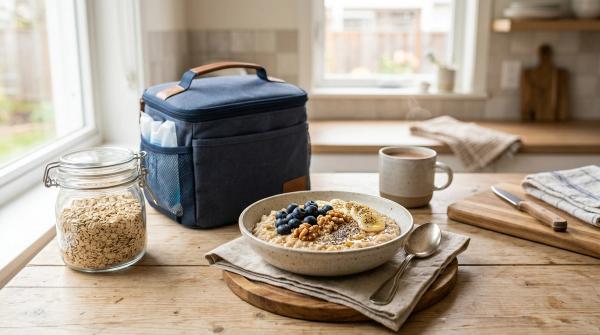
#The first foods after food poisoning are usually not the foods you traveled for, and that’s okay. Think soft, bland, low-fat, and easy to digest. Bananas are a classic for a reason. Plain rice, toast, crackers, applesauce, boiled potatoes, noodles in light broth, oatmeal, and rice porridge are all good “testing the waters” foods. I know the old BRAT diet, bananas, rice, applesauce, toast, gets mentioned everywhere, and while it’s not meant to be your whole diet for days, it’s a decent starting point when your stomach is acting dramatic. I also like plain yogurt only after I’m clearly improving, and only if dairy normally agrees with me. Some people swear by probiotics after stomach bugs, some don’t notice much, but fermented dairy can be soothing if your gut tolerates it. Start with a few bites. Wait. Then a few more. This is not the moment for a heroic buffet plate.
- Banana: easy, portable, gentle, and sold almost everywhere from Mexico bus stations to Bali minimarts.
- Plain rice or congee: probably the closest thing the world has to a universal recovery meal.
- Toast or crackers: boring as cardboard, but sometimes cardboard is exactly the vibe.
- Clear soup or broth: warm, salty, hydrating, and easier than chewing when you feel pathetic.
- Boiled potatoes or plain noodles: filling without being too rich, as long as you skip heavy sauces.
Hotel-Room Recovery Meals, aka My Sad Little Picnic Era
#Some of my most memorable travel meals have happened in hotel rooms, which sounds glamorous until I admit they were mostly crackers eaten on a towel because I didn’t trust the desk. When you’re recovering, your room can be safer than hunting for food while weak and sweaty. A supermarket run, or asking a travel buddy to do one, can set you up nicely: bottled water, bananas, plain bread, rice cups, instant oats, broth packets, maybe a mild soup. If your room has a kettle, it can be a lifesaver for tea, instant oatmeal, or simple noodle soup, but please don’t assume every hotel kettle is pristine. I’ve become a little intense about rinsing and boiling once before using it, especially after seeing what people joke about doing with kettles online. If you’re making tea or instant meals in your room, this guide on Hotel Electric Kettle Food Safety: Tea & Hygiene Tips is actually worth reading before you trust that shiny little appliance.
The Breakfast Buffet Trap
#Hotel breakfast after food poisoning is dangerous, not because breakfast is bad, but because buffets make us stupid. There you are, still pale, telling yourself you’ll just have toast, and suddenly there’s a waffle machine, sausages, cut fruit, creamy eggs, pastries, three juices, and something local that smells amazing. Don’t do it. Or, okay, do it later, but not on your first morning back. At a buffet, I usually go for dry toast, plain rice if they have it, oatmeal, a banana in its peel, and tea. I skip scrambled eggs sitting in a tray, creamy sauces, cold meats, raw greens, cut fruit that’s been hanging out, and anything that makes me wonder how long it’s been there. If you’re unsure what’s smart at a buffet when your stomach is fragile, the advice in Hotel Breakfast Buffet Safety: What to Eat or Skip lines up with what I’ve learned the hard way: simple, hot, and boring usually wins.
Destination Recovery Foods I Actually Look For
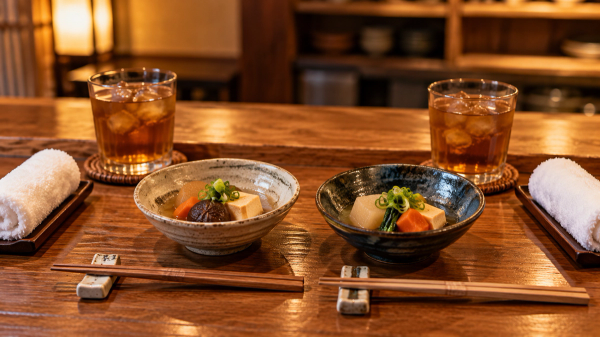
#One thing I love about food travel is that almost every cuisine has a comfort food built for weak stomach days. In Japan, okayu is rice porridge, often simple and soothing, sometimes with a little umeboshi if you can handle the sharpness. In China and much of Southeast Asia, congee or rice soup is everywhere, from hotel breakfasts to tiny neighborhood places. In Portugal, a simple canja, chicken and rice soup, can feel like someone’s grandmother is quietly saving you. In Mexico, plain arroz, caldo de pollo, or a warm tortilla with a bit of salt can be perfect before you go anywhere near salsa again. In India, curd rice is beloved for a reason, though I personally wait until vomiting is fully done and dairy sounds okay. In Turkey, mercimek çorbası, red lentil soup, is gentle if it’s not too oily or spicy. These dishes aren’t “sick food” in a sad way. They’re everyday comfort foods, and eating them while recovering makes you feel connected to the place instead of exiled from it.
What I Avoid Until My Stomach Stops Being Dramatic
#This is where my food-loving heart fights my common sense. After food poisoning, I avoid fried foods, rich sauces, heavy dairy, alcohol, lots of coffee, very spicy dishes, raw seafood, street food that’s been sitting around, and big salads. Especially salads. I love a crunchy, herby, beautiful salad when traveling, but raw produce can be risky in places where water quality or handling is uncertain, and after a stomach upset your gut doesn’t need that challenge. Even in “safe” destinations, raw greens are just harder to digest when you’re recovering. If you’re tempted by grab-and-go greens or airport salads because they look healthy, maybe pause and read Packed Salads While Traveling: Safe or Skip?. Healthy-looking doesn’t always mean gentle, and gentle is the whole assignment right now.
- Skip booze for a bit, even the cute local spritz or cold beer calling your name.
- Avoid spicy food until you’re normal again, and I say this as someone who loves chili oil with an unreasonable passion.
- Don’t restart with raw oysters, ceviche, sushi, or anything that needs perfect handling to be safe.
- Go easy on coffee. I know. I’m sorry. It’s rude, but true.
- Avoid giant portions, because a recovering stomach does not care that you paid for the tasting menu.
How to Order When You Don’t Speak the Language and Need Plain Food
#This is one of those practical travel skills nobody brags about on Instagram: learning how to ask for bland food. Before a trip, I now save a few phrases in the local language, like “plain rice,” “no spice,” “no dairy,” “boiled,” “soup,” and “not fried.” Translation apps help, though they can also produce comedy. In Oaxaca, after a bad stomach day, I tried asking for “plain chicken soup, not spicy” and somehow got a very intense broth with chile oil floating on top. It smelled incredible. I wanted to be brave. I was not brave. The cook saw my face, laughed kindly, and brought me rice and tortillas instead. People are usually lovely if you’re polite and not acting like their food is the problem. I’ll say something like, “My stomach is sick, can I have it very simple?” and point to rice or bread. A little humility goes a long way.
Street Food After Food Poisoning: Not Never, Just Not Yet
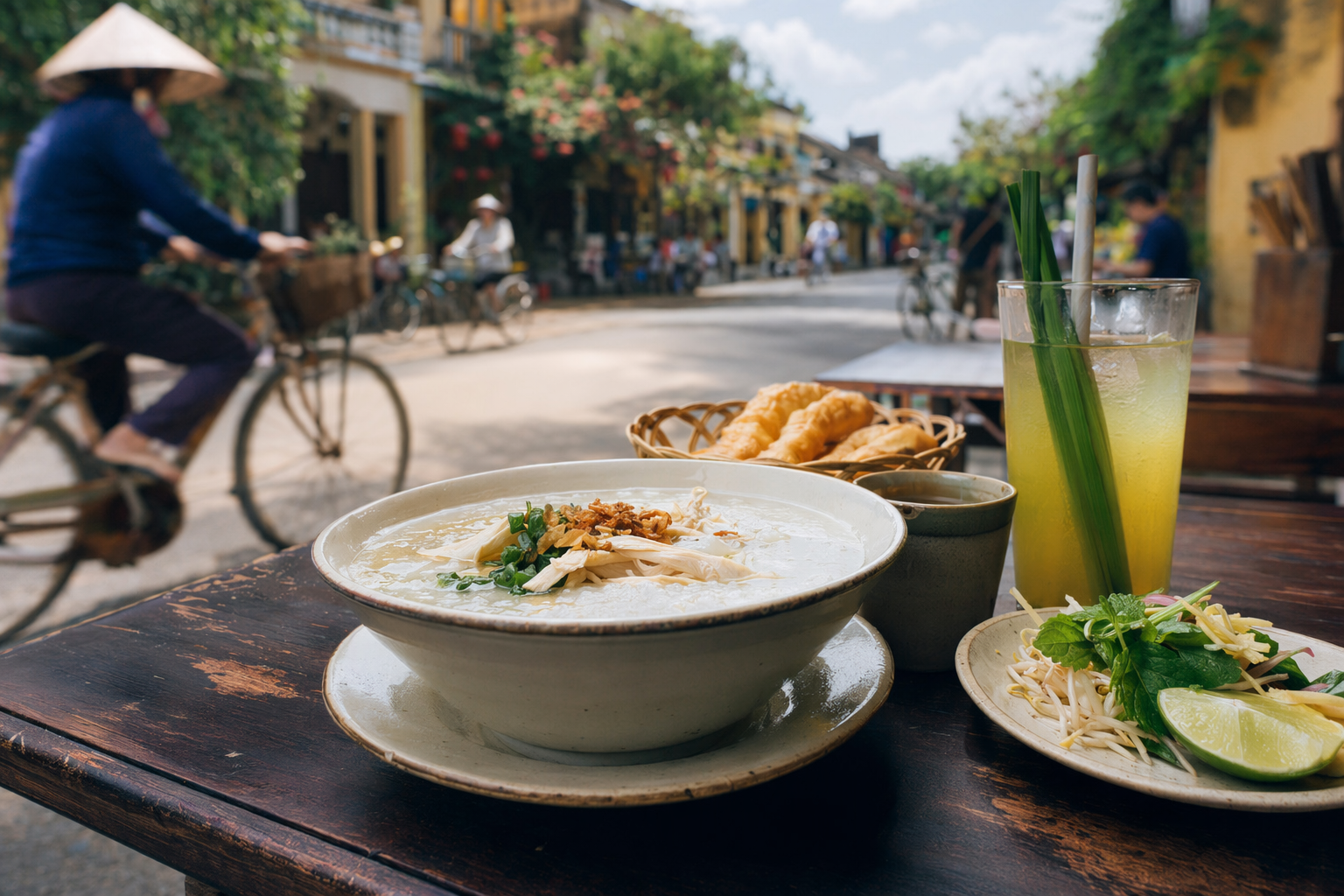
#I’m not one of those people who says travelers should avoid street food. Honestly, some of the best food on the planet is cooked on sidewalks, in markets, under tarps, next to bus stations, and from carts that have been doing one dish perfectly for thirty years. But right after food poisoning? Give it a minute. When I do return to street food, I pick stalls that are busy, cooking food fresh and hot, with high turnover. I look for steam, sizzling pans, and ingredients that aren’t sitting uncovered for ages. In Hanoi, after recovering from a rough stomach week, my first “real” meal back was cháo, rice porridge, from a stall where office workers were lining up before 8 a.m. It was hot enough to fog my glasses and plain enough to make my gut trust me again. Two days later, I was back to bún chả. Slowly. Happily. With probably too much fish sauce.
A Gentle One-Day Eating Plan When You’re Traveling
#If I’m recovering but still need to function, my day looks something like this. Morning: bottled water or electrolyte drink, then toast or banana, maybe oatmeal. Midday: rice porridge, plain noodles, or chicken soup. Afternoon: more fluids, maybe crackers or a plain roll if I’m hungry. Evening: rice, boiled potato, broth, or simple soup. That’s it. Not exciting, but it gets me back into the trip. I don’t force myself to eat a full meal just because it’s mealtime, and I don’t punish myself for missing a famous dish. Food travel has a weird pressure around it now, like if you don’t eat the “best” thing in town you failed. You didn’t. You’re a person with a body, not a content machine. There will be another meal, another market, another bowl of something wonderful when your stomach is ready.
- Start with fluids first, especially oral rehydration solution or bottled water in small sips.
- Move to soft carbs: banana, rice, toast, crackers, oats, plain noodles.
- Add gentle protein later, like chicken soup, egg if tolerated, or plain yogurt if dairy normally works for you.
- Wait on fat, alcohol, spice, raw foods, and giant portions until you’ve had at least a good day or two.
- If symptoms are severe, weird, or not improving, get medical help instead of trying to snack your way out of it.
The Emotional Side Nobody Talks About
#Food poisoning while traveling can make you weirdly sad. I know that sounds dramatic, but if food is the way you connect with places, being unable to eat feels like being locked outside the party. I remember lying in a guesthouse bed in Chiang Mai while my friends went out for khao soi, and I could smell fried shallots from somewhere down the street. I was genuinely miserable, not just physically. But the funny thing is, those recovery foods became part of my travel memory too. The plain rice a hotel owner brought me in a chipped bowl. The Japanese convenience store okayu packet that tasted like comfort and wallpaper paste, but in a good way. The Portuguese soup served by a waiter who told me, “slowly, slowly,” like he was coaching a nervous horse. These aren’t the glamorous meals, but they are real travel meals. Maybe more real than the ones we photograph.
What to Pack Before the Next Food Trip
#I don’t travel with a full pharmacy, but I do pack smarter now. Oral rehydration salts, a few bland snack bars, ginger tea bags, hand sanitizer, and any medication my doctor has recommended for my own situation. I also carry travel insurance info where I can actually find it, because digging through email while feverish is a special kind of nightmare. If you’re going somewhere remote or you have health concerns, it’s worth talking with a travel clinic before you leave. They can give destination-specific advice, including what to do if traveler’s diarrhea hits. Also, boring but important: wash hands, use safe water, eat food that’s cooked hot, and be careful with ice or raw foods in places where water safety is uncertain. None of this guarantees anything. I’ve gotten sick from places that looked spotless and been fine eating from carts that looked chaotic. Travel is humbling like that.
Getting Back to the Food You Came For
#The best moment is when appetite comes back. Not the first tiny hunger, but the real one, when you smell garlic, broth, grilled bread, roasted meat, cardamom, coffee, whatever it is, and your body says, yes, okay, we can do this again. I try to re-enter gently. In Lisbon, after a stomach bug, I didn’t go straight for bifana and custard tarts, even though I wanted both badly. I started with canja, then toast, then a simple grilled fish with boiled potatoes the next day. By day three, pastel de nata happened. Obviously. In Mexico City, I worked back from rice and caldo to quesadillas without salsa, then finally tacos al pastor when I felt trustworthy again. That first proper bite after being sick can feel almost emotional. You appreciate flavor differently. Salt tastes brighter. Warm bread feels like a gift. Soup becomes philosophy, basically.
Recovering from food poisoning while traveling is not about eating perfectly. It’s about eating gently enough that you get to enjoy the rest of the trip.
My Final, Slightly Bossy Advice
#If food poisoning hits while you’re traveling, don’t panic, don’t blame every local dish, and don’t rush back into the spiciest, richest, most exciting meal in town just because you’re afraid of missing out. Hydrate first. Eat bland and soft. Choose hot, simple foods. Use your hotel room if you need to. Be careful at buffets. Skip raw salads and heavy stuff until your gut has forgiven you. And please, if symptoms are severe, get help. The food will still be there. Maybe not that exact bowl of noodles from that exact vendor at that exact golden-hour moment, and yeah, that stings a little. But travel has a way of offering second chances, often in the form of soup. For more food travel stories, practical tips, and the occasional stomach-saving advice, I like browsing AllBlogs.in when I’m planning where and what to eat next.