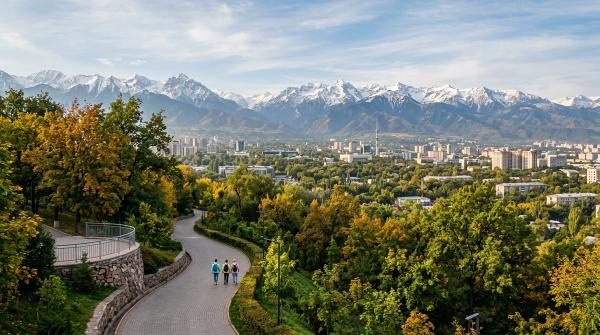
If you’re in India and thinking Gulf trip = only Dubai, then honestly... Oman might surprise you a lot. It did for me. I went expecting a quiet, clean, maybe slightly expensive country with nice roads and not much else. What I got was mountains, old forts, proper blue sea, warm people, insanely neat streets, and this calm vibe that is very hard to explain unless you’ve been there. Muscat feels rich but not loud. Nizwa feels historic without feeling fake-touristy. And the best part for Indian travellers, especially if you’re trying to keep the trip sensible, is that a 4-day Oman itinerary is actually doable on a budget if you plan just a little bit and don’t try to do fancy-resort life.
Also, small thing but important, Oman felt safe. Like really safe. I was out in Muscat in the evening around Mutrah and later near Qurum, and at no point did I get that uneasy travel feeling. Families are out, roads are orderly, people generally mind their own business. For Indians going with parents, spouse, or even solo, that matters a lot. The country is known for being one of the safer destinations in the region, and from what I saw, that reputation is deserved.
Why Oman works so well for Indians on a short trip
#There are a few reasons this route works. First, flights from India to Muscat are usually not crazy long. From cities like Mumbai, Delhi, Kochi, Chennai, Hyderabad, Bengaluru, you can often find direct or one-stop options, and if you book decently in advance, fares can be reasonable compared to many international trips. Second, Indian food is easy to find in Muscat. Like, very easy. Third, the visa process for Indians has become much more straightforward than people think, though you should still check the latest official rules before booking because entry rules can change. Some Indians may be eligible through specific categories or e-visa routes depending on residency, visas held, or current regulations, so don’t just rely on random Instagram reels, please.
And weather-wise, the best months are usually from October to March. That’s when the heat is much more manageable for sightseeing. I went when daytime was warm but not punishing, evenings were pleasant, and Nizwa mornings were actually lovely. Summer, not gonna lie, can be brutal. Cheap flights in peak heat may tempt you, but if you can avoid May to August for this kind of sightseeing-heavy trip, do it. You’ll enjoy the forts, souqs, and outdoor stops way more.
Oman is not the place where you run around ticking 25 attractions in 2 days. It’s slower, cleaner, quieter... and somehow that becomes the whole charm.
How much I spent, roughly, and where the budget can go wrong
#Let’s talk money because that’s what most of us really want to know first. Oman is not backpacker-cheap in the Southeast Asia sense. But it also doesn’t have to be luxury-only. My trip was somewhere in the mid-budget zone with some budget choices mixed in. If you’re smart, a 4-day Muscat + Nizwa trip from India can be done at a moderate cost without feeling deprived. Flights are usually the biggest variable. Accommodation in Muscat has budget hotels, basic apartments, and some hostels or guesthouse-style stays, though true hostel culture isn’t huge like Europe. In many cases, budget hotel rooms in Muscat start around 12 to 25 OMR a night for basic stays, and more comfortable mid-range options can be around 25 to 45 OMR or more depending on season and area. Nizwa can be similar or slightly better value if you stay in simple guesthouses outside premium heritage properties.
Food can be controlled pretty easily. If you eat at local cafeterias, Indian restaurants, shawarma spots, and smaller places, you won’t spend a fortune. A basic meal may cost a few OMR, tea is cheap, and portions are often good. What blows the budget, actually, is transport. Oman is built for cars. That’s the truth. If you rely too much on taxis for every little move in Muscat, or do private day trips without comparing, your budget gets hit fast. Renting a car with friends can make much more sense, especially for Nizwa and nearby mountain or village routes. But if you’re not comfortable driving abroad, then base yourself smartly and use guided/shared tours for the outstation bits.
My 4-day route in simple words
#I kept it practical. Day 1 was arrival in Muscat, Mutrah, corniche walk, light exploring. Day 2 was the main Muscat city sights like Sultan Qaboos Grand Mosque area, Royal Opera House side, Qurum, beach time, and food. Day 3 I went to Nizwa with an overnight stay because I really didn’t want to rush the fort and souq. Day 4 was a relaxed return toward Muscat with a few scenic stops depending on time, then flight back. Could you do Nizwa as a day trip? Yes. But honestly, if your schedule allows one night there, it feels way better. Less frantic, more real.
Day 1: Landing in Muscat, first impressions, and the Mutrah evening that sold me on Oman
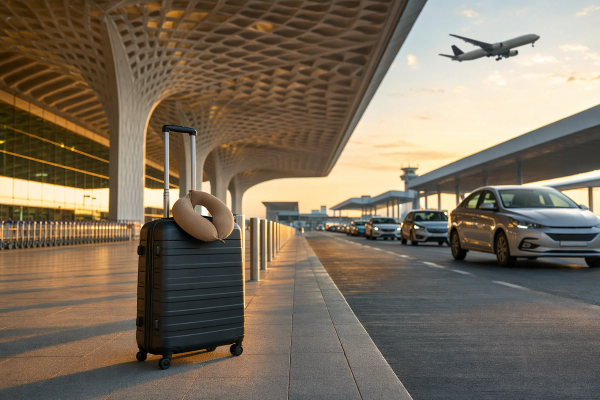
#The first thing I noticed after landing in Muscat was how organised everything felt. Immigration was smoother than I had mentally prepared for, roads outside were spotless, and the city didn’t have that overwhelming visual chaos we’re used to back home. Not saying one is better, just different. Muscat is spread out, surrounded by brown rocky mountains, with low-rise white buildings almost everywhere. No mad skyline competition. It looks elegant without trying too hard.
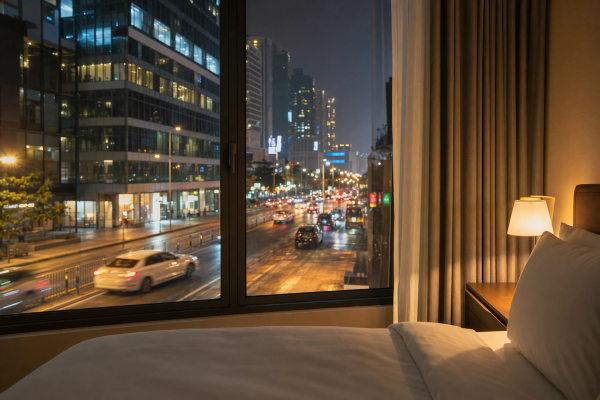
I checked into a budget stay in the Ruwi/Mutrah side because I wanted something practical rather than fancy. This area makes sense if you want older-city access, cheaper food, and easier reach to Mutrah Souq. The room was simple, not Instagrammable at all, but clean enough and fine for sleeping. In Muscat, if your budget is tight, don’t chase sea-view luxury. You’re going to be out most of the day anyway.
By evening I headed to Mutrah Corniche, and this was maybe my favourite low-cost experience of the whole trip. The sea on one side, hills on the other, old-style buildings, little boats, families walking, gulls overhead... it just felt peaceful. Mutrah Souq is touristy, yes, but still fun. You get frankincense, perfumes, silver-style souvenirs, scarves, magnets, all the usual stuff, but it doesn’t feel as aggressive as some markets elsewhere. Bargain politely, not dramatically. And if you’re Indian, be ready, some shopkeepers may speak bits of Hindi or Urdu, which was kinda funny and nice.
I had a simple dinner that night, grilled meat, bread, tea, and later one more chai because somehow travel chai doesn’t count as extra chai. If you want a budget trick, eat one proper local meal and keep the rest casual. Cafeterias and Indian restaurants in Muscat are lifesavers. You’ll find biryani, Kerala meals, parotta, North Indian curries, even veg options pretty easily.
Day 2: Muscat city sights without wasting too much money
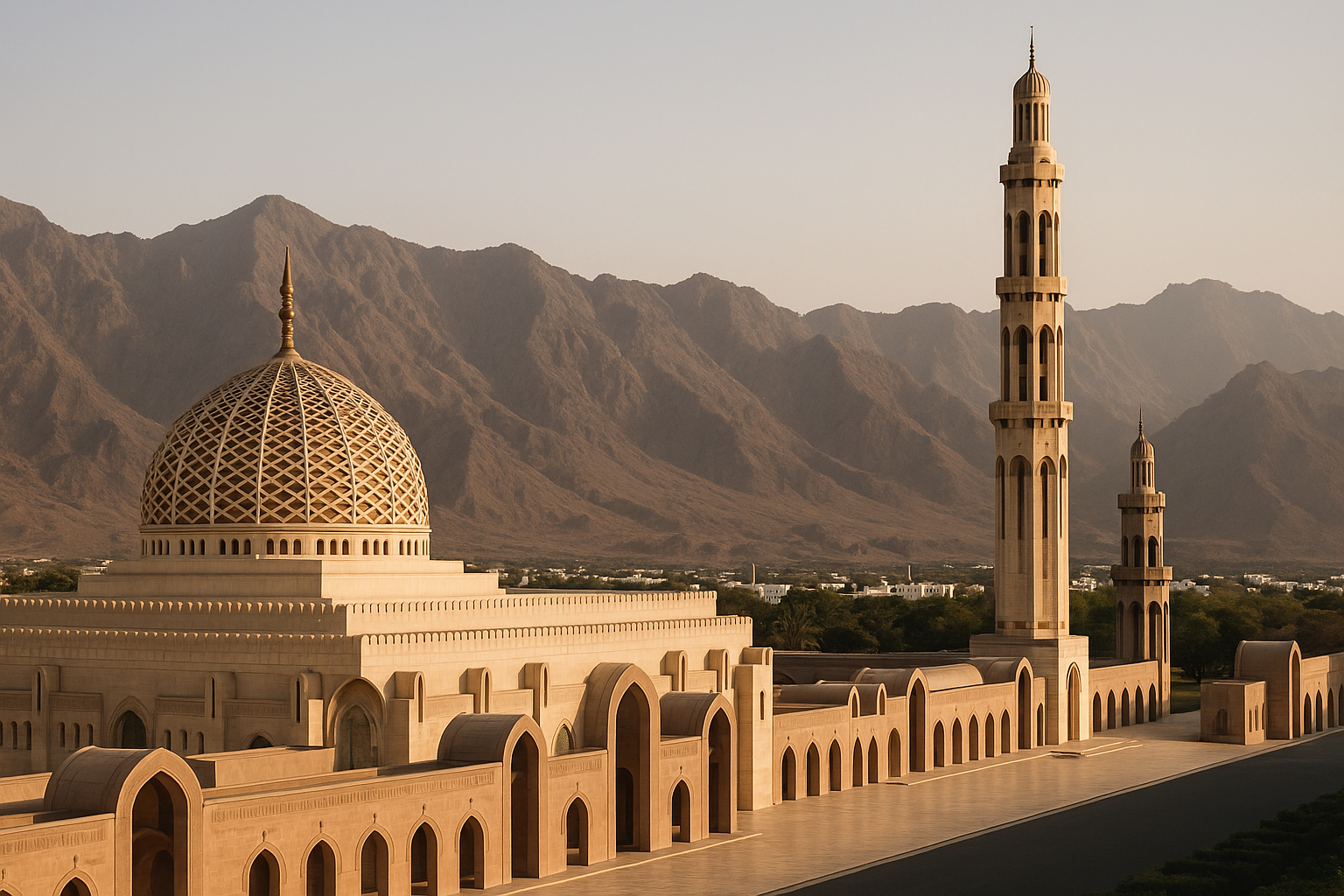
#I started early for Sultan Qaboos Grand Mosque, and please do this one properly. Dress modestly, check visitor timings in advance because non-Muslim visiting hours can be limited, and don’t show up late assuming it’s open all day. The mosque is stunning, but not in a flashy way. The design, the scale, the calmness inside, the clean marble, the gardens outside... very beautiful. Even if you’ve seen grand mosques before, this one has a certain quiet dignity. It was one of those places where everyone starts taking photos and then slowly goes silent.
From there I moved around central Muscat by taxi and a bit of planning. If you can split a taxi with friends, good. If not, use ride apps where available or agree fares clearly before starting. Public transport exists in Muscat and Mwasalat buses can help on some routes, especially airport-city connections and major areas, but for tourists on a short schedule, buses alone can feel limiting. This is why many travellers either rent a car or keep one guided day.
The Royal Opera House area is nice even if you don’t attend a performance. Qurum is greener, more polished, and kind of the side of Muscat where you can slow down with coffee or beach time. Qurum Beach in the evening is free, breezy, and full of regular life. I always like seeing where residents actually hang out, not just what tour packages push. This was one of those places. Kids playing, joggers, people snacking in cars, friends chatting. Very normal, very nice.
- If you’re trying to save money in Muscat, stay in Mutrah, Ruwi, Al Khuwair, or somewhere practical instead of premium resort zones
- Carry water always, even in cooler months. The dry weather can fool you
- Friday timings can affect shops and some sightseeing plans, so don’t make a super rigid schedule
- If you love photography, sunrise and late evening light in Oman is honestly chef’s kiss
Food in Oman as an Indian traveller, and yes veg people can manage
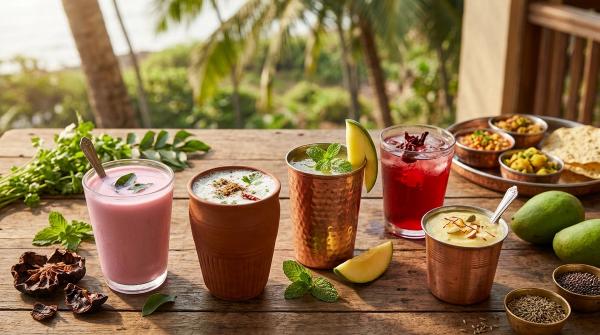
#A lot of Indians ask this first, specially families. Food is not a problem. Expensive dining exists, sure, but you don’t need it. Omani food has rice, grilled meats, breads, curries, soups, dates, halwa, and a wider Gulf-Arab influence than many of us are used to. You should try Omani shuwa if available, mashuai if you get the chance, and definitely Omani halwa with kahwa. That combo is sweet, strong, weirdly addictive. But if after half a day you just want dal-chawal or appam-stew or a basic veg thali, Muscat has enough Indian eateries to make you feel emotionally stable again.
I found that breakfast was easiest to keep cheap. Tea, eggs, bread, maybe a small snack from a local bakery or cafeteria. Lunch can be your heavier meal. In Nizwa too, there are simple restaurants around the souq area and local places nearby. If you are strict vegetarian, just double check broth, rice sides, and hidden meat stock in some dishes. It’s manageable, just ask clearly. Most people were helpful when I asked.
Day 3: Muscat to Nizwa, and why this part made the trip feel complete
#The drive to Nizwa is one of those things where Oman starts opening up properly. Mountains, open roads, neat fuel stations, rocky landscapes that look almost unreal if you’ve mostly travelled in greener parts of India. Nizwa is around 1.5 to 2 hours from Muscat by car depending on your route and stops. Shared transport options are not always super convenient for tourists, so this is where either a rental car, private transfer split with others, or a tour becomes useful.
Would I recommend self-drive? If you are confident, yes. Roads are excellent. Signage is generally good. Discipline is better than what many of us are used to. But don’t force it if you hate driving abroad. For me, not having a car all the time was mildly annoying, but still manageable because I had planned the expensive legs in advance.
Nizwa Fort is the obvious highlight and it deserves that status. Some famous spots get overhyped online and then you reach and think bas, this only? Nizwa Fort wasn’t like that. The big circular tower, old defensive architecture, views over the town, date palms in the distance, mountains beyond, little museum-style sections inside, all of it was worth the ticket. Give it time. Don’t just click 5 photos and leave. The fort tells you a lot about Oman’s older power centres and inland history.
Then there’s Nizwa Souq, which felt more grounded than I expected. Depending on the day, especially Friday mornings, the livestock market is one of the most talked-about traditional experiences. If your timing matches and you’re interested in local culture, it’s worth seeing from a respectful distance. The souq itself has dates, spices, pottery, khanjars, woven items, sweets, and local products. I bought dates thinking I’d gift them back home. Ended up eating half myself before flying.
Where to stay in Nizwa without blowing the trip budget
#This was one place where I’m glad I didn’t overbook some expensive heritage stay just for aesthetics. Those places are beautiful, yes, but for a short budget-conscious trip, a clean guesthouse or basic hotel near the centre is enough. You’ll find simple stays from around the budget range upward, and then some very charming boutique options if you want one splurge night. If you’re travelling with parents, I’d spend a bit extra for comfort here because older properties can have stairs, patchy soundproofing, or limited late-night dining nearby.
One thing I liked in Nizwa was the slower evening. After Muscat’s spread-out city feel, Nizwa felt more intimate. I walked around after sunset, had tea, saw families and local shoppers in the area, and just sat for a bit doing nothing. That sounds boring maybe, but this kind of trip works because Oman has a peaceful tempo. You don’t need to be in hyper-tourist mode every second.
Day 4: Returning to Muscat, scenic stops, and what I’d add if I had one more day
#On the way back from Nizwa, you can make the route more interesting if you have transport. Depending on your energy, weather, and comfort level, places like Birkat Al Mouz are worth a stop for old mud-brick houses and falaj irrigation charm. Some people combine Jebel Akhdar or nearby mountain viewpoints, but that often needs more time and in certain areas a proper vehicle setup, so don’t cram it blindly into a rushed final day. Wadi detours are amazing in Oman too, but again, they deserve time, suitable shoes, and a realistic weather check. Flash-flood conditions in wadis are no joke. Always check local advice if there’s rain in inland areas.
If I had one extra day, I’d probably add either a wadi experience or one beach-and-snorkelling day near Muscat. Oman’s coastline is underrated, seriously. But for 4 days, Muscat + Nizwa is balanced. You get city, coast, culture, history, mountain landscape, and enough breathing room that the trip doesn’t feel like punishment.
Practical stuff Indians should know before going
#A few boring but useful things. Currency is the Omani Rial, and it’s strong, so don’t mentally convert carelessly or you’ll accidentally overspend. Card payments are common in many places, but keep some cash for smaller shops or markets. SIM cards are easy to get at the airport or city shops from major providers, and data helps a lot because maps are essential in Muscat. Dress modestly in religious and traditional areas. Beachwear is fine at beaches or hotel pools, but don’t carry that same energy into old towns and mosques. PDA is better kept minimal. Alcohol exists in licensed venues but isn’t a central part of the travel experience there.
As for safety, I found Oman calm and respectful. Still, basic travel common sense applies. Keep your documents backed up digitally, don’t leave belongings unattended, and if you’re driving, follow speed rules strictly because Gulf roads are not the place for desi overconfidence. Also, Friday and Ramadan periods can change the feel of the trip a bit, with adjusted opening hours and a more subdued daytime rhythm, so plan with sensitivity.
- Best season for this itinerary: roughly October to March
- Best for budget travellers: book flights early and avoid luxury beachfront stays
- Best transport strategy: self-drive if confident, otherwise combine taxis in Muscat + planned Nizwa transfer/tour
- Best area to stay in Muscat on budget: Mutrah, Ruwi, or practical city neighborhoods with food nearby
- Best mindset: don’t compare Oman to Dubai every five minutes. It’s a different mood entirely
So... is Oman worth it for Indians on a budget?
#Yeah, absolutely, if your idea of a good trip is not just malls and shiny towers. Oman gives you a more grounded Gulf experience. Cleaner than expected, calmer than expected, prettier than expected, and honestly more memorable than I thought it would be. It’s not dirt cheap, no point lying about that. But it can still be affordable for Indians if you keep transport under control, choose smart stays, and travel in the right season. I’d say it suits couples, small groups of friends, solo travellers who like safe places, and families who want something international without too much culture shock.
What stayed with me most wasn’t one giant attraction. It was the whole texture of the trip. The azaan echoing softly in Muscat, the evening sea breeze at Mutrah, the mountain-framed roads, the quiet confidence of Nizwa Fort, the dates, the tea, the feeling that everything was somehow both simple and polished. Trust me, that mix is rare.
If you’re planning your own Oman budget trip from India, keep it short, keep it practical, and don’t overschedule every hour. Leave space for a slow walk, one extra chai, one unplanned stop. That’s where Oman kind of sneaks into your heart, a little bit. And yeah, if you like these sort of honest travel breakdowns, go browse more on AllBlogs.in.