When people talk about Caribbean drinks, rum tends to steal the spotlight. It makes sense. Rum is tied to the region’s history, celebrations, and hospitality.
But rum is only one part of the story.
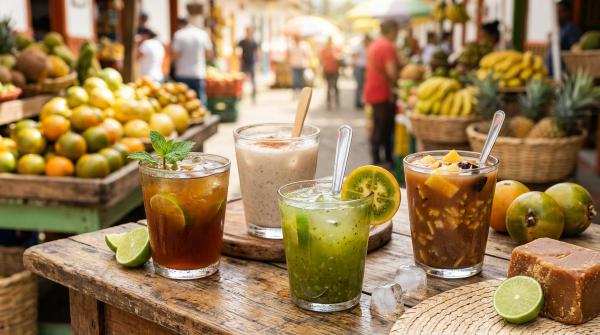
If you do not drink alcohol, or you just want something more interesting than a hotel mocktail with a paper umbrella, you have a lot to look forward to. Some of the best Caribbean drinks without alcohol are not found on fancy bar menus at all. They are in roadside coolers, market stalls, bakeries, family-run restaurants, rum shops that also sell soft drinks, and supermarket fridges.
These drinks are not an afterthought. They are steeped, boiled, blended, spiced, strained, chilled, sweetened, and served with real personality.
Some are bright and fruity. Some are thick enough to feel like a snack. Some taste almost like dessert. And then there is mauby, which might win you over immediately, or make you stare at the cup and wonder what just happened.
This guide is for travelers who want to know what to order, what to ask, and what might be hiding in the cup. Just keep in mind that the Caribbean is not one single place. Recipes, names, sweetness levels, and serving styles change from island to island, town to town, and sometimes from one vendor to the next.
Quick answer
#If you are looking for Caribbean drinks without alcohol, start with these:
- Sorrel: A deep red, sweet-tart spiced drink made from roselle, a hibiscus relative. It is especially popular around Christmas, though you can often find it at other times too.
- Mauby: A cold bittersweet drink made from bark and spices. It is refreshing, unusual, and not everyone loves it on the first try.
- Peanut punch: A rich, creamy drink made with peanuts or peanut butter, often blended with condensed milk, vanilla, nutmeg, and other spices.
- Caribbean ginger beer: Stronger and spicier than standard ginger ale. It may be homemade or bottled.
- Seamoss: A thick drink made from sea moss gel, usually blended with milk, sweetener, and spices.
- Soursop drinks: Juices or creamy drinks made from the soft white pulp of soursop fruit.
Before you order, it helps to ask a few simple questions:
- “Does this have rum in it?”
- “Does it have bitters?”
- “Is there milk in it?”
- “Does it contain nuts?”
- “Is the ice made from filtered water?”
- “Can I have it cold without fresh ice?”
That quick conversation can save you from surprises with alcohol, dairy, nuts, or ice.
What to try first
#If you are new to Caribbean non-alcoholic drinks, start with flavors you already enjoy.
If you like tart, fruity drinks with warm spices, try sorrel drink first. It is easy to love, but still feels very local. Think cranberry-ish, but deeper, spicier, and more fragrant.
If you love ginger, order Caribbean ginger beer. Not ginger ale. Ginger beer. The good stuff can have a proper kick, the kind that warms your throat and wakes you up.
If you want something you may not find easily back home, try mauby. It can taste sweet and spiced at first, then bitter and herbal at the end. Some people become instant fans. Others take one sip and politely move on with their lives. Both reactions are completely normal.
If you want something filling, go for peanut punch or seamoss. These are not light, watery refreshments. They can feel more like a shake, a dessert drink, or even a small meal, especially when condensed milk is involved.
Fresh fruit juices are also a lovely way in. Depending on where you are, you might see soursop, passion fruit, guava, tamarind, mango, lime, pineapple, or golden apple drinks. What is available depends on the island, the season, and the person making it.
Sorrel
#Caribbean sorrel drink is not the same as the leafy green herb called sorrel in some countries. In much of the Caribbean, sorrel means roselle, a hibiscus relative with deep red sepals that make a gorgeous ruby-colored drink.
Sorrel is usually steeped with spices such as cloves, cinnamon, and ginger. Then it is sweetened, chilled, and served cold. The flavor is tart, floral, and spicy. If cranberry juice had a Caribbean holiday cousin, it might taste something like sorrel.
In many homes, sorrel is strongly tied to Christmas and end-of-year gatherings. That does not mean you can only find it in December, though. Some restaurants, vendors, and supermarkets sell it year-round, especially bottled.
The big thing to know: sorrel can be alcohol-free, but it is also very often mixed with rum, especially at parties, family gatherings, and holiday events.
Useful ordering phrases:
- “Is this sorrel plain, or does it have rum?”
- “Is there any alcohol in this batch?”
- “Does it have bitters?”
- “Can I have sorrel without rum or bitters?”
If you are avoiding alcohol, do not assume the red drink is alcohol-free just because it looks like juice. Ask first.
Mauby
#Mauby is one of the most distinctive drinks in the Caribbean. It is often made by boiling mauby bark with spices, then straining, sweetening, chilling, and serving it cold. You may see the spelling vary a little depending on the island.
A mauby drink is hard to describe if you have never tasted it. The first sip may remind you of root beer, sarsaparilla, or a spiced herbal soda. Then the bitterness comes in. That bitter finish is exactly what mauby lovers enjoy, but it can surprise first-timers.
Mauby is especially associated with parts of the eastern and southern Caribbean, including Trinidad and Tobago and Barbados, although styles vary widely. Some versions are intensely bitter. Others are sweeter and more approachable. Bottled mauby tends to be more predictable than homemade batches, but fresh mauby often has more character.
Mauby is usually sold as a non-alcoholic drink, but if alcohol matters to you, still ask. Some vendors may add bitters for extra flavor.
Useful ordering phrases:
- “Does the mauby have bitters?”
- “Is it alcohol-free?”
- “Is this fresh mauby or bottled?”
- “Is it very bitter or more sweet?”
If you are curious but unsure, buy a small cup first. Mauby is memorable, but it is not exactly a neutral crowd-pleaser.
Peanut punch
#Peanut punch is rich, sweet, creamy, and filling. In places like Trinidad and Tobago and Jamaica, it is a familiar favorite, although every maker seems to have their own way of doing it.
A typical peanut punch may include peanuts or peanut butter, milk or condensed milk, sugar or another sweetener, nutmeg, vanilla, and sometimes extra spices. Some versions are blended silky smooth. Others are thick and heavy. It drinks more like a shake than a juice.
This is a good choice if you want something substantial. It is also one of the drinks where you really need to ask questions if you have a nut allergy or avoid dairy.
Ask clearly before ordering:
- “Does this contain peanuts?”
- “Was this made in the same blender as peanut drinks?”
- “Does it have milk or condensed milk?”
- “Is there any rum in it?”
For vegans and lactose-intolerant travelers, peanut punch can be tricky at street stalls because condensed milk is common. Some cafes may offer plant-based versions, but do not assume.
For travelers with severe nut allergies, peanut punch needs extra caution. At small stalls, blenders, cups, spoons, and strainers may be reused quickly. Cross-contact can happen even if you order a completely different drink.
Ginger beer
#Caribbean ginger beer is usually much bolder than the mild ginger ale many travelers know. It can be cloudy, sharp, sweet, spicy, and warming. Ginger is not a background note here. It is the main event.
You may find bottled ginger beer in shops and restaurants, along with homemade versions at stalls, markets, and local food spots. Some homemade ginger beers are fermented. Many are still sold as non-alcoholic, but if you avoid alcohol completely, it is worth asking how it was made.
Useful ordering phrases:
- “Is this ginger beer alcoholic?”
- “Is it fermented?”
- “Is it homemade or bottled?”
- “Is there rum added?”
- “Does it have bitters?”
Ginger beer is excellent with spicy food, fried snacks, grilled meats, and heavier meals. It cuts through richness and feels especially refreshing in hot weather. Just be ready for the heat. Some versions are gentle. Others have a proper bite.
Seamoss and soursop drinks
#Seamoss, often written as sea moss, is a well-known Caribbean drink ingredient, especially in Trinidad and Tobago and other parts of the region. Dried sea moss is usually cleaned, soaked or boiled, turned into a gel, and then blended into a drink.
A seamoss drink is often made with milk, condensed milk, spices, and sweetener. The texture can be thick and smooth, almost like a shake. The flavor depends heavily on what is added. Many versions taste more like vanilla, nutmeg, cinnamon, and milk than the sea moss itself.
You may also hear health claims about seamoss. Treat those as cultural or personal beliefs unless you are getting advice from a qualified health professional. As a traveler, it is best to enjoy seamoss as a traditional local drink, not as medicine.
Soursop drinks are different. Soursop is a large green fruit with soft white pulp. It can be blended with water for a lighter juice, or with milk for a creamier drink. The flavor is tropical, tangy, and smooth. People often describe it as a mix of citrus, pineapple, and soft tropical fruit.
Questions to ask:
- “Does the seamoss have milk?”
- “Does the soursop drink have milk or condensed milk?”
- “Does it contain nuts?”
- “Was it made with fresh ice?”
- “Is there any rum or bitters?”
This is also where the word “punch” can confuse visitors. In some Caribbean places, a punch may be creamy and milk-based, not a fruit bowl-style party drink. Ask what is inside before you order.
The line between food and drink can feel thin here. Peanut punch, seamoss, and creamy soursop can all feel like snacks, desserts, or small meals.
Traveler safety: ice, dairy, nut allergy, bottled vs fresh, street-stall hygiene
#Caribbean drink culture is one of the joys of traveling in the region, but a little caution helps. This is especially true if you avoid alcohol, have allergies, are pregnant, are immunocompromised, or have a sensitive stomach.
Ice and water
#Water safety varies by destination, neighborhood, and setting. Do not assume every island, stall, guesthouse, or restaurant follows the same standards.
Ask:
- “Is the ice made from filtered water?”
- “Can I have it without ice?”
- “Is this drink made with bottled or filtered water?”
If you are unsure, choose a sealed bottled drink from a fridge. It may feel less adventurous, but sometimes it is the smarter option, especially early in a trip.
Dairy surprises
#Many Caribbean punches and creamy drinks contain milk, evaporated milk, or sweetened condensed milk. This includes many versions of peanut punch, seamoss, and soursop punch.
Ask:
- “Does this have milk?”
- “Does it have condensed milk?”
- “Can it be made with water instead?”
If the answer is vague, choose a clear juice, bottled soda, bottled mauby, bottled sorrel, or bottled ginger beer.
Nut allergy
#Peanut punch is common enough that nut-allergic travelers should pay close attention around drink stalls. Even if you order something else, shared blenders and utensils may have touched peanuts.
Ask:
- “Do you make peanut punch here?”
- “Is this blender used for peanuts?”
- “Can you use a clean cup and clean spoon?”
If your allergy is severe, it may be safer to avoid stalls that make peanut punch at all. Cross-contact is hard to control in busy street settings.
Bottled vs fresh
#Fresh drinks give you local flavor, variety, and a little more adventure. Bottled drinks give you more control.
Fresh may be better when:
- The stall is busy and has high turnover.
- Drinks are kept cold.
- Ingredients look fresh.
- The vendor can answer basic questions.
Bottled may be better when:
- You are worried about water or ice.
- Drinks are sitting warm in the sun.
- You cannot confirm ingredients.
- You need to avoid alcohol, dairy, or nuts with confidence.
Bottled sorrel, mauby, and ginger beer are common in many Caribbean supermarkets and small shops, though brands and availability vary by island.
Street-stall hygiene
#Use the same judgment you would use for any street food stop. Look for clean cups, bottles and ladles, cold storage, high customer turnover, careful money handling, cleanly stored ice, and properly rinsed blenders or utensils.
Be more cautious late at night if drinks have been sitting out for hours. Choose busy stalls and trust your senses.
Hidden alcohol and bitters
#Some drinks that seem non-alcoholic may include rum or bitters. Bitters are usually alcohol-based, even when only a few dashes are used.
For casual non-drinkers, that may not matter. For people avoiding alcohol for religious, medical, pregnancy, recovery, or personal reasons, it does.
Ask directly:
- “Does this have rum?”
- “Does this have bitters?”
- “Can you make it without bitters?”
- “Is it completely alcohol-free?”
Do not worry about sounding difficult. A clear question is normal, and it is much easier than guessing.