Every summer, same story. People around me start planning the usual triangle of panic-travel... Shimla-Manali, Nainital-Mussoorie, maybe Goa if they’re feeling brave and okay with sweating through three T-shirts a day. And honestly, I get it. These places are easy, famous, photogenic, all that. But the last couple of years I’ve been leaning into what I call the anti-triangle way of travelling in India, basically skipping the overdone circuit and heading to places that still feel a bit raw, quieter, less performative. Not undiscovered-discovered, because come on, no place in India is exactly a secret now thanks to Reels. But still, less crowded, less polished, more real. This summer route took me through Tirthan Valley in Himachal, Mechuka in Arunachal Pradesh, and Yercaud in Tamil Nadu. Three corners, three moods, zero tourist circus. And trust me, if you’re planning your summer trips around 2026 and beyond, this kind of route makes way more sense than fighting traffic in Mall Road madness.
What I mean by “Anti-Triangle” btw
#It’s not some fancy travel theory, lol. It’s just my slightly dramatic name for avoiding India’s predictable summer triangle and building your own map with places that give you weather relief, culture, scenery, and breathing space. The anti-triangle works best when the destinations are from very different parts of the country, so the whole trip doesn’t feel repetitive. One mountain valley, one borderland village, one southern hill town. Different food, different language, different rhythm. Also, practical point, these places still have decent roads or air links nearby, homestays are improving a lot, and digital payments work in more spots than before, though cash is still king in some corners. So yeah, not too rough, not too commercial. Sweet spot.
First corner: Tirthan Valley, Himachal Pradesh — the mountain place that still lets you breathe
#Tirthan Valley was the first stop and maybe the one I’d recommend most strongly if you want an easy entry into offbeat travel without giving your parents a heart attack. It’s in Kullu district, close to the Great Himalayan National Park, and compared to Manali it feels like someone turned the volume down. The river is the main character here. Not metaphorically only, like literally, you hear it all day. I stayed near Gushaini in a riverside homestay where the host uncle kept insisting I eat more siddu and rajma even when I was fully done. Very Himachali hospitality, very dangerous for your stomach size.
Summer here, especially April to June, is ideal. Days are pleasant, roughly around the mid-teens to mid-20s Celsius depending on the exact week and altitude, nights can still get cool, and if you’re coming from Delhi, Jaipur, Lucknow or basically any city that becomes a tandoor by May, this feels unreal. The big thing is that Tirthan is not just a “sit and click pics” destination. You can do short hikes to Chhoie waterfall, trout fishing in designated stretches, village walks through Nagini and Gushaini, and if you’re into nature, the buffer areas of the national park are fantastic. Entry rules for the Great Himalayan National Park zones can change, and local guides matter, so don’t just assume you can wander in anywhere. Ask your host, they usually know better than Google.
- How to reach: nearest major airport is Bhuntar, but many people still come by Volvo to Aut and then take a taxi to Tirthan Valley
- Stay budget: simple guesthouses and homestays usually start around ₹1,500 to ₹3,000 in summer, mid-range cottages go ₹4,000 to ₹7,000 or more if riverside and fancy
- Best for: couples who hate crowds, families wanting calm, solo travellers who like slow days and long walks
- Reality check: internet works, but not always beautifully. Good if you need light work, not great if you have 14 Zoom calls
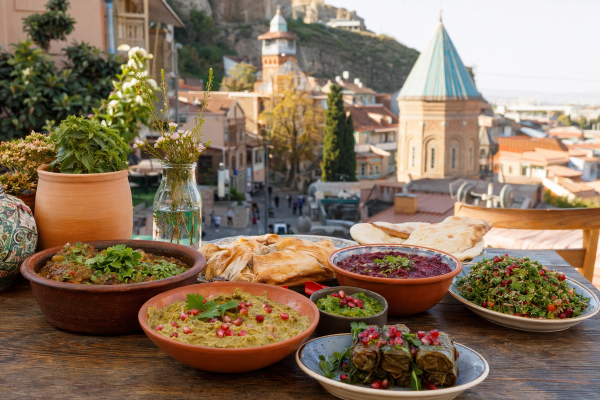
One thing I really liked was that Tirthan still has that local-first feel. Cafes are there, yes, but not in that fake mountain-aesthetic overload way. You still meet apple growers, local taxi guys who know every bend in the road, aunties selling small snacks, and children running around bridges like they own the place... because they kinda do. Food wise, don’t expect endless restaurant hopping. Expect trout, rajma-chawal, siddu, local red rice, maggi at viewpoints, and chai that somehow tastes better because the air is colder. Safety-wise, it’s generally considered peaceful and family friendly, but riverbanks can be deceptively risky in summer when snowmelt changes water force. Every year people get too confident for no reason. Please don’t be that person standing on a slippery rock for a cinematic reel.
Second corner: Mechuka, Arunachal Pradesh — the one that felt almost unreal
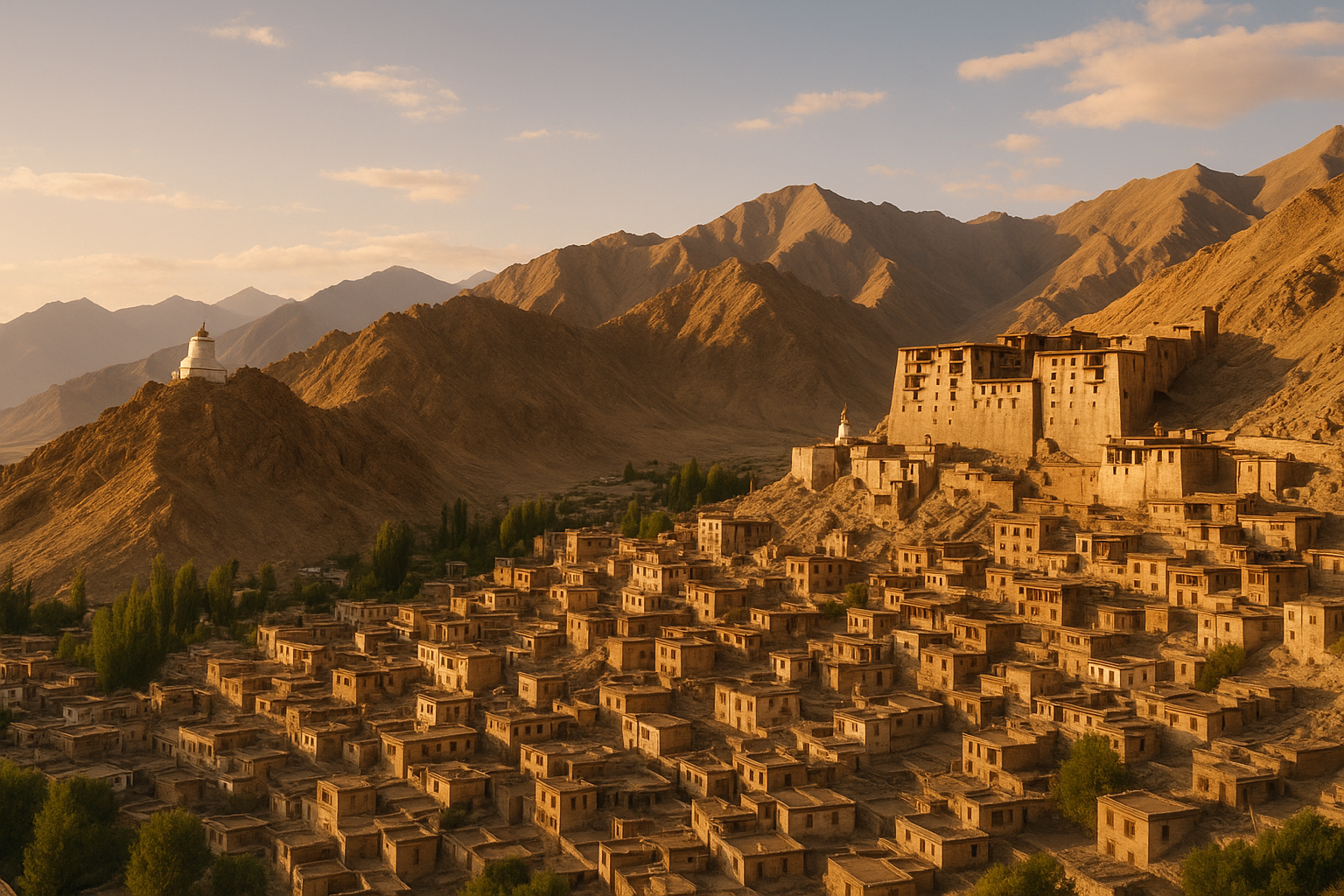
#Mechuka was the wildcard of my anti-triangle and honestly the most emotional part of the trip. It’s in Shi-Yomi district of Arunachal Pradesh, close to the Indo-China border zone, and getting there is not exactly casual. You need patience, some planning, and yes, Inner Line Permit if you’re an Indian citizen visiting Arunachal. The permit process is much smoother now than it used to be, usually done online or arranged before arrival, but still, do it properly. Don’t leave it for the last minute and then blame the system. Mechuka isn’t a destination you accidentally reach. Which is probably why it still feels special.
I flew toward the Assam side and then connected onward with a mix of road travel and local coordination, and that road journey was longgg. Beautiful, but long. Landslides and weather can affect travel in this region, specially in monsoon and shoulder periods, so summer before the heavy rains is your best bet. Late April to early June is solid. The valley opens up with green fields, wooden homes, Buddhist influence, hanging bridges, mountain backdrops, and this strange quietness that gets inside your head. There’s a 400-year-old Samten Yongcha monastery nearby, local villages of the Memba tribe, and open meadows where I just sat for maybe an hour doing absolutely nothing. Which sounds boring till you try it and then you’re like... oh. This is what my brain needed.
Mechuka didn’t feel like a trip I completed. It felt like a place that slowed me down enough to notice how noisy the rest of my life had become.
Accommodation in Mechuka has improved a lot. You’ll find basic homestays from roughly ₹1,800 to ₹3,500, better boutique-style places and scenic cottages from ₹4,000 onward, and some newer properties aimed at people who want comfort without losing the local feel. Don’t expect luxury chain hotels. That’s not the point here. Power backup can be hit or miss in smaller places, and mobile signal depends heavily on provider and weather mood, I swear. BSNL and Jio worked in patches when I was there, but not reliably enough to promise your boss you’ll be “online from the hills”. Keep offline maps downloaded.
What actually made Mechuka worth the effort
#- The landscape has this wide-valley drama, not the typical crowded hill station look with stacked hotels and honking
- Local culture still feels visible in daily life, not packaged for tourists every five seconds
- You get monasteries, river views, walks, biking routes, and small village interactions without a rush-rush itinerary
- There’s growing interest in Arunachal road trips now, but Mechuka still stays outside mainstream family package tourism
Food here was simpler than people may expect, but memorable. Thukpa, momos, rice-based meals, boiled veggies, smoked meats in some homes, butter tea in places, and very warm hosting. If you’re vegetarian, you’ll still manage fine, just maybe with less menu variety than urban travellers are used to. And please carry some medicines and basics from bigger towns. Remote destinations are wonderful until someone needs a random tablet at 10 pm. Then not so wonderful.
Third corner: Yercaud, Tamil Nadu — soft weather, less noise, and way better than I expected
#Now this one surprised me. I’d heard of Yercaud before, of course, but mostly as “that quieter hill station near Salem.” Which sounds... nice, but not thrilling. Turns out that’s exactly why it works. In summer, when Ooty gets crowded and Kodaikanal gets expensive and messy on weekends, Yercaud still feels manageable. Not empty, don’t get me wrong, but manageable. You climb up from Salem through the hairpin bends and suddenly the air changes, the heat drops, and there are coffee estates, orange groves, viewpoints, little lanes, old schools, and this laid-back Tamil hill-town vibe that I really enjoyed.
For South India travellers, Yercaud is a practical anti-triangle pick because it’s accesible. The nearest railhead and major road link is Salem, which is well connected from Chennai, Bengaluru, Coimbatore and other cities. From Salem, taxis and buses are easy enough. Summer temperatures usually stay much milder than the plains, often around the low 20s to high 20s in the day, cooler in mornings and evenings. It may not feel as cold as a Himalayan destination, but compared to Tamil Nadu plains in May? Absolute blessing. I stayed in a mid-range estate stay that cost around ₹3,500 a night on weekdays and shot up on the weekend, so book ahead if you’re going during school holidays.
- Budget rooms and simple lodges can start around ₹1,200 to ₹2,500 if booked early
- Estate stays and scenic resorts usually range from ₹3,000 to ₹8,000, and premium places can go higher on long weekends
- Good short-trip destination from Bengaluru or Chennai if you don’t want a full complicated vacation
- Families like it because roads, food options, and medical access are easier than in very remote places
The nice thing about Yercaud is that you can keep it slow. Emerald Lake area, Lady’s Seat, Pagoda Point, Kiliyur Falls if there’s enough water flow, coffee plantation walks, local spice and fruit products, old colonial-era corners, and some sweet little bakeries and mess-style eateries. I had a plate of hot bajji and tea near a viewpoint while fog kept moving in and out, and it was one of those weirdly perfect travel moments that costs almost nothing. Food is easy here compared to more remote destinations. You get Tamil meals, biryani, tiffin, fresh coffee, peppery chicken dishes, and enough standard hotel menus for picky eaters.
Why these places work so well for summer travel in India right now
#There’s a bigger reason this anti-triangle idea works now. More Indian travellers want cooler weather, yes, but they also want fewer crowds, drivable routes, local experiences, and places that don’t feel completely overrun by commercial tourism. After a few years of revenge travel and social-media crowding, a lot of people are tired. You can feel it. Homestays and small boutique properties have expanded in offbeat destinations across India, state tourism boards are pushing lesser-known circuits, roads have improved in many regions, and people are more open to staying 2-4 nights in one place instead of ticking off ten spots badly. These three destinations fit that trend really well. They’re scenic but not too hyped, reachable but not effortless, and still rooted in local life.
That said, unexplored doesn’t mean unprepared. Check road conditions before heading to Tirthan or Mechuka, especially after rain alerts. In hilly regions, weather changes quickly and Google Maps timing can be hilariously wrong. Carry cash because QR works until it doesn’t. Keep one physical ID proof. Book cabs in advance in remote areas. And please, please don’t litter. I know every blog says this and it sounds preachy, but some of these places are already dealing with plastic waste because tourists arrive with “nature lover” in bio and leave chips packets behind. Very classy.
A few mistakes I made so you don’t have to
#In Tirthan, I packed too many warm clothes and not enough comfortable day layers. Sunny afternoons can get warm during peak summer, and then evenings cool down fast. In Mechuka, I underestimated travel fatigue. Remote travel looks romantic online, but long road journeys can wipe out one full day of energy, so keep buffer time. In Yercaud, I made the classic weekend mistake and didn’t pre-book one meal stop on a busy evening, ended up waiting hungry and irritated like a fool. Small thing, but annoying. Also, if you’re driving in hill regions during summer holidays, start early. Late starts become traffic, and traffic in mountains is just sadness with a horn.
Packing stuff that actually helped
#- Light jacket even in summer, because hills are moody
- Good walking shoes, not slippery fashion sneakers
- Power bank and offline maps, especially for Arunachal
- Basic meds, ORS, motion sickness tablets, band-aids
- Cash in smaller notes. Lifesaver, seriously
Also, one personal opinion that maybe not everyone agrees with: stop overplanning every hour. These destinations are best when you leave gaps. A river walk in Tirthan, an unplanned chat in Mechuka, a foggy tea stop in Yercaud... that’s the real trip. If you turn everything into content production, you miss the whole point. I’m not anti-photo, obviously I took many, probably too many, but some places need to be lived first and posted later.
So, which anti-triangle destination should you pick?
#If you want easy, peaceful, scenic, and beginner-friendly offbeat travel, pick Tirthan Valley. If you want a deeper, slower, more remote experience and don’t mind effort, Mechuka is incredible. If you live in South India or want a shorter practical summer escape with less crowd than the famous names, Yercaud is a lovely choice and kinda underrated still. Honestly, all three work for different people. That’s the beauty of it. India in summer doesn’t have to mean either crowded hill stations or expensive flights abroad. There are still these pockets where travel feels personal, where local food hasn’t been replaced by generic cafe menus completely, where evenings are quiet enough to hear your own thoughts. Rare thing these days.
I came back from this anti-triangle route feeling less exhausted than after most “vacations,” which says a lot. Not every destination has to be iconic. Sometimes it just has to feel right. And these did. If you’re building your own unexplored summer destinations India list, start here, then wander outward. Ask locals. Stay in homestays when possible. Eat what the region actually cooks. Respect permits and weather warnings. Be normal, basically. That alone makes you a better traveller than half the crowd. Anyway, I’ll keep adding more such offbeat circuits as I go. For more grounded travel reads like this, have a look at AllBlogs.in.