Every year I tell myself, okay, this summer I'll be smarter. I won't wait till I'm dizzy at 4 pm with a warm steel bottle on my desk and three tabs open and zero energy left. And yet... somehow Indian summer still sneaks up on me. If you work at a desk, especially from home or in one of those offices where the AC is either freezing or mysteriously useless, you probably know the feeling. Your back's sweaty, your eyes are dry, your brain feels like melted wax, and still you're expected to reply "Noted" on email like a functioning adult. So yeah, this post is for us.
I'm not a doctor, obviously, but I am someone who sits for too long, forgets to drink water unless the bottle is literally touching my keyboard, and learned the hard way that summer fatigue is not just "being lazy." Over the last couple years I started reading more on heat stress, hydration, circadian health, and work ergonomics, and in 2026 there's honestly way more discussion around heat and office productivity than before. Which makes sense. India keeps seeing longer heat waves, warmer nights, and more people doing hybrid desk work. It's not just an outdoors issue anymore.
First, the thing I used to get wrong - heat stress doesn't only happen outside
#This was my biggest misunderstanding. I used to think unless I'm walking under direct sun at 2 pm, I'm fine. But indoor heat load is real. If your room traps heat, if you're dehydrated, if you're guzzling coffee and forgetting lunch, if your laptop is practically a toaster, your body still feels it. Recent public health guidance keeps repeating the basics because they matter: hydration, airflow, lighter meals, breaks, and watching for symptoms like headache, muscle cramps, unusual tiredness, nausea, faster pulse, heavy sweating or weirdly not sweating enough. Heat exhaustion can start kinda quietly. That's the sneaky part.
One summer afternoon I remember staring at an Excel sheet and getting irrationally angry at a column width issue, and then realizing I had a headache, dry mouth, and had only drank coffee since morning. It wasn't a personality flaw. I was overheated and under-fueled. Bit humbling, not gonna lie.
The 2026 wellness shift I'm actually glad is happening
#A lot of corporate wellness trends are fluff, sorry but it's true. Another webinar about "resilience" while people sit in badly ventilated rooms, no thanks. But one useful shift in 2025 into 2026 is that more workplace health conversations are including thermal comfort, indoor air quality, hydration access, and microbreaks, not just step counts. There's also more wearable-based heat alerts, smart bottles, desk reminders, and practical ergonomics that account for climate, not just posture. Some newer occupational health discussions are also linking heat exposure, even mild repeated exposure, with reduced concentration, slower reaction time, irritability, and more errors. Which, honestly, all desk workers already knew in our bones.
My everyday cooling habits, the unglamorous ones, are the ones that stuck
#I tried the aesthetic wellness version first. Fancy infused water, expensive cooling mats, some herbal thing that tasted like wet leaves. Most of it didn't last. What worked was boring. Repeatable. A little annoying maybe, but effective.
- I start hydrating before I feel thirsty. Not obsessively, just one glass after waking and another before work properly begins.
- I keep two bottles, one normal water and one with a pinch of salt plus lemon if it's an extra sweaty day. If you have high blood pressure or kidney issues though, don't randomly overdo salt drinks. Check with a clinician.
- I shut the curtains on the sun-facing side before the room heats up. This alone changed my afternoons way more than I expected.
- I use a fan for airflow even when AC is on low. Air movement matters. A stuffy room makes me sluggish.
- I stopped eating giant oily lunches on workdays in peak summer. Delicious, yes. Productive after? absolutely not.
And no, I don't do all of these perfectly every single day. Some days I still end up eating spicy takeout and then wondering why I'm sleepy and grumpy. Human behavior is messy like that.
Hydration, but normal-person hydration... not internet nonsense
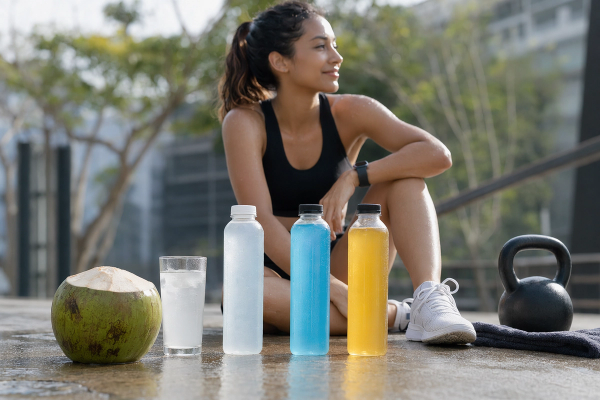
#Let's talk water because wellness content gets weird about this. You do not need absurd gallon challenges unless a doctor told you something specific. Current health advice still leans practical: drink regularly across the day, increase fluids in hot weather, and pay attention to your body, urine color, thirst, dizziness, and sweat loss. For desk workers in Indian summer, especially if commuting, a simple target many people do well with is steady sipping plus fluids from foods like fruit, chaas, curd, coconut water sometimes, soups if you're into that, and plain water as your base. If you're sweating a lot, replacing some electrolytes can help, but sports drinks every day for sitting at a desk? bit much for most people.
My own trick is embarrassingly simple. I refill at fixed times instead of relying on memory. Around 9:30, 12:30, 3:30. That's it. If I wait for thirst, I've already slipped. Also, too much caffeine in summer hits me harder. Newer sleep and hydration discussions in 2026 are pretty big on this combo actually, because lots of us are mildly sleep-deprived and then use caffeine in hot conditions, which can make the whole jittery-dehydrated thing worse. Again, not medical drama, just very common.
The cooling foods that don't make me crash by 2 pm
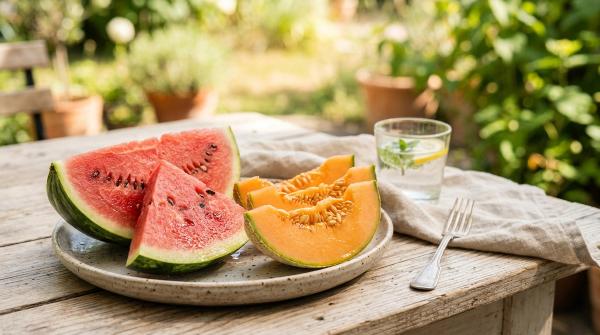
#I grew up hearing all the classic summer food advice and ignored half of it until desk work humbled me. Lighter, water-rich meals really do help. Not in a magical detox way, I hate that language, but in a digestion-and-body-temperature-comfort kind of way. Things that have worked for me are curd rice, cucumber, kakdi with black salt, watermelon, muskmelon, curd, chaas, homemade lemon water, mint, lightly cooked lauki which I used to make fun of, and simple dal-chawal in smaller portions. Seasonal fruit as a mid-morning snack has saved me from a lot of nonsense vending machine choices.
- Breakfast with some protein and fluid helps more than just tea and biscuits. Even dahi with fruit, eggs, moong chilla, or oats works.
- Lunch should be lighter than you think. If I eat like it's a wedding buffet, my body just gives up.
- Spicy and deep-fried food isn't banned, relax, but save the heavier stuff for cooler evenings or at least not before a meeting where you need your brain.
One caution though. If you have diabetes, kidney disease, heart issues, digestive disorders, or you're on fluid restrictions, don't just copy generic summer diet hacks from social media. Personalized advice matters. I know that's not a fun line, but it's true.
Microbreaks are weirdly one of the most cooling habits I have
#This surprised me. I thought cooling = only drinks and temperature. But when I sit still for hours, I somehow feel hotter and more tired. Getting up every 45 to 60 minutes helps my body reset. There've been more studies in recent years linking prolonged sitting with poorer circulation, stiffness, fatigue, and lower energy regulation, and while it's not all about heat, in summer it sort of stacks together. You feel heavy, puffy, foggy. A two-minute break can break that cycle.
What I do is not impressive. I stand, stretch my calves, roll my shoulders, wash my face or wrists with cool water sometimes, walk to another room, look away from the screen, maybe just breathe near a fan like a dramatic person. If I can, I do a short balcony walk before the hottest part of the afternoon or after sunset. This also helps eye strain, and eye strain in dry heated indoor air is a whole seperate irritation no one warned me enough about.
Clothes, skin, and the tiny comfort upgrades that matter more than people admit
#If you're at home, this is easy-ish. Loose cotton, lighter colors, breathable fabrics. If you're in office and dress code is annoying, do what you can underneath and around it. I switched from synthetic blends to actual breathable clothes on weekdays and it made a stupidly big difference. Same with keeping a small towel, using non-greasy sunscreen if near windows or commuting, and splashing cool water on face and forearms during breaks. Also, if your skin gets prickly heat or sweat rash, don't just suffer through it because you're trying to look professional. Stay dry where possible and use products your dermatologist recommends. Skin barrier health has become a bigger topic lately in wellness circles, thankfully, because irritation from heat plus indoor AC dryness is so common.
Sleep is part of summer cooling too, even if it doesn't sound like it
#Warm nights ruin everything. This is one of those public health issues people are discussing more now because nights are staying hotter in many cities, and poor sleep worsens heat tolerance the next day. I notice this instantly. If I sleep badly in a warm room, I need more caffeine, I drink less water for some dumb reason, I snack more, and by afternoon my patience is gone. Not gone-gone, but hanging by a thread.
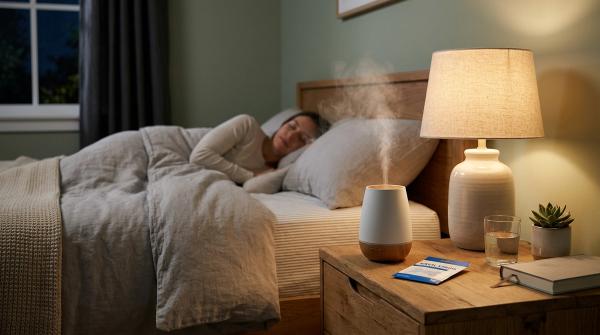
So my night routine in summer is less about optimization and more about reducing friction. Light dinner. Cooler shower or at least wash feet and face. Fan plus whatever cooling setup is available. No heavy blanket just because AC is on. And I try, try being the key word, to stop doomscrolling in bed. There are newer conversations in digital wellness this year around heat, sleep and screen exposure all interacting, and that feels very real to me. Your nervous system doesn't need a 45-minute reel binge at midnight in a hot room.
A few red flags that are not for powering through
#This matters. If you're feeling intense dizziness, confusion, faintness, vomiting, very fast heartbeat, severe headache, cramps that don't settle, or your body feels dangerously hot, don't just sit there finishing a deck. Move to a cooler place, hydrate if you're awake and able, loosen clothes, cool the body, and seek medical help. If someone is confused, collapses, has a very high body temperature, or shows signs of heat stroke, that's urgent care territory. Desk job or not, heat illness can escalate.
Also worth mentioning: people who are pregnant, older adults, those with cardiovascular disease, diabetes, kidney issues, thyroid problems, certain mental health conditions, or people taking meds like diuretics can be more vulnerable to heat-related problems. This isn't to scare anybody. Just... don't dismiss symptoms.
The routine I keep coming back to, because it's realistic-ish
#If I had to boil it all down into one workday flow, it'd be this. Morning water before coffee. Light breakfast. Curtains managed early. Fill bottles before logging in. Fan for air movement. Wear breathable clothes. Lunch that doesn't knock me unconscious. Stand up every hour. Quick cool-water face rinse in the afternoon slump. Fruit or chaas instead of another sugary snack when possible. Short walk after work. Lighter dinner. Better sleep setup. That's mostly it. Not sexy, not revolutionary, but my body definately notices when I skip it for a week.
Honestly the biggest shift for me was stopping the idea that health has to be dramatic to count. Sometimes wellness is literally just closing the blinds at noon and drinking water before your headache starts.
One last thing - be nice to yourself in summer
#I think desk workers can be hard on themselves because the work looks physically easy from the outside. You're "just sitting." But summer fatigue, dehydration, crappy indoor environments, long commutes, and nonstop screen time add up. If your energy dips in May or June, that doesn't automatically mean you're unfit or undisciplined. Maybe you need a better setup, more fluids, more breaks, less heat, more sleep... maybe all of the above. I still mess this up plenty. But when I pay attention, summer work becomes way less miserable.
Anyway, that's my very human, slightly sweaty guide to staying cooler at a desk in Indian summer. Take what helps, ignore what doesn't, and if symptoms feel more than mild, please talk to a qualified doctor instead of trusting random internet confidence. And if you like reading this kind of practical health stuff without too much fake perfection, have a look at AllBlogs.in too, it's got that casual helpful vibe I usually enjoy.