I didn’t really think much about “metabolic health” till my early 30s, honestly. I thought if I wasn’t visibly overweight and if my annual sugar test looked kinda okay, I was fine. That was the level of my wisdom lol. Then one random health camp at work showed borderline triglycerides, a slightly high waist measurement, and fasting sugar that my doctor called “not alarming, but not great either.” That phrase stayed with me. Not alarming, but not great. For a lot of Indians after 30, that’s exactly where things start. Quietly. No drama, no obvious symptoms, just these small nudges from the body saying, hey, maybe pay attention now before it gets messy later.
And this matters extra for Indians, because we tend to develop insulin resistance, fatty liver, high triglycerides, and type 2 diabetes at lower BMIs and at younger ages compared to many other populations. You can look “normal” and still have a not-so-great metabolic profile. Thats the annoying part. In cities especially, our lives are weird now, yaar — long sitting hours, late dinners, stress, patchy sleep, not enough protein, too much delivery food, social drinking on weekends that somehow became twice a week... you know how it goes.
So what even is metabolic health?
#Basically, it’s how well your body handles blood sugar, fats, energy, blood pressure, and weight regulation. It’s not just about diabetes. It’s a bigger picture thing. Good metabolic health usually means your blood glucose is in a healthy range, insulin sensitivity is decent, triglycerides aren’t high, HDL isn’t too low, blood pressure is okay, and your waistline isn’t creeping up in a way that suggests visceral fat. The danger is that a lot of this can worsen for years before someone feels anything at all. That’s what kinda scares me, actually.
Metabolic problems often don’t begin with a huge symptom. They begin with “I feel mostly fine” and one lab value that’s slightly off.
Why after 30 it starts to hit different
#After 30, a bunch of things stack up. Muscle mass slowly starts dipping if you don’t do resistance training. Recovery gets slower. Stress tends to go up because work, family, kids, aging parents, all of it. Women may also start noticing metabolic shifts around PCOS, postpartum changes, or the years leading into perimenopause. Men are not magically protected either, despite what some of them think. Add sleep debt and alcohol and boom, your body becomes less forgiving than it was at 23 when you could survive on biryani and bad decisions.
One thing that changed my own approach was learning that metabolic health is not equal to weight alone. I know people who are thin but have high HbA1c or fatty liver. And I know people who are heavier but have improved insulin sensitivity because they walk daily, lift weights, sleep properly, and eat in a more balanced way. So yes, body composition matters, but the story is bigger than the number on the scale.
The tests I personally think Indians over 30 should actually know
#Okay, not every single person needs every test all the time, and this is where a real doctor matters. But if you’re 30+, especially with family history of diabetes, heart disease, PCOS, hypertension, fatty liver, central obesity, sedentary work, or sleep issues, these are the tests worth discussing. I wish I’d looked at the whole panel earlier instead of just doing fasting sugar once in a while and calling it self-care.
- HbA1c — gives a roughly 3-month average of blood sugar. Useful, but can miss some early insulin resistance in certain people.
- Fasting blood glucose — still useful, especially paired with HbA1c, though one normal reading doesn’t guarantee everything is fine.
- Lipid profile — total cholesterol, LDL, HDL, triglycerides, and ideally non-HDL cholesterol. High triglycerides are super common in Indians.
- Blood pressure — very basic, very ignored. Home readings can be more helpful than one clinic reading if done properly.
- Waist circumference — boring but important. Abdominal fat matters a lot metabolically.
- Liver enzymes and fatty liver screening — ALT, AST, and in some cases ultrasound if advised. Metabolic dysfunction-associated steatotic liver disease, which is the newer name replacing older terms like NAFLD, is a big issue now.
- Kidney function — creatinine, eGFR, urine albumin/creatinine ratio in people with diabetes, hypertension, or risk factors.
- TSH — not because thyroid explains everything, it doesn’t, but because thyroid issues can overlap with weight, lipids, and fatigue.
- Vitamin B12 and Vitamin D — not exactly core metabolic markers, but deficiencies are common in Indians and can affect energy, mood, and exercise capacity.
- Fasting insulin or HOMA-IR — sometimes helpful in select cases, though not always necessary and not uniformly interpreted everywhere.
- ApoB and Lipoprotein(a) — these are being talked about much more in preventive cardiology lately, including in 2025-2026 wellness circles, especially for people with family history of early heart disease.
If there’s one trend I’ve noticed in current preventive health convos in India, it’s that more doctors are looking beyond just “cholesterol total normal, okay bye.” There’s more focus now on triglyceride-rich patterns, ApoB, early insulin resistance, fatty liver, continuous glucose monitoring in select people, and body composition rather than just body weight. Some of this is useful. Some of it is overhyped. Both things can be true at once.
What’s considered risky, generally speaking?
#This part is not for self-diagnosing, but it helps to know what usually raises eyebrows. A waist circumference above recommended cutoffs for South Asians, blood pressure consistently elevated, triglycerides high, HDL low, HbA1c in prediabetes or diabetes range, fasting glucose trending up, or evidence of fatty liver — all of these point toward metabolic risk. For South Asians, experts often use stricter waist and BMI interpretations because risk rises earlier. Again, not everyone fits neatly into these boxes, but still. Patterns matter.
Also, recent research and guidelines continue to support something we’ve heard for years but maybe ignored — even prediabetes isn’t “mild” if it’s paired with abdominal obesity, poor sleep, inactivity, or family history. It’s more like a yellow light that can turn red surprisingly fast. In India, where diabetes numbers remain huge and are still climbing, waiting for a full diagnosis is just... not a smart strategy.
The 2026 wellness stuff that’s actually useful... and the stuff I’m skeptical about
#Right now there’s a lot of talk around glucose spikes, CGMs for non-diabetics, protein-first meals, microbiome testing, cold exposure, longevity stacks, standing desks, zone 2 cardio, and AI-generated meal plans. Some of it is legit helpful. Some of it is expensive nonsense in nice packaging. My slightly grumpy opinion? The fundamentals still beat the gadgets for most people.
- Continuous glucose monitors can be useful in some prediabetic or high-risk people, especially if a doctor recommends them, but they are not mandatory for everybody who ate one gulab jamun and panicked.
- High-protein breakfasts are genuinely helpful for appetite control and blood sugar steadiness. This one I’m a fan of.
- Strength training is having a deserved moment in 2026 wellness culture, and good. Indians need more muscle, not just more step counts.
- Microbiome tests are interesting but often ahead of practical evidence for routine use. Don’t blow 20k on a colorful gut report before fixing sleep and meals.
- Short post-meal walks are still one of the most underrated hacks ever. Cheap, effective, unsexy.
I did try one of those ultra-optimized routines for 9 days — vinegar shots, seed mix, 12k steps, no rice at night, app-based tracking, sleeping by 10, the whole dramatic package. It lasted exactly till a family wedding and then I crashed back into normal life. That taught me something useful though. Metabolic health improves from repeatable habits, not health cosplay.
Daily habits that made the biggest difference for me
#Not saying I do these perfectly. I absolutely do not. But these are the things that moved my labs in the right direction over time, along with actual medical advice. And I say over time because this is another thing people don’t wanna hear — 2 weeks of clean eating usually won’t fix 8 years of stress-snacking and sitting.
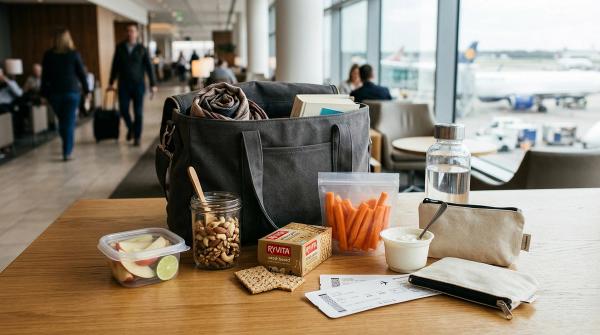
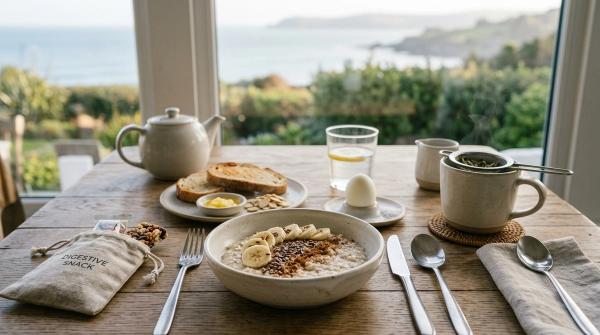
- I started eating protein earlier in the day. Eggs, paneer, Greek yogurt/curd, dal chilla, tofu, even leftover chicken sometimes. Breakfast that’s mostly toast and chai leaves me hungry again too fast.
- I still eat rice. I’m Indian, not a biohacking robot. I just changed portions, added dal, sabzi, curd, salad, and tried not to make every meal carb-only.
- A 10 to 15 minute walk after lunch or dinner helps way more than I expected. There’s good evidence this can blunt post-meal glucose rises.
- Strength training 2 to 4 times a week. Nothing fancy. Squats, rows, presses, hinges, carries. Building muscle is honestly one of the best metabolic investments after 30.
- I aim for 7+ hours sleep more often than not. When I sleep badly for several nights, my hunger, cravings, and energy all go weird. My glucose probably does too.
- More fiber, less liquid calories. This sounds boring because it is, but fruits, vegetables, dals, beans, oats, seeds, and fewer sugary drinks really do help.
- Alcohol less often. I know, I know. But triglycerides, fatty liver risk, poor sleep, overeating — alcohol was quietly messing with too many things.
One thing Indians often miss is protein distribution. We’ll maybe get a good amount at dinner if there’s chicken or paneer, but breakfast and lunch can be very low. Then we wonder why we’re hungry, losing muscle during weight loss, or not recovering from exercise. I’m not saying everyone needs bodybuilder food, obviously. Just enough protein through the day. It matters.
If you’re vegetarian, don’t panic
#A lot of Indian wellness content gets weirdly meat-centric and then vegetarians feel doomed. You’re not doomed. It just takes a bit more planning. Paneer, tofu, tempeh if you like it, milk/curd, Greek yogurt or hung curd, soy chunks, dals, chana, rajma, sprouts, peanuts, mixed lentil batters, besan-based dishes — all useful. The trick is not depending only on roti-rice-poha-upma and then calling the meal balanced because there was one spoon of curd on the side. Sorry but someone had to say it.
Also, if you have PCOS, prediabetes, or insulin resistance, don’t fall into the trap of starving or going super low-carb overnight without guidance. For some people it helps, for others it becomes unsustainable and leads to binge-restrict cycles. A moderate, high-fiber, protein-aware approach often works better in real life. Not glamorous, but real.
What I’d ask a doctor if I was starting from scratch
#Maybe this is the most practical section. If you’re going for a checkup and you know metabolic health is becoming a concern, I’d ask things like: What’s my actual risk given my family history and waist size? Are my triglycerides a problem even if LDL isn’t terrible? Should I be checked for fatty liver? Do I need HbA1c only, or fasting glucose too? Is my blood pressure trend okay? Would ApoB or Lp(a) add anything in my case? How often should I repeat tests? What kind of exercise is best for me right now? Can I improve things with lifestyle first, or do you think medication is needed?
And yes, medication is not failure. Metformin, statins, blood pressure meds, weight-management meds, whatever is prescribed appropriately — these are tools. There’s been more discussion in 2025 and 2026 around anti-obesity medications and GLP-1 based treatments, and they can be life-changing for some people under medical supervision. But they’re not substitutes for sleep, movement, and food quality either. It’s usually both/and, not either/or.
Some warning signs people brush off way too much
#- Getting tired or sleepy after carb-heavy meals all the time
- Waist size increasing even if weight isn’t changing much
- Snoring, poor sleep, waking unrefreshed — sleep apnea links strongly with metabolic issues
- Repeatedly “borderline” blood tests that never fully improve
- Darkening around the neck or underarms in some people, which can be associated with insulin resistance
- Family history of diabetes before age 50, heart attack, stroke, PCOS, or fatty liver
Please don’t use this blog to diagnose yourself, obviously. But don’t ignore patterns either. Me and my brother both have that family tendency to say “it’s just stress” about literally everything. Sometimes it is stress. Sometimes stress is also wrecking your metabolism. Annoying but true.
The boring truth I keep coming back to
#There isn’t one magical Indian superfood, one supplement stack, one detox, one seed cycle, one fasting protocol, one app, one guru, one ‘reverse diabetes in 10 days’ plan. The boring truth is still the useful truth. Check your numbers. Build muscle. Walk after meals. Eat enough protein and fiber. Sleep better. Reduce ultra-processed junk most days. Manage stress somewhat, even imperfectly. Repeat. Then repeat again when life gets chaotic and you fall off for two weeks. Which will happen. It does for everybody.
Actually, I think the emotional side of metabolic health gets ignored. Shame makes people avoid testing. Fear makes people postpone doctor visits. Perfectionism makes them start impossible plans and then quit. If that’s you, I get it. I really do. My own first reaction to a not-great lab report was not enlightened wellness behavior. It was mild panic, googling, denial, and then ordering dessert that same night. Human behavior is very dumb sometimes.
Final thoughts, from one imperfect adult to another
#If you’re over 30 and Indian, metabolic health deserves way more attention than it usually gets. Not obsessive attention. Just steady, grown-up attention. A yearly or doctor-advised checkup, better daily habits, and less waiting-for-symptoms can genuinely change your future risk. Small improvements count. Lowering HbA1c a bit, bringing triglycerides down, walking more, sleeping better, reducing waist size by a few centimeters — this stuff is not tiny, even if Instagram doesn’t clap for it.
Start with what you can maintain this month, not with the most intense plan you can survive till Sunday. That’s probably the best advice I can give. And if you like reading more grounded wellness stuff without too much nonsense, have a look at AllBlogs.in sometime. I’ve found some pretty useful reads there, and anyway, we’re all figuring this health thing out as we go.