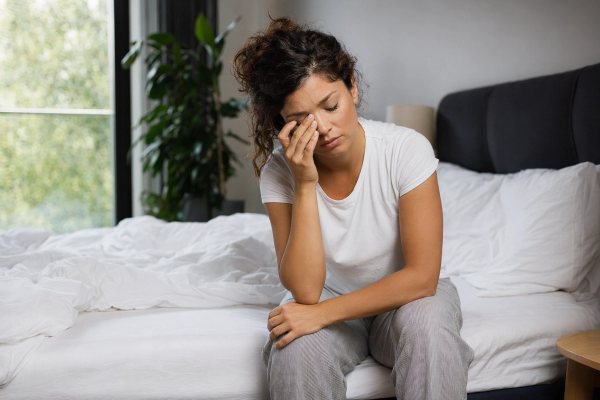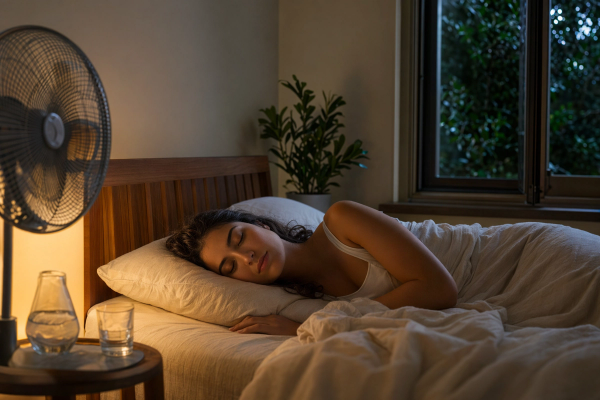
I need to say this upfront. Sleepmaxxing is one of those very 2026 internet words that sounds a bit extra, maybe even annoying, but the basic idea is solid: stop treating sleep like leftover time and start treating it like the thing that keeps your brain, mood, metabolism, skin, workouts, and honestly your ability to not snap at people... functioning. I got interested in this after a stretch where I was sleeping at 1:30 or 2 am, doomscrolling under the blanket, then dragging myself through chai, meetings, random cravings, and that weird evening headache that makes you feel like your soul is buffering.
Also, this post is for Indians specifically because our nights are not the same as generic wellness content from the US. We eat later, families are louder, weddings somehow happen on weekdays, traffic steals our evening, a lot of us live with parents or flatmates, AC power cuts are a thing in some cities, and many of us have chai at like 6 pm and then wonder why sleep vanished. So yeah, realistic matters more than aesthetic. You do not need a Rs 40,000 mattress and imported magnesium spray to sleep better. Helpful maybe, but not required.
What sleepmaxxing even means now in 2026
#The trend in 2026 has shifted a little from flashy “biohacking” to what people are calling low-stimulation evenings, circadian-friendly routines, and sleep consistency over perfection. Wearables are everywhere now, and honestly they can be useful, but there’s also more talk this year about orthosomnia, which is basically when people get so obsessed with sleep scores that the stress itself hurts sleep. I nearly fell into that trap. My watch would say 72 and I’d wake up feeling fine, then suddenly I felt tired because a number told me to. Dumb, but very real.
Current sleep guidance still points to the basics being the heavy hitters: most adults need about 7 to 9 hours regularly, a stable sleep-wake time helps the body clock, light exposure in the morning matters, and late caffeine, alcohol, nicotine, heavy meals, and bright screens too close to bedtime can all mess with sleep. Newer research keeps reinforcing that sleep isn’t just rest, it’s active brain and body maintenance. Poor sleep is associated with worse insulin sensitivity, mood issues, blood pressure trouble, and lower immunity. For women, perimenopause and hormonal shifts are finally getting more attention in sleep conversations too, which is overdue tbh.
The biggest sleep lesson I learnt the hard way: your night routine starts in the morning. Annoying, yes. True, also yes.
Why Indians struggle with sleep in very specific ways
#I remember when I first tried to follow one of those perfect night routines online. They were like: finish dinner at 6:30, sunset walk, Epsom salt bath, read fiction, lights out by 9:30. Very cute. Meanwhile I was replying to office stuff at 8:15, dinner was dal-rice at 9:20, the neighbour had started drilling for reasons known only to him, and my mom was asking if I wanted one more roti. Indian life has texture, lets say. So instead of pretending otherwise, it helps to build a routine around the actual obstacles.
- Late dinners are common, especially in cities and in joint families
- Tea and coffee sneak in late, and many people underestimate caffeine in evening chai
- Noise, bright streetlights, and shared rooms make sleep hygiene harder
- AC, heat, humidity, mosquitoes, and power cuts can become major sleep disruptors
- Long commutes push workouts, dinner, and unwind time too late into the night
There’s also a bigger issue. India has a lot of undiagnosed sleep problems. Snoring gets joked about, but loud chronic snoring, pauses in breathing, morning headaches, dry mouth, and daytime sleepiness can point to sleep apnea, which needs proper evaluation. Shift workers, new parents, students, menopausal women, and people with anxiety or depression are all carrying sleep debt in different ways. If your sleep issue is persistent, severe, or comes with breathing symptoms, this is doctor territory, not just “try lavender oil” territory.
My realistic night routine, not the fantasy version
#So here’s the routine I keep coming back to. Not every night is perfect. Some nights I still end up watching reels about gut health at 11:47 pm, because apparently I love self-sabotage. But when I do the following for even 5 to 6 days in a row, my sleep gets deeper and my mornings stop feeling violent.
Step 1: I decide my wake-up time first
#This changed everything. Instead of obsessing over the exact bedtime, I lock a wake time that I can maintain most days, including weekends with only a small delay. For me that’s around 6:45 or 7. If I sleep late one night, I try not to “revenge lie-in” till 10:30 because then the next night gets ruined too. Current sleep advice still supports regularity as one of the strongest anchors for circadian rhythm. Basically your body likes predictability more than drama.
Step 2: Last caffeine cutoff is earlier than I used to think
#This one hurt my feelings. I love chai. But caffeine can hang around for hours, and in some people even a 4 pm tea can affect sleep onset or sleep depth. I now try to keep caffeinated tea or coffee before 2 pm, maybe 3 pm on occassion if I know I’m especially tolerant, but honestly earlier is better. If I want the ritual in the evening, I switch to tulsi tea, chamomile, plain warm water, or just milk with a tiny pinch of haldi. Not because turmeric is magic, just because warm familiar drinks can be calming.
Step 3: Dinner gets lighter, and ideally 2 to 3 hours before bed
#I used to eat a heavy dinner late and then wonder why I was bloated, thirsty, and weirdly awake. Now I try for a simpler plate at night: dal, sabzi, roti, curd if it suits me, khichdi, grilled paneer, eggs, tofu, maybe rice but not in a giant mountain. Spicy oily takeout too close to bed absolutely wrecks me. Research keeps showing that meal timing and heavy late eating can worsen reflux and sleep quality in some people. Not everyone, but enough people that it’s worth testing on yourself.
And no, you don’t need to starve. If you sleep hungry, that can also backfire. A small snack can help if needed, like banana with peanut butter, a little dahi, a small handful of makhana, or milk. The point is gentle, not stuffed.
Step 4: 60 minutes of low-stimulation mode
#This is the heart of my routine. About an hour before bed, I lower the “input”. Fewer bright lights, no intense work, no upsetting news if possible, and definitely no starting a life admin task at 11 pm. I know some experts suggest 30 minutes and some suggest longer, but 45 to 60 minutes feels realistic for me. The 2026 wellness world is obsessed with nervous system regulation now, which can get a bit buzzwordy, but the useful part is true enough: if your brain is in alert mode, sleep doesn’t just happen because the clock says so.
- Warm lights on, overhead white lights off
- Phone to grayscale or night mode, and ideally parked away from the bed
- A quick shower if it’s hot and sticky, or just washing face and feet
- 10 minutes of stretching, child’s pose, legs up on the wall, easy stuff
- Something boring-ish to read. This is not the time for thriller novels if you are me
Blue light gets talked about a lot, and yes, bright light at night can delay melatonin timing, but in real life it’s not just the color of the light. It’s also the emotional stimulation. I sleep worse after “just checking” one work email than after watching a mildly dumb sitcom. Content matters. Your nervous system knows the difference.
Step 5: I cool the room as much as I realistically can
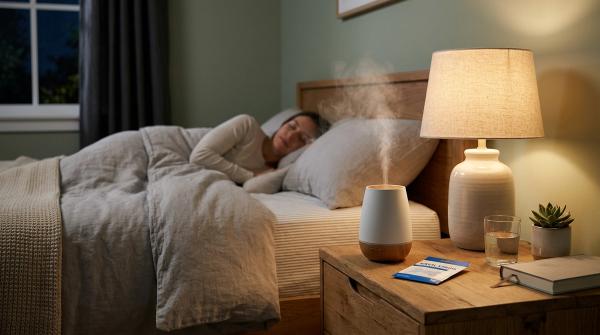
#People sleep better in a cool, dark, quiet environment, but let me be real, that sentence sounds written by someone who has never had a Delhi summer power cut. So I do what’s possible: lighter bedding, fan plus AC if available, curtains closed early to reduce heat, breathable cotton clothes, and if mosquitoes are around then proper net or repellent because one mosquito can undo all your wellness habits in like 14 seconds. If AC dries you out, hydration through the day matters more than chugging water right before bed and then waking to pee twice.
Step 6: I stop trying to knock myself out with supplements
#A few years back I tested everything people on wellness Instagram were pushing. Magnesium glycinate, melatonin gummies, ashwagandha, sleepy tea blends, the whole circus. Here’s my take. Some supplements can help in specific situations, but they’re not the foundation. Melatonin especially is not a general sleeping pill. It’s more of a timing signal and may be useful for jet lag, some circadian rhythm issues, or selected short-term situations, but wrong timing or dose can make things messy. If you’re taking it regularly, especially for kids, during pregnancy, or with other medications, please check with a doctor. More is not more.
Magnesium may help some people if they’re low or if muscle relaxation is part of the issue, but evidence is mixed and quality differs by product. Ashwagandha is trendy in India and globally, but it’s not for everybody, especially with thyroid issues, autoimmune concerns, pregnancy, or certain meds. Basically, if your sleep sucks because your schedule is chaos, no capsule is going to outrun that. I wish it would though lol.
The small habits that mattered more than I expected
#- Morning sunlight within the first hour of waking. Even 10 minutes on the balcony helps, more if possible.
- Some movement in the day. A walk after meals, strength training, yoga, anything. Sedentary days make my sleep shallower.
- Not drinking alcohol thinking it helps. It may make you sleepy at first but often worsens sleep later, fragments it, and can worsen snoring or apnea.
- Keeping the bed for sleep, mostly. If I work in bed, my brain starts associating bed with low-grade panic. Not ideal.
- If I can’t sleep after around 20 minutes, I get up and do something dim and boring. Lying there angrily trying to force sleep never works for me.
That last one is basically a CBT-I style principle. CBT-I, or cognitive behavioral therapy for insomnia, is still considered one of the best-supported treatments for chronic insomnia. In 2026 more clinicians are offering digital CBT-I tools too, which is good because access used to be terrible. If your insomnia has been hanging around for months, this approach is worth asking about. It’s more effective long term than depending only on sedatives for many people.
Stuff people call sleepmaxxing that I’m kinda skeptical about
#Mouth taping for everyone. Hard no from me as a blanket recommendation. If you have nasal congestion, suspected apnea, or breathing issues, don’t DIY your way into a problem. Fancy sunrise alarm clocks are nice but not essential if you can get actual morning light. Expensive sleep trackers can be fun, but if they make you anxious, they are not helping. Weighted blankets are lovely for some folks and awful in hot weather. Red light lamps are fine if you like them, but not mandatory. You see the pattern. A lot of wellness products are just accessories hanging off the basics.
The boring sleep habits are the powerful ones. Consistency, light, caffeine timing, food timing, stress downshift. Kinda rude, honestly.
When your problem is not “bad habits” but actual stress, hormones, or illness
#This part matters a lot. Sometimes a perfect routine still doesn’t fix the issue because the issue isn’t routine. Anxiety can cause that tired-but-wired feeling. Depression can change sleep in either direction. Thyroid problems, reflux, chronic pain, anemia, perimenopause, pregnancy, PCOS-related issues, medication side effects, allergies, and sleep apnea can all show up as “I sleep badly.” In India especially, iron deficiency and vitamin issues can overlap with fatigue, though fatigue and sleepiness aren’t the exact same thing. If you’re exhausted despite enough time in bed, get checked rather than blaming your willpower.
Please also watch for red flags: loud habitual snoring, witnessed pauses in breathing, waking up choking, severe restless legs, acting out dreams violently, chest pain, fainting, or insomnia that’s wrecking daily life. That needs proper care. I’m into wellness, but I’m not into pretending everything can be fixed with herbal tea and intention.
A sample Indian night routine you can steal and tweak
#Here’s a normal-person template, especially if you work a standard daytime schedule. Shift workers need a different strategy, and that’s a whole other post honestly.
- 7:30 to 8:30 pm — Dinner, aiming for enough protein and not too greasy
- 8:45 pm — 10 minute walk at home, terrace, or corridor if outside isn’t practical
- 9:00 pm — Finish major messages, tomorrow list, and set out clothes or tiffin stuff
- 9:30 pm — Last bright screens if possible, lights get warmer and dimmer
- 10:00 pm — Wash up, skincare if you care, brush, maybe a quick shower in hot weather
- 10:15 pm — Stretch, breathe slowly, read, pray, journal, or just sit quietly
- 10:45 to 11:00 pm — In bed, room cool-ish, phone away, no dramatic thoughts if possible
And if your household runs later than that, adjust it. Don’t copy someone else’s bedtime like it’s a moral achievement. The best routine is the one you can repeat without feeling like you’ve joined a monastery.
What happened when I actually stuck with this
#The first change wasn’t magical sleep. It was that I stopped dreading bedtime. Then I started waking fewer times. Then my morning hunger normalized, my workouts felt less horrible, and weirdly my skin looked less puffy. My patience improved too, which my family probably appreciated more than my deep sleep score. The big thing though was this: I felt more emotionally stable. Not euphoric, not transformed, just... less frayed around the edges. And that’s huge.
I still mess it up. Travel, festivals, deadlines, late-night biryani, cricket matches, all of it happens. But now I know the reset. One decent night routine won’t fix months of bad sleep, and one late night won’t ruin a healthy pattern either. That all-or-nothing thinking used to trap me. It doesnt anymore.
Final thoughts, from one tired person trying her best
#If you want to “sleepmaxx” in a way that actually works in India, start smaller than social media tells you to. Pick three things: fixed wake time, earlier caffeine cutoff, and a low-stimulation final hour. Do that first. Then improve dinner timing and the bedroom setup. Then, if needed, ask whether stress, hormones, or a medical problem is in the mix. Sleep is deeply biological, but it’s also weirdly practical. Curtains, chai timing, and family habits matter almost as much as motivation sometimes.
Anyway, that’s my real-life routine and the stuff that helped me stop treating sleep like an afterthought. Hope some of it helps you too, even if only a little bit. And if you like this kind of honest wellness rambling, you can find more over on AllBlogs.in.