If you’ve just started baking, cream of tartar can feel like one of those mystery ingredients that suddenly shows up everywhere.
You’re making cookies, cakes, frostings, meringues, or an eggless dessert, and the recipe casually says, “Add cream of tartar.” And then you pause.
Cream? Is it dairy?
Tartar? What even is that?
If you’re vegetarian, vegan, or baking for a family where packaged ingredients are checked properly, it’s completely normal to wonder: is cream of tartar veg or non-veg?
Here’s the simple answer.
So, Is Cream of Tartar Veg or Non-Veg?
#Pure cream of tartar is vegetarian. It is also generally considered vegan.
It does not contain milk cream, egg, meat, fish, gelatin, or any animal-derived ingredient on its own.
Cream of tartar is the common name for potassium bitartrate, also known as potassium hydrogen tartrate. It is a white, acidic powder that comes from tartaric acid, which is naturally present in grapes.
During winemaking, small crystals can form inside wine barrels or tanks. These crystals are collected, purified, and ground into the fine white powder sold as cream of tartar.
So, if your pack contains only:
- Cream of tartar
- Potassium bitartrate
- Potassium hydrogen tartrate
then the ingredient itself is vegetarian.
That said, if you are buying it in India, it is still wise to check the label. This is especially important if the product is imported or if it is part of a baking mix, icing mix, stabilizer blend, or ready-made dessert mix.
Pure cream of tartar is usually not the issue. Mixed products are where you need to be more careful.
Why Is It Called “Cream” of Tartar?
#The name is honestly quite misleading.
The word “cream” does not mean dairy cream here. It refers more to the fine, powdery texture of the ingredient.
And “tartar” has nothing to do with meat, seafood, egg, or anything non-vegetarian. It comes from tartaric acid and tartrate crystals.
So if someone asks, “Is cream of tartar vegetarian?” the answer is yes, as long as it is pure cream of tartar.
And if someone asks, “Is cream of tartar vegan?” the answer is also generally yes for the ingredient itself. However, if you follow a very strict vegan lifestyle, you may prefer a pack that clearly mentions vegan or vegetarian status on the label.
Cream of Tartar Label Check for Indian Bakers
#For Indian home bakers, the safest habit is simple: read the front and back of the pack before buying.
Don’t rely only on the online product title. Sometimes listings are incomplete, translated oddly, or grouped under broad baking categories.
Here’s what to check.
1. Look for the Green Vegetarian Mark
#In India, vegetarian packaged foods usually carry the familiar green dot symbol.
If your cream of tartar pack has this mark, that’s the easiest confirmation for vegetarian buyers.
If the pack does not have the green mark, don’t panic immediately. Some imported products may not show Indian vegetarian symbols on the original label. In that case, check the ingredient list and importer details carefully.
2. Read the Ingredient List
#A clean, pure cream of tartar product should usually list just one ingredient, such as:
- Cream of tartar
- Potassium bitartrate
- Potassium hydrogen tartrate
If that is the only ingredient, it is straightforward.
3. Be Careful with Baking Blends
#Sometimes what you are buying is not pure cream of tartar. It may be part of a baking blend, frosting mix, stabilizer mix, icing mix, or imported dessert mix.
In those cases, look out for ingredients like:
- Gelatin
- Egg powder
- Dairy solids
- Animal-derived stabilizers
- Unclear “natural flavours” in mixed products
Again, pure cream of tartar is vegetarian. The confusion usually starts when it is mixed with other ingredients.
4. Check Imported Packs More Closely
#Imported baking ingredients may not always have the Indian green vegetarian mark on the main label.
If you’re buying from a store or online marketplace, check:
- The full ingredient list
- The importer’s sticker
- Vegetarian or vegan claims, if any
- Allergen information
- FSSAI details, where applicable
If the label feels unclear and you follow strict vegetarian rules, choose another brand with clearer labelling. It’s better than buying it and then feeling doubtful every time you use it.
Cream of Tartar vs Baking Powder vs Yeast
#Cream of tartar, baking powder, baking soda, and yeast are often kept on the same baking shelf, so it’s easy to mix them up.
But they are not the same thing.
Here’s the simple difference.
Cream of Tartar
#What it is:Cream of tartar is an acid. Its chemical name is potassium bitartrate.
What it does:By itself, cream of tartar does not make cakes rise dramatically. It works best when combined with a base, usually baking soda. Together, they react and produce carbon dioxide bubbles, which help batters and doughs rise.
Cream of tartar is also used to stabilize foams, prevent sugar crystallization, and improve texture in some recipes.
Common uses:
- Stabilizing whipped egg whites
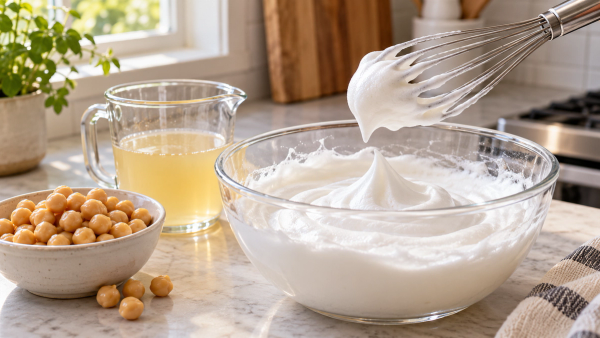
- Stabilizing aquafaba in egg-free baking
- Preventing sugar syrups from crystallizing
- Making homemade baking powder
- Improving texture in some cookies and bakes
Baking Powder
#What it is:Baking powder is a complete leavening agent. It contains a base, usually baking soda, plus one or more acids. Some baking powders use cream of tartar as the acid, while others use different food acids.
Commercial baking powders often contain starch too, which helps keep the powder dry and free-flowing.
What it does:Baking powder helps cakes, muffins, pancakes, biscuits, and quick breads rise.
Main difference from cream of tartar:Cream of tartar is only the acid part. Baking powder already contains both the acid and the base.
In simple terms:
- Cream of tartar = acid
- Baking soda = base
- Baking powder = acid + base, ready to use
Yeast
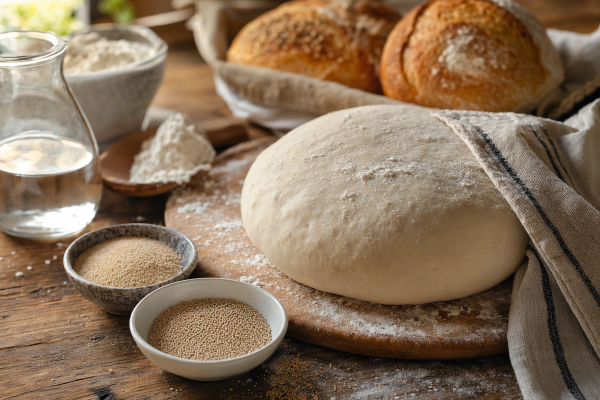
#What it is:Yeast is a living single-celled fungus.
What it does:Yeast feeds on sugars in dough and slowly produces carbon dioxide. This makes dough rise over time.
Used for:
- Bread
- Pizza dough
- Rolls
- Naan-style doughs
- Other fermented doughs
Main difference:Yeast works through fermentation and takes time. Cream of tartar and baking powder work through chemical reactions.
So no, you cannot casually replace yeast with cream of tartar in bread. They do completely different jobs.
How Cream of Tartar Helps in Baking
#Cream of tartar is usually used in tiny amounts, but those tiny amounts can make a noticeable difference.
It’s one of those baking ingredients where you may think, “Does this pinch really matter?” And honestly, sometimes it does.
Here are the most common ways it is used.
1. Stabilizing Egg Whites
#Cream of tartar is often added while whipping egg whites. It helps the foam become more stable and hold its shape better.
This is useful in recipes like:
- Meringues
- Soufflés
- Sponge cakes
- Angel food cakes
- Some frostings
Of course, this is not relevant if you are doing strict egg-free baking. But it explains why cream of tartar appears in many traditional baking recipes.
2. Helping Aquafaba in Egg-Free Baking
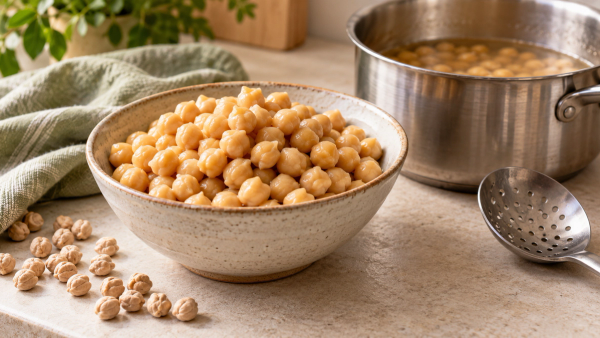
#For vegetarian and vegan bakers, cream of tartar can be very useful with aquafaba, which is the liquid from cooked chickpeas.
Aquafaba can be whipped like egg whites, but the foam can be delicate and may collapse more easily. A small pinch of cream of tartar helps stabilize it.
This can help in egg-free versions of:
- Meringues
- Mousses
- Macaron-style recipes
- Light frostings
- Airy desserts
Use only the amount mentioned in the recipe. With cream of tartar, more is not always better.
3. Preventing Sugar Crystallization
#Cream of tartar can help keep sugar syrups smoother by reducing crystallization.
This is useful when making:
- Caramel
- Fudge
- Candy-style sweets
- Smooth sugar syrups
- Some Indian mithai syrups
A little acidity can interfere with large sugar crystals, which helps the syrup stay smoother.
But again, quantity matters. Too much can affect both taste and texture, so follow the recipe closely.
4. Making Homemade Baking Powder
#If your recipe needs baking powder and you only have baking soda and cream of tartar, you can make a quick homemade version.
A common ratio is:
2 parts cream of tartar + 1 part baking soda
Mix only what you need and use it soon.
Homemade baking powder may not store as reliably as commercial baking powder because it usually does not contain the same starch or moisture-control ingredients.
5. Improving Cookie Texture
#Some cookie recipes use cream of tartar for its acidity. It can affect spread, texture, and flavour balance, especially when used with baking soda.
If a recipe specifically calls for cream of tartar, don’t skip it casually. The amount may look small, but it may be doing an important job in the recipe.
Can You Skip Cream of Tartar?
#Sometimes you can. Sometimes you shouldn’t.
If cream of tartar is used only to stabilize whipped cream, egg whites, or aquafaba, you may be able to skip it. But the foam may not hold as well.
If it is used with baking soda to help a cake, cookie, or quick bread rise, skipping it can change the result. The final bake may turn out dense, flat, or slightly soapy because baking soda needs an acid to react properly.
Possible substitutes depend on the recipe. Lemon juice or white vinegar can work in some cases, but they add liquid and flavour, so they are not always perfect replacements.
If you’re a beginner, it’s best to follow the recipe. Once you understand how the recipe works, you can experiment more confidently.
How to Store Cream of Tartar
#Cream of tartar lasts quite well if stored properly. But moisture can spoil the texture, and in Indian kitchens, especially during monsoon, moisture is a real problem.
Store it like this:
#- Keep it in an airtight container
- Store it in a cool, dry cupboard
- Keep it away from steam and heat
- Do not use a wet spoon
- Avoid storing it very close to the stove
Always close the lid tightly after use. Even one damp spoon can make the powder clumpy.
How to Check If Cream of Tartar Is Still Good
#Before using old cream of tartar, check it properly.
Ask yourself:
- Is it still dry and powdery?
- Does it smell normal?
- Is the colour still white?
- Are there any hard moisture lumps?
- Is there any discolouration?
If it has become damp, badly clumped, discoloured, or smells strange, it is better to replace it.
You can also do a quick activity test.
Mix a little cream of tartar with a pinch of baking soda in warm water. If it fizzes, the acid is still reacting.
Also check the best-before date on the pack. Even if it looks fine, very old baking ingredients can become less reliable.
Buying Tips for Indian Home Bakers
#If you’re buying cream of tartar for the first time, keep it simple.
Choose a pack that has:
- A clear vegetarian mark, if available
- A short ingredient list
- “Cream of tartar” or “potassium bitartrate” clearly mentioned
- Proper sealing
- No unnecessary added ingredients
- Clear importer and FSSAI details, if applicable
If you bake only once in a while, buy a small pack. Cream of tartar is used in very small quantities, so even a little lasts a long time.
A big pack may sound economical, but if it sits in your cupboard for years and absorbs moisture, it’s not really useful.
Quick Summary: Is Cream of Tartar Veg or Non-Veg?
#Here’s the short version:
- Pure cream of tartar is vegetarian.
- It is generally considered vegan.
- It does not contain dairy, egg, meat, fish, or gelatin.
- It comes from tartaric acid found in grapes.
- It is collected as a byproduct of winemaking.
- Indian buyers should check the green vegetarian mark and ingredient list.
- Cream of tartar is not the same as baking powder, baking soda, or yeast.
- It is useful for stabilizing foams, helping aquafaba, preventing sugar crystallization, and making homemade baking powder.