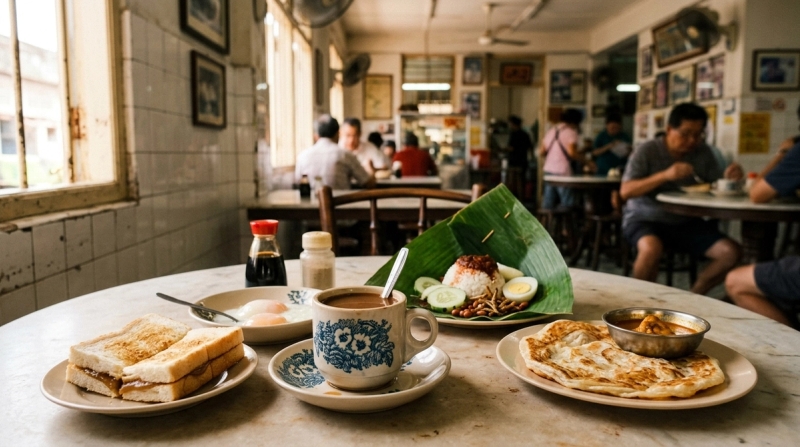
Malaysia wakes up early.
Before the malls open, before the sun starts pressing down, kopitiams are already clinking with cups of kopi, toast is being buttered, soft-boiled eggs are landing on tables, and someone nearby is probably stirring a pot of noodles. Over at a mamak, roti canai is being stretched, flipped and slapped onto a hot griddle while teh tarik gets pulled high behind the counter.
It’s noisy, casual, fast, and honestly, one of the best ways to ease into Malaysia.
It can also feel a little confusing the first time.
Menus overlap. Drink names sound like secret codes. Some dishes look vegetarian but aren’t. And if your stomach is still adjusting to heat, spice, coconut milk, fried food and strong coffee, it helps to know what you’re ordering before you sit down.
This Malaysian kopitiam breakfast guide keeps things practical. Here’s what to order, how to choose between a light or filling breakfast, what hidden ingredients to watch for, and how to order kopi, teh tarik and kurang manis without making it a whole project.
Kopitiam or Mamak: Know Where You’re Eating
#Malaysia’s breakfast scene is beautifully mixed, but two places come up again and again: the kopitiam and the mamak.
They are both casual, both local, and both worth visiting. But they’re not quite the same.
What Is a Kopitiam?
#The word kopitiam combines kopi, Malay for coffee, and tiam, Hokkien for shop. A kopitiam is basically a local coffee shop. Think strong brewed coffee, toast, soft-boiled eggs, simple tables, ceiling fans, regulars reading the news, and sometimes several food stalls operating under one roof.
In some kopitiams, you order your drink from the main counter, then get noodles, rice or snacks from individual stalls inside the same shop. Some are very old-school and bare-bones. Others are newer, cleaner and more polished, but the idea is similar.
For breakfast, kopitiams are especially good for:
- Kaya toast
- Soft-boiled eggs
- Kopi or teh
- Noodle dishes
- Chee cheong fun, depending on the stall
- Lighter breakfast combinations
One thing to remember: if you have dietary restrictions, don’t assume a dish is vegetarian or halal just because it looks plain. Kopitiam dishes may contain pork, lard, chicken broth, seafood, dried shrimp or shrimp paste.
What Is a Mamak?
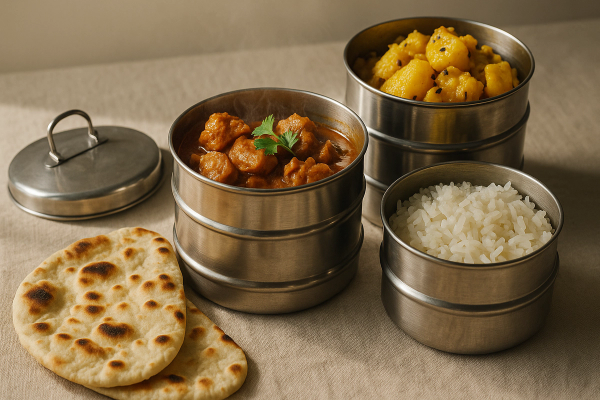
#A mamak is an Indian-Muslim eatery, usually casual and often open-air. Mamaks are known for roti canai, dhal, curries, rice dishes and teh tarik. Many are open long hours, and some operate 24 hours a day.
For breakfast, mamaks are where you go for:
- Roti canai
- Roti telur
- Thosai
- Teh tarik
- Dhal and curry
- A heartier, savory start to the day
Mamaks are often a better first stop if you’re avoiding pork. But if you have strict halal, vegetarian, vegan or allergy requirements, still ask. Kitchens vary, and sauces can contain ingredients that are not obvious from the menu.
The Classic Kopitiam Breakfast: Kaya Toast, Soft-Boiled Eggs and Kopi
#If you only try one traditional kopitiam breakfast, make it this: kaya toast, soft-boiled eggs and kopi.
It’s simple, satisfying, not too heavy, and easy to find in most traditional coffee shops.
Kaya Toast, Malaysia Style
#Kaya is a coconut jam usually made with coconut milk, eggs, sugar and pandan. Pandan gives it a soft, fragrant smell — a little like vanilla, but greener and more floral.
The toast is usually thin white bread, toasted until crisp, then spread with kaya and often a slice or layer of butter. The magic is in the contrast: warm crunchy toast, sweet coconut jam and salty butter.
For travelers who want a lighter breakfast, kaya toast is one of the easiest places to begin. It’s not spicy, it’s easy to share, and it won’t sit as heavily as coconut rice or oily flatbread.
Just note that kaya is not vegan because it contains egg, and butter is common too. If you avoid eggs or dairy, ask before ordering or choose something else.
Soft-Boiled Eggs
#Kaya toast often comes with soft-boiled eggs. They may arrive in a small bowl, with the whites barely set and the yolks still runny.
The usual way to eat them is:
- Crack the eggs into a saucer or small bowl.
- Add a little dark soy sauce.
- Add white pepper.
- Stir gently.
- Dip your kaya toast into the egg mixture, or eat the eggs separately with a spoon.
Sweet toast with salty egg might sound a bit strange if you haven’t tried it before. Give it a chance. It makes sense quickly.
If very soft eggs make you nervous, ask whether they can cook them longer, or just skip the eggs. If your stomach is sensitive, especially on your first day or two, fully cooked food may feel like the safer choice.
Kopi
#Kopitiam coffee is not the same as espresso-style coffee.
Traditional local coffee is usually dark, strong and slightly smoky. In many traditional preparations, the beans are roasted with sugar and butter or margarine, then brewed through a cloth filter. The result is bold, rich and very different from an Americano or flat white.
If you simply order kopi, you’ll usually get coffee with sweetened condensed milk. It’s strong, creamy and sweet.
If you don’t like sweet drinks, say so when ordering. Don’t wait until it arrives.
Malaysian Breakfast Drinks: Kopi, Teh Tarik and Kurang Manis
#Malaysian breakfast drinks deserve their own small explanation, because the names can feel like code at first.
Once you know a few basics, it gets much easier.
Basic Kopi Orders
#Here are common coffee orders travelers can use:
- Kopi: Coffee with sweetened condensed milk.
- Kopi O: Black coffee with sugar.
- Kopi C: Coffee with evaporated milk and sugar.
- Kopi O kosong: Black coffee with no milk and no sugar.
- Kopi peng: Iced coffee with condensed milk.
- Kopi O peng: Iced black coffee with sugar.
The word peng means iced. You can add it to many drink orders.
The word kosong means empty or zero. For drinks, it usually means no sugar.
Basic Tea Orders
#Tea follows a similar pattern.
- Teh: Tea with sweetened condensed milk.
- Teh O: Tea with sugar, no milk.
- Teh C: Tea with evaporated milk and sugar.
- Teh O kosong: Plain tea with no milk and no sugar.
- Teh tarik: Pulled milk tea, usually made with condensed milk.
- Teh tarik kurang manis: Pulled tea, less sweet.
The Most Useful Phrase: Kurang Manis
#If you remember only one drink phrase, make it kurang manis, which means less sweet.
Malaysian breakfast drinks can be much sweeter than many visitors expect. Condensed milk, sugar and sweetened bases are common. If you want your drink toned down, order:
- Kopi kurang manis
- Teh tarik kurang manis
- Kopi peng kurang manis
It will often still taste sweet, just less intense.
If you want no sugar at all, use kosong, as in kopi O kosong or teh O kosong.
Roti Canai Breakfast and Mamak Basics
#For a fuller breakfast, head to a mamak and order roti canai.
Roti canai is a flaky flatbread made from wheat flour, water, fat such as ghee or oil, and often egg. The dough is stretched, flipped, folded and cooked on a hot flat-top until the outside is crisp and the inside stays soft and chewy.
It’s one of Malaysia’s most satisfying breakfast orders, especially if you have a long day of walking ahead.
What to Order at a Mamak for Breakfast
#Start simple:
- Roti canai: Plain flaky flatbread, usually served with dhal and curry.
- Roti telur: Roti with egg inside.
- Roti bawang: Roti with onion.
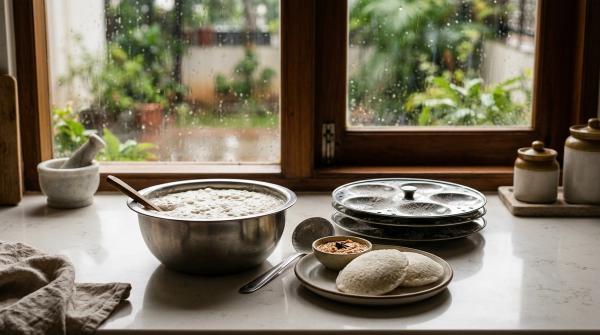
- Thosai: A fermented rice and lentil crepe, often served with chutney and dhal.
- Teh tarik: Pulled milk tea.
Plain roti canai is enough for many travelers. It usually comes with sauces, often dhal, fish curry or chicken curry. Some people mix dhal with a spoonful of curry for extra flavor.
If you’re sensitive to spice, start with dhal. It’s usually milder than the curries, though every shop has its own version.
How to Eat Roti Canai
#There’s no formal technique you need to master. Tear off a piece with your fingers or a fork, dip it into dhal or curry, and eat. If you’re unsure, watch the tables around you for ten seconds. Mamak dining is relaxed.
A small stomach-comfort note: roti canai can be oily and rich. It’s delicious, but if you’re not used to heavy breakfasts, one roti may be plenty. Add more only if you’re still hungry.
Nasi Lemak: Iconic, Filling and Not Always Light
#Nasi lemak is one of Malaysia’s most famous dishes and a very common breakfast choice.
At its simplest, nasi lemak is rice cooked with coconut milk and pandan, served with sambal, cucumber slices, peanuts, egg and ikan bilis, which are small fried anchovies. Many places offer add-ons like fried chicken, rendang or other proteins.
It’s fragrant, spicy, salty, rich and deeply satisfying.
It is also heavier than it looks.
What Travelers Should Know Before Ordering Nasi Lemak
#Nasi lemak is a good choice when you want a proper breakfast, especially before sightseeing or a travel day. But coconut rice, sambal, fried anchovies, peanuts and optional fried chicken can make it a rich meal early in the morning.
If you’re easing into Malaysian food, try this:
- Ask for sambal asing, meaning sambal on the side.
- Start with a basic nasi lemak before adding fried chicken or rendang.
- Share one portion if you only want a taste.
- Choose kaya toast or plain roti if you want something lighter.
Hidden Ingredient Check for Nasi Lemak
#Nasi lemak is usually not vegetarian by default.
The anchovies are obvious when they’re on the plate, but sambal may also contain shrimp paste, anchovies or other seafood ingredients. Even if you remove the ikan bilis, the sambal itself may not be vegetarian.
If you are vegetarian or vegan, ask clearly before ordering. If the stall is busy and communication is difficult, it may be safer to choose an Indian vegetarian restaurant or a clearly labeled vegetarian option.
Lighter Malaysian Breakfast Alternatives
#Not every Malaysian breakfast has to be heavy. If you want something gentler, especially on your first morning, you still have options.
Kaya Toast Without Eggs
#Order kaya toast with kopi or tea, and skip the soft-boiled eggs if you’re unsure about runny eggs. It’s sweet, simple and not spicy.
Plain Toast with Butter
#Some kopitiams offer toast with butter, sugar or other simple spreads. It’s less distinctive than kaya toast, but useful if you want something familiar.
Thosai at a Mamak
#Thosai can feel lighter than roti canai because it’s thinner and usually less oily, though this depends on the shop. It’s often served with dhal and chutney.
For vegetarians, ask about the chutneys and dhal, especially if you avoid seafood-based seasoning.
Soft Noodle Soups
#Some kopitiams have noodle soup stalls. These can be lighter than nasi lemak or fried noodles, but check the broth if you avoid pork, chicken or seafood. A clear broth does not always mean vegetarian.
Vegetarian, Vegan and Hidden Ingredient Checks
#Malaysia is a rewarding place to eat, but breakfast can be tricky for strict vegetarians and vegans. Animal ingredients are often built into sauces, broths, pastes and doughs.
Here are the main things to watch for.
Kaya Toast
#Kaya usually contains egg. Toast often includes butter. So it’s not vegan.
Kopi
#Traditional kopi beans may be roasted with butter or margarine, depending on the supplier and shop. Condensed milk is also the default in many drinks. If you avoid dairy strictly, choose black coffee or tea and ask for no milk.
Nasi Lemak
#Nasi lemak usually includes ikan bilis. Sambal may contain shrimp paste or anchovies. It is not vegetarian by default.
Roti Canai
#Roti canai dough often contains egg and fat such as ghee or oil. It may also be cooked on a shared griddle. Ask if this matters to you.
Dhal and Curries
#Dhal sounds vegetarian, and often it is, but recipes vary. Some places may use flavorings or shared utensils that don’t suit strict diets. Ask before ordering.
Kopitiam Noodle Dishes
#Broths may use pork, chicken, seafood or dried shrimp. Sauces can also contain shrimp paste or lard.
A Practical Vegetarian Tip
#If you want fewer surprises, look for Indian vegetarian restaurants, especially in areas with strong Indian food communities. Dishes like thosai, idli and vegetarian curries can be easier to navigate, though vegans should still ask about ghee and dairy.
Hygiene and Timing Tips for Travelers
#You don’t need to be nervous about eating local breakfast in Malaysia, but a little common sense helps.
Go Where There Is Turnover
#A busy stall or kopitiam is usually a good sign because food moves quickly. This matters in a warm, humid climate, especially for cooked items, sauces and prepared dishes.
Look for places where locals are eating, food is being cooked fresh, and trays are being replenished often.
Arrive Earlier for Breakfast Favorites
#Breakfast starts early in Malaysia. If you want the best chance of getting kaya toast, eggs, nasi lemak, roti canai or popular stall dishes, go in the morning rather than close to lunch.
At well-known places, queues can build early. At smaller neighborhood spots, certain items may sell out before late morning.
A useful window for travelers is around 7:30 AM to 9:30 AM, though hours vary by shop.
Use the Hot Water if Provided
#In some kopitiams, utensils may come in a cup or bowl of hot water. This is a common table practice. Remove your spoon, fork or chopsticks carefully, shake off the water, and set them down.
Carry Tissues or Wet Wipes
#Napkins are not always placed on every table. Having your own tissues or wipes makes breakfast easier, especially with runny eggs, sambal or curry.
Start Gently if Your Stomach Is Adjusting
#Malaysian breakfast can include coconut milk, chili sambal, fried anchovies, oily flatbread, strong coffee and sweet condensed milk. It’s a wonderful combination, but it can be a lot on day one.
If you’re being cautious, begin with:
- Kaya toast and tea
- Plain roti canai with dhal
- Nasi lemak with sambal on the side
- Kopi or teh kurang manis
And drink water too, especially if you’ll be walking around in the heat after breakfast.
Easy First-Time Orders
#If you’re still unsure, use one of these simple combinations.
Light Kopitiam Breakfast
#Order:
- Kaya toast
- Soft-boiled eggs, or skip them
- Kopi kurang manis or teh O kosong
Good when you want something classic but not too heavy.
Full Kopitiam Breakfast
#Order:
- Nasi lemak
- Sambal on the side
- Kopi or teh tarik kurang manis
Good when you want a proper filling breakfast.
Simple Mamak Breakfast
#Order:
- Roti canai
- Dhal
- Teh tarik kurang manis
Good when you want a local favorite without dealing with a long menu.
Vegetarian-Leaning Mamak Order
#Order:
- Thosai
- Dhal and chutney
- Teh O kosong or plain tea
Then ask about ghee, dairy and any seafood flavoring if you’re strict.
Start Simple, Then Explore
#A good Malaysian breakfast doesn’t need to be complicated.
If you want light and classic, order kaya toast, eggs and kopi. If you want something fuller, try nasi lemak with sambal on the side. If you’re at a mamak, roti canai and teh tarik is the easy first order.
The trick is not memorizing every dish. It’s knowing a few useful words, understanding whether you’re in a kopitiam or mamak, and ordering in a way that suits your appetite, diet and spice comfort.
Start with the basics. Say kurang manis if you want your drink less sweet. Ask about hidden ingredients when needed. Go early, choose busy places, and let breakfast be part of the trip, not a problem to solve.