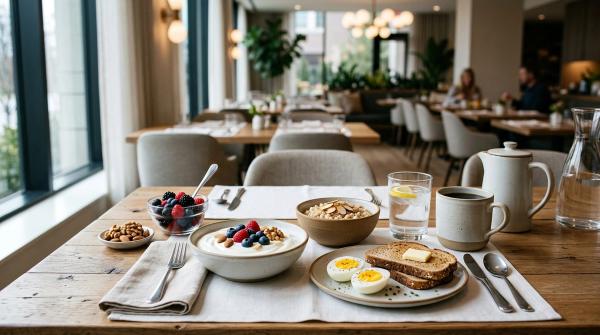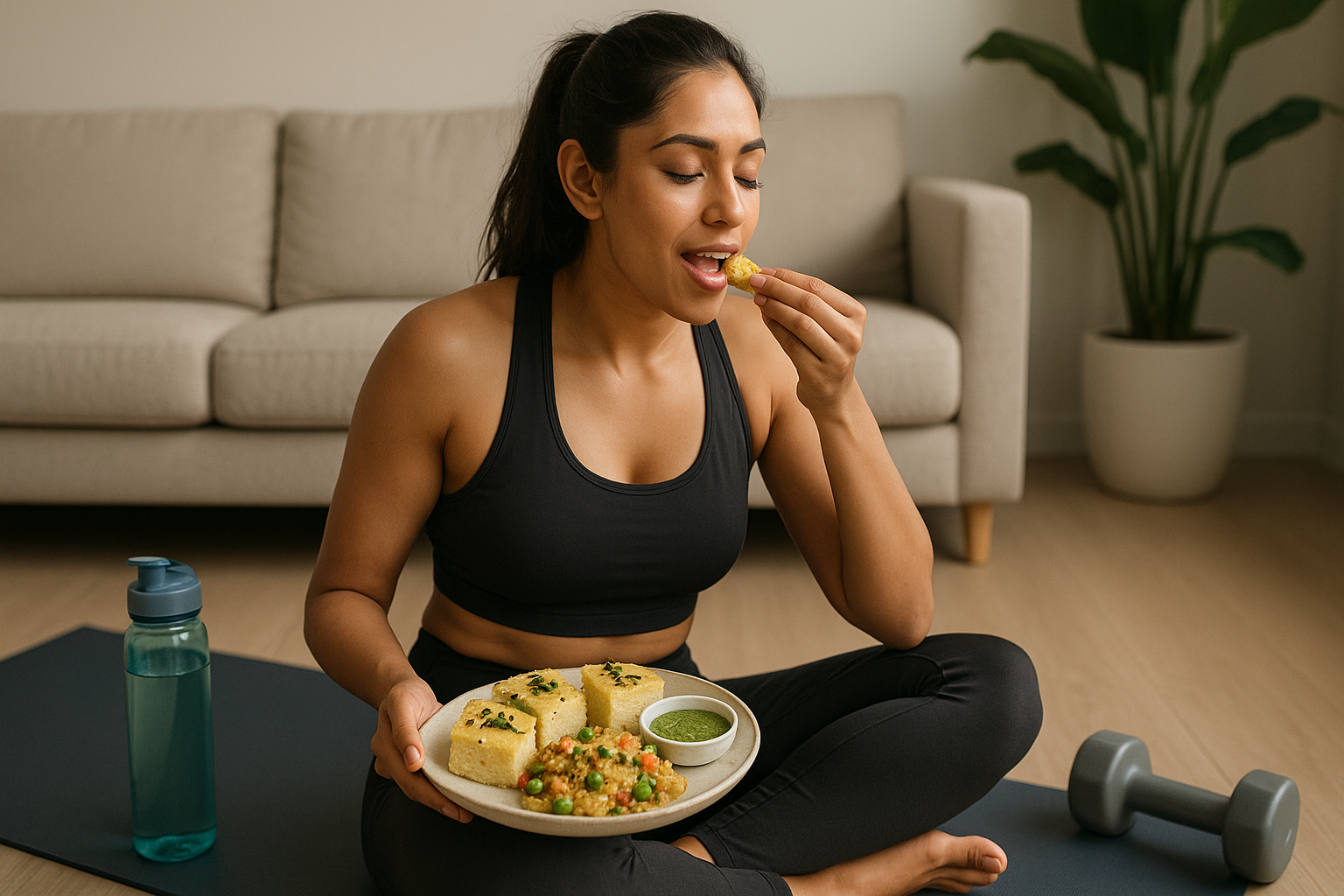
I love handvo. Properly love it. But for a while I got stuck in this weird health rut where every “healthy Gujarati breakfast” conversation just circled back to handvo, maybe oats chilla, and then done. Meanwhile my own mornings were messy. I was waking up hungry, eating something that looked healthy on paper, and then by 11 am I’d be shaky, cranky, wanting chai and biscuits like my life depended on it. So I started paying closer attention to glycemic index, blood sugar response, protein, fiber, all that stuff... not in a obsessive way, I hope, just enough to stop feeling rubbish by mid-morning.
Quick thing before we get into it, because wellness online gets a bit dramatic sometimes. Low-GI doesn’t mean magic. It just means a food tends to raise blood glucose more slowly than high-GI foods. Actual blood sugar response depends on the whole meal, portion size, ripeness, grinding, cooking method, what you eat with it, your sleep, stress, whether you went for a walk, and honestly your own body being moody. Recent diabetes nutrition guidance still leans more on overall carb quality, fiber, protein, and meal pattern than chasing GI numbers alone. That made me feel better, actually. Less perfection, more practical swaps.
Why I even started looking beyond handvo
#Diabetes runs in my family. Prediabetes too. My uncle ignored it for years because he said, “I don’t even eat sweets,” which, um, is not really how it works. Around late 2025 I had one of those check-up moments where my fasting sugar was still in normal range, but I could see my habits were getting sloppy. Too much refined stuff, too many rushed breakfasts, not enough protein. Around the same time there was soooo much 2026 wellness chatter about glucose tracking, fiber-first meals, “protein loading” breakfast, and post-meal walking. Some of it is useful, some of it is just Instagram making everybody anxious. But one trend I do think helped was people finally talking about traditional regional foods in a smarter way instead of acting like only avocado toast can be balanced.
And just to keep this responsible, if you have diabetes, PCOS, fatty liver disease, insulin resistance, are pregnant, or take glucose-lowering meds, your response to foods can differ a lot. A registered dietitian or doctor matters way more than some random blogger’s feelings. Me, I’m sharing what helped me build better breakfasts without ditching Gujarati food. Also, low-GI meals usually work best when they include 3 things together: slower carbs, protein, and fiber. That combo is the real hero.
The best breakfast for steady energy is usually not the one with the lowest GI on paper. It’s the one you’ll actually make, enjoy, and pair properly with protein and fiber.
1) Methi thepla, but smaller and smarter
#Yeah yeah, thepla isn’t exactly obscure, but hear me out. The version that works better for me is made with a mix of whole wheat plus besan, lots of fresh methi, dahi in the dough sometimes, and extra flax or til if I have it. I make them a bit smaller and I don’t eat four absentmindedly while standing near the stove. That part matters maybe more than we admit. Methi may help with post-meal glucose in some people, and the fiber helps too. Pairing thepla with plain Greek yogurt or thick homemade dahi and a side of cucumber makes a huge difference compared with just pickle and chai.
What I’ve noticed is if thepla is too thin, too oily, and made mostly from refined flour, it stops being the steady breakfast I want. But a rustic, denser one with seeds and methi? Pretty solid. Also very travel-friendly, which is half the battle in real life.
2) Moong dal chilla with dudhi or spinach mixed in
#This one maybe saved my mornings a little bit. Soaked yellow moong or whole green moong, blended with ginger, chilli, jeera, then bulked up with grated dudhi, spinach, or even cabbage if I’m in a use-whatever-is-there mood. Because it’s dal-based, it tends to be higher in protein than a plain flour breakfast, and that usually means I don’t go hunting for snacks two hours later. There’s been a lot of recent discussion in 2026 around protein-forward breakfasts for satiety and better glucose control, and honestly this is one desi version that deserves more hype.
- Best add-ons for me: paneer stuffing, mint chutney, and a bowl of curd
- If you want it even steadier, don’t over-blend it into a super smooth batter
- Whole moong versions often keep me fuller than split moong ones
3) Bajra-methi rotla with dahi or peanut curd
#Bajra gets talked about a lot in Indian wellness circles now, and not just because millets became trendy. It genuinely can be useful. Pearl millet is rich in fiber and minerals, and for many people it gives a slower rise than refined breakfast options. The catch, and there’s always a catch, is portion and pairing. A giant rotla eaten alone can still feel heavy and carb-y. But one medium bajra-methi rotla with dahi, or with a peanut-curd side if you’re dairy-free, works really nicely. I also add a bit of besan to improve texture because pure bajra can be, well, temperamental. Falls apart, hurts my ego, all that.
Millets are still having a big health moment in 2026 because of the fiber angle and because people are looking for climate-smart grains too. But if you have IBS or are not used to them, introduce slowly. Learned that one the hard way. Too much millet too fast and my stomach was like, excuse me???
4) Sprouted moong usal, Gujarati style, with chopped veg on top
#This is one of those breakfasts that doesn’t get enough attention because it’s not “fun” enough for social media. But sprouted moong with onions, tomatoes, coriander, lemon, maybe a little coconut if you want, is honestly excellent. Sprouting can improve digestibility and may change nutrient availability, though it doesn’t turn food into a miracle medicine. Still, legumes in general are very strongly linked with better metabolic health patterns, and they’re naturally low GI-ish compared with many refined breakfasts. I top it with cucumber and sometimes roasted peanuts for crunch. It feels like breakfast with a brain.
On mornings after poor sleep, this one works better for me than poha. Sleep and glucose are weirdly connected, by the way. Newer metabolic health conversations keep stressing that bad sleep can worsen post-meal glucose response the next day, and from my very unscientific life experience... yes. Very yes.
5) Khatta dhokla made from chana dal or mixed dals, not just instant rawa
#Dhokla can go either way. The fluffy instant rawa one is tasty, no argument, but it may not be the most blood-sugar-friendly choice if eaten in a big quantity by itself. I do much better with fermented batter made from chana dal or a dal-rice mix where the dal portion is higher. Fermentation is interesting too. It can improve flavor, texture, and digestibility, and there’s growing interest in traditional fermented foods for gut health in 2026 wellness spaces. Some claims are overblown, sure, but a homemade fermented breakfast generally beats an ultra-processed packaged one in my book.
My trick is adding sesame in the tempering and serving it with a protein side, not sugary chai first thing. If I’m extra hungry, I’ll have dhokla with a small bowl of unsweetened curd. Not sexy, but it works.
6) Dudhi muthia, steamed not fried
#I used to think of muthia as a snack-snack thing, not breakfast, but steamed dudhi muthia is actually brilliant. Dudhi adds moisture and bulk, besan adds some protein, whole wheat or millet flour gives more body, and steaming keeps it lighter. Then just a quick tadka in minimal oil. These hold up really well for meal prep too, which matters because all my healthiest intentions collapse when I’m late. The glycemic load stays more manageable when you keep the flour mix balanced and don’t pair it with sweet tea and more carbs on the side.
Also can I say something slightly controversial? Not every healthy breakfast needs to be hot-hot from the pan. Room-temp muthia with curd is totally fine. We’ve become a bit too precious with wellness routines, like if it’s not assembled in a ceramic bowl with microgreens it doesn’t count.
7) Besan pudla with veggies and sesame
#Simple, fast, underrated. Besan tends to be lower GI than many refined grain breakfasts, and chickpea flour is useful because it brings protein and fiber. I make pudla with chopped onion, coriander, grated carrot, spinach, ajwain, and sesame. If I’m trying to make it more balanced, I fold in crumbled paneer or serve it with hung curd. This is one of those breakfasts that helps me avoid the cereal trap. Packaged breakfast cereals still get marketed as “healthy” in 2026 and some are better than they used to be, more fiber, less sugar, etc, but many still leave me hungry super fast.
- If besan bloats you, try mixing it with moong batter instead of using only besan
- A little extra veg actually matters for fullness, not just aesthetics
- Don’t drown it in ketchup and then call it low-GI... I’ve done that, not proud
8) Mixed dal adai-ish cheela with Gujarati flavors
#Okay this is borrowing a bit across regional lines, but food doesn’t need borders in the kitchen. I soak a mix of chana dal, urad, moong, and sometimes masoor, then blend it coarsely with ginger, green chilli, jeera, and plenty of coriander. The result is hearty, chewy, very satisfying. Because it’s legume-heavy, the carb impact tends to feel steadier for me than grain-only breakfasts. There’s also more conversation now about resistant starch and food structure, basically how intact or minimally processed foods can behave differently in the body compared with finely milled stuff. Again, not magic, but useful.
If you wear a continuous glucose monitor for medical reasons, you might notice texture matters more than expected. A smoother batter, bigger portion, and no protein side can hit differently than a coarser one with curd and salad. I don’t think everybody needs a CGM, by the way. 2026 has made them kind of a wellness accessory and I’m not totally convinced that’s helpful for everyone. For some people it just fuels food anxiety.
9) Leftover undhiyu bowl with a small jowar bhakhri
#Hear me out before you laugh. Not all breakfasts need to be “breakfast foods.” Leftover undhiyu, especially when it has lots of beans, purple yam, surti papdi, brinjal, methi muthia and not too much oil, can be surprisingly balanced. Pair a modest bowl with a small jowar bhakhri and it’s way steadier than toast-jam nonsense. I started doing this in winter and now I’m annoyingly evangelical about it. Jowar generally offers more fiber than refined flour and many people find sorghum-based meals more sustaining.
This also speaks to a bigger 2026 wellness shift I actually like: less obsession with novelty, more respect for traditional mixed meals, leftovers, seasonal eating, and reducing ultra-processed dependence. Boring? Maybe. Effective? Kinda yes.
10) Cauliflower-poha style kobi upma with peanuts and sprouts
#This is the least traditional one here, so if your nani is judging, fair enough. But when I want the comfort of poha without the same blood sugar bump, I make a Gujarati-ish kobi upma using grated cauliflower, mustard seeds, curry leaves, turmeric, peanuts, green peas if I have them, and a handful of sprouts or tofu on top. Is it exactly poha? No. Does it scratch the itch? Surprisingly yes. And for people watching glucose, replacing part of a refined or higher-glycemic base with non-starchy veg can help a lot, especially when protein and fat are sensible, not excessive.
I still eat actual poha sometimes, before someone accuses me of becoming one of those joyless health people. I just do a smaller portion and add peanuts, sprouts, and maybe a side of curd. Balance, not punishment.
A few things I wish more people said about low-GI Indian breakfasts
#First, GI tables are useful but incomplete. The same food can act differently depending on grinding, fermentation, ripeness, cooking time, and what else is on the plate. Second, protein matters a lot at breakfast. Recent nutrition discussions keep circling back to this because a higher-protein morning meal can support fullness and may help with overall glucose management and cravings later in the day. Third, fiber is having a very deserved moment right now. Not the glamorous kind of wellness trend, but probably one of the most legit. Most of us still don’t get enough. And fourth, a 10-minute walk after breakfast is weirdly powerful. Not dramatic, just effective.
- Build your breakfast around a dal, bean, millet, or veg-heavy base
- Add a clear protein side like curd, paneer, tofu, or extra legumes
- Watch portions of even “healthy” carbs because low-GI doesn’t mean unlimited
- If you can, move a little after eating instead of going straight to a chair
What I eat these with, because sides matter more than people think
#The sidekicks are where a lot of breakfasts get better or worse. Sweet chai on an empty stomach with a carb-heavy meal? Not ideal for me. Plain dahi, unsweetened chaas, tofu, paneer, peanuts, sesame chutney, cucumber, tomato, or even a few leftover sautéed vegetables, those usually help. One thing I’ve changed this year is front-loading hydration and not mistaking dehydration for hunger. Very basic advice, I know, but I was doing it wrong for ages. Also, if you’re trying to support cholesterol as well as blood sugar, keep an eye on excess ghee and fried add-ons. Traditional doesn’t automatically mean unlimited.
The part where I admit I still mess this up sometimes
#I’m not writing this from some perfect kitchen with labelled jars and pre-soaked lentils every night. Sometimes I absolutely eat toast because I overslept. Sometimes me and my best intentions both fail, and I end up having khakhra in the car. It happens. But having 4 or 5 low-GI-ish Gujarati breakfast ideas in regular rotation has genuinely made me feel steadier, less snacky, less irritable. My energy is better. My random 11:30 cravings are better. Even my skin seems calmer, though who knows, could be placebo, could be stress, could be the universe taking pity on me.
Anyway, if you’re trying to eat for more stable energy, prediabetes prevention, PCOS support, or just fewer crashes during the day, I’d start here: moong chilla, sprouted moong usal, steamed muthia, smarter thepla, and dal-based dhokla. Keep it simple. Don’t let the internet convince you that your heritage foods are the problem. Usually it’s the refining, the portion creep, the missing protein, and the all-or-nothing mindset that gets us.
And yeah, handvo is still invited to breakfast, obviously. We’re just giving it some company. If you like this kind of practical desi wellness rambling, have a look at AllBlogs.in too, I’ve found some nice reads there on food and health without all the fake perfection.