I’ve been noticing something weird the last year or so. Wellness in India used to be mostly the usual stuff in conversation — protein, gut health, yoga, PCOS, weight loss, maybe intermittent fasting if someone was being extra intense about life. But now? People at cafes, in my family WhatsApp groups, in those fancy longevity podcasts, even random folks at a gym in Bengaluru are talking about brain fog, focus, memory, stress hormones, sleep scores, and this buzzy thing called peptide therapy. And honestly... I get it. I really do. Because if 2025 felt tiring, 2026 feels like everyone is trying to protect their brain before it burns out.
Quick thing though: I’m not your doctor, obviously. I’m just someone who’s very into health, has spent way too much time reading studies and listening to specialists, and who has also had those very human weeks where I forgot why I walked into a room and wondered if my brain had just packed up and left. So this post is part research, part personal ramble, part caution sign. Especially with peptides, because there’s real medical interest there, but also a lottt of hype.
The big 2026 shift in India, from looking fit to feeling mentally sharp
#If I had to sum up the 2026 wellness mood in India in one line, it’d be this: people don’t just want abs anymore, they want a functioning nervous system. That sounds dramatic, maybe, but look around. Urban stress is high, workdays are longer than they should be, sleep is messed up by screens, and people are beginning to connect mood, memory, attention, and energy with overall health. Not as some soft emotional thing, but as a legit health marker.
A lot of this is being driven by real public health concern too. India’s burden of neurological and mental health issues is not small. Dementia is rising as the population ages, depression and anxiety remain major problems, and lifestyle-related risk factors like diabetes, hypertension, obesity, poor sleep and air pollution all affect brain health too. That part often gets ignored because it’s less glamorous than ‘biohacking’, but it matters way more, if you ask me.
- Brain fog and burnout have become normalised, which is not great
- People are doing more preventive checkups, including vitamin B12, vitamin D, thyroid, glucose and sleep assessments
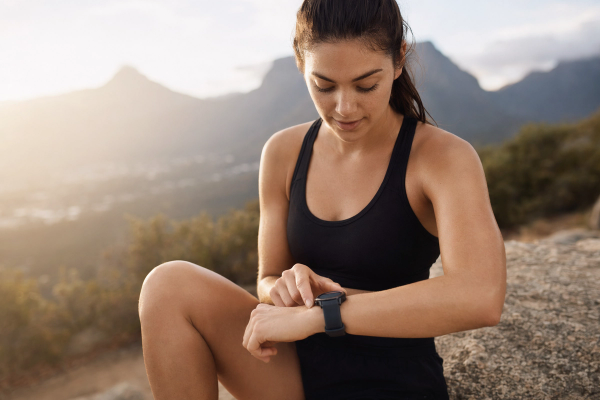
- Wearables are pushing the conversation — HRV, sleep quality, resting heart rate, stress tracking, all that
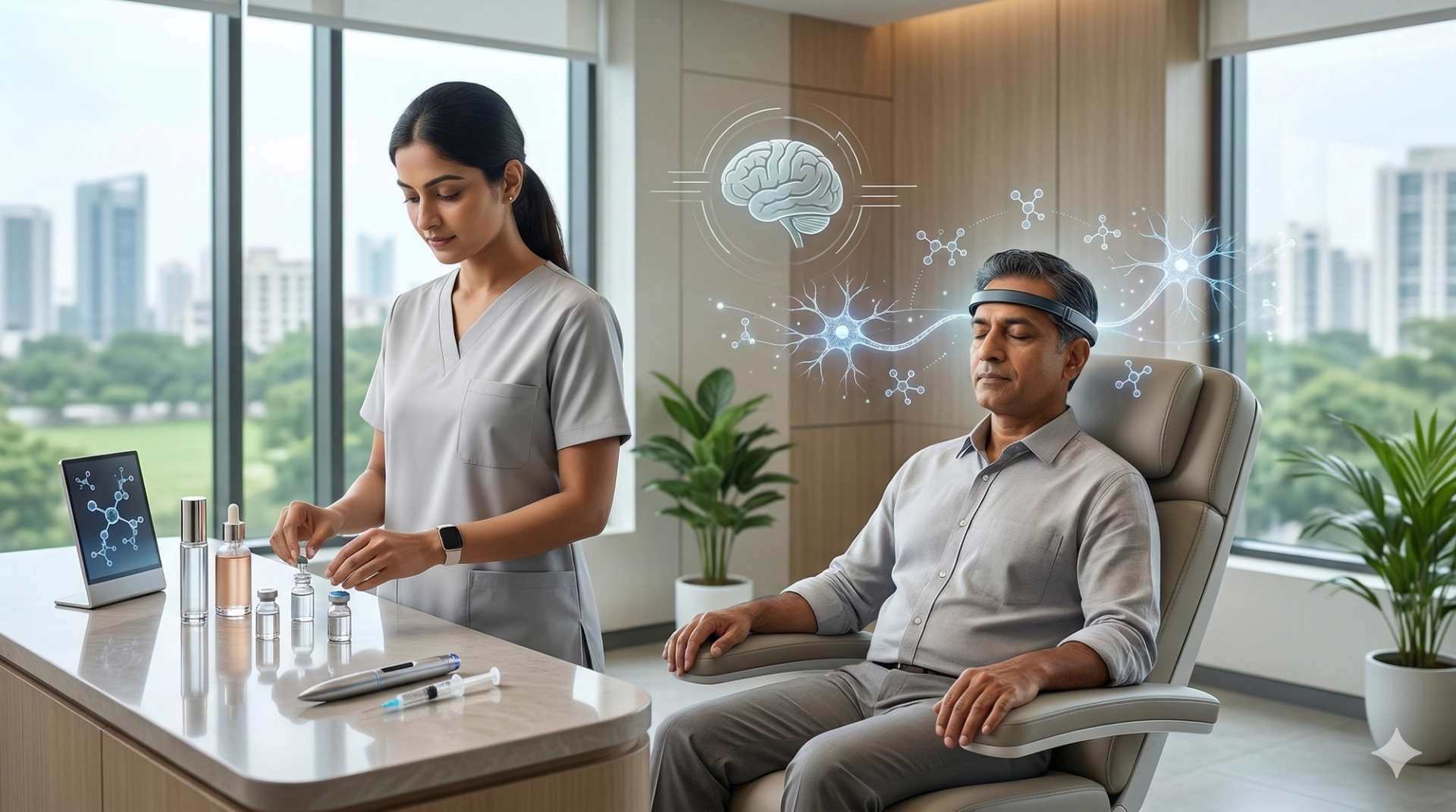
- Clinics in major Indian cities are increasingly offering longevity-style plans, cognitive wellness consults, and yes, peptide discussions
So... what even is peptide therapy?
#Okay, simplest version. Peptides are short chains of amino acids, basically smaller than proteins, and many of them act like signaling molecules in the body. Some occur naturally. Some peptide medicines are already well established in mainstream medicine. For example, GLP-1 receptor agonists used for diabetes and obesity are peptide-based drugs, and they’ve changed the whole metabolic health conversation globally, including in India. Insulin too, of course, is a peptide hormone. So when people say peptides are some futuristic woo-woo thing, that’s not exactly true.
But — and this is the important but — the term peptide therapy in wellness circles often gets used very loosely. It can refer to medically approved peptide drugs being prescribed for clear indications, or to less-proven anti-aging and performance products marketed with giant promises and very little solid evidence. Those are not the same thing at all. This is where things get messy, and honestly a bit scammy on occassion.
My personal rule now is pretty boring: if a peptide is being sold like magic for fat loss, glowing skin, better sleep, muscle gain, libido, recovery, focus and immortality all at once... I immediately trust it less, not more.
Why peptides are trending in India in 2026
#A few reasons. One, people are more aware of preventive health than before. Two, obesity and diabetes care is changing fast because newer metabolic drugs have shown pretty significant benefits when prescribed appropriately. Three, private wellness clinics are borrowing the language of longevity medicine from the US, Europe, Singapore, the Gulf, all over really. Four, Indians are tired. Like bone-level tired. So anything that sounds like ‘repair your cells and brain’ gets attention fast.
I also think social media has made the trend feel way bigger. You’ll see creators talking about peptides for recovery, growth hormone stimulation, skin repair, anti-aging, even cognition. Some doctors are trying to educate responsibly. Others, um, not so much. If you’re in Mumbai, Delhi, Hyderabad, Bengaluru, Gurgaon, you’ve probably already seen premium clinics pushing hormone optimization and regenerative medicine packages. Some may be evidence-aware. Some are just packaging hope in expensive bottles.
What the actual science says right now, especially for brain health
#This is where I wanna be careful and not pretend the data is stronger than it is. Brain health is a huge field. There’s serious research happening in neuroinflammation, the gut-brain axis, sleep, exercise, blood sugar control, hearing loss prevention, social isolation, women’s midlife brain health, and Alzheimer’s biomarkers. In 2026, the strongest consensus is still kind of unsexy: what protects your heart generally helps protect your brain. That means blood pressure control, diabetes management, regular exercise, good sleep, not smoking, limiting alcohol, treating depression, staying socially engaged, and addressing hearing and vision issues. Not exactly sexy wellness influencer content, but there it is.
As for peptide-based treatments directly for brain health, the story is mixed. There’s ongoing interest in peptides that may affect neuroprotection, inflammation, recovery, appetite regulation, insulin signaling, or sleep-related pathways. Researchers are studying peptide mechanisms in neurodegenerative disease, traumatic brain injury, and metabolic-cognitive overlap. But for the average healthy person wanting sharper focus? Evidence is often early, condition-specific, or just not robust enough yet. That doesn’t mean ‘never’. It means don’t confuse possibility with proof.
The part nobody likes hearing: your brain probably needs basics before it needs a peptide
#I learned this the annoying way. Last year I had a stretch where I was sleeping late, working too much, drinking coffee like it was a personality trait, skipping proper meals, and then complaining I couldn’t focus. I actually considered all kinds of fancy supplements because brain fog makes you desperate. Then I got basic labs done and surprise, my B12 was lower than ideal, vitamin D wasn’t amazing either, and my sleep schedule was a joke. Once I fixed some of that, I felt way better. Not perfect. But better enough to realize I was trying to buy a shortcut for something my body was already yelling about.
- Sleep first. Adults generally need around 7 to 9 hours, and consistent timing matters more than I used to admit
- Strength training and aerobic exercise both help cognition, mood, insulin sensitivity and long-term brain health
- Get blood sugar, blood pressure, lipids and weight risk looked at, because vascular health is brain health too
- Check for boring deficiencies and medical causes — B12, iron, thyroid, vitamin D, medication side effects, sleep apnea
- If stress, anxiety, depression or ADHD-type symptoms are part of the story, deal with those directly. Don’t just call it ‘brain fog’ and move on
The 2026 brain health trends I think are actually worth paying attention to
#Peptides get the headlines, sure. But a bunch of quieter trends are probably more meaningful for most Indians right now.
- Cognitive wellness checkups are becoming more common, especially for people in their 30s, 40s and 50s who have family history of dementia, diabetes or stroke
- Women’s brain health is finally getting more attention, including perimenopause, menopause, sleep changes, mood, and how hormonal shifts affect memory and concentration
- Metabolic psychiatry is becoming a bigger conversation — how insulin resistance, inflammation and nutrition interact with mood and cognition
- More clinics are combining sleep medicine, psychology, nutrition and neurology instead of treating everything in silos
- People are taking hearing health more seriously, which matters because untreated hearing loss is a known risk factor for cognitive decline later in life
I’m especially glad about the women’s health angle, because for years so many women were told they were just stressed or emotional or overreacting. Meanwhile they were dealing with poor sleep, iron deficiency, thyroid problems, migraines, postpartum depletion, PMDD, perimenopause, all kinds of stuff that absolutely affects the brain. It wasn’t in their head exactly — well, it was, but you know what I mean.
If you’re curious about peptide therapy, here’s the responsible way to think about it
#First, ask what problem is actually being treated. Is it obesity? Poor glycemic control? A diagnosed hormone issue? Delayed healing? A medically recognised condition? Or is it vague ‘optimization’? Because the more vague the promise, the more careful I’d be. Approved peptide medications used under proper supervision are one thing. Custom stacks from a wellness menu with dramatic claims are another thing completly.
Second, ask about regulation, quality and safety. In India, medicine quality and sourcing really matters. You want to know whether the product is legally approved for your indication, where it comes from, what evidence supports it, what side effects are expected, what monitoring is needed, and what happens if something goes wrong. If a clinic gets cagey about those questions, I’d walk away. Fast.
- Potential side effects vary by peptide and may include nausea, vomiting, GI upset, headaches, injection-site reactions, fluid issues, blood sugar effects, or interactions with other conditions
- Some peptides discussed online are not well studied for long-term use in healthy people
- Pregnant or breastfeeding women, people with cancer history, endocrine disorders, severe psychiatric symptoms, or multiple medications need extra caution and proper physician oversight
- Never buy injectable products from random online sellers or Telegram groups. Yes, that apparently needs saying
What Indian wellness is getting right in 2026... and what it’s still getting wrong
#The good news? There’s more openness now. People are talking about memory, focus, stress and emotional exhaustion without as much shame. Preventive neurology and mental wellness are becoming dinner-table topics, not just hospital topics. That’s huge. Also, more urban Indians are understanding that health is connected. Your glucose affects your sleep, your sleep affects your appetite, your stress affects your gut, your blood pressure affects your brain, and round and round we go.
The not-so-good news is that wellness still loves privilege. A lot of the trendy stuff is expensive, city-centric, English-speaking, app-driven, and marketed to people who already have access. Meanwhile, some of the most powerful brain-health interventions are still basics that need public health support — cleaner air, safer streets for walking, affordable mental healthcare, early diabetes detection, healthier school and work cultures, less loneliness among elders. That’s wellness too, even if it doesn’t look cute on Instagram.
My honest opinion on peptides for brain health
#I’m interested, but not sold. That’s probably the fairest way to put it. I think peptide science is legit as a field. Some peptide medicines are already important, and more may turn out to be useful in brain-related conditions, metabolic disease, recovery, and healthy aging. I also think a lot of people in wellness media are jumping ten steps ahead of the evidence because novelty sells. So I’m trying to stay in that annoying middle ground where I’m open-minded without being gullible. Which, let’s be real, is harder than it sounds when you’re tired and someone promises better energy in two weeks.
If I had unexplained cognitive symptoms, mood changes, memory issues, constant fatigue, or severe sleep problems, I would not start with a peptide shopping list. I’d start with a proper doctor. Maybe more than one, if the first one dismissed me. Neurologist if needed, psychiatrist if needed, endocrinologist if needed, sleep specialist if needed. Because serious symptoms deserve actual diagnosis, not wellness theatre.
What I’d personally focus on in 2026 if brain health is the goal
#This is basically the stuff I keep coming back to, even though I’m exactly the kind of person who gets distracted by shiny wellness trends.
- Morning light exposure and less doom-scrolling at night. Sounds silly, helps a lot
- Protein, fibre, omega-3-rich foods where possible, and not treating lunch like an optional event
- Resistance training 2 to 4 times a week, plus walking, because my brain is nicer to me when my body moves
- Actually managing stress instead of just saying I’m ‘coping’ while clenching my jaw 24/7
- Keeping an eye on metabolic markers, especially if there’s family history of diabetes, stroke or dementia
- Staying socially connected, which sounds soft but is incredibly important for mental and cognitive health
And yeah, if there’s a legitimate medical reason and a qualified doctor recommends a peptide-based treatment, I’d consider it. I’m not anti-peptide. I’m anti pretending all cutting-edge things are automatically good for everybody.
A final word, especially if you’re feeling foggy, anxious or just not like yourself
#Please don’t gaslight yourself. If your brain feels off, that matters. Sometimes it’s stress and sleep. Sometimes it’s iron, B12, thyroid, hormones, blood sugar, medication effects, long COVID-type aftereffects, depression, anxiety, migraine, burnout, sleep apnea, or something else entirely. And sometimes several things pile up at once, which is honestly so rude of the human body. You deserve proper care, not just productivity hacks.
So yeah, 2026 in India is definitely the year brain health went mainstream, and peptide therapy is part of that conversation. Maybe a meaningful part, maybe an overhyped one in some corners, probably both. My take is simple-ish: be curious, but be grounded. Respect emerging science, but respect basic medicine too. Ask annoying questions. Read beyond the headline. And if some wellness expert online makes it sound easy... it probably isn’t.
Anyway, that’s where I’m at with it all right now. Still learning, still skeptical, still hopeful. If you like these kind of slightly nerdy but very human wellness rambles, there’s more over at AllBlogs.in.