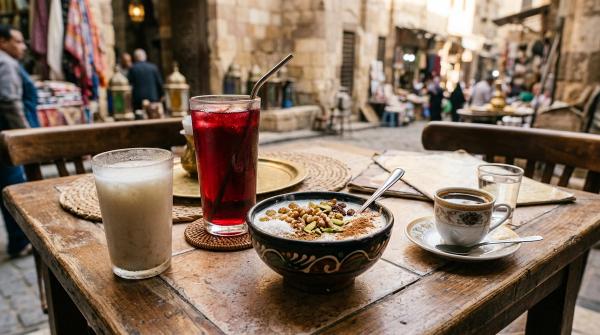
I’m gonna be honest, I didn’t start doing temple-town weekends for the architecture. I mean... yes, the gopurams are stunning, the old stone corridors are beautiful, spiritual, all that. But the thing that kept pulling me back was the food right outside the temple streets. The first hot pongal at 6:30 in the morning, the brass tumbler filter coffee, the weirdly perfect puliyodarai from a prasadam counter, the auntie frying bondas like she’s in a speed competition with God himself. South India does this thing where devotion and breakfast sit side by side, and for someone like me who is equally religious about dosa, it’s kind of ideal.
Also, temple-town food trails are having a bit of a moment right now in 2026. More people are doing short, food-first weekend drives instead of big overplanned vacations. EV road trips are easier on the Chennai, Bengaluru, Kochi and Coimbatore belts now, UPI is everywhere so even tiny messes and prasadam counters often take digital payments, and there’s this growing trend of travelers booking heritage stays but eating almost entirely local. Not fancy tasting menus, not hotel buffets. Actual town food. Seasonal, early-morning, often vegetarian, often absurdly cheap. Frankly, good. Really good.
Why temple towns make such ridiculously good food routes
#There’s a reason these places work so well for a 2-day food trip. Temple towns wake up early, feed people fast, and have dishes built around rhythm. Pilgrims need breakfast before darshan. Families need reliable lunch. Prasadam has to be cooked in volume but still taste like somebody cared. So you get these food ecosystems that are super practical and yet deeply rooted in memory. The result is, um, not glamorous in the Instagram sense all the time, but much better in the actual eating sense.
- Breakfast starts early enough that even I, a committed oversleeper, somehow become a morning person
- A lot of the iconic dishes are tied to place — Kanchipuram idli, temple puliyodarai, Akkaravadisal in Srirangam side, kozhukattai around festival times
- You can cover a lot over one weekend because these towns are often linked by solid road and rail routes
- Vegetarian food dominates, but the variety is so big you really don’t miss anything... mostly
And yes, before somebody says it, some temple-town food scenes are getting more polished now. There are boutique cafes near heritage circuits, cleaner signage, millet-forward menus, cold brew filter coffee riffs, all this 2026 stuff. I have mixed feelings about that. Some of it is nice, some of it is deeply unnecessary. Nobody asked for deconstructed sakkarai pongal, please be serious.
Weekend Route 1: Chennai to Kanchipuram to Tiruvannamalai — the classic, and still my favorite
#If you live in Chennai or are flying in, this is the easiest route to start with. Leave stupidly early, like 5:30 a.m. if you can. The road is smoother than it used to be in many stretches, and if you start before traffic gets annoying, breakfast in Kanchipuram feels earned. Kanchipuram is famous for silk, yes, but food people know it for Kanchipuram idli — that soft, seasoned, slightly firmer temple-style idli with pepper, cumin, ginger and ghee notes. It’s not just regular idli wearing better PR. It’s actually different.
I had one of my most memorable breakfasts here after a rainy drive where me and my friend were half awake and mildly grumpy. Then the idli arrived in leaf wrapping, with chutney and sambar, and everybody’s personality improved instantly. That’s food therapy, basically. Around the temple streets you’ll find small vegetarian places serving pongal-vada combos, dosai, poori masal and coffee that slaps in the best possible way. Ask for what’s freshest instead of ordering like you’re checking boxes.
From Kanchipuram, drive onward to Tiruvannamalai. The town around Arunachaleswarar Temple has one of those food scenes that looks simple until you start paying attention. There’s tiffin in the mornings, proper meals in the afternoon, and in the evenings the streets get lively with bajji, adai-avial in some spots, jigarthanda-style drinks in newer cafes, and sweet shops doing jangiri and badusha at dangerous levels of temptation. Girivalam days and full moon periods get crowded, so if you want a less chaotic food experience, avoid peak pilgrimage dates unless crowds are your thing. They are not my thing. At all.
My rule for Kanchipuram-Tiruvannamalai is very scientific: breakfast heavy, lunch medium, coffee constant, temple prasadam whenever the universe allows.
What to actually eat on this route
#- Kanchipuram idli with podi and ghee — obvious, yes, but don’t skip it just because it sounds touristy
- Ven pongal and medu vada near temple streets, ideally before 8:30 a.m.
- Puliyodarai or sakkarai pongal if available as temple prasadam
- In Tiruvannamalai, simple South Indian meals on banana leaf, then evening tiffin instead of one huge dinner
2026 note here: more travelers are choosing one-night heritage stays or ashram-adjacent guesthouses in Tiruvannamalai and then building food walks around sunrise and post-darshan windows. Smart move. Also, several places now clearly mark no-onion/no-garlic options, millet dosas, and filter coffee roasted in-house because food-conscious urban travelers keep asking for it. It’s useful, though sometimes I miss the old chaos where you just ate what was put in front of you and thanked your luck.
Weekend Route 2: Bengaluru to Mysuru to Nanjangud to Srirangapatna — less obvious temple trail, fantastic eating
#This route surprised me. I expected Mysuru to be polished and pleasant and maybe a bit too curated. But if you use it as a base and dip into temple towns nearby, the food gets really interesting. Start in Bengaluru, reach Mysuru for breakfast or second breakfast depending on your moral standards, then make your way toward Nanjangud. The Srikanteshwara Temple town vibe is slower, older, and not trying to impress anybody. Which often means the food is better.
In and around Mysuru, yes, people will send you for Mysore masala dosa and filter coffee and they aren’t wrong. But I’d add khara bath-chow chow bath breakfasts, soft idlis, maddur vada if you’re coming by road through the older routes, and old-school sweet shops for Mysore pak that still tastes like ghee instead of chemistry. Nanjangud itself is one of those places where lunch matters more than novelty. Meals with saaru, palya, kosambari, curd, pickle. Humble plate, happy stomach.
Then there’s Srirangapatna. Historical, layered, and somehow ideal for a late afternoon snack stop if you pace yourself. You can combine temple visits with riverside views and then settle into local eateries or highway legends nearby. In 2026, this entire Bengaluru–Mysuru corridor is seeing more micro-itinerary travel, where people aren’t doing 'top 10 attractions' anymore, they’re doing coffee roasteries, sweet shops, temple breakfast and one long lunch. Honestly? finally. We’ve healed a little as a society.
Weekend Route 3: Trichy to Srirangam to Kumbakonam — for people who think coffee is a pilgrimage
#If I had to recommend just one route to a serious eater, this might be it. Trichy and Srirangam are easy to navigate, and once you move toward the Kumbakonam belt, the food becomes this beautiful blur of degree coffee, temple-style rice dishes, kari dosai debates spilling over from nearby regions, and old messes that look unchanged in decades. Srirangam itself is one of those places where prasadam isn’t an afterthought. It’s part of the emotional map of the town.
I remember standing near the temple area after darshan, sweaty, overstimulated, a little tired, and then getting puliyodarai and a bit of sakkarai pongal. It sounds small. It was not small. It was one of those travel moments where everything suddenly made sense. Food tasted of pepper, tamarind, ghee, jaggery, ritual, queue management, and patience. You can’t really replicate that in a city food court, no matter how hard they try.
Now Kumbakonam. Ah man. If you like coffee, this town has no business being so good. Kumbakonam degree coffee still has that pull, and though every tourist article on earth mentions it, there’s a reason. It’s strong, comforting, usually poured theatrically from tumbler to dabarah, and best consumed with zero hurry. Pair it with a crisp dosa, kuzhi paniyaram if you spot a good batch, or a full tiffin spread. The town and the nearby temple circuit also reward people who snack often instead of committing to giant meals. That’s me, always. Small things, repeatedly.
- Best move here is to stay central and do a morning temple-food loop rather than constantly driving back and forth
- Try local coffee houses, old vegetarian messes, and sweet shops instead of relying only on hotel dining
- If a place is packed with local families at 7 a.m., that’s not a red flag. That’s your signal
Current travel trend worth noting: Kumbakonam and Chettinad-style side circuits are seeing more culinary workshops now, including brass filter coffee sessions, temple-cuisine talks, and home-dining popups hosted by local families or heritage properties. These aren’t everywhere, and quality varies, but when done well they’re fantastic. Just don’t expect slick urban event-management energy. Things start late, people disappear, somebody’s cousin brings extra adhirasam, it all works out somehow.
Weekend Route 4: Madurai to Palani — a little messy, very soulful, worth the calories
#Madurai is technically not just a quiet temple town route stop, it’s a full-blown food city with a temple heart. So this route bends the rules a bit, but who cares. Start in Madurai around Meenakshi Amman Temple and eat like you mean it. Morning idli and chutney, fluffy pongal, maybe kari dosa if you’re not doing a strict vegetarian temple-focused weekend, then jigarthanda later when the heat starts being rude. Around the temple areas, there are still old eateries doing dependable tiffin and meals, even as newer cafes push craft coffee and aesthetic interiors for weekenders.
Drive on to Palani and the mood changes. Palani has the hill temple pull, the famous panchamirtham, and this pilgrim-town energy where sweetness, fatigue, devotion and hunger all kind of collide. The panchamirtham is genuinely iconic — banana-forward, dark, sticky, rich, made in a way that people get oddly emotional about, me included. Have it there. Not from some random imitation tub elsewhere. There’s a difference, trust me.
Food around Palani is more straightforward, less showy. Meals, tiffin, tea stalls, snacks for the climb or after. This is where I’d say don’t chase lists too hard. Follow freshness. Follow crowds that look local, not just bus-tour groups. And carry cash as backup even though digital payments are much more common now than before. 2026 or not, one QR code will fail exactly when you are holding two plates and a coffee.
A few practical things I learnt the slightly dumb way
#Temple-town food weekends sound romantic and spontaneous, but some planning helps. Not too much, just enough so you don’t end up hungry at 3:45 p.m. when lunch service is over and dinner hasn’t started. Been there. Very dramatic.
- Start early. Like, actually early. The best stuff is often breakfast and first-batch coffee
- Respect temple timings because food businesses around them often follow the same rhythm
- Eat lighter and more often instead of one giant meal that ruins the next stop
- Check local festival calendars — amazing for atmosphere, terrible for parking
- Look for high-turnover places and visibly clean vessels, especially in smaller streets
One more thing: a lot of travelers in 2026 are trying 'hyperlocal first' eating, which basically means choosing dishes truly tied to the town over generic South Indian menus. I’m very pro this. If Kanchipuram gives you Kanchipuram idli, don’t order noodles because you saw them on a signboard. Have some self-respect. Unless you really want noodles, in which case fine, live your life.
So... which route is the best?
#Annoying answer, but it depends what kind of eater you are. If you want easy logistics and iconic temple-breakfast energy, do Chennai–Kanchipuram–Tiruvannamalai. If you want a balanced road trip with Karnataka comfort food and temple-town detours, pick Bengaluru–Mysuru–Nanjangud–Srirangapatna. If coffee and prasadam matter deeply to you, Trichy–Srirangam–Kumbakonam is honestly hard to beat. And if you like your food trail with a little chaos, heat, sweetness and drama, Madurai–Palani is a beauty.
For me? Srirangam to Kumbakonam still wins by a nose. Or by a tumbler of coffee. There’s something about that route that feels complete without trying too hard. Sacred and ordinary at the same time. You can have a profound temple moment, then five minutes later be arguing over whether the second coffee was better than the first. That’s my kind of travel, actually.
Anyway, if you’ve been thinking about doing a South India weekend and can’t decide between a food trip and a temple trip, just combine them. They were never really seperate to begin with. Go hungry, wake up early, don’t overplan, and say yes to the extra vada. For more rambling food-and-travel stories like this, have a scroll through AllBlogs.in.