I used to think a “rest day” on a food trip was basically a failure. Like, you flew all the way to Bologna or Bangkok or Oaxaca and now you’re… lying in bed drinking ginger tea? Come on. But then I hit that wall in Istanbul after one too many breakfasts, a lunch that involved lamb, kaymak, simit, pickles, and something fried that I still don’t know the name of, and then a dinner reservation I had been obsessing over for months. By midnight I was sitting on the hotel bathroom floor, not sick exactly, just defeated by deliciousness. That was the first time I understood that food tour rest day planning is not boring, it’s survival. Actually, it’s how you keep enjoying the trip instead of turning every meal into a punishment.
These days I build rest days into every serious eating itinerary. Not “do nothing” days, because I’m terrible at doing nothing, but softer days. Market wandering instead of six-course tasting menus. Brothy noodles instead of a whole grilled animal. A walk through a neighborhood with good coffee, maybe a park, maybe a nap with the curtains half open. It sounds simple, but if you love food travel the way I do, it takes discipline. You have to tell yourself, no, you do not need a second dinner just because the place next door smells like garlic and smoke and happiness.
The New Food Travel Mood in 2026: Big Meals, Soft Recovery
#Food travel in 2026 feels a bit different from the old “eat everything, sleep later” style. People still plan trips around restaurants, obviously. Michelin routes, street food crawls, natural wine bars, bakery maps, chef-led market tours, all of that is alive and well. But there’s also this bigger wellness thing happening, and not in a preachy way. More travelers are mixing heavy food days with saunas, mineral baths, slow walks, low-alcohol pairings, digestive teas, and hotels that actually care about sleep. I’ve noticed more restaurants offering non-alcoholic pairings too, which is honestly a gift when you’ve already had three lunches and you don’t want wine turning you into a sleepy suitcase.
There’s also the whole “slow travel” and regenerative tourism thing that keeps getting stronger. People want local food, sure, but they also don’t want to barge through a city like hungry raccoons. In places like Copenhagen, Kyoto, Lima, Lisbon, Seoul, Mexico City, and Tbilisi, the best food experiences are not always the biggest meals. Sometimes it’s a morning at a neighborhood market, a fermentation workshop, a family-run bakery, or a bowl of soup eaten quietly while locals are getting on with their day. That kind of eating gives you room to breathe. And digest, which is not romantic, but wow does it matter.
My Worst Food Trip Mistake Was Not Leaving Space
#I learned this the embarrassing way in Naples. I had made a whole pizza map, color-coded like some deranged carb accountant. First stop was a classic margherita, then fried pizza, then sfogliatella, then espresso, then another pizzeria because someone at the hotel said, “No no, that one is better.” I believed him, because I always believe strangers when they talk about food with their hands. By 4 pm I was walking along the seafront trying to admire Vesuvius, but all I could think was, my body is now 72 percent mozzarella.
The next day was supposed to be my big Amalfi Coast seafood day. I had dreams. Anchovies in Cetara, lemon everything, grilled fish near the water, maybe a little limoncello. Instead I woke up with zero appetite and the emotional range of a wet napkin. I still went, but I picked at food I should have loved. That still bothers me. Not because I missed calories, obviously, but because I missed joy. Food travel is about appetite, and appetite is not endless. You can’t bully it into showing up.
The secret nobody tells you about food travel is that hunger is part of the itinerary. If you never let yourself get hungry, the magic starts to go flat.
So What Is a Food Tour Rest Day, Really?
#A good rest day is not a punishment day. It is not celery sticks in your hotel room while everyone else eats ramen. It’s a recovery day designed around lighter, slower, more hydrating, more local experiences. Think of it like a palate reset. You still taste the place, just not at full volume. In Japan, that might mean okayu rice porridge in the morning, a long stroll through a temple garden, then soba for lunch and an onsen if you’re somewhere that makes sense. In Mexico City, maybe fruit from a market, a slow museum day, tlacoyos instead of a giant tasting menu, and a nap before a late hot chocolate. In Istanbul, it can be lentil soup, ferry rides, tea, and grilled fish instead of the full meze-and-kebab parade.
I like to plan rest days after the meals I know are going to be ridiculous. If I have a tasting menu in Lima, or a barbecue crawl in Austin, or a night market mission in Taipei, the next day is intentionally gentle. Not empty. Gentle. There’s a difference. Empty days make me restless, gentle days make me feel like I’m still traveling but not waging war against my stomach.
My Rest Day Formula, Which I Swear By Even Though I Break It Sometimes
#- Start with water before coffee. Annoying advice, yes, but it works. Especially after salty restaurant food or long-haul flights.
- Eat one “anchor meal” only. This is the meal you actually care about that day, usually lunch because dinner can get heavy fast.
- Walk in the morning, not after you’re already destroyed. Markets, rivers, old town streets, botanical gardens, whatever gives you movement without making it a gym situation.
- Choose broth, rice, noodles, vegetables, yogurt, fruit, or seafood over fried-heavy foods. I’m not saying be virtuous. I’m saying give your body a tiny bit of help.
- Book nothing expensive at night. Rest day dinners should be flexible, because sometimes your perfect dinner is a banana and a bath and that is okay, I guess.
The anchor meal thing changed everything for me. On a normal food tour day, I might have a bakery stop, market snacks, lunch, a coffee place, aperitivo, dinner, then a “just one bite” dessert that becomes a second dinner. On a rest day I pick one thing that matters. Maybe a famous noodle shop in Seoul, maybe a seafood lunch in Lisbon, maybe one old-school trattoria in Rome where I order soup and one pasta, not the entire chalkboard. Then the rest of the day stays loose.
Destinations That Are Weirdly Perfect for Rest Days
#Some food cities make rest days easy. Others tempt you like little devils. Kyoto is one of my favorite recovery cities because the food can be delicate without being boring. You can have tofu, pickles, rice, miso soup, tea, and seasonal sweets, then walk through gardens and feel like you’ve become a better person even if you were eating convenience store egg sandwiches at midnight the day before. Seoul is another good one if you lean into soups and jjimjilbang culture. A hot bath, barley tea, seolleongtang or samgyetang, and a slow afternoon in a cafe can bring you back to life.
Lisbon surprised me too. Yes, there are pastéis de nata everywhere whispering your name, and yes, tinned fish bars and bifanas and seafood rice can get heavy. But a rest day there can be beautiful. Walk the hills slowly, drink water like it’s your job, eat grilled sardines or a simple caldo verde, sit by the Tagus, and don’t try to conquer every bakery in Belém before noon. I have done that. It was not elegant.
Then there’s Bangkok, which is tricky because the city is basically one giant argument against restraint. But Thai food also has some of the best rest-day options in the world. Clear soups, rice porridge, fresh fruit, som tam if your stomach is feeling brave, steamed fish, herbal drinks, coconut water. I once planned a “light day” in Bangkok and still ate six things before lunch, so let’s be honest, the city may defeat you. But at least it defeats you with flavor.
The 2026 Food Travel Trends That Actually Help You Recover
#I’m usually suspicious of travel trends because half of them sound like something invented in a hotel conference room. But a few current food travel trends are genuinely useful for rest days. First, low and no-alcohol dining is becoming way more interesting. I’ve had non-alcoholic pairings with fermented teas, verjus, shrubs, kombucha, and herb infusions that felt thoughtful, not like punishment juice. When you’re doing a long culinary trip, skipping alcohol some nights makes a massive difference. You wake up hungry again. Imagine that.
Second, food tours are getting more specialized and smaller. I’ve seen more tours focused on one neighborhood, one market, women-owned kitchens, Indigenous foodways, fermentation, pastry, coffee, or plant-forward cooking. These are better for rest days than the old four-hour “eat twelve dishes and waddle home” format. A coffee and bakery walk in Copenhagen, a mezcal education session in Oaxaca without chugging, a spice market tour in Istanbul, or a vegetable-focused cooking class in Chiang Mai can keep you connected to the food culture without demolishing you.
Third, hotels are leaning into wellness in ways that pair nicely with culinary travel. Better breakfasts with local produce, hydration stations, sleep-focused rooms, spas, saunas, cold plunges, yoga decks, even menus that mark lighter local dishes. Some of it is fancy fluff, sure. But when you’ve been eating rich food for a week, a hotel breakfast with good yogurt, fruit, eggs, and decent tea feels like being rescued by angels.
How I Plan Around Heavy Meals Before I Even Leave Home
#- I mark the “big meals” first. Tasting menus, barbecue days, long lunches, winery meals, supper clubs, food tour nights, anything that will probably take over my body and soul.
- Then I block the morning after as slow. No early train if I can help it, no sunrise hike unless I hate myself, no museum ticket with a strict entry time.
- I research one nearby light meal option. Soup, congee, soba, grilled fish, salad-ish things, fruit market, whatever fits the place. I don’t always go, but knowing it exists calms me down.
- I leave dinner unbooked. This is the hardest part, because restaurant reservations feel like trophies. But flexibility is gold on recovery days.
The big mistake is stacking famous meals back to back because reservations are hard to get. I understand the panic. If you’re in San Sebastián and you get a pintxos crawl, a seafood lunch, and a fine dining table all lined up, it feels illegal to cancel anything. But I’ve learned to ask, “Will I actually enjoy this, or am I collecting it?” That question hurts a little. Food travelers can become collectors. We collect bakeries, tacos, noodles, stars, lists, recommendations. But eating is not stamp collecting. Your body is involved, unfortunately.
Market Mornings Are My Favorite Recovery Trick
#Markets are perfect for rest days because you can taste without committing to a full meal. I love arriving early when vendors are still arranging herbs and fishmongers look mildly annoyed and grandmothers are choosing produce like they’re evaluating diamonds. In Palermo, I spent a rest morning at Ballarò just sniffing citrus, looking at artichokes, eating panelle very slowly, and drinking fresh juice. Was panelle fried? Yes. Did that undermine my rest day? Maybe. But compared to my previous night of pasta con le sarde, cannoli, wine, and more cannoli because “this one is different,” it was practically medicine.
In Oaxaca, a rest day at the market meant fruit, atole, and watching women shape masa with that calm muscle memory that makes you feel like your whole life is too rushed. I skipped a big lunch and instead had a simple memela with asiento and salsa. Later I drank tejate in the shade and felt human again. That’s the thing about rest-day eating. It doesn’t have to be bland. It just has to be paced.
What to Eat When You’ve Overdone It, Depending on Where You Are
#This is not medical advice, obviously, I’m just a person who has made many enthusiastic mistakes. But certain foods have saved me again and again. In Vietnam, cháo is the reset button. Rice porridge with herbs, maybe chicken, maybe egg, warm and soft and kind. In Taiwan, a simple bowl of beef noodle soup might still be rich, but the broth feels restorative if you don’t go wild with sides. In Greece, yogurt with honey, cucumbers, tomatoes, grilled fish, and lemony greens can undo a surprising amount of damage from too much souvlaki and late-night wine.
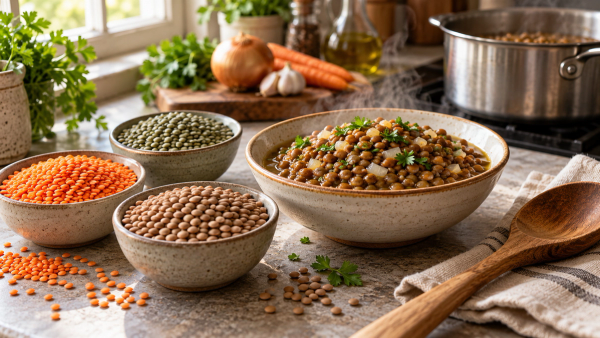
In Turkey, mercimek çorbası, lentil soup, is my emergency meal. Add lemon, maybe chili, bread if you want, and suddenly life makes sense again. In Spain, I lean toward gazpacho, grilled seafood, tortilla española if I need something filling, and fruit. In India, it depends hugely on the region, but curd rice in the south has personally rescued me after spice-heavy days, and khichdi is the sort of comforting dish I wish more travelers talked about. It’s not glamorous, but glamour is overrated when your stomach is filing complaints.
Rest Days Are Also for Your Taste Buds
#People talk about stomach recovery, but palate fatigue is real too. After too many intense meals, your brain stops noticing details. The first bite of jamón ibérico in Madrid is emotional. The seventh cured pork moment of the day is still good, but maybe you’re just chewing and nodding. Same with ramen in Tokyo, tacos in Mexico City, pastries in Paris, barbecue in Texas. Too much of a good thing turns into background noise.
A rest day helps flavors become exciting again. I like to drink tea, eat fruit, maybe have something plain-ish, then the next day I can actually taste the smoky edge of a salsa or the grassy olive oil or the funk in a washed-rind cheese. I know this sounds dramatic, but food memories need contrast. You remember the feast better when there was a quiet day around it.
Movement, But Not the Punishment Kind
#I’m not one of those people who says “just go for a run” after a heavy meal. Absolutely not. If you are, respect, but also who raised you? My recovery movement is walking. Slow walking. The kind where you stop to look at tiles, cats, laundry, menus, old men playing cards, weird local snacks you are not eating right now because you are being responsible for once. Walking helps digestion, yes, but it also helps you understand a place between meals.
Some of my best travel memories happened on rest day walks. In Porto, after too much francesinha and port wine, I wandered down side streets and found a tiny grocery selling local cheeses and tins. I bought nothing except water and a peach, which felt wildly mature. In Taipei, after a night market feast, I spent the next morning walking near Daan Forest Park with soy milk and no plan. In Montreal, a rest day turned into a long snowy walk and a bowl of soup that I still think about more than the fancy dinner I had booked later.
The Tech I Use, But I Try Not to Let It Boss Me Around
#Food travel in 2026 is full of helpful little tools. Translation apps make menus less intimidating, map lists let you save bakeries and noodle shops, reservation platforms can open doors that used to require a local friend or a hotel concierge, and social media still finds tiny places before guidebooks do. I use all of it. I’m not pretending to be some pure wanderer with a paper map and destiny. But on rest days, I deliberately stop scrolling food videos because that is how you end up crossing town for a croissant you didn’t even want.
My rule now is one saved map layer for “must eat” and one for “gentle options.” The gentle list has soups, tea houses, fruit markets, bakeries where I can buy one thing not five, casual seafood places, vegetarian restaurants, and cafes near parks. It sounds overly organized, but it actually lets me be spontaneous. If I wake up feeling delicate, I’m not desperately searching while hungry and making bad choices. Bad choices are how I once ate fried chicken for breakfast before a seven-hour train ride. Never again. Well, probably never.
A Sample Rest Day in a Serious Food City
#Let’s say you’re in Mexico City after a huge day of tacos, mezcal, and a dinner you booked two months ago. I’d wake up slow, drink water, maybe coffee but not three coffees, then head to a market for fruit and something small. Walk around Roma, Condesa, Coyoacán, wherever you’re staying or curious about. Lunch could be caldo tlalpeño or a simple quesadilla with squash blossoms, not a full “let’s try every taco style” mission. Afternoon museum or park. Maybe a nap. Dinner stays open. If appetite returns, great, go have seafood tostadas or a light meal. If not, hot chocolate and a pastry split with someone is still a food memory.
Or in Tokyo after sushi, izakaya snacks, ramen, and convenience store dessert because you “just wanted to look.” Rest day breakfast could be onigiri and tea. Visit a garden, walk a neighborhood like Yanaka, have soba for lunch, maybe stop at a kissaten for coffee. Dinner? Maybe nabe, maybe grilled fish, maybe nothing big. Tokyo rewards restraint because the small things are so good. A perfect rice ball can be more satisfying than a forced luxury meal when you’re tired.
The Emotional Part Nobody Talks About
#There’s a weird guilt that comes with resting on a food trip. You think, I should be out there. I should be eating that famous thing. I should be making the most of it. Especially if you spent a lot on flights or you only have a few days. But forcing it can flatten the whole trip. I’ve had meals I barely remember because I arrived exhausted and overfull, and I’ve had simple rest-day meals that became precious because I was actually present.
One of my favorite meals ever was in a little place in Ljubljana after several days of heavy Central European eating. I ordered soup, salad, bread, and a glass of water. That’s it. The server looked almost concerned, like maybe I didn’t understand the menu. But the soup was warm, the bread was fresh, it was raining outside, and for the first time in days I wasn’t trying to achieve anything. I was just there. Travel needs those moments.
Final Thoughts: Protect Your Appetite Like It’s Part of the Trip
#If you’re planning a culinary trip this year, whether it’s a pasta pilgrimage through Emilia-Romagna, a hawker feast in Singapore, a pintxos weekend in San Sebastián, a barbecue road trip through the American South, or a seafood-and-sake adventure in Japan, please plan rest days. Not because you’re weak. Because you care about the food enough to meet it properly. Heavy meals are amazing. I live for them. But recovery is what lets you keep tasting, keep noticing, keep being excited when the next plate lands.
My best advice is simple: schedule hunger, leave room, walk slowly, drink water, and stop treating every meal like a once-in-a-lifetime emergency. Some are. Most aren’t. And sometimes the quiet bowl of soup between the famous meals is the thing that saves the whole journey. Anyway, if you’re as obsessed with food trips, markets, messy itineraries, and eating your way across places as I am, you’ll probably enjoy poking around AllBlogs.in for more travel-food rabbit holes.