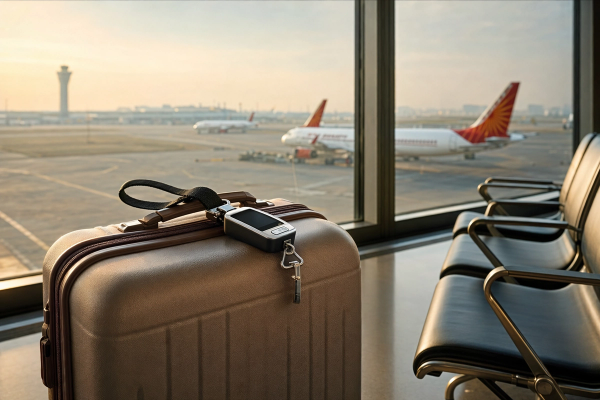
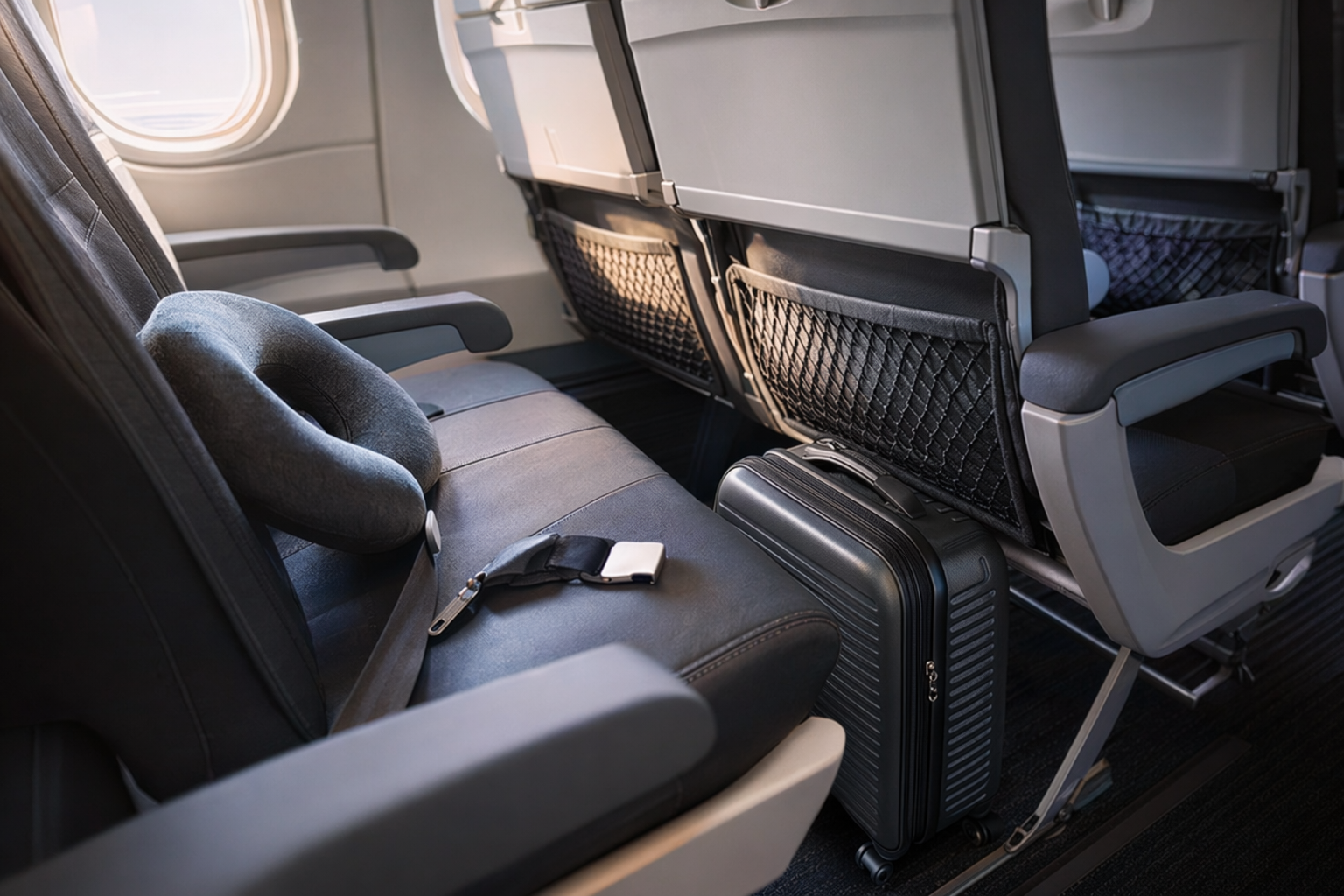
The ₹999 Fare That Wasn’t Really ₹999
#You know that small happiness when you open an airline app and see Delhi to Goa for ₹999 or Bengaluru to Kochi for some ridiculously low number? Same. My brain immediately starts doing filmi calculations — “arre, cheaper than train only!” Then you click through, and slowly the fare becomes ₹1,482, then ₹2,100, then suddenly you are staring at a bundle called Flexi-Super-Prime-Something and wondering if you’re buying a flight ticket or a mutual fund. Budget airline add-ons are basically this only: seats, bags, meals, priority boarding, cancellation cover, convenience fee, and sometimes a “bundle” that may or may not make sense depending on how you travel.
I’ve flown enough budget airlines in India now — IndiGo, Akasa Air, Air India Express, SpiceJet in better and worse phases, plus a few international low-cost ones from India to Southeast Asia and the Gulf — to know one thing: cheap flights are not a scam, but they are also not always cheap by the end. The trick is not to hate add-ons. The trick is to know which ones are worth paying for and which ones are just quietly eating your samosa budget. Honestly, half my travel savings have come from simply not clicking things in panic.
How Budget Airlines Actually Make the Fare Look So Tempting
#Budget airlines keep the base fare low by separating everything that traditional airlines used to include in one ticket. In airline language, this is called “unbundling”. For us normal people, it means the seat on the plane is one price, and comfort or flexibility is extra. Want to choose a window seat? Pay. Want more legroom? Pay more. Want check-in baggage beyond what’s included? Obviously pay. Want a sandwich that doesn’t taste like airport cardboard? Umm, pay again. And then there is the payment convenience fee sitting at the end like that relative who comes uninvited but eats full dinner.
In India, this style has become totally normal. Most domestic budget fares generally include cabin baggage, commonly around 7 kg, and many regular domestic fares include checked baggage, often around 15 kg, but please don’t tattoo this on your hand because airline rules change by route, fare family, sale, and sometimes by the mood of the app also it feels like. International low-cost tickets can be more strict. Some fares include no checked bag at all. Some include 20 kg or 30 kg. Gulf routes, Southeast Asia routes, student fares, defence fares — all different drama. Always open the baggage rules before payment, not after booking. Learned this the painful way.
Seats: Window Dreams, Aisle Logic and the Middle Seat Punishment
#Seat selection is the add-on that gets most people emotionally. Me included. I love a window seat, especially on early morning flights when the clouds look like cotton and you feel like you are in a travel reel. But airlines know this very well. Window and aisle seats usually cost more than middle seats. Front rows cost more. Emergency exit rows cost more. Sometimes even a fairly normal row has a fee because it is “preferred”. Preferred by whom, boss? It is still row 12, my knees are still suffering.
If you don’t pay for seat selection, the airline will usually assign you a seat during check-in. For solo travel, I often skip the paid seat unless it’s a long flight or I need to get out quickly after landing. If I’m flying Mumbai to Goa, I’m not paying ₹400 just to look at clouds for 55 minutes. But for Delhi to Port Blair, or Bengaluru to Delhi after a full workday, I may pay for an aisle because I’m tall-ish and I get restless. With family, it’s different. If you’re travelling with kids or elderly parents, paying to sit together can be worth the peace of mind. Not always fair, but practical.
- Pay for seats if you are travelling with children, senior citizens, or someone who needs assistance. Don’t leave it to luck.
- Skip paid seats for short solo flights unless you are very particular. Random assignment is usually fine, even if sometimes you get the dreaded middle.
- Emergency exit seats are nice for legroom, but you need to be able and willing to help in an emergency. Cabin crew can move you if you don’t meet the requirement.
- Front-row seats help if you have a tight connection or need to rush out, but don’t expect royal treatment. It’s still a budget flight, bhai.
My Most Annoying Seat Add-On Moment
#One time I was flying from Pune to Bengaluru on a late evening flight. I was tired, had one backpack, and thought I’ll just check in at the airport. Big mistake. By the time I checked in, only middle seats were left, and not even a normal middle seat, it was one of those where both armrests are already emotionally occupied by the people next to you. The guy at window slept before takeoff and the aisle person opened his laptop like he was running RBI. I sat like a folded dosa for the full flight. Since then, if I care about the seat, I do web check-in early. Not always paid. Just early.
Btw, web check-in is also useful because airport counters can be crowded, especially during long weekends, school holidays, wedding season, and early morning business routes. Safety-wise, Indian airports are generally strict and orderly once you understand the flow: entry check, baggage drop, security, gate. But crowds are real. DigiYatra is available at many major airports and can speed up entry for registered passengers, though I still keep my physical ID ready because tech can act smart at the exact wrong time.
Baggage Add-Ons: This Is Where Budget Trips Get Expensive
#Baggage is the big one. Seats are emotional, food is optional, but bags can destroy your budget if you ignore the rules. Airlines usually charge much more for extra baggage at the airport compared to buying extra allowance online in advance. That is the golden rule. If you know your bag is overweight, don’t do that Indian thing of “dekhenge airport pe”. Airport pe they will see you only, and then they will charge you nicely.
Domestic flights in India often have a cabin baggage limit around 7 kg, plus a small personal item like a laptop bag or handbag. Checked baggage depends on fare and airline, commonly 15 kg on many standard domestic tickets, but not all tickets. Some special low fares can have different inclusions. International low-cost flights vary a lot. I’ve seen people at check-in counters opening suitcases and wearing three jackets because they didn’t pre-buy baggage. Funny to watch for two minutes, but honestly very stressful when it’s you. If you are confused about what counts as a personal item versus an underseat bag, this guide on Underseat Bag vs Personal Item Backpack: Best Pick is actually useful before you decide whether to pay for carry-on.
Cabin Bag vs Checked Bag, Indian Traveller Edition
#For weekend trips, I try to travel with one backpack. Not because I’m some minimalist saint. I’m not. I overpack snacks, chargers, one extra kurta “just in case”, and still somehow forget socks. But a backpack saves time, money, and that sad waiting at baggage belt where everyone’s black suitcase looks like everyone else’s black suitcase. For longer trips, especially winter travel or weddings, checked baggage is unavoidable. Indian weddings and 7 kg cabin limits are natural enemies. Nobody is carrying lehenga, shoes, gifts, hair dryer, and kaju katli in cabin allowance only.
One thing I’ve started doing is weighing my bag at home. A simple luggage scale costs less than one overweight baggage mistake. If you don’t have one, use the jugaad method: weigh yourself on a bathroom scale, then weigh yourself holding the bag, then subtract. Not perfect but close enough. Also, packing cubes or compression bags can genuinely help if your problem is space and not weight. I wrote down my own learnings after trying both, and this comparison of Packing Cubes vs Compression Bags: Which Saves Space? fits exactly into this baggage-fee headache.
The Sneaky Difference Between Space and Weight
#This sounds basic, but many people mix it up. Compression bags reduce volume. They don’t reduce weight. Your 4 jeans still weigh 4 jeans, even if they look like one sad chapati after compression. Airlines care about both size and weight for cabin bags. If your bag is huge but light, it may still get questioned at the gate. If it is small but 11 kg, also problem. Budget airlines are more strict on busy routes and full flights because cabin bin space becomes a war zone. I’ve seen staff tagging cabin suitcases for gate-check when the flight is full, especially on routes like Delhi-Mumbai, Bengaluru-Hyderabad, Mumbai-Goa during peak season.
Best months and seasons also affect baggage. Summer beach trip? Easy, clothes are light. Monsoon trip to Kerala or Northeast? You need rain gear, extra footwear, plastic covers, maybe quick-dry stuff. Winter in Himachal, Kashmir, Ladakh, or even Delhi if you are from Chennai and not built for 7 degrees? Bulky clothes. Wedding season? Forget it. Add baggage while booking or soon after. Last-minute baggage is like buying popcorn inside a multiplex, you already know it will hurt but you still feel shocked.
Bundles: Sometimes Smart, Sometimes Full Timepass
#Now let’s talk bundles. Budget airlines love bundles. They give names like Flex, Value, Plus, Prime, Saver Max, and other MBA-sounding things. A bundle may include seat selection, meal, extra baggage, lower cancellation fee, date change flexibility, priority boarding, or faster check-in. Sometimes it is worth it. Many times it is just a shiny package of things you don’t need. The app will show “Recommended” in a bright colour, and suddenly you feel like you are making a wrong life choice by choosing basic fare. Relax. Basic fare is not illegal.
| Add-on or bundle item | When I’d pay for it | When I’d skip it |
|---|---|---|
| Paid seat | Long flight, family trip, elderly parents, tight connection | Short solo flight where any seat is okay |
| Extra baggage | Wedding, winter trip, international shopping plan, long stay | Weekend backpack trip or light beach trip |
| Meal | Odd-hour flight, kids travelling, no time at airport | Short flight after eating at home |
| Flexi/change bundle | Uncertain work leave, visa timing, medical or family uncertainty | Fixed weekend plan with low chance of change |
| Priority boarding | Rarely, maybe if cabin baggage space is critical | Most domestic flights, because everyone reaches same plane anyway |
The main thing with bundles is maths. Don’t go by feeling. Open a note on your phone and add individual add-on costs: seat + meal + baggage + change benefit. Then compare with bundle price. Also check the fine print. “Free date change” may still mean fare difference applies. “Cancellation benefit” may exclude convenience fee or other charges. “Meal included” may be a limited menu, not anything you want. And priority boarding, sorry, is the funniest add-on in India sometimes. People pay to board first and then sit in the aircraft waiting while the rest of us slowly arrive with our backpacks and aunty’s duty-free bag.
Food Add-Ons: Should You Pre-Book Meals?
#I have complicated feelings about airline food. On one hand, I love opening a hot poha or upma box in the sky. Very comforting. On the other hand, some airline sandwiches taste like they were assembled during a power cut. Pre-booked meals are usually cheaper than buying onboard, and there’s a better chance your choice is available. If you have dietary needs — Jain meal, diabetic-friendly preference, vegetarian only, or you’re travelling with a child who will become a tiny angry politician when hungry — pre-book.
For short flights, I usually eat before reaching the airport or carry something simple that’s allowed and not messy. Thepla, dry snacks, protein bar, banana if I remember. Please don’t carry very smelly food into a packed aircraft. I say this as a proud Indian who loves achar, but a closed cabin is not the place for full pickle energy. Airport food is expensive, yes, but sometimes a proper idli-sambar before boarding is better than buying a sad ₹350 wrap onboard. Also remember liquids and security rules. Don’t carry chutney like it is a harmless emotion. Security may disagree.
Priority Boarding, Fast Track and Other “Convenience” Things
#Priority boarding sounds fancy, but on most Indian domestic flights it doesn’t change your life. You board earlier, keep your bag in the overhead bin, and sit. Then everyone else boards. Then you wait. If you are carrying only a small backpack that fits under the seat, priority boarding is not needed. If you have a cabin suitcase and the flight is fully booked, early boarding can help you get bin space near your seat. But personally, I don’t pay for it unless it comes free in a bundle I already wanted for baggage or flexibility.
Fast track security is more relevant at some international airports than domestic India, and it depends on the airport and airline. Lounge access is another tempting add-on. If you have a credit card that gives lounge access, great. If paying separately, think about your waiting time. For a 45-minute wait, no point. For a long layover, early morning connection, or delayed flight, lounge access can feel like a blessing. Airport hotels and sleep pods at bigger airports or nearby budget hotels can range widely, often from basic hourly pods to proper rooms. I’ve paid for a cheap airport-side hotel during an overnight layover and it was not glamorous, but a shower and 4 hours sleep made me human again.
Cancellation and Change Fees: The Add-On Nobody Wants Until They Need It
#This is the least exciting part of booking, but maybe the most important if your plans are shaky. Budget fares usually have strict change and cancellation rules. You may get taxes back, but airline fees and convenience charges can reduce the refund heavily. If your leave is not approved, visa is pending, exam dates may shift, or you’re booking for a family event where plans can change, a flexi fare or change bundle may save money. But don’t buy it blindly. If the ticket itself is very cheap, paying a large amount for flexibility can be silly.
I once booked a super cheap Chennai-Kolkata ticket for a friend’s engagement. Then the date shifted. Classic. The change fee plus fare difference was almost the cost of a new ticket. That day I understood why flexi fares exist. But another time I paid extra for flexibility on a work trip and nothing changed, so it felt like I donated money to the airline for no reason. Both things are true. That’s travel. You can be smart and still get played a little.
Safety, Delays and What’s Actually Happening at Airports
#A lot of people ask if budget airlines are “safe”. In India, commercial airlines operate under aviation safety rules and aircraft maintenance requirements, whether budget or full-service. Low-cost doesn’t mean the pilot is learning from YouTube, relax. The difference is mostly service model, seat pitch, inclusions, and flexibility. That said, delays happen. Weather, air traffic, aircraft rotation, fog in North India, monsoon disruptions in coastal cities, and operational issues can all mess up your plan. Winter fog can hit Delhi and North Indian airports badly. Monsoon can affect Mumbai, Kochi, Goa, Guwahati, and hill-region connections. Keep buffer time if you have a train, wedding muhurat, cruise, or international connection after a domestic flight.
For airport safety and smooth travel, carry government ID, keep power bank in cabin bag not checked baggage, don’t pack prohibited items, and reach early during peak travel. Domestic flights: I like reaching about 2 hours before if I have check-in baggage, less if only cabin bag and DigiYatra is working. International: 3 hours is still sensible, especially with budget airlines because baggage and document checks can take time. Also keep screenshots of your ticket, add-ons purchased, baggage allowance, and payment receipt. Network inside airports is usually okay but apps love logging you out when you’re sweating near the counter.
My Simple Booking Method So I Don’t Overpay
#This is my usual process now, and it has saved me decent money. First I search base fares on two or three platforms and the airline website. Sometimes the airline website gives clearer baggage and add-on options. Then I check total price till the final payment page, because convenience fees and add-ons can change the comparison. A ticket that looks ₹200 cheaper on one platform may become more expensive at checkout. Very irritating, but normal.
- I decide baggage before booking. If I need checked baggage, I choose a fare that includes it or add it online early.
- I don’t pick a paid seat immediately unless I really need it. For solo short flights, I wait for check-in.
- I compare bundle cost with individual add-ons. If the bundle includes stuff I don’t care about, I ignore the shiny button.
- I check flight timing more than just price. A 5 AM cheap flight means cab cost, no sleep, and airport dosa at 4 AM. Sometimes not worth it.
- I keep one payment card and UPI ready. Failed payments during fare sale are a special type of heartbreak.
Budget Airlines and Indian Travel Habits: We Are the Problem Also, Little Bit
#Let’s be honest. We Indians love carrying things. Snacks for the journey, snacks for after the journey, gifts, extra clothes, medicines, one towel because hotel towels are suspicious, slippers, chargers, backup chargers, and then someone says “can you take this small packet for my cousin?” That small packet becomes 2.5 kg. Budget airlines are not designed for emotional luggage. They are designed for measured luggage. Once you accept that, life becomes easier.
For local trips, I now plan around laundry and repeat outfits. In Goa, nobody cares if you wore the same shorts twice. In Pondicherry, a light cotton shirt works everywhere. In Jaipur, you can buy a block-print kurta there itself and call it shopping plus outfit planning. In Kerala, quick-dry clothes are more useful than five fancy outfits during monsoon. In the Northeast, pack layers but don’t carry your whole cupboard. Lesser-known airports and smaller cities may have fewer flight options, so delays can affect connections more. Keep that in mind when booking the cheapest possible route with a 45-minute gap. Cheap can become expensive if you miss the next leg.
When Add-Ons Are Actually Worth Paying For
#Not all add-ons are traps. Some are honestly useful. If you’re flying to a wedding, buy baggage. If you’re going on a honeymoon and want to sit together, pay for seats and avoid starting the trip with “it’s okay, we’ll adjust” while sitting in different rows. If you are taking parents, book aisle seats or front-ish rows if affordable. If your kid needs food, pre-book the meal. If you are flying after office, tired and hungry, a meal add-on can stop you from making bad airport decisions like ₹600 coffee and a muffin that tastes like sponge.
Also, if you’re travelling for work and your company reimburses add-ons, don’t be a hero. Book the practical things. Seat, meal, baggage, flexibility. Your back and brain will thank you. For students and backpackers, the opposite. Save wherever you can, but not at the cost of missing the flight or paying overweight charges. There is a balance. Like most Indian travel planning, it is half spreadsheet, half instinct, and half mummy saying “extra kapde leke ja”. Yes, that’s three halves. Travel maths is different.
Final Thoughts: Cheap Flights Are Great, Just Don’t Book Blindly
#Budget airline add-ons are not something to fear, but you need to slow down while booking. The cheapest fare on the first screen is only the beginning. Seats, bags, meals, bundles, flexibility, airport transport, and timing all decide the real cost. My personal rule is simple: pay for what protects the trip, skip what only looks fancy. A paid seat can be worth it. Extra baggage can be totally worth it. A random bundle with priority boarding and a snack you won’t eat? Maybe not.
And please, check the airline’s own baggage and add-on rules before you pay, because policies change and sale fares can have different conditions. Take screenshots. Weigh your bag. Don’t assume your backpack is “small only” when it is shaped like a baby elephant. Most importantly, don’t let add-ons ruin the joy of travel. That first glimpse of the sea, the mountains from the aircraft window, the hot chai after landing, the cousin waiting outside arrivals waving like mad — all of it is still worth the booking-page headache. If you want more practical, Indian-style travel breakdowns like this, I keep finding nice reads on AllBlogs.in, so yeah, worth browsing before your next ticket booking.