Croatia had been sitting on my wish list for ages, mostly because every second Europe reel makes it look unreal... blue water, old stone towns, tiny boats, orange roofs, all that. But I kept assuming it would be crazy expensive, like one of those places you admire from your phone and then quietly close the tab. Turns out, if you plan it a bit smartly, Croatia is very doable for Indians on a budget. Not dirt cheap-cheap, no, but definitely manageable. I did it in 6 days with a mix of buses, ferries, bakery breakfasts, one or two splurge moments, and a lot of walking. Honestly, this is one of those trips where you feel rich visually even when your budget is yelling at you.
This guide is for Indian travellers who want the scenic Europe feel without doing a full financial self-destruction. I’m mixing what I actually found useful on ground with practical info you’ll need like costs, transport, where to stay, what to eat if you’re vegetarian or just tired of bread, and how not to make the same silly mistakes I made. Also btw, Croatia uses the euro now, which made things easier for me because I didn’t have to keep converting from some random currency in my head every five mins.
First things first: is Croatia safe, easy, and worth it for Indians?
#Short answer, yes. I found Croatia very safe overall, especially in tourist areas like Zagreb, Split and Dubrovnik. I was out late in city centers, took intercity buses, wandered narrow lanes with Google Maps behaving like a confused uncle, and mostly felt fine. Usual travel common sense applies, obviously. Pickpocketing can happen in crowded old towns, around bus stations, ferries, and popular summer spots, so keep your bag zipped and don’t flash cash like you’ve won KBC. Solo travellers, including women, usually find it pretty manageable too, though late-night empty lanes in old towns can feel a bit eerie. Not unsafe exactly, just very Game of Thrones-ish.
For Indians, Croatia is also nice because tourism infra is solid. Buses are reliable, ferries are scenic and practical, hostels and private rooms are everywhere, and locals in tourist areas generally speak enough English. Visa-wise, always check the latest rules before booking because entry policies can change, but many Indian travellers combine Croatia with a broader Europe trip. Travel insurance is a must, and trust me don’t skip it just to save a few thousand rupees. One missed bag or medical issue and your so-called savings vanish.
Best time to go if you’re on a budget
#If you ask me, the sweet spot is shoulder season. Think April to early June, or September to mid-October. Weather is pleasant, prices are lower than peak summer, and you don’t spend half your day standing in queues behind cruise crowds. July and August are gorgeous, yes, but also packed and noticeably pricier. Dubrovnik in peak season can feel like the whole planet arrived there together. Hotel rates go up, ferries sell out faster, and even a simple seafront coffee starts feeling a bit insulting.
- Best budget months: April, May, September, early October
- Warmest beach months: June to September
- Peak expensive period: mid-June to late August
- Winter is cheaper but many island services reduce, and beach vibe basically disappears
I went in shoulder season and, no joke, it saved me a lot. The weather was still nice enough for boat rides and sunset walks, but accommodation was not as ridiculous. Pack layers though. Mornings and evenings can surprise you, especially if you’re coming from Indian summer mode where everything is just... hot.
What a realistic Croatia budget looks like for Indians
#Let’s talk money because this is where most blogs become vague and annoying. Croatia is not as cheap as Southeast Asia, obviously, but compared to Italy or France in peak season, I found it kinder. For budget travel, a decent daily range is around €45 to €85 per person if you stay in hostels or simple private rooms, use buses, eat bakery food plus one proper meal, and don’t do expensive tours every day. If you want private rooms in central areas, maybe €70 to €120 daily. Dubrovnik is usually the most expensive stop, so don’t be shocked there.
| Expense | Budget Range | What I Noticed |
|---|---|---|
| Hostel bed | €20-€40 | Higher in Dubrovnik and peak summer |
| Private room/guesthouse | €45-€90 | Can be good value if booked early |
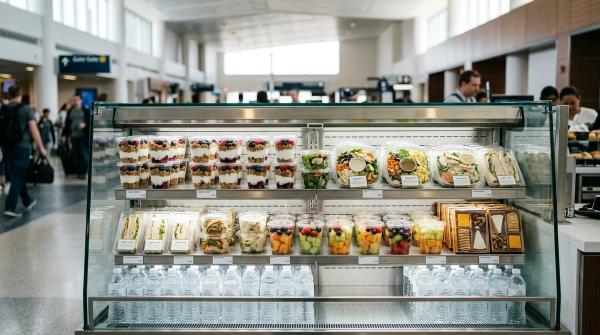
| Bakery breakfast | €3-€6 | Lifesaver for budget trips |
| Casual meal | €10-€18 | Pizza, pasta, sandwiches, grilled stuff |
| Indian/vegetarian meal | €12-€20 | Available in bigger cities, but not everywhere |
| Intercity bus | €12-€30 | Book ahead in busy season |
| Ferry | €5-€25+ | Depends on route and season |
| Old town attraction tickets | €10-€40 | Some major sights are pricey now |
My personal trick was simple: save on stay, spend on views. Croatia gives you a lot for free if you just walk around. The old towns, promenades, beaches, little alleys, viewpoints... some of my fav moments cost nothing. Also carry a refillable water bottle. Tap water is generally safe in Croatia, and buying water all day adds up sneaky-fast.
My 6-day Croatia itinerary for budget travellers from India
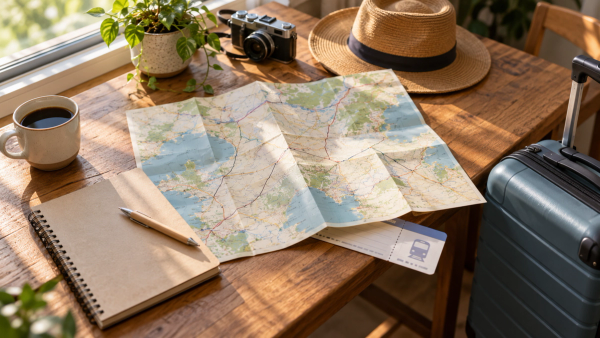
#This route is practical and not too rushed: Zagreb -> Plitvice Lakes -> Split -> Dubrovnik. Some people skip Zagreb, but I actually liked beginning there. It eased me into the trip, and after a long flight I wasn’t ready for immediate ferry chaos. If your flight lands elsewhere you can reverse it, but this structure worked really well for me.
Day 1: Zagreb – easy start, walkable city, not painfully expensive
#I landed in Zagreb and thank god started slow. After all the airport-to-city figuring out, currency checks, eSIM nonsense and general sleep deprivation, a calmer capital city felt right. Zagreb isn’t the flashy poster child of Croatia, but that’s also why I liked it. It feels lived-in. Trams, cafes, students, old buildings, a bit rough around the edges in places. Way more relaxed than the coast.
Spend your first day around Ban Jelačić Square, Upper Town, St. Mark’s Church area, Dolac Market and the little lanes with cafes. Dolac was great for fruit, snacks and just people-watching. If you want a budget meal, bakeries are everywhere. I also found supermarket runs super useful for yoghurt, fruit, bread, ajvar, cheese, stuff like that. If you’re vegetarian, Zagreb is the easiest place in this itinerary. There are vegan spots, Indian restaurants, falafel places, pizza by the slice, and enough grocery options to survive comfortably.
Budget tip: stay near the city center but not exactly on the main square. A tram-connected area works fine. Hostel beds can start around €20-€30 in decent periods, and simple guesthouses can be affordable if booked early.
Day 2: Day trip to Plitvice Lakes – yes it’s touristy, still go
#I know, I know, every Croatia guide mentions Plitvice Lakes and at some point you start suspecting it’s overhyped. It isn’t. It’s genuinely stunning. The water looks fake, like someone edited saturation too much. I did a day trip from Zagreb by bus, started early, and spent the day walking the wooden paths, taking too many photos and muttering wow like a complete idiot. There are different trail routes depending on time and energy, so choose wisely unless you enjoy accidental cardio.
A small warning though: entry tickets can be expensive, especially in high season, and they vary by month. Book online in advance if possible. Also go early. Once the crowds build up, some sections feel less peaceful. Wear proper shoes because those cute Instagram outfits are not going to help on long park walks. Food inside can be pricey, so I carried snacks. Very Indian move, zero regrets.
By evening I was back in Zagreb, tired in the best way, and grabbed a simple dinner before sleeping early because Day 3 gets more transit-heavy.
Day 3: Zagreb to Split – long bus, but the coast payoff is worth it
#This was the travel day. You can take a bus or sometimes train-bus combinations, but bus is usually the straightforward choice. It takes a while, so keep downloaded shows, snacks, neck pillow if you’re fussy like me. Reaching Split felt like entering a different country almost. Suddenly it’s palm trees, sea air, Roman ruins mixed with daily life, ferry port energy, tourists dragging suitcases on stone streets... chaos, but the fun kind.
In Split, stay a little outside the exact Old Town if budget matters. The center is beautiful but can be noisy and more expensive. Split’s Diocletian’s Palace area is not just one monument you tick off, it’s basically woven into the city. People live and work inside ancient walls, and that’s what makes it cool. I spent the evening walking the Riva promenade, watching boats, and then climbed up for a viewpoint around Marjan area later. Sunset there? Proper cinema stuff.
Food in Split can get repetitive on a budget if you’re vegetarian. Lots of seafood, grilled meat, pizza, burek, sandwiches. You’ll find risotto, pasta, salads, bakery items and some veg-friendly places, but don’t expect every menu to be super flexible. If you eat eggs and dairy, easier. Pure vegetarians should pin a few options in advance. I had one meal that was basically roasted vegetables and bread pretending to be dinner... not bad, just not memorable.
Day 4: Split island feel on a budget – choose one smart day trip
#This is where people overspend. Every second agency offers Blue Cave, five islands, luxury boat, sunset cruise, party cruise, whatever-else cruise. Looks amazing, but if you’re trying to keep costs sane, pick one budget-friendly experience. I’d suggest either a simple ferry to a nearby island like Brač or Šolta, or just a beach-and-view day in Split itself. Public ferries are way cheaper than full tours and honestly feel more real.
I did a simple island outing instead of an expensive speedboat package, and I’m glad. Slower, yes. Less glamorous, sure. But peaceful and cheaper. You can swim, walk around harbour towns, have gelato, sit doing absolutely nothing, which after Indian city life feels revolutionary. If you don’t want a ferry, spend the day exploring Marjan Forest Park, Kasjuni Beach or Bačvice if you don’t mind more crowds. Split is one of those places where not having a rigid plan actually works.
Croatia can get expensive when you try to do every postcard activity. It gets magical again when you slow down a bit.
Day 5: Split to Dubrovnik – scenic transfer and first old town wander
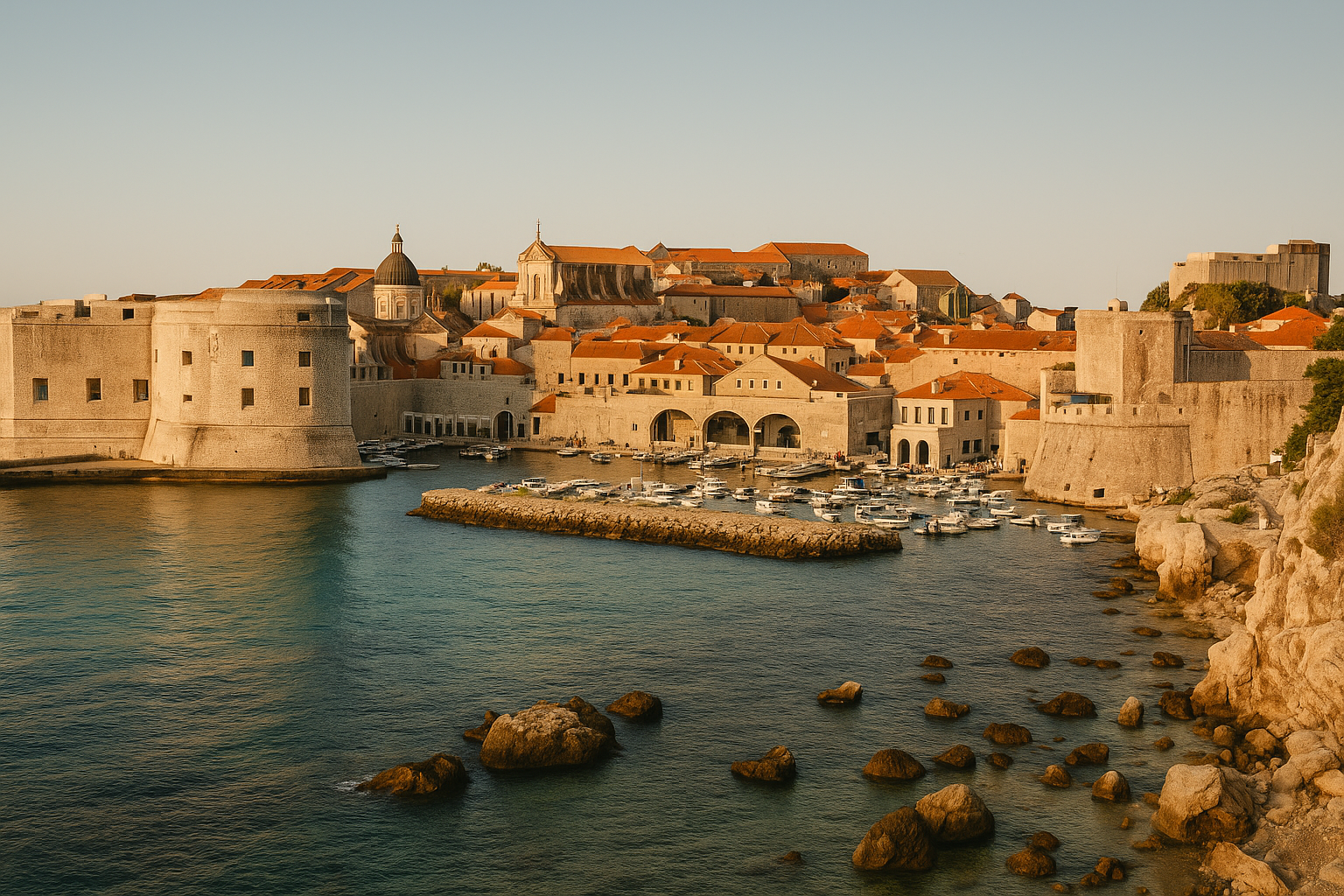
#The bus ride from Split to Dubrovnik is lovely if you get a window seat. Sea views keep showing up and suddenly the long journey doesn’t feel so long. Dubrovnik, though... yeah, it’s beautiful. Stupidly beautiful. The first glimpse of those walls and terracotta roofs is exactly the kind of thing that makes you forgive Europe for charging €4 for coffee. But it’s also the least budget-friendly stop on this itinerary, so this is where your planning matters most.
My advice is stay just outside the Old Town or in Lapad/Babin Kuk if you get a deal with buses included nearby. Old Town itself is gorgeous but expensive and suitcase-unfriendly because of endless stairs and stone lanes. On arrival day, don’t rush into every paid sight. Just walk. Enter through Pile Gate, get a little lost, see the alleys after day-trippers thin out, and if you have energy, head to a sunset point. Even the basic wandering here feels premium.
One thing worth knowing: Dubrovnik gets huge cruise traffic in warmer months. If you can, start your old-town exploring early morning or later evening. Midday can be packed and honestly a bit exhausting. I found the city much more charming after sunset when the crowds softened and the stone streets glowed a little. Very filmi, very dramatic, slightly overpriced, but lovely.
Day 6: Dubrovnik properly – walls if budget allows, beaches if not
#The famous Dubrovnik city walls are expensive, not gonna lie, and prices have gone up over the years. But if this is a once-in-a-while trip and your budget can stretch, they are worth doing. Go early or late to avoid heat. Carry water. There’s very little shade and summer sun can be brutal. The views over the Adriatic and rooftops are the classic Dubrovnik moment. I was sweating like mad and still grinning, so that tells you something.
If the walls feel too pricey, don’t worry. You can still have a fab last day. Take the cable car only if you really want that panoramic splurge, otherwise find lower-cost viewpoints, walk to beaches like Banje or Sveti Jakov, or do a Lokrum island trip if prices and schedules suit you. Lokrum is pretty, green, and a nice break from the stone-and-stairs intensity of Dubrovnik. I also liked just grabbing a bakery snack and sitting by the water doing nothing much. Some trips need one fancy activity. Some just need a bench and sea breeze.
Where to stay without wasting money
#In Croatia, private rooms in family-run guesthouses can be better value than hotels, especially for Indians travelling as two or three people. Hostels are good for solo travellers, but don’t assume they’re always dirt cheap in summer. Book early, especially for Split and Dubrovnik. Apartments with shared kitchens are gold if you want to cook maggi-type comfort meals, though please don’t set off alarms making tadka at midnight. Almost happened in my case. Long story.
- Zagreb: center-adjacent hostels, tram-connected apartments
- Split: outside Old Town but walkable, or near bus station if in transit mode
- Dubrovnik: Lapad for better value, areas outside walls for lower prices
Check whether city tax is included in the booking. Sometimes it isn’t, and then your final payment is a bit more than expected. Small thing, but on a budget trip all these little extras matter.
Food tips for Indians, including vegetarians
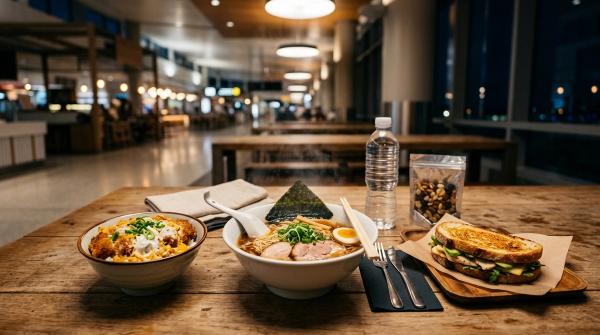
#Okay let’s be honest, food is where some Indians struggle in parts of Europe. Croatia was not impossible, but it also wasn’t the easiest veg destination outside bigger cities. You’ll see lots of seafood, cured meats, cheese, bread, pizza, pasta, grilled items. For vegetarians, look for margherita pizza, pasta arrabbiata, risotto, salads, burek with cheese or spinach, bakery sandwiches, and supermarket supplies. In Zagreb and Split you’ll have more variety. Dubrovnik too, but often pricier.
If you need proper Indian food every day, you may get a bit frustrated. If you’re okay mixing local food with grocery-store survival, you’ll be fine. I’d seriously suggest carrying a few backup sachets of poha, upma, theplas, khakhra, or ready-to-eat packets. Not because Croatia food is bad, not at all, but because after a few days your soul might ask for masala. Mine did. Loudly.
Transport, internet, and small practical stuff nobody tells properly
#Buses are the backbone of budget travel in Croatia. They connect major cities well, and stations are usually straightforward enough. Book in advance in peak periods because popular routes can fill up. Ferries are fantastic but weather and season can affect schedules, so check official timetables, not random outdated blog screenshots floating around online. For internet, I used an eSIM and it saved hassle, though local SIMs are available too. Google Maps works well in cities, but inside old towns it can get weird because of tiny lanes and wall structures.
Card payments are common, but keep some cash for bakeries, local kiosks, small guesthouses or luggage storage. Public toilets sometimes cost money. Also, those famous Croatian stone streets? Beautiful, yes. Also slippery. I nearly did a full Bollywood fall in Dubrovnik after a light drizzle. Wear shoes with grip, not your smooth white sneakers meant for airport selfies.
A few mistakes I made so you don’t have to
#- Tried squeezing too much into one day in Split. Don’t. Croatia is prettier when you slow it down.
- Didn’t always book transport early enough. In busy months that can become stressful real fast.
- Underestimated sun exposure on the coast. Sunscreen and cap are not optional, yaar.
- Assumed vegetarian options would just appear. Sometimes they do, sometimes you end up eating bread and vibes.
- Stayed too close to a noisy lane one night. Charming area, terrible sleep.
So, is Croatia worth it for Indians on a budget?
#Absolutely yes, if you go in with the right expectations. Croatia is not the cheapest international trip from India once you include flights, visa-related stuff, insurance and internal travel. But once you’re there, it can be done sensibly. It gives you old towns, island energy, beaches, history, dramatic views, safe-ish easy travel, and enough flexibility to make it luxury or budget depending on your choices. That’s what I liked most. You can spend a lot here, sure, but you don’t have to spend stupidly to have an amazing time.
If I did it again, I’d still keep the 6-day structure, maybe add one extra day for an island stop or slower Dubrovnik morning. But even in 6 days, Croatia gave me that rare feeling good trips give... like life had briefly become wider, brighter, a bit more cinematic. Corny, maybe, but true. If you’re planning your own version of this trip, keep it flexible, book the big things in advance, carry some snacks from home, and don’t compare every cost to Goa. Different game, different rewards. And yeah, for more travel stories and practical guides in this same no-nonsense style, check out AllBlogs.in.