Last May, standing in a ridiculously long queue outside a pharmacy in Delhi, I got this weird tightening in my calf. Then the other leg joined in. Proper painful, like the muscle was being twisted by an annoyed invisible aunty. My first thought was, oh great, low potassium. My cousin said no no, it's dehydration. A guy behind me said, "Bhai, heat cramp hai." And honestly? all three sounded possible. That's kind of the problem in India once summer really starts roasting everybody. We use one word for everything: weakness. But heat cramps, dehydration, and low potassium are related without being identical, and mixing them up can waste time... or be risky.
I'm not a doctor, so let me say that upfront. But I am one of those people who reads way too much about health after one bad body experience, and over the last year I've gone through advisories from Indian health agencies, sports medicine sources, hospital explainers, and newer discussions around hydration trends in 2026. Plus, living through Indian summers lately, which feel less like weather and more like a challenge thrown at humanity, you kind of have to learn this stuff.
Why this matters more in India now, not just in theory
#If you live in India, you already know the background here. Heat waves have been hitting earlier, lasting longer, and affecting way more normal people than just outdoor workers. Delivery riders, school kids at practice, gym people, pilgrims, construction workers, traffic police, older adults in non-AC homes, even people commuting in packed metros and buses. Recent public health messaging has been stronger because heat illness isn't some rare dramatic event anymore. It's become weirdly ordinary. In 2026, wellness chat online in India is full of hydration powders, electrolyte sachets, coconut water reels, glucose drinks, "summer recovery" routines, and, sadly, loads of half-correct advice.
One thing current guidance keeps repeating is simple but easy to ignore: thirst alone is not a perfect early warning sign, especially in older adults and during intense heat exposure. By the time you're very thirsty, you've often already started slipping behind on fluids. Also, not every cramp in summer means you're low on potassium. I used to think banana = cure, end of story. Turns out, not quite.
The short version: what each one actually is
#- Heat cramps: painful muscle spasms, usually during or after heavy sweating in hot conditions. Often linked to salt loss and exertion, not just plain water loss.
- Dehydration: your body doesn't have enough fluid. This can happen from sweating, diarrhea, vomiting, fever, not drinking enough, or all of the above.
- Low potassium, aka hypokalemia: your blood potassium level is actually low. This may cause weakness, cramps, palpitations, constipation, fatigue, and in worse cases dangerous heart rhythm issues.
See how there's overlap? That's why people confuse them. Cramps can happen in all three. Weakness can happen in all three. Feeling drained, dizzy-ish, kind of foggy, same story. But the cause and treatment aren't automatically the same, and that's the important bit.
Heat cramps - the one that sneaks up when you've been sweating like mad
#Heat cramps usually show up in the muscles doing the work, like calves, thighs, shoulders, arms, abs. They can hit during exercise or a little after. A lot of sports medicine experts now describe them as exercise-associated muscle cramps that are more likely when there's heavy sweating, high heat load, and sodium loss. Basically, if you've been out in the sun, sweating buckets, and pushing through because "just 10 more mins," you're a candidate. Been there, not fun.
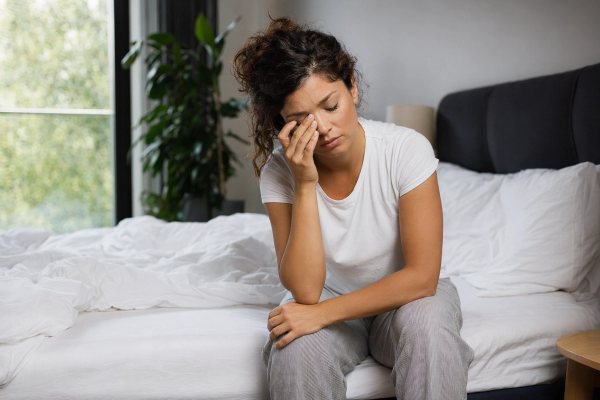
What it feels like, from my own very unscientific but painfully clear memory: the muscle grabs hold all of a sudden. Sharp, tight, impossible to ignore. You can usually still think clearly though. That's a clue. In straightforward heat cramps, the person may be sweaty, thirsty, tired, but not necessarily confused, fainting, or severely unwell. If there's confusion, vomiting, collapse, chest pain, or very high body temperature, that's more worrying for heat exhaustion or heat stroke and you should not sit around googling.
A cramp in summer is sometimes just a cramp. But if the whole person looks sick, not just the muscle, stop treating it casually.
Dehydration - more than just feeling thirsty and dry
#Dehydration is broader. It can be mild, moderate, or severe. Mild dehydration might look like dry mouth, headache, dark yellow urine, feeling tired, low energy, irritability, reduced sweating later on, dizziness on standing. Moderate to severe dehydration can bring fast pulse, low blood pressure, marked weakness, confusion, sunken eyes, poor urine output, and in severe cases it becomes an emergency. In India, summer dehydration often gets mixed with gastro issues too, because one day you're losing fluids from heat and the next day from food poisoning. Not exactly a great combo.
This is where I made a dumb mistake once. I had a headache after walking around in Jaipur in peak afternoon sun, barely peed all day, and still thought coffee would sort me out. Reader, it did not. Caffeine isn't forbidden or anything, but if you're already behind on fluids and salts, using chai or coffee as your rescue plan is... let's just say optimistic.
Low potassium - the thing everybody on family WhatsApp blames first
#Low potassium is real, but it's not the cause of every summer cramp. Potassium is essential for muscle and nerve function and for keeping your heart rhythm normal. But true hypokalemia usually needs a reason. Common causes include vomiting, diarrhea, certain medicines like some diuretics, poor intake over time, kidney or hormonal issues, heavy laxative use, or medical conditions that shift potassium inside cells. Sweating alone doesn't usually cause major potassium depletion in the way people imagine, though it can contribute when combined with poor intake, prolonged exertion, illness, or lots of fluid loss.
Symptoms can include muscle weakness more than dramatic cramping, fatigue, constipation, tingling, and sometimes palpitations. Severe low potassium is serious because it can affect the heart. This is one reason random high-dose potassium supplements are not a casual wellness hack. In 2026 there is this annoying trend of self-prescribing electrolyte mega-mixes and "mineral loading" after one Instagram reel. Please don't. Too little potassium is bad, yes, but too much can also be dangerous, specially if you have kidney disease or take certain medicines.
So how do you tell them apart in real life?
#| Feature | Heat cramps | Dehydration | Low potassium |
|---|---|---|---|
| Typical trigger | Heavy sweating, heat, exercise | Not enough fluid, sweating, vomiting, diarrhea, fever | GI losses, diuretics, poor intake, some illnesses/meds |
| Main symptom pattern | Sudden painful muscle spasms | Thirst, dry mouth, dark urine, dizziness, headache, fatigue | Weakness, fatigue, cramps sometimes, constipation, palpitations |
| Mental state | Usually alert | May feel foggy if worse | Usually alert unless severe/complicated |
| Best first response | Stop activity, move to shade, oral fluids + electrolytes | Replace fluids, ORS if needed, rest, cool down | Needs proper assessment if suspected, especially if persistent |
| When to get medical help | If severe, repeated, with heat illness signs | If unable to keep fluids down, confusion, very low urine, fainting | If symptoms persist, palpitations, marked weakness, known risks |
My rough rule now is this: if the main problem is sudden muscle seizing after heat and sweat, I think heat cramps first. If the whole body feels dried out and empty, dehydration first. If weakness keeps happening, there are palpitations, ongoing gut losses, or meds involved, low potassium becomes more likely and I don't play doctor at home.
What actually helps in the moment
#For plain heat cramps, current advice is pretty boring, which probably means it's good advice. Stop the activity. Get out of the heat. Gentle stretching and massage of the cramped muscle can help. Sip an oral rehydration solution or another electrolyte-containing drink, especially if you've been sweating heavily. Plain water is useful, but after a lot of sweat loss some people do better with fluids that replace sodium too. Rest before going back out. Not glamorous, but yeah.
For dehydration, the approach depends on severity. Mild dehydration can often be managed with oral fluids. ORS is honestly underrated. It sounds old-school because it is old-school, but it works. That's why doctors still recommend it. If dehydration is related to diarrhea or vomiting, ORS is usually much more appropriate than just guzzling plain water. If the person is very lethargic, confused, unable to drink, or not improving, they may need medical care and IV fluids. That's not the moment for home experiments.
- Move to a cool place, loosen clothing, stop exertion
- Sip fluids slowly instead of chugging like in ads
- Use ORS or an electrolyte drink if you've had heavy sweating or stomach losses
- If symptoms are severe, recurrent, or weirdly out of proportion, get checked instead of assuming it's "just summer"
About bananas, coconut water, nimbu pani, and all the desi fixes
#I love a simple desi solution as much as anyone. Coconut water is nice, refreshing, and gives some potassium. Bananas are fine too. Nimbu pani can be great if it's not basically dessert in a glass and if it includes a pinch of salt when appropriate. But none of these are magic cures for every scenario. A banana won't rapidly fix significant dehydration. Coconut water may not provide enough sodium for someone who has been losing a lot of salt in sweat. And very sugary drinks can sometimes worsen stomach upset or just make you feel gross in the heat.
One newer wellness trend in India in 2026 is "electrolyte everything" — sachets in every gym bag, influencer bottles, hydration tabs for office workers who sit in AC all day. I have mixed feelings. On one hand, awareness is better now. On the other, not everyone needs a performance-style electrolyte product. For many people, regular water plus normal meals is enough on ordinary days. The need goes up when heat exposure, long outdoor activity, intense exercise, diarrhea, or vomiting enters the picture.
When low potassium should seriously cross your mind
#This is the part I wish more people talked about. Think beyond weather if you have cramps plus any of these: several days of vomiting or diarrhea, use of water tablets/diuretics, uncontrolled blood pressure treatment changes, eating very little, recurrent episodes not linked clearly to heat, muscle weakness that feels bigger than the cramps, constipation, or fluttering heartbeat. Also if someone has kidney disease, heart disease, diabetes, adrenal or endocrine issues, they're not really the ideal candidate for random supplement advice from neighbours, no offense to neighbours.
Doctors may check blood electrolytes, kidney function, sometimes magnesium too, because low magnesium can travel with potassium problems and also contribute to cramps. This point is getting more attention recently in sports and clinical discussions: cramps are not always one-mineral stories. Bodies are annoyingly complex like that.
Red flags - please don't wait these out
#- Confusion, fainting, seizure, or unusual drowsiness
- Very high body temperature, hot skin, or suspected heat stroke
- Chest pain, palpitations, or severe weakness
- Unable to drink, repeated vomiting, almost no urine
- Cramps with swelling, dark urine, or collapse after extreme exercise
If any of that is going on, it's not wellness-blog territory anymore, it's doctor territory. In India, heat stroke can escalate frighteningly fast. Please don't let family members "sleep it off" if they are confused or severely overheated. That advice has caused so much trouble.
What I've changed in my own routine after getting this wrong a couple times
#I used to head out with one tiny bottle of water and a lot of confidence. Very unserious behavior, frankly. Now I pre-hydrate a bit before long outdoor errands, carry more fluid than I think I'll need, and if I know I'll be in direct heat for a while, I don't rely only on plain water. I eat normally too, which matters more than people admit. Skipping meals, sweating hard, then wondering why your body feels wonky... yeah, me and bad decisions go way back.
I also stopped treating every leg cramp like a potassium emergency. If it's heat plus sweat plus exertion, I cool down first and think sodium/fluid replacement as well. If I had GI losses or if symptoms are repeating for no obvious reason, that's when I think lab test, not fruit salad. Honestly this one shift saved me from a lot of confusion.
Prevention, which is less exciting but kind of the whole game
#The best prevention advice in current public health guidance is almost annoyingly practical. Avoid peak heat when possible. Wear light clothing. Increase fluid intake before you feel wrecked. Use ORS appropriately during illness. Acclimatise slowly if you're starting summer exercise or returning after a break. Outdoor workers and athletes may need scheduled hydration and rest breaks, not just "drink when free." And older relatives? check on them. Many don't feel thirst strongly or don't want to drink because they don't want extra trips to the bathroom. That's real life, not noncompliance.
One more thing. Don't overdo water without food or electrolytes for hours and hours after heavy sweating. This doesn't happen to everyone, but washing out sodium too much can create another set of problems. Balance matters. I know, the least sexy word in wellness, but there it is.
My final take, if you're standing in Indian summer wondering what your body is trying to say
#If the muscle suddenly locks up after heavy sweating, think heat cramps. If you feel dried out, headachy, dizzy, dark urine, think dehydration. If there's ongoing illness, medication use, repeated weakness, constipation, or palpitations, low potassium deserves real medical attention. They overlap, yes, and sometimes more than one is happening together, which is why being humble about symptoms is smart. Not every problem needs panic, but not every problem needs a banana either.
Anyway, that's the version I wish someone had explained to me in normal language before I spent one whole summer guessing wrong. Stay hydrated, but sensibly. Respect the heat. And if your body keeps sending the same warning, don't just push through because Indian life is busy and inconvenient and all that. If you like these practical health rambles, you can poke around AllBlogs.in too, they've usually got something useful in the mix.