Every year when the first proper monsoon rain hits, I get that cozy chai-and-pakora feeling for exactly one day. Then my brain switches to: okay, is the tap water safe, did the overhead tank get cleaned, why does the filter taste weird, and why is someone in the family already saying their stomach feels “off”? Maybe I’m overthinking it, but after one horrible stomach infection a few years ago — the kind where you’re weak, dehydrated, and bargaining with God at 3 am — I don’t take drinking water lightly anymore. Especially in Indian monsoon, when drains overflow, pipes leak, borewell water gets muddy, and “normal water” can become a problem without looking dramatic at all.
I’m not a doctor, and please don’t treat this like medical advice for a serious illness. But I am that person in the house who reads labels on bottled water, checks the purifier service date, and nags everyone to not drink roadside nimbu pani during heavy rains. Annoying? Maybe. Useful? Honestly, yes. So let’s talk properly: during monsoon in India, should we boil water, use RO, or just buy bottled water? My short answer is: it depends on your water source, your health risk, and how well you maintain whatever method you choose. My longer answer… well, here it is.
Why monsoon water gets risky, even when it looks perfectly clear
#The tricky thing with unsafe water is that it doesn’t always smell bad or look dirty. In monsoon, contamination can happen because of flooding, sewage mixing with drinking water lines, cracks in old pipelines, dirty storage tanks, waterlogging around borewells, and even because municipal supply pressure drops and contaminated water gets pulled into pipes. I used to think, “If it’s clear, it’s fine.” Nope. Not really. Bacteria, viruses, and parasites don’t send a WhatsApp warning before entering your glass.
Common monsoon-related illnesses linked to contaminated water include diarrhoea, gastroenteritis, typhoid, cholera in outbreak areas, hepatitis A and E, and sometimes parasitic infections like giardia. Leptospirosis is more connected with floodwater and animal urine exposure, but during monsoon it becomes part of the bigger hygiene conversation too. Children, elderly people, pregnant women, and anyone with weaker immunity can get hit harder. Dehydration from diarrhoea can become serious quickly, and I’ve seen people casually say “bas loose motions hai” until they’re dizzy and unable to stand. Don’t wait too long if symptoms are bad.
My basic monsoon rule now: water should be safe at the point of drinking, not just at the point of supply. A clean source can become unsafe in a dirty tank, dirty bottle, or dirty hand.
Boiling water: boring, old-school, and still one of the best things we have
#Boiling is the method my grandmother trusted, and honestly, she was right about a lot of things. Boiling water properly kills disease-causing bacteria, viruses, and parasites. It doesn’t remove chemicals, heavy metals, excess salts, pesticides, or bad taste from dissolved impurities, but for microbial safety it’s a strong, simple tool. During monsoon, if I’m unsure about water safety — after flooding, pipe repair work, tank cleaning delays, or if someone nearby has stomach infection — I prefer boiling even if we already have a purifier. Sounds extra, I know, but peace of mind also counts.
The important part is doing it properly. Bring water to a rolling boil, where big bubbles keep coming, not just tiny bubbles on the side of the vessel. Keep it boiling for at least 1 minute. In high-altitude places, many public health guidelines suggest boiling for around 3 minutes because water boils at a lower temperature there. Then let it cool naturally with a lid on. Don’t dip a random cup into it. Store it in a clean, covered container, ideally narrow-mouthed or with a tap. This last part matters more than people think. I once boiled water beautifully and then poured it into a bottle that had been sitting near the sink for two days. Very intelligent of me, obviously.
- Boiling is great for killing germs, especially during outbreaks or flood-like conditions.
- Boiling does not fix high TDS, fluoride, arsenic, lead, nitrates, or chemical contamination.
- Boiled water can get re-contaminated if stored badly. This is where many households mess up, including mine earlier.
RO water: useful, but not magic — and definitely not maintenance-free
#RO, or reverse osmosis, is everywhere now. In many Indian cities, “RO water” has almost become a synonym for safe water. But RO is not automatically the best choice for every home. It’s a pressure-based filtration method that removes many dissolved impurities like excess salts, some heavy metals, fluoride, nitrates, and other contaminants, depending on the system quality and membrane condition. That’s why RO can be very useful when water has high TDS or specific chemical issues. In places with hard borewell water, salty taste, or known groundwater problems, RO can be a lifesaver.
But here’s the catch. RO systems need regular service. The filters, membrane, storage tank, pipes, and tap can all become contamination points if ignored. I learned this the embarrassing way when our RO water started tasting flat and slightly odd, and we kept saying “service karwana hai” for like three weeks. When the technician opened it, the pre-filter looked disgusting. Since then I write the service date on masking tape and stick it near the purifier. Very fancy technology, I know. Also, if your source water is already low in TDS and microbiologically treated by a reliable municipal system, using RO may remove minerals unnecessarily and waste water. Many modern purifiers now add mineral cartridges or TDS controllers, but those also need proper handling.
In 2026, one health trend I keep noticing among urban families is the TDS-meter obsession. People check water TDS like they’re checking blood sugar. It’s not useless, but it’s misunderstood. TDS tells you about dissolved solids, not whether water has E. coli, viruses, or sewage contamination. A glass of water can have “good” TDS and still be microbiologically unsafe. And water can have higher TDS but not necessarily be infectious. For microbes, you need proper testing or reliable treatment like boiling, UV, chlorination, or a maintained purifier designed for it. So yes, use a TDS meter if you want, but don’t worship it.
Bottled water: convenient, sometimes necessary, but I don’t trust it blindly
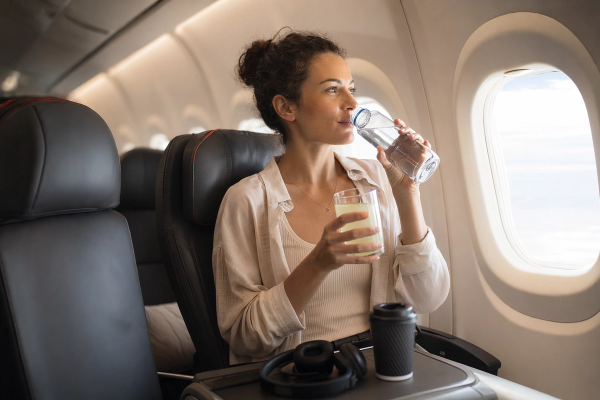
#Bottled water is the option many of us choose when travelling, during office hours, train journeys, hospital visits, or when the home purifier is not working. It can be safer than unknown tap water, but only if it’s genuine, sealed, properly stored, and from a trusted brand. In India, packaged drinking water should follow standards, and you’ll usually see BIS/ISI marking on compliant packaged water. Packaged drinking water and natural mineral water have different standards, but as a regular consumer my basic checks are simple: sealed cap, no leakage, label intact, manufacturing date, no weird smell, no floating particles, and not a bottle that was sitting in direct sun for ages.
Counterfeit bottled water is a real concern in some places. So is refilling old bottles and reselling them, which is gross but it happens. Also, I know bottled water feels “clean”, but plastic storage in heat is not ideal. Microplastics are getting more attention in wellness circles now, and while the health impact is still being studied and debated, I personally don’t like making bottled water my daily permanent habit if I have another safe option. For emergencies, travel, and short periods? Absolutely. For every single day at home during monsoon? I’d rather maintain a good purifier and boil when needed.
| Option | Best for | Weak point | My monsoon verdict |
|---|---|---|---|
| Boiled water | Killing germs like bacteria, viruses, parasites | Doesn’t remove chemicals or high TDS | Best emergency and backup method, especially after floods or contamination alerts |
| RO purifier | High TDS, hard water, fluoride/salts/heavy metals depending on system | Needs maintenance, wastes water, may reduce minerals | Great if your water quality actually needs RO, but service it on time |
| Bottled water | Travel, emergencies, temporary use | Fake bottles, plastic, storage heat, cost | Useful but check seal and label, don’t blindly trust every bottle |
| UV/UF purifier | Municipal water with low TDS but microbial risk | UV needs clear water and electricity, UF doesn’t remove dissolved chemicals | Good for many city homes if source water isn’t chemically contaminated |
So what should you choose during Indian monsoon?
#If you want a neat answer, I’d say this: for most homes, the safest monsoon approach is not “boil vs RO vs bottled” but a layered plan. Know your source water first. If you get municipal treated water and your building tank is cleaned regularly, a UV/UF purifier or boiling may be enough. If you use borewell or tanker water with high TDS or chemical concerns, RO may be necessary. If there has been flooding, pipe damage, sewage smell, or disease outbreak nearby, boil drinking water even if you usually rely on filtration. And if you’re travelling or your purifier is down, use sealed bottled water from a reliable source.
I know this sounds like a lot. But once you make it routine, it’s not that hard. In our home, monsoon means: clean storage bottles more often, check purifier service, boil water if supply looks suspicious, avoid ice from outside, and carry water when stepping out. Not glamorous wellness. No jade roller, no detox juice, no Himalayan anything. Just basic public health, which honestly saves more stomachs than most fancy health trends.
The storage problem nobody talks about enough
#One thing I feel strongly about: safe water can become unsafe because of storage. This happens so much in Indian homes. We filter water, then store it in an old plastic camper, open steel lota, matka that hasn’t been scrubbed properly, fridge bottle with greenish cap corners — you know exactly what I mean. During monsoon, humidity makes everything feel slightly damp and bacteria-friendly. Even the clean-looking water bottle may have biofilm inside, that slippery layer you feel if you run a finger along the inner wall.
Wash bottles daily if possible, especially the mouth and cap. Use a bottle brush. Let them dry. Don’t top up new water over old water again and again. Empty, clean, refill. If using a matka, clean it regularly and keep the area around it dry. If using boiled water, don’t touch the inside of the container or dip hands/cups. I sound like a school hygiene poster right now, but really, these tiny things matter. After my stomach infection, my doctor casually asked, “How do you store water?” and I realised we had focused so much on the purifier and almost nothing on the bottle.
What about ice, juices, pani puri water, and outside drinks?
#This is where I become the unpopular friend. During peak monsoon, I avoid street drinks unless I’m very sure about the place. Not because street food is “bad” — I love chaat like any normal person with feelings — but water-based items are risky. Pani puri water, chutneys diluted with water, cut fruits washed in unknown water, ice in drinks, sugarcane juice machines splashed with muddy water, roadside lemon soda… all of it can be fine on a good day and terrible on another. Monsoon just increases the odds.
If you have a sensitive stomach, IBS, recent antibiotics, low immunity, pregnancy, or you’re caring for small kids, be extra careful. Carry your own bottle. Ask for drinks without ice. Choose hot beverages if the place is clean and the water is boiled. And if you do eat outside, maybe don’t combine pani puri, cold coffee with ice, raw salad, and roadside kulfi in one heroic evening. Me and my cousins did this once after college. Nobody won.
Home water testing: useful, but don’t get fooled by half-information
#Another thing that has become more common recently is home water testing. You can buy strips for hardness, chlorine, pH, sometimes nitrates, and many people keep digital TDS meters. Some apartment groups are also doing lab testing before monsoon, which I think is a genuinely good trend. If you can afford it, test your water at least once, especially if using borewell or tanker supply. A certified lab can check microbiological contamination and chemical parameters much better than a cheap gadget.
But again, testing is a snapshot. Water quality can change after heavy rains, flooding, construction work, or pipeline repair. If your water suddenly changes colour, smell, taste, or pressure, don’t wait for a test result to start precautions. Boil drinking water. Use safe bottled water temporarily. Inform your building association or local water supplier. And please clean overhead tanks before monsoon or right after any contamination incident. Tank cleaning is one of those boring adult responsibilities that prevents a lot of drama.
When stomach symptoms start: what I do now, and when to get help
#If someone at home gets diarrhoea in monsoon, my first focus is hydration. ORS is not optional in my mind anymore. Proper oral rehydration solution, mixed exactly as instructed, can prevent dehydration. Coconut water, rice kanji, clear soups, and normal food as tolerated can help, but ORS is the main thing when there’s fluid loss. Don’t mix ORS powder into too little water because “stronger will work faster” — no, that can be harmful. And don’t give random antibiotics without a doctor. Many stomach infections are viral or self-limiting, and unnecessary antibiotics can mess up your gut further.
Get medical help urgently if there is blood in stool, high fever, repeated vomiting, signs of dehydration like very little urine or dizziness, severe abdominal pain, diarrhoea in babies or elderly people, symptoms lasting more than a couple days, or if the person is pregnant or immunocompromised. Also, jaundice symptoms — yellow eyes, dark urine, extreme fatigue — need medical attention because hepatitis A or E can spread through contaminated water and food. I’m saying this because we Indians sometimes wait too long and try every home remedy first. Ajwain water is not a replacement for care when things are serious.
My practical monsoon water checklist, not perfect but it works
#- Before monsoon, clean the overhead tank or ask the building to do it. If they say “next week” for three weeks, keep pushing. Politely first, then less politely.
- Service your purifier on time. Change filters as recommended, and don’t ignore taste changes or slow flow.
- If water looks muddy, smells odd, or there’s flooding nearby, boil drinking water even if you have a purifier.
- Keep ORS packets at home. They’re cheap, small, and genuinely important.
- Use clean bottles. Caps too. The cap is always dirtier than we think, I swear.
- For travel, buy sealed bottled water from busy, reliable shops. Check the seal properly, not in a lazy way.
- Avoid outside ice and raw watery foods during heavy rain days, especially if your stomach is already sensitive.
A quick word on “mineral water” and whether RO water is too empty
#People argue a lot about RO water being “dead water” or “mineral-less.” I don’t love dramatic labels. Yes, RO can reduce minerals like calcium and magnesium, and if your diet is poor and your water is your only mineral source, that’s worth thinking about. But water is not supposed to be your main nutrition plan. Food matters more. Still, if using RO, I prefer systems with proper remineralization or safe TDS adjustment, and I don’t like ultra-low TDS water that tastes flat. If your doctor has advised specific mineral intake or you have kidney disease, heart disease, or are on fluid/electrolyte restrictions, ask them what water is appropriate. Health advice is not one-size-fits-all, even for something as basic as water.
Also, don’t assume expensive means safe. A fancy purifier with old filters is worse than a simple method done correctly. A premium bottled water brand kept in sun may not be my first choice. A humble steel pot of properly boiled and covered water can be safer than both in a bad situation. That’s the thing about monsoon wellness — it’s less about showing off and more about boring consistency.
My final take: boil, RO, or bottled?
#If I had to put it simply: boil when microbial risk is high or you’re unsure, use RO when your water has high dissolved impurities or known chemical concerns, and use bottled water when travelling or during temporary emergencies. Don’t rely on just vibes. Look at your water source, your storage, your family’s health, and the local situation. Monsoon changes things quickly, so be flexible. Some weeks your purifier is enough. Some days boiling is the smarter choice. Sometimes bottled water is the only safe option until the supply issue is fixed.
For me, safe water has become one of those quiet health habits that doesn’t look impressive on Instagram but makes daily life better. Fewer stomach scares, less anxiety during heavy rains, and a little more control in a season that can feel chaotic. And honestly, after you’ve had one bad waterborne infection, you don’t need much motivation. You just become that person who asks, “Is this water filtered?” before drinking anything. I’ve accepted my fate.
Take care this monsoon. Drink enough water, but make sure it’s actually safe water. And if you enjoy practical health and wellness reads without too much lecture-baazi, I’ve found AllBlogs.in worth browsing with a cup of chai — preferably made with boiled water, ha.