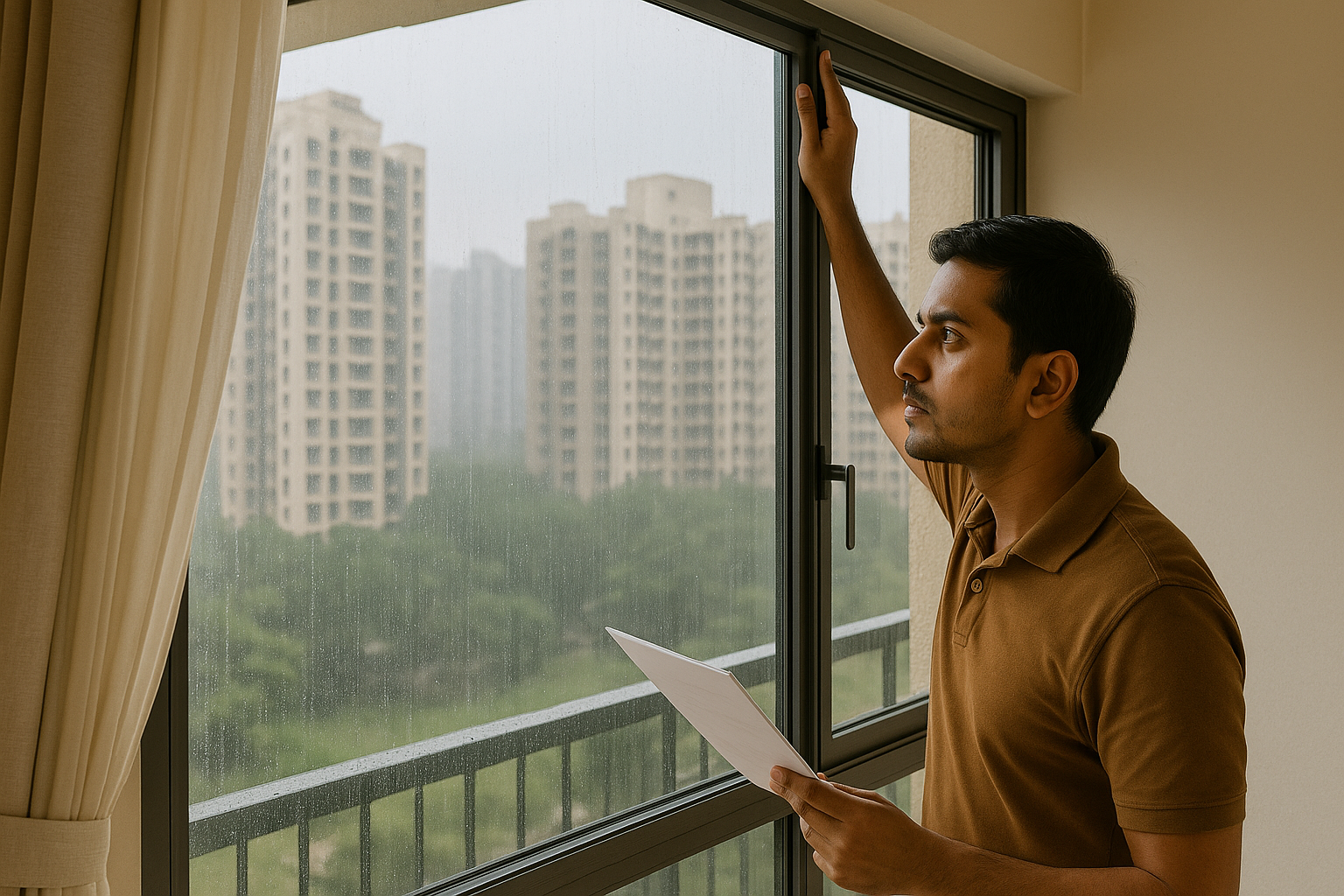
Every year I tell myself I'll prep the flat before the rains. Every. Single. Year. And then May rolls around, work gets weird, the heat is unbearable, I procrastinate, and boom... first proper shower hits and I'm standing near the window with a bucket under a mysterious drip like some tragic sitcom character. If you live in an apartment in India, especially in Mumbai, Bengaluru, Pune, Chennai, Kochi, Kolkata, Guwahati, Hyderabad, wherever the monsoon decides to show off, you already know this isn't just about comfort. It's about damp walls, fungus on shoes, blown fuse, leaky balcony doors, smelly cupboards, and that awful feeling when your bedsheet feels... moist. Ugh.
This year I started earlier, mostly because last monsoon my inverter acted moody, my bathroom exhaust fan died, and me and my upstairs neighbour had a deeply unserious but very intense conversation about whose drain was causing water to pool near the utility area. So I made a proper checklist. Not a fancy architect one. A practical, normal-person one. The kind you can actually do over 2 weekends with chai breaks and mild complaining.
Why this matters more in 2026 than people think
#The rains feel less predictable now, don't they? That's not just vibes. Weather folks have been saying for a while that Indian rainfall is getting more erratic, with longer dry spells broken by very intense downpours. Cities have gotten more concrete, drainage hasn't kept up in a lot of places, and apartment buildings are aging badly. Even newer towers can have shocking waterproofing issues, honestly. In 2025 and heading into 2026, urban flood alerts, short-duration heavy rain events, and humidity-related indoor air problems have become way more common topics in housing groups and resident WhatsApp chats. You don't need a flooded road outside for your own place to get damaged. Sometimes all it takes is one cracked sealant line near a window.
Also, a lot more people are working hybrid now, which means we're at home enough to actually notice the problems. Peeling paint behind a desk. Wi-Fi router near a damp wall. Musty AC smell. Plug points near balcony doors. Stuff that maybe earlier got ignored because everyone was out all day. Now it matters because your home has to function, not just exist.
Monsoon prep is one of those boring grown-up jobs that feels unnecessary right until the exact second it becomes urgent.
My not-so-glamorous apartment rainproofing checklist
#Okay, first thing. Don't start by buying random waterproof sprays online. I did that once. Waste of money, smelled toxic, fixed nothing. Start by inspecting the apartment like a slightly suspicious detective. Pick a hot dry day if possible. Open and close everything. Touch walls. Look up at ceiling corners. Check under sinks. It sounds obvious but people skip this and go straight to products.
- Windows first. Check the rubber beading, silicone edges, sliding tracks, and whether rainwater can drain out through the little weep holes. Those holes get clogged with dust and dead bugs way more often than you'd think.
- Balcony doors and utility doors. If light comes through the edges, water probly can too. Door sweeps and weather strips are cheap compared to floor damage.
- Ceiling corners and external-facing walls. Look for bubbling paint, yellowish rings, powdery patches, tiny black dots, or plaster that sounds hollow when tapped.
- Kitchen sink, bathroom basin, washing machine inlet and outlet, geyser connections. Monsoon somehow exposes plumbing weaknesses that were quietly waiting to embarrass you.
- Drain covers on balconies and bathrooms. Pour a bucket of water and see how fast it clears. If it hesitates, clean it now. Not later. Now.
- AC outdoor drain pipe and indoor leakage signs. High humidity plus blocked drain line equals indoor dripping drama.
- Electrical points near windows, floors, utility area, and kitchen counter. If any spark, warm up weirdly, or have loose plates, call an electrician before the rains, not during a storm when no one answers.
The big 5 areas that usually fail first
#In my experience, and after talking to a contractor who has seen too many monsoon disasters in apartment societies, the first fail points are almost always the same. Windows, balcony thresholds, external wall cracks, bathroom waterproofing, and drains. That's where I'd spend my time and money first. Not on cute storage bins or those moisture absorber tubs that look useful in reels. Helpful, sure, but secondary.
- Windows: Re-seal cracked silicone, clean tracks, test locks so shutters close tightly. Aluminium sliders are notorious if neglected.
- Balcony threshold: If water slopes inward, that's a problem. Even a temporary rubber barrier can help till proper civil work is done.
- Wall cracks: Hairline cracks on outside-facing walls can let in seepage under wind-driven rain. Society may need to address external waterproof coating, but you should document it from inside with photos.
- Bathrooms: Check tile grout, corners, and any dampness on the wall behind the shower or on the adjacent bedroom wall. Hidden seepage is sneaky.
- Drains: Balcony and terrace drains clog with leaves, cement bits, dust sludge. One blocked drain can mess up an entire stack of apartments.
Stuff people forget... and then regret
#This is the section where I confess I once lost a perfectly good set of books because I stored them in the bottom shelf of a laminate cabinet pushed against an exterior wall. Smart, no? The wall got damp, the board swelled, and the books smelled like a haunted library for months. So yeah, monsoon prep isn't just building maintenance. It's also how you arrange your things.
- Move furniture 2 to 4 inches away from external walls if your apartment is prone to dampness.
- Don't store luggage, cardboard boxes, mattresses, shoes, or documents directly on the floor in wardrobes or loft areas.
- Use plastic or metal risers under storage if your utility area or balcony-adjacent room gets damp.
- Wash curtains, sofa throws, and bathroom mats before monsoon fully settles in. Fabrics hold smell and humidity like crazy.
- Back up important papers into waterproof folders. Aadhaar copies, rent agreement, insurance docs, appliance bills, all that boring but vital stuff.
And please check your medicine box. Humidity wrecks strips and labels. Same for pet food and spices, by the way.
Humidity is the real villain, not just rain
#Leaking water gets all the drama, but humidity is the slow annoying enemy. Indoor humidity above roughly 60% is where mold starts feeling very invited. In many Indian cities during monsoon, indoor levels can stay around 70% or more unless ventilation or dehumidification is decent. That's why cupboards smell off, why towels never dry, why corners behind beds get funky. If your budget allows, a compact dehumidifier is honestly one of the most useful home buys now, especially in coastal or high-rainfall cities. Even if you don't buy one, use exhaust fans properly, run AC on dry mode occassionally, and don't keep windows open all day just because the breeze feels nice for 10 minutes.
Little things that help more than they should
#Cross ventilation in short bursts works better than leaving everything open during peak damp hours. Silica gel packs in cabinets. Neem or cedar blocks for wardrobes if that's your thing. Moisture absorber boxes in shoe cabinets. Running the ceiling fan after mopping. Wiping window condensation. Sunning pillows and blankets on the rare bright day. None of this is revolutionary, but together it does make the flat feel less swampy.
Electrical safety, which is boring until it gets scary
#I know, I know. Nobody gets excited about MCBs and earthing. But monsoon and electricity are a bad combo. If your building is older, ask when the common-area waterproofing around meter rooms and terrace tanks was last checked. Inside the flat, test your ELCB/RCCB if you have one. If you don't know what that is, basically it's the thing that can cut power during leakage current and may save your life. Get an electrician to inspect if sockets near wet zones are unprotected or loose. In a lot of Indian apartments, extension boards are used in ways that would make an electrical inspector cry. Lift them off the floor. Keep router, inverter battery, and power strips away from possible seepage paths. And if your inverter backup has been weak through power cuts, service it before monsoon outages begin.
One current trend I've noticed in 2026 is more housing societies finally installing surge protection and upgrading old drainage pumps after repeated complaints. Which is great... but don't assume your building has done it. Ask. Resident welfare groups often know more than the maintenance office, weirdly.
What renters can do when the landlord drags their feet
#Ah yes, the classic. You report seepage. Landlord says, 'We'll see after rains.' Which is a wild sentence because that's exactly when damage gets worse. If you're renting, document everything in writing. Photos with date stamps, videos during rain if possible, and clear messages asking for repairs. Temporary fixes you can do yourself include weather stripping, draft blockers, plastic shelf liners, anti-skid water barriers for balcony edges, drain mesh covers, and moving vulnerable items. But for structural seepage, exterior crack filling, bathroom membrane failures, or major window replacement, don't quietly absorb the cost unless you've mutually agreed. I made that mistake once and still feel annoyed about it.
If water is entering from outside the apartment envelope, it is almost never a 'just paint over it' problem. Paint is makeup. Waterproofing is surgery.
A realistic weekend-by-weekend monsoon prep plan
#Because giant checklists look impressive and then nothing gets done, here's the simpler version I actually follow.
- Weekend 1: Inspect windows, drains, balcony, bathroom corners, under-sink plumbing. Make a note of every issue. Take photos.
- Weekend 2: Call the plumber, electrician, or handyman for small fixes. Buy weather strips, drain covers, storage risers, and document folders.
- Weekend 3: Declutter external-wall cupboards, move furniture slightly out, wash fabrics, deep clean utility area, test inverter and emergency lights.
- Weekend 4: Check emergency supplies. Candles if you still use them, though I prefer rechargeable lamps. Power banks charged, basic meds, dry snacks, pet supplies, extra mop cloths, and one actually good squeegee.
Honestly, the squeegee changed my life a little bit. Not even kidding.
If your society is the actual problem
#Sometimes your flat is fine-ish, but the building isn't. Broken terrace waterproofing. Choked rainwater pipes. Cracked facade. Water overflowing from planters. Basement pump not maintained. In a lot of apartment complexes across India, these common-area issues are what trigger repeated internal dampness. So if your unit has recurring seepage every monsoon, ask for the maintenance logs, complaint history, and whether pre-monsoon inspections were done. Several cities now push seasonal preparedness advisories before heavy rain periods, and many resident associations have become more proactive after repeated extreme rainfall events in the past few years. If your society does a pre-monsoon clean-up drive, actually participate. I used to think these notices were mostly for overenthusiastic uncle committees. Turns out... they were right, annoyingly.
Final thoughts from someone who has definitely used a towel as a leak-control device
#You don't have to make your apartment 100% monsoon-proof. That's not realistic, especially if you're in an older building or renting. But you can make it way, way more resilient. And that's the real goal. Catch problems early. Reduce damage. Keep air moving. Protect your documents and electronics. Fix the stupid little things before they become expensive little things. That's basically the whole game.
If I had to boil this down to one line, it'd be this: don't wait for the first storm to tell you what's wrong with your home. Your apartment has probably already been trying to tell you. You just maybe didn't listen because it was 39 degrees outside and nobody wants to inspect a drain in that heat. Fair enough. Still, do it anyway. Future-you, dry-footed and less cranky, will be very grateful. And if you're into these practical home-life rabbit holes, I've found some nice reads over on AllBlogs.in too.