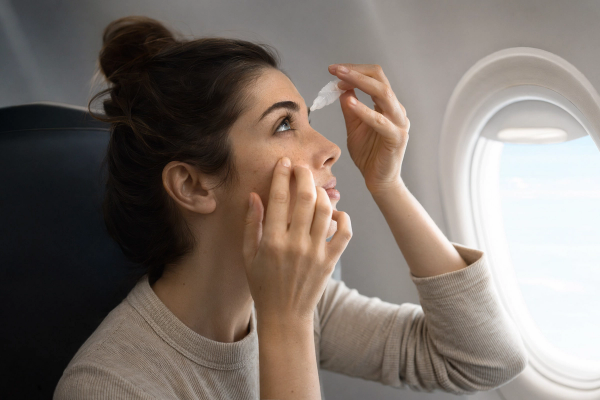
I used to be weirdly casual about travel health. Like... passport, charger, a few clothes, done. Then I had one awful trip to India where I got dehydrated in the first week, ate something my stomach clearly considered a personal attack, and spent way too much time hunting for a pharmacy while feeling half-dead. Since then, me and my family got a lot more serious about the whole medical kit thing. Not paranoid-serious, just practical. If you're a foreigner or an NRI going to India in 2026, having a proper travel medical kit is honestly one of those boring decisions that can save your trip.
And quick note before I get into it, because this matters, I'm not your doctor. This is based on current travel health guidance, pharmacy realities, and what people actually end up needing. Use this as a smart starting point, then check your own meds, conditions, vaccine status, allergies, pregnancy stuff, whatever applies to you. Travel medicine is personal. Very personal sometimes.
Why India needs a slightly different kind of travel medical prep
#India is amazing, chaotic, beautiful, exhausting, healing, overstimulating, delicious... all at once. But it's also a place where climate, food, air quality, mosquito exposure, long train rides, traffic delays, altitude in some regions, and basic changes in routine can hit your body harder than you expected. Even healthy people feel it. Jet lag plus heat plus spice plus questionable hand hygiene equals, well, not your best self.
Also, India has excellent hospitals in many cities, and urban pharmacies can be very good, but access varies a lot depending on where you are. If you're in Mumbai or Bengaluru, fine, probably easier. If you're in rural Uttarakhand, on a road trip in Rajasthan, or visiting older relatives in a smaller town during a holiday weekend... yeah, different story. I learned this while trying to find a very basic oral rehydration solution late at night. It was not fun lol.
First, the not-so-glamorous but most important bit: pre-trip health planning
#The best medical kit starts before you even pack it. Current travel medicine advice still says to review routine vaccines before India travel. That means things like measles-mumps-rubella, tetanus-diphtheria-pertussis, varicella, flu, and the current COVID booster if you're eligible and it fits your risk profile. For India specifically, many travelers are also advised to discuss hepatitis A and typhoid vaccination, because food and water exposure is a real thing. Hepatitis B may matter too, especially for longer stays, medical care access, tattoos, sexual exposure, or frequent travel. Rabies vaccine is worth discussing if you'll be around animals, doing outdoor travel, cycling, or spending lots of time in areas where quick post-exposure care might be delayed.
And malaria? This is where people get confused. It's not a blanket yes-or-no for all of India. Risk depends heavily on state, season, altitude, and exactly where you're going. In 2026, travel clinics are still using destination-specific malaria guidance, not broad scare tactics. Some travelers need mosquito precautions only, others may need prescription malaria prevention. Same with Japanese encephalitis, it depends on longer rural exposure, monsoon season, and itinerary details. This is why a proper pre-travel consult, ideally 4 to 8 weeks before departure, is kinda underrated.
My rule now is simple: if I would be stressed trying to find it at 10:30 pm in a place I don't know, it goes in the kit.
What goes in my core India travel medical kit, no matter what
#I keep this part boring and evidence-based because boring works. Start with your regular prescription meds in original labelled containers, plus copies of prescriptions and generic names. Generic names matter a LOT overseas. Bring extra too. Most travel health experts still recommend enough for your whole trip plus at least a week more for delays. If you use inhalers, insulin, migraine meds, thyroid pills, blood pressure meds, SSRIs, epilepsy meds, any of that, do not assume you'll just buy the exact same thing there. Sometimes you can, sometimes you can't, and sometimes the brand names throw you off.
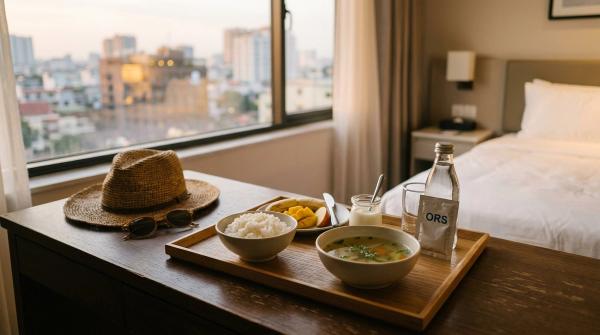
- Oral rehydration salts, more than you think you need. Honestly one of the best things in the bag.
- Loperamide for urgent diarrhea control during travel days, but not as a way to ignore severe illness
- A doctor-approved antibiotic for moderate to severe travelers' diarrhea if your clinician thinks it's appropriate for your itinerary
- Acetaminophen or paracetamol, and/or ibuprofen if you normally tolerate it
- An antihistamine for allergies, itching, mild rashes, insect bites
- Motion sickness meds if Indian roads are going to be part of your life. Trust me on this one
- Simple antacid or reflux medicine because rich food plus odd mealtimes can be a whole drama
- Bandages, blister pads, gauze, tape, antiseptic wipes, a small antibiotic ointment if you use one
- Digital thermometer
- Mosquito repellent with DEET, picaridin, or IR3535 and maybe permethrin-treated clothing or spray for gear
- Hand sanitizer and a few masks for crowded transport or bad air days
- Sunscreen and lip balm because heat and sun in India can sneak up on you fast
I also pack a tiny pulse oximeter sometimes if I'm going to altitude or traveling with older parents, though not everyone needs that. And if you wear glasses or contacts, backup lenses and solution should absolutely be in the health pouch, not buried somewhere random. Ask me how I know. Actually don't.
The stomach section, because let's be real, this is what most people worry about
#Travelers' diarrhea is still one of the top health issues for visitors to South Asia, even though people are more aware now and hotel standards are better in lots of places. The big 2026 trend in travel wellness isn't pretending you'll never get sick, it's resilience and early response. Meaning, don't panic, but do prepare. Current best practice is still heavy on hydration, oral rehydration salts, rest, and careful use of meds.
A lot of doctors now emphasize not overusing antibiotics, which I think is a good thing. Antimicrobial resistance is a huge global issue, and South Asia has been one of the regions where resistant gut infections are a real concern. So the newer vibe, if I can call it that, is more targeted use. Mild diarrhea often doesn't need antibiotics. But bloody diarrhea, high fever, severe cases, dehydration, or symptoms that interfere with travel plans in a serious way may justify a standby prescription your doctor discussed with you before the trip. The exact antibiotic choice depends on local resistance patterns and your medical history, so don't just copy someone's old blog post from 2019. A lot changed.
For me, the game changer was carrying ORS and actually starting it early instead of waiting till I felt dramatic and faint. I used to think sports drinks were enough. Sometimes they help, sure, but they aren't the same thing as proper oral rehydration solution in a GI situation. Small thing, big difference.
Respiratory stuff is more common than people think
#People always focus on food poisoning, but honestly, coughs, sore throats, colds, and pollution-triggered breathing issues are super common on India trips too. Flights, AC trains, hotel air-conditioning, dust, festival smoke, seasonal viral waves, and crowded indoor spaces all add up. In several Indian cities, air quality can still swing badly depending on season, traffic, crop burning patterns, and weather. If you have asthma, allergies, chronic sinus issues, or even just sensitive lungs, pack for that on purpose, don't wing it.
I bring saline nasal spray, my allergy meds, and a proper N95 or equivalent for bad-air days or packed transit hubs. Not every day, not in a dramatic way, just when needed. Some 2026 wellness people are very into wearable air-quality alerts and respiratory tracking apps now, and honestly... a bit nerdy, but not useless. If you know you react badly to smoke or particulate pollution, planning around AQI can be smarter than pretending you're above it.
Mosquitoes, bites, and the thing everyone says they care about but then forgets at dusk
#Mosquito prevention is one of those areas where people get lazy till they get bitten 14 times at dinner. Dengue remains a concern in many parts of India, and unlike malaria, dengue prevention is really about avoiding bites because there isn't a simple pill strategy for most travelers. Chikungunya is also still around in some areas. So yes, repellents matter. Long sleeves in the evening matter. Choosing accommodation with screens or AC helps. If you're staying with relatives, it can feel awkward being the one spraying repellent while everyone else acts invincible, but do it anyway.
And please don't forget bite aftercare. Hydrocortisone cream, antihistamine, calamine if you like it, and basic wound care help stop you from scratching bites into infected little messes. That happend to my cousin once and it was so avoidable.
If you're visiting family, your kit should be bigger. Yeah, bigger.
#This is especially true for NRIs. Family trips are not normal vacations. You may be going to weddings, religious events, crowded homes, long drives, spontaneous outings, emotional reunions, weird meal timing, and a thousand people telling you to eat more. There may be older relatives with chronic illness, children with sniffles, and zero chance of maintaining your usual sleep schedule. Whenever I visit family in India, I end up sharing half my kit. Not ideal, but it happens every single time.
So now I add extras: more pain reliever, more bandages, more ORS, extra masks, a spare thermometer, menstrual products even if I think I won't need them, and backup chargers for medical devices. If you travel with kids or elderly parents, your kit basically doubles. Maybe triples. It's annoying to pack but you'll thank yourself later.
A few 2026 wellness trends I think are actually useful, and a few that are kinda overhyped
#Right now there's a lot of talk in wellness circles about gut health, circadian alignment, hydration multipliers, stress biomarkers, travel-friendly wearables, and immunity routines. Some of this is useful, some of it is marketing wearing a yoga outfit. The useful parts, in my opinion, are these: prioritizing sleep before departure, hydration before and during flights, protein and fiber at regular meals when possible, walking after long travel days, and avoiding the 'I landed so now I must do everything immediately' mistake. Your immune system and gut genuinely do better when you're not wrecking yourself.
There's also increasing interest in microbiome resilience, but please don't start random probiotic regimens just because TikTok said so. Evidence is mixed and strain-specific. Some travelers feel probiotics help, others don't notice much. If you've used one successfully before, fine. But I wouldn't build my whole India health strategy around fancy sachets. ORS, safe food habits, and rest still beat trendiness. Every time.
One modern thing I do like is storing medical info offline in my phone: allergies, blood group if known, medication list, insurance, emergency contacts, and nearby hospital names for the cities I'm visiting. That feels very 2026 in a good way, not in a gimmicky way.
Food and water rules I follow now, even if I break them a little sometimes
#Okay, so the classic advice is boil it, cook it, peel it, or leave it. Still solid. I mostly drink sealed bottled water from reputable sources or properly filtered safe water where I trust the setup. I avoid ice unless I'm confident about the place. I eat hot freshly cooked food over stuff sitting out. Street food? Depends. This is where I slightly contradict myself because some of the best food experiences in India are street food experiences, and I do eat it sometimes. But I choose busy stalls with high turnover, visibly hot food, and decent hygiene. You can call it intuition, but it's really just cautious greed.
Raw salads, cut fruit from unknown places, and unrefrigerated dairy are the things I personally get most suspicious about. Not because they're always unsafe, just because they're common troublemakers for travelers. Also wash hands more than you think. Hand sanitizer is great when you're out, but soap and water still wins when available.
Red flags that mean stop self-treating and get medical help
#This part matters a lot. A travel medical kit is for minor stuff and early support, not for playing doctor through serious illness. Get medical care urgently if you have severe dehydration, confusion, chest pain, shortness of breath, oxygen concerns, high fever that persists, bloody diarrhea, black stools, severe abdominal pain, signs of heatstroke, worsening asthma, seizure, a significant animal bite, or any rapidly spreading rash with fever. Same if a child, older adult, pregnant traveler, or immunocompromised person is getting sick. Don't tough it out to avoid 'ruining the trip.' A ruined day is better than a ruined health situation.
India has many excellent private hospitals in major cities, and telemedicine access is better than it used to be, but travel insurance details can be confusing when you're stressed. So keep your insurance info easy to find. I print it and save it on my phone because, yes, I am that person now.
My packing checklist, the version that's actually realistic
#- Your daily prescription meds, plus extra, plus copies of prescriptions with generic names
- ORS packets, diarrhea meds, and any doctor-approved standby antibiotic
- Pain and fever meds, antihistamine, reflux med, motion sickness tablets
- First-aid basics, thermometer, insect repellent, sunscreen
- Masks, sanitizer, wipes, allergy or asthma supplies if relevant
- Period products, condoms if needed, and anything skin-related you rely on
- A tiny card or phone note with conditions, allergies, meds, emergency contacts
If you have diabetes, severe allergies, heart disease, immune suppression, pregnancy, kidney issues, or you're traveling with babies, I'd go one step further and ask your clinician for a customized kit list. That's not me being dramatic. That's just sensible.
The thing I wish more travelers understood
#A medical kit isn't negative thinking. It isn't expecting disaster. It's just a way of making your trip gentler on your body. India can be incredibly joyful and also physically intense, sometimes within the same afternoon. When you're prepared, you enjoy more and panic less. That's really the whole point.
Anyway, that's my slightly obsessive, very lived-in take on the India travel medical kit for foreigners and NRIs in 2026. Pack the practical stuff, update your vaccines, don't get cocky about dehydration, and respect mosquitoes more than your ego wants to. If you like this kind of real-world health-and-travel rambling, you can poke around AllBlogs.in too, there's usually something useful there.