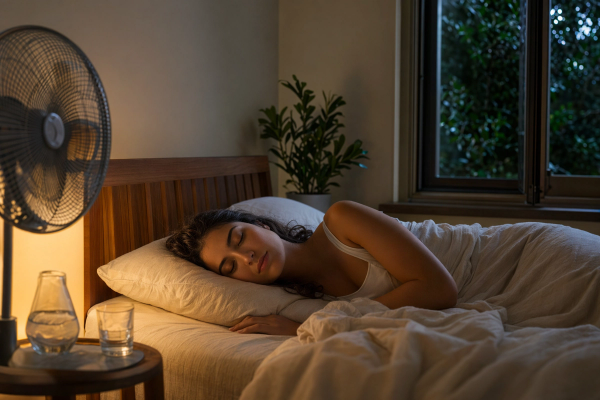
I used to think summer nosebleeds were just one of those weird body glitches. Like, annoying but random. Then a couple years back I was standing in my kitchen during a brutal heat wave, reaching for iced water, and boom... blood. Not dramatic-movie blood, just enough to make me go, uh, what the heck is happening. If you've ever had that happen when it's hot out, you're really not alone. Nosebleeds in warm weather are super common, and while most are harmless, they can still be unsettling in a very specific, messy, inconvenient way.
The short version is this: hot weather can dry and irritate the delicate lining inside your nose, and that lining has a ton of tiny blood vessels sitting close to the surface. When those little vessels crack or get inflamed, you bleed. Simple-ish. But also not always simple, because heat often shows up with dry air, dehydration, more allergies, more outdoor exercise, more nose blowing, more AC blasting in your face, and sometimes meds that make bleeding easier. So it's usually not just the heat. It's the whole hot-weather package deal.
Why summer seems to set your nose off
#Most nosebleeds start in the front part of the nose, an area packed with tiny fragile blood vessels. Doctors often call these anterior nosebleeds, and they're the kind most people get. In hot weather, the inside of the nose can dry out faster, especially if you're moving between scorching outdoor air and aggressively air-conditioned rooms. Dry tissue gets cracked, irritated, and honestly kinda grumpy. Add rubbing, sneezing, blowing your nose too hard, or even just absentminded picking, and there you go.
I didn't realize for the longest time that dehydration can play into this too. When you're even mildly dehydrated, your mucous membranes can dry out, including the inside of the nose. That's one reason heat waves can be rough. And in 2026, with more public health warnings around extreme heat and climate-related health issues, a lot of clinicians have been talking more about these small-but-real heat effects, not just heat stroke and dehydration but the less dramatic stuff too, like dry eyes, headaches, skin irritation, and yep, nosebleeds.
- Hot air can dry the nasal lining
- Air conditioning can make indoor air extra dry too
- Dehydration means less moisture in those nasal tissues
- Allergies, smoke, dust, and pollution can inflame the nose even more
- More wiping and blowing = more mechanical irritation
The actual causes... because it's usually not just "the weather"
#So, yes, hot weather is a trigger, but usually there are layers to it. Allergic rhinitis is a big one. If your nose is already inflamed from pollen, grass, mold, or summer air quality issues, those blood vessels are more likely to bleed. Same goes for viral colds, sinus irritation, and dryness from frequent travel. Airplane cabins are dry, hotel AC is dry, your body is confused, and then suddenly your nose is acting like a leaky faucet. Been there, not fun.
Then there are medications and health conditions. Blood thinners, aspirin, some anti-inflammatory meds, nasal steroid sprays if used incorrectly, and even overuse of decongestant sprays can make bleeding more likely. High blood pressure doesn't usually directly cause common little nosebleeds, but if you already have one, uncontrolled blood pressure can make it seem worse or harder to stop. And if someone gets frequent bleeds, super heavy bleeding, easy bruising, or bleeding from other places too, that needs proper medical evaluation. Don't just shrug that off because it's summer.
A hot day might be the spark, but dry tissue, dehydration, allergies, meds, and irritation are often the real pile of kindling underneath it.
What a normal hot-weather nosebleed usually feels like
#Usually it's one nostril. It may start after being outside, after a shower, after exercise, or weirdly after bending down. Sometimes you just taste blood in the back of your throat first, which is gross, sorry, but true. Most common nosebleeds are from the front of the nose and stop within 10 to 20 minutes with proper pressure. That's the key phrase there, proper pressure, because I swear so many of us were taught the wrong thing as kids.
What you should actually do when one starts
#Sit upright and lean slightly forward. Not back. Definitely not flat on the couch scrolling your phone while swallowing blood and pretending it's fine. Pinch the soft part of your nose, just below the bony bridge, and hold steady pressure for 10 to 15 minutes without constantly checking. Breathe through your mouth. A cool compress on the nose or cheeks can help you feel less panicky, though the pressure is the main thing. If it's still bleeding, keep pressure for another 10 to 15 minutes.
- Lean forward a little so blood doesn't run down your throat
- Pinch the soft part of the nose continuously for at least 10 to 15 minutes
- Don't keep letting go to check every 30 seconds — that just messes up clotting
- Avoid hard blowing, picking, heavy lifting, or hot showers afterward for several hours
And, um, one thing I learned from an ENT video and then later from a nurse practitioner: if you use a nasal spray for a bleed, it should only be under guidance and not as some random internet hack. Some clinicians may recommend certain sprays in specific situations, but it isn't a one-size-fits-all DIY thing. If you're bleeding a lot or often, get actual advice, not just comment-section medicine.
What prevention really looks like in hot weather
#Honestly, prevention is kind of boring. Effective, but boring. Moisture is the whole game. Staying hydrated matters, though it's not a magic shield. What made the biggest difference for me was treating my nose like dry skin. You don't wait till your hands crack open in winter to moisturize them, right? Same idea. Saline spray a few times a day during hot, dry stretches can help keep the nasal lining moist. Some people also use saline gel or a thin layer of nasal moisturizing gel inside the nostrils, especially at night.
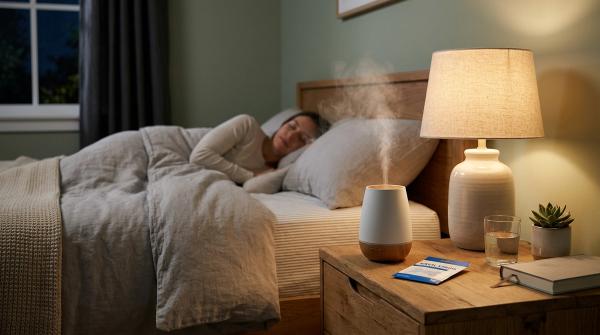
A humidifier helps too, especially if you sleep with AC on. This has become weirdly trendy again in wellness circles in 2026, and for once I think the trend is actually useful, not just expensive nonsense with LED lights. The catch is you have to clean the humidifier properly or you can end up blowing mold and bacteria around, which kinda defeats the point. So yes, use one if your room is dry, but don't let it turn into a science project.
- Drink fluids consistently through the day, not just after you already feel wiped out
- Use saline mist or saline gel if your nose gets dry a lot
- Run a clean humidifier in very dry indoor spaces
- Keep indoor air from getting too cold and dry if you can
- Trim nails for kids who nose-pick... and adults too, no judgement
- Manage allergies so you're not constantly rubbing and blowing your nose
The allergy connection is bigger than people think
#If you get summer allergies, this part matters a lot. Inflammation makes the inside of the nose more fragile, and constant sneezing or wiping just adds friction. A lot of people use nasal steroid sprays, which can be really helpful, but technique matters more than folks realize. If you spray straight toward the middle wall of the nose every day, you can irritate that area and make bleeding more likely. The usual advice is to angle the spray slightly outward, away from the septum. Tiny adjustment, big difference.
There've also been more conversations lately about air quality and wildfire smoke exposure, which, sadly, is a very current issue in a lot of places. Smoke and particulate pollution can irritate the airway and nose even if you don't have classic allergies. So if your summer nosebleeds seem worse on smoky or high-pollution days, that's not your imagination. Checking your local air quality index before outdoor workouts is one of those low-effort wellness habits that's actually worth doing.
A few newer wellness trends for 2026 that are actually helpful... and a few that are meh
#Since everybody wants the 'latest' health thing now, here's my honest take. The current shift toward micro-hydration habits instead of chugging giant bottles twice a day? Helpful. Keeping electrolytes around during extreme heat if you're sweating a lot? Also helpful for some people, especially athletes or outdoor workers, though plain water is often enough for routine daily life. Air quality apps, sleep humidity monitors, and simple heat-risk alerts on wearables are more mainstream in 2026, and I actually think those can help people notice patterns — like, wow, my nosebleeds happen on very dry high-AC days after outdoor runs.
What I'm less convinced by is the fancy supplement side of the wellness internet claiming every nosebleed means some dramatic vitamin deficiency or 'adrenal burnout' or whatever phrase is trending this week. Sure, nutritional issues can matter in some cases, and if someone has poor diet, chronic illness, or signs of deficiency, that's a real conversation to have with a clinician. But for most summertime nosebleeds, the explanation is way more ordinary: dry irritated tissue. Not everything needs to become a biohacking saga.
When a nosebleed is not normal and you should get checked
#Most nosebleeds are minor. I wanna say that clearly, because people either panic or ignore them completely, and both are kinda understandable. But there are times when you need medical help. If bleeding doesn't stop after about 20 minutes of firm, continuous pressure, get urgent care. Same if the bleeding is very heavy, follows a significant injury, or you're feeling faint, weak, short of breath, or like your heart is racing. If blood is pouring down your throat, or both nostrils are involved with a lot of bleeding, don't mess around.
Also, please get evaluated if you have frequent nosebleeds, like recurring episodes over days or weeks, especially if you take blood thinners, have clotting issues, uncontrolled high blood pressure, liver disease, chronic nasal symptoms, or a family history of bleeding disorders. Kids can get repeated nosebleeds from dryness and nose-picking, yes, but frequent cases still deserve a look. And in older adults, recurrent bleeds should never be brushed off as 'just heat' without considering meds and other causes.
- Get urgent help if it won't stop after 20 minutes of proper pressure
- Go sooner if bleeding is heavy, you feel faint, or it happened after trauma
- Talk to a doctor if nosebleeds are frequent, one-sided, or keep coming back
- Mention all meds and supplements, even the 'natural' ones
Stuff I do now when it's really hot out
#This isn't some perfect routine, because lol, I am not that organized. But when summer gets brutal, I do a few things on purpose now. I keep saline spray by the bed and in my bag. I drink water earlier in the day instead of trying to catch up at 4 pm when I'm already headachy. I lower the AC a little less aggressively at night. If my allergies are acting up, I actually use my meds correctly instead of randomly. Revolutionary, I know. And if my nose feels dry, I take that seriously before it turns into a blood-on-your-shirt kind of morning.
One weird thing I noticed, and maybe this is just me, but super hot showers after being out in dry heat seem to make my nose more likely to bleed. The combo of heat plus steam plus then drying out after? I dunno. So I keep showers warm, not volcanic. Little tweaks like that sound silly until they save you from standing over the sink with tissue stuffed in your face before work.
If you're a parent, athlete, or someone working outdoors
#Kids get nosebleeds a lot in hot weather because they get dry, they rub their nose, they pick their nose, and they somehow always manage to dehydrate themselves while insisting they are 'fine'. Outdoor athletes and labor workers have a different issue: long heat exposure, sweat losses, dust, wind, sun, and heavy breathing through the nose and mouth. If that's you, prevention needs to be more intentional. Build in hydration breaks, use shade when possible, protect against dust or smoke exposure, and don't ignore repeated bleeding as just part of the grind.
I've seen more coaches and workplace wellness programs talking about heat adaptation in 2026, which is a good thing. The message is finally moving beyond 'drink more water' into practical stuff like acclimatization, air quality awareness, recovery, and recognizing early signs of heat-related stress. Nosebleeds aren't the most dangerous heat symptom, obviously, but they can be a clue that your body and environment are a rough match right now.
Final thoughts, basically
#So why do you get nosebleeds in hot weather? Usually because heat sets up the perfect little storm: dry air, dried-out nasal tissue, dehydration, irritation, allergies, and maybe a few habits that your nose absolutely hates. The good news is most of the time it's manageable. Moisturize the nose, hydrate, handle allergies, use pressure the right way if a bleed starts, and know the red flags that mean it's time to get checked. That's really the heart of it.
And if you're reading this because you had a random summer nosebleed and instantly assumed something was terribly wrong... I get it. I really do. Bodies are odd, and bleeding from your face is never gonna feel casual. But most of the time there is a pretty understandable reason, and there are simple things that help. Anyway, that's what I've learned after way too many tissues, a bit of trial and error, and a lot of reading. If you like health stuff explained in a normal-human way, poke around AllBlogs.in too — I've found some genuinely useful wellness reads there.