Quick answer
#Hotel breakfast with diabetes is a lot easier when you don’t try to “wing it” on an empty stomach.
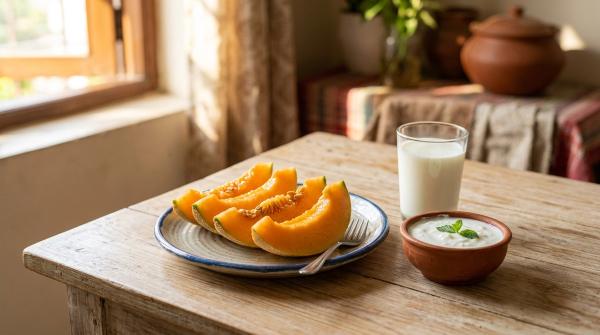
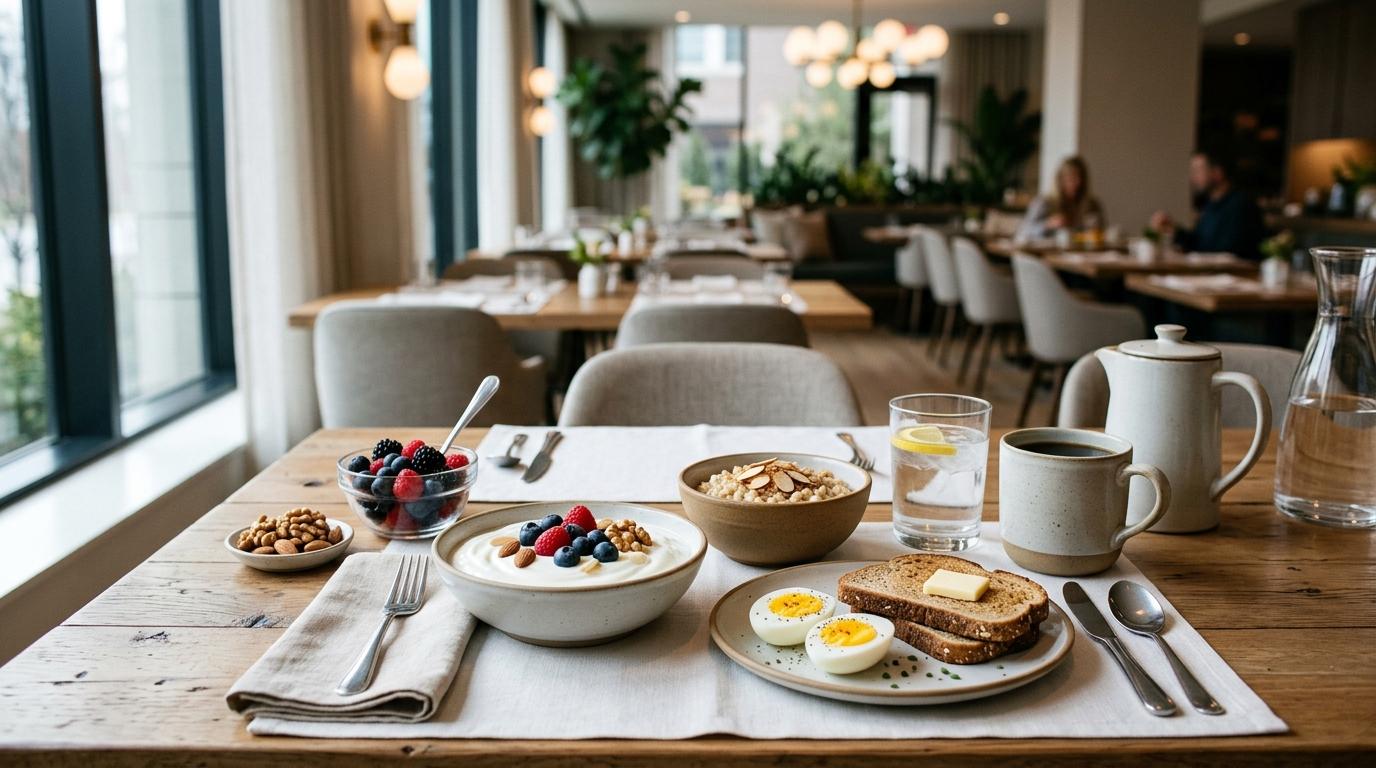
A steady breakfast usually has three things: protein, fiber, and a reasonable portion of carbohydrate. That might look like eggs with vegetables and one slice of whole-grain toast, plain yogurt with berries and nuts, or plain oatmeal with peanut butter, seeds, or a boiled egg on the side.
At a buffet, take a lap before you fill your plate. Pick your protein first, add fruit or vegetables, then choose one main carb. At a bakery, you don’t have to skip the local pastry forever, but it helps to split it, choose something savory, or pair a smaller baked item with protein. And if you have an early tour, keep a backup breakfast or snack in your bag so you’re not stuck with whatever happens to be open at 6 a.m.
This is general information, not medical advice. If you use insulin or take medication that can cause low blood sugar, ask your doctor, dietitian, or diabetes educator how to handle meal timing, snacks, activity, and travel days.
Hotel breakfast can feel weirdly stressful
#Hotel breakfast should be simple. You walk downstairs, get food, drink coffee, start your day.
But if you have diabetes or prediabetes, it can feel like a pop quiz you didn’t study for.
There’s the waffle maker. A tray of muffins. Bagels. Sweet cereal. Juice. Maybe some eggs. Maybe yogurt, but it’s the sugary kind. You’re tired from travel, hungry, and trying to make a decent decision while other people are happily piling pastries onto their plates.
The goal is not to eat perfectly. Travel rarely works that way.
The goal is to eat in a way that helps you feel steady, satisfied, and ready for the next few hours — not shaky, sleepy, starving again an hour later, or dealing with a blood sugar roller coaster.
You can eat at hotel buffets. You can enjoy bakery breakfasts. You can manage early mornings. It just helps to have a loose plan before you’re standing in front of the croissants with an empty plate.
The hotel breakfast mindset
#Most hotel breakfasts are designed to be cheap, fast, and easy to serve. That doesn’t make them bad, but it does mean many of the easiest options are mostly refined carbs with very little protein or fiber.
Common breakfast traps include:
- Large muffins and pastries
- Bagels with jam, honey, or sweet spreads
- Sweetened yogurt cups
- Sugary cereal
- Fruit juice
- Waffles or pancakes with syrup
- Potatoes plus toast plus a pastry
- Taking “just a little” of everything until the plate is mostly carbs
A more useful question than “What am I allowed to eat?” is:
“What will keep me full and steady for the next few hours?”
For many people, that means starting with protein, adding fiber, choosing one main carbohydrate, and skipping sugary drinks most of the time.
A simple hotel buffet formula
#The easiest buffet mistake is grabbing a plate and starting at the first thing you see.
Instead, do a quick walk-through first. Look at the hot foods, cold foods, fruit, breads, yogurt, toppings, and drinks. Then build your plate in this order.
1. Pick your protein first
#Look for:
- Scrambled eggs
- Boiled eggs
- Omelets
- Plain Greek yogurt
- Cottage cheese
- Smoked salmon, if available
- Nuts or seeds as toppings
Protein makes breakfast more filling and can help balance a meal that includes carbohydrates. If there’s an omelet station, ask for vegetables. If the only protein option is eggs, that’s still a useful start.
2. Add something with fiber and color
#Next, look for fruit or vegetables.
Good options might include:
- Berries
- Apple slices
- Whole apples
- Tomatoes
- Mushrooms
- Spinach
- Peppers
- Plain sautéed vegetables
- Salad items, if the hotel offers them at breakfast
Whole fruit is usually a better choice than juice because it still has fiber. If the fruit is canned in syrup, fresh fruit is usually the better pick if it’s available.
3. Choose one main carb
#This is where buffet breakfasts can quietly get out of hand.
Toast, potatoes, cereal, oatmeal, pancakes, pastries, and fruit can all land on the same plate before you’ve really thought about it.
Instead, pick one main carbohydrate.
Examples include:
- Plain oatmeal
- One slice of whole-grain toast
- A small serving of potatoes
- A small piece of fruit with yogurt
- Half a bagel
- A small portion of unsweetened cereal, if that’s the best option
If you choose oatmeal, keep it plain if you can. Add peanut butter, nuts, seeds, or yogurt instead of brown sugar, syrup, or sweet toppings.
4. Add a little fat for staying power
#A small amount of fat can make breakfast more satisfying.
Look for:
- Peanut butter
- Almond butter
- Nuts
- Seeds
- Avocado, if available
- A modest amount of cream cheese
This doesn’t mean loading up on every topping. Just add a small portion of something that helps the meal last longer.
5. Choose a drink that doesn’t add a sugar rush
#Breakfast juice can look harmless, but it can add a lot of sugar quickly and doesn’t give you the fiber you’d get from whole fruit.
Steadier choices include:
- Water
- Sparkling water
- Unsweetened tea
- Coffee without sweet syrups
- Milk, if it fits your meal plan
If you really want juice, consider a small serving and drink it with food instead of on its own.
Easy buffet plate ideas
#Here are a few combinations that work at many hotels.
Eggs and toast
#- Eggs or an omelet with vegetables
- One slice of whole-grain toast
- Berries or a small piece of fruit
- Coffee, tea, or water
Yogurt bowl
#- Plain Greek yogurt
- Berries or chopped apple
- Nuts or seeds
- A small spoonful of plain oats, if available
If plain yogurt is available, it’s usually a better choice than fruit-on-the-bottom yogurt, which can be much sweeter than it looks.
Oatmeal with backup
#- Plain oatmeal
- Peanut butter, nuts, or seeds
- A boiled egg on the side, if available
- Water, coffee, or tea
Plain oatmeal alone may not keep you full for long, so add protein or fat where you can.
The “this buffet is mostly pastries” plate
#If the options are limited, aim for the best mix you can:
- Boiled egg, if available
- Whole fruit
- Peanut butter packet
- Half a piece of toast or half a bagel
- Water or unsweetened coffee
It may not be perfect, but it’s usually steadier than a muffin and juice.
Bakery breakfast tips for diabetes-friendly travel
#A bakery breakfast can be one of the best parts of a trip. It can also get tricky if breakfast becomes one giant sweet pastry and a sweet coffee drink.
You don’t have to ban croissants, buns, muffins, or local specialties. The trick is to choose them on purpose instead of letting hunger make the decision for you.
Better bakery moves
#Try this:
- Choose a savory item when one is available.
- Split a pastry with someone.
- Pair bread or pastry with protein, such as eggs, cheese, yogurt, or nuts.
- Pick a smaller baked item instead of the biggest muffin or roll.
- Skip sweet drinks if the food is already sweet.
- Keep coffee simple instead of adding flavored syrups and whipped toppings.
Bakery foods to limit, split, or save for later
#These can be easy to overdo, especially on an empty stomach:
- Oversized muffins
- Glazed doughnuts
- Sweet rolls
- Danishes
- Croissants filled with chocolate or sweet cream
- Sweet breads with icing
- Bagels with jam or honey
- Sweet coffee drinks
- Bottled fruit juices
These foods are not “forbidden.” But if one is truly worth it, enjoy a smaller portion and balance the rest of the meal.
More balanced bakery combinations
#At a bakery or café, look for options like:
- A savory egg sandwich, open-faced if the bread portion is large
- Plain coffee with a small pastry shared with a travel partner
- Whole-grain toast with peanut butter, if available
- Yogurt with nuts and fruit, if it isn’t heavily sweetened
- Cheese or egg with a smaller bread portion
- Half a bagel with cream cheese plus an egg, if available
And if the only realistic choice is a pastry? Don’t panic. Eat it slowly, split it if you can, and make your next meal more balanced.
Foods to limit, split, or choose carefully
#Hotel breakfast has a lot of foods that look small but add up quickly. You don’t need to avoid all of them forever. Just be choosy about which ones are worth it.
Limit or split most of the time
#- Large muffins
- Pastries
- Waffles with syrup
- Pancakes with syrup
- Sugary cereal
- Granola with added sugar
- Sweetened yogurt
- Fruit juice
- White bagels
- Toast with jam or honey
- Large servings of breakfast potatoes
- Sweet coffee drinks
Watch the “healthy-looking” options
#Some foods sound balanced but can still be sweet or carb-heavy.
Be aware of:
- Yogurt parfaits with sweetened yogurt and sugary granola
- Smoothies made mostly with juice or sweetened yogurt
- Instant oatmeal packets with added sugar
- Large bowls of granola
- Dried fruit toppings
- “Bran” muffins that are still large and sweet
When in doubt, choose the plain version and add your own toppings.
Hotel room breakfast options
#Sometimes the buffet just doesn’t work. Maybe it opens too late. Maybe the choices are mostly white toast, sugary cereal, and pastries. Or maybe you simply prefer eating in your room before a long day.
A small hotel-room breakfast kit can make travel mornings much easier.
If you have a mini-fridge
#Useful options include:
- Plain Greek yogurt
- Cottage cheese
- Boiled eggs from a grocery store or hotel market
- Cheese sticks
- Fresh fruit
- Cut vegetables
- Milk or unsweetened milk alternatives, if they fit your plan
Easy room breakfasts:
- Plain yogurt with nuts and berries
- Boiled eggs with fruit
- Cottage cheese with berries
- Apple with peanut butter
- Cheese stick with whole-grain crackers, if tolerated
If you only have a coffee maker or kettle
#You can still pull together something simple.
Pack or buy:
- Plain instant oatmeal
- Nuts
- Seeds
- Peanut butter packets
- Shelf-stable protein options that work for you
- Whole fruit
- High-fiber crackers, if they fit your plan
Try:
- Plain oatmeal with peanut butter
- Plain oatmeal with nuts and seeds
- Apple with nut butter
- Nuts plus fruit
- A protein bar with water or coffee
Choose protein bars carefully. Some are basically candy bars with better branding. Pick ones that fit your meal plan and don’t upset your stomach while traveling.
Early tour backup snacks
#Early tours are where a little planning really pays off.
If your bus leaves before breakfast opens, don’t assume you’ll find something balanced at the meeting point. You might find coffee and pastries. You might find nothing.
Pack a small backup before you go to sleep.
Good travel breakfast backups may include:
- Mixed nuts
- Pumpkin seeds
- Peanut butter or almond butter packets
- Roasted chickpeas
- Roasted edamame
- A protein bar that fits your meal plan
- Whole-grain crackers with nut butter
- An apple or banana from the night before
- A boiled egg, if you have safe refrigeration
If you take insulin or medication that can cause low blood sugar, follow your clinician’s advice about carrying fast-acting treatment and timing your meals. Travel days can mean extra walking, delayed meals, heat, stress, and schedule changes. It’s better to have something with you.
A quick night-before routine
#Before an early morning, take five minutes to set yourself up.
- Check what time breakfast opens.
- Ask whether the hotel has grab-and-go options.
- Fill your water bottle if the drinking water is safe.
- Put snacks in your day bag.
- Refrigerate anything that needs to stay cold.
- Keep your glucose meter or supplies easy to reach, if you use them.
This tiny routine can save you from a rushed, stressful breakfast decision.
Questions to ask hotel staff
#Hotel staff are used to food questions. You don’t need to explain your whole medical history. A simple, specific question is enough.
Try asking:
- “Do you have plain yogurt available?”
- “Are there boiled eggs today?”
- “Can I get eggs without added sauce or sweet toppings?”
- “Do you have whole-grain bread?”
- “Is there any unsweetened oatmeal?”
- “Is the fruit fresh or packed in syrup?”
- “Do you have peanut butter or nuts?”
- “Is there a grab-and-go breakfast for early departures?”
- “Can I take a piece of fruit for an early tour tomorrow?”
- “Is there a mini-fridge available in the room?”
If you want to mention diabetes, keep it simple: “I have diabetes and I’m trying to avoid sweetened options. Is there anything plain available?”
Common hotel breakfast mistakes
#Mistake 1: Drinking your carbs first
#Juice, sweet coffee drinks, and sweet smoothies can add sugar quickly and may not keep you full. Choose whole fruit more often than juice.
Mistake 2: Building an all-beige plate
#Toast, potatoes, pastry, cereal, and pancakes can all end up on the same plate at a buffet. Add protein and produce first, then choose one main carb.
Mistake 3: Trusting the word “healthy”
#Granola, bran muffins, fruit yogurt, and smoothies can still be sweet. Look at the actual food, not just the label.
Mistake 4: Waiting too long to eat
#Travel mornings can stretch out. Delayed meals may lead to overeating later or feeling unwell, especially if you take diabetes medication. Follow your care plan and carry backup food.
Mistake 5: Skipping breakfast without a plan
#Some people do fine with a later first meal. Others don’t. If skipping breakfast affects your blood sugar, energy, medication timing, or mood, plan a simple backup.
A simple decision guide
#When you walk into a hotel breakfast, ask yourself:
- What protein is available?
- What fruit or vegetable can I add?
- What one carb do I actually want?
- What drink won’t add extra sugar?
- Do I need a snack for later?
That’s enough. You don’t need to analyze every item on the buffet.