If you’ve ever lived in an Indian hostel during monsoon, you already know it’s not just “romantic rain, chai, and lo-fi music.” That’s Instagram. Real hostel monsoon is damp socks hanging from window grills, three people fighting over one working plug point, that one corner of the room turning suspiciously green, and your notes becoming wavy like papad because you left them near the window. I learnt this the hard way in my first year, when I thought one umbrella and a plastic folder was enough preparation. Cute. Very innocent of me. By the second week of July, my slippers were permanently wet, my towel smelled like a defeated animal, and my roommate’s laptop charger sparked once during a thunderstorm. We laughed, but also... not funny, actually.
So this is my proper, slightly over-prepared but very real Indian hostel room monsoon checklist for students. I’m writing it the way I wish someone had explained it to me before I moved into a hostel. Not a fancy Pinterest checklist. More like, “bhai, please buy this before the first big rain or you’ll regret it.” And in 2026, honestly, hostel life has changed a little. We’ve got UPI for literally everything, weather alerts on phones, college WhatsApp groups, quick-commerce in many cities, USB-C chargers everywhere, 5G that works beautifully until you enter your room, and still somehow the same old damp walls and leaking windows. Progress, but selectively.
First Things First: Understand Your Room Before the Rain Starts
#Before you buy anything, just stand inside your room and inspect it like a suspicious aunty. I mean it. Look at the ceiling corners, the window frame, the plug points, the wall behind your bed, the cupboard back panel, under the study table, and near the bathroom wall if your room shares one. Most hostel rooms don’t suddenly become damp, they were already warning you. That tiny paint bubble near the window? It’s a future waterfall. That blackish line near the skirting? Fungus is already paying rent there. That wooden cupboard smell? Your clothes are about to smell exactly like it.
Also check your room’s airflow. Some hostels have windows that open into another wall, which is basically ventilation cosplay. If your room gets no sunlight, you have to plan more aggressively. Monsoon in Mumbai, Pune, Goa, coastal Karnataka, Kerala, Assam, Kolkata, Chennai during northeast rains, or even Delhi-NCR after sudden heavy spells, all behave differently, but dampness is the common villain. The India Meteorological Department has gotten much better with local forecasts and alerts in recent years, and most phones now show district-level weather warnings pretty quickly. Still, don’t wait for a red alert to realise your window latch is broken.
The Absolute Must-Have Monsoon Kit for a Hostel Room
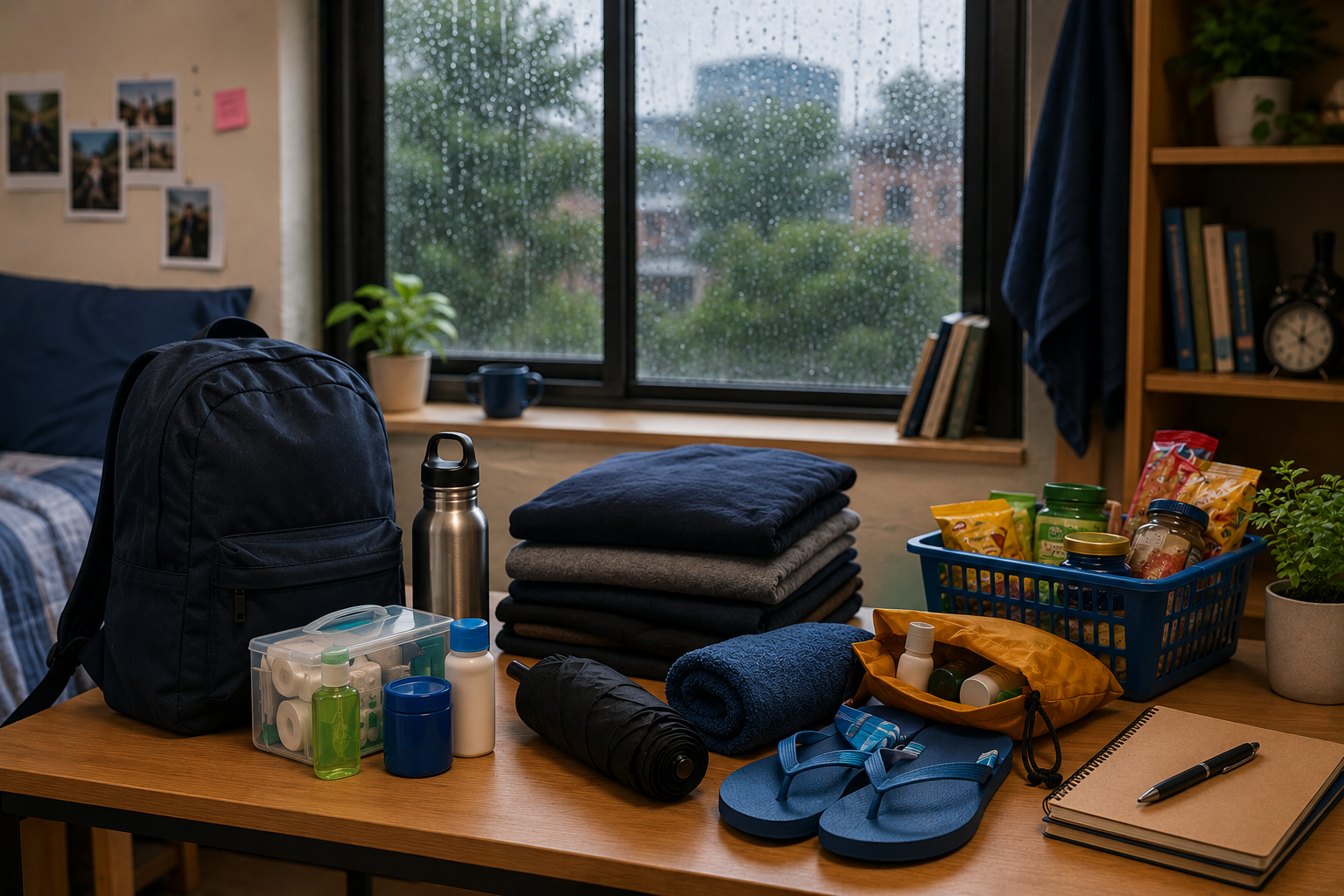
#This is the list I’d tell my younger cousin to buy before leaving for college. Not all of it has to be expensive. Actually, don’t buy expensive things unless needed, because hostel life has a talent for destroying nice stuff. Buy practical, washable, replaceable things. And label things too, because somehow everyone’s black umbrella becomes “community property” after the first rain.
- A strong umbrella, not the tiny freebie type. Get one with good ribs, because campus winds can turn cheap umbrellas inside out in two seconds.
- One light raincoat or poncho. Umbrellas are useless when you’re carrying a backpack, a tiffin, and emotional damage from an 8 am lecture.
- Waterproof backpack cover. If your bag didn’t come with one, buy it separately. Your laptop and notes deserve better than a wet cloth bag.
- Plastic zip pouches or document folders for ID cards, mark sheets, internship papers, certificates, passport photos, and whatever random xerox the admin office suddenly asks for.
- Silica gel packets, moisture absorbers, or those small hanging dehumidifier bags for cupboards. They look boring but they save clothes, books, and shoes.
- A basic first-aid and fever kit, including thermometer, ORS, paracetamol if you can take it safely, antiseptic, band-aids, and your own regular medicines.
- Mosquito repellent, plug-in machine if allowed, roll-on, or patches. Dengue and malaria risk goes up in many parts of India during and after rains, so don’t act brave.
Clothes: Pack Like You’ll Never See Sunlight Again
#The biggest monsoon mistake students make is bringing too much denim. Jeans in monsoon are a trap. They get wet, become heavy, refuse to dry, and smell like old bus seats. I still wear jeans, I’m not that disciplined, but I’ve accepted the consequences. For hostel monsoon, keep more quick-dry clothes. Polyester blends, sports tees, thin cottons, track pants, shorts for room, and at least one decent outfit that stays packed in a dry bag for presentations or viva days. Because nothing is more tragic than standing in front of a professor wearing a shirt that smells like cupboard fungus.
Have separate categories in your head: outside clothes, room clothes, emergency dry clothes, and “I don’t care anymore” clothes. Don’t mix wet and dry laundry. Sounds obvious, but after a long lab day, you will throw everything on the chair. Then it becomes a wet pile. Then it becomes smell. Then you are the smell. Keep a laundry bag that is breathable, not a fully sealed plastic bag unless you’re washing the same day. A mesh laundry bag is nice. If your hostel has paid laundry, ask seniors how reliable it is during rain. Some laundry services in college towns now accept UPI and app bookings, very 2026 and all that, but clothes still come back damp sometimes. Technology can’t fix monsoon humidity, apparently.
My footwear rule: two pairs minimum, three if you can
#One pair of rubber slippers for bathroom and quick tea runs. One pair of waterproof sandals or Crocs-type footwear for campus. One pair of shoes only for dry-ish days, placements, gym, or when you need to look like you have your life together. Don’t wear canvas shoes in heavy rain unless you enjoy suffering. If shoes get wet, stuff newspaper inside if you can find any, or use tissue and keep them under a fan. Don’t put them right against a heater or mess kitchen stove or whatever jugaad, because glue can loosen and then your shoe talks while walking. Happened to me. Very embarrassing.
Protect Your Books, Notes, Laptop, Chargers, and Sanity
#Hostel rooms during monsoon are basically a slow attack on paper and electronics. Your notebooks curl. Your photocopies fade. Your laptop bag feels cold and damp. Your charger cable gets that grey sticky feeling. In 2026, most students are carrying more electronics than ever: phone, laptop, tablet maybe, earbuds, smartwatch, power bank, USB-C adapters, extension board, sometimes a Wi-Fi dongle because hostel Wi-Fi has moods. So yeah, water protection matters.
- Keep your laptop and tablet in a sleeve, then inside the bag. A backpack cover alone is not enough if rainwater enters from the zip.
- Use zip pouches for chargers, pen drives, hard disks, and small adapters. Those tiny things vanish or rust faster than you expect.
- Put important documents in a plastic folder and also scan them. DigiLocker is widely accepted for many documents now, but keep offline copies too because hostel internet loves drama.
- Don’t place electronics directly on the floor, especially near walls. Use a shelf, table, or even a plastic crate.
- Buy one decent extension board with overload protection. Please avoid the scary local board with loose sockets. It’s not worth saving 100 rupees if sparks start during a storm.
Also, unplug stuff during heavy lightning if your building’s wiring looks ancient. I know, people will say “arre nothing happens,” but people say that before every preventable accident. If your plug point is near a damp wall, report it. Take photos. Message the warden or maintenance group. Don’t just complain verbally because then everyone forgets. A written WhatsApp message creates a trail, and suddenly people become more responsible. Slightly.
The Dampness War: How to Stop Your Room From Becoming a Mushroom Farm
#Dampness is not one problem, it’s like ten small problems holding hands. Wet towel, closed windows, leaking sill, clothes drying indoors, no sunlight, too many shoes, old mattress, and that one roommate who refuses to switch on the fan because “cold lag raha hai.” You need a system. Keep windows open when rain isn’t coming in. Keep the fan on for airflow. If your room has an exhaust, use it. If you can afford a small table fan, it helps a lot with drying corners and clothes. Some students now buy compact electric dehumidifiers online, but honestly they’re not always necessary and they consume power. Many hostels also don’t allow extra appliances. The cheaper moisture absorber tubs or hanging bags work fine for cupboards.
Clean visible fungus quickly. Don’t wait till it spreads. Wear gloves if possible, or at least don’t touch it like a genius. Use a mild disinfectant or anti-fungal cleaner. For walls, ask hostel staff before using harsh bleach because paint can get ruined and then they’ll blame you, obviously. Keep your bed a few inches away from the wall if that wall gets damp. This one tip saved my mattress. Earlier my bed was pushed fully against the wall, and the mattress edge started smelling weird. I ignored it for a week, because student logic. Then I had to sun it for two days during a rare sunny break like I was performing a ritual.
Monsoon hostel rule: if something feels slightly damp today, it will smell terrible by Friday. Deal with it early.
Bathroom, Bucket, and Laundry Reality Check
#Shared hostel bathrooms in monsoon need their own survival guide, but let’s keep it manageable. Keep your own bathroom slippers. Don’t go barefoot, even if everyone does. Floors stay wet, fungal infections are common, and one small cut can become annoying. Keep a separate pouch for soap, shampoo, razor, and toothbrush. Please don’t leave toothbrush openly near the sink area. I’m not explaining. You know.
For laundry, buy a few extra hangers and a rope if your hostel allows tying one. Those foldable drying racks are great but not always practical in tiny double-sharing rooms. If you dry clothes inside, spread them out, don’t pile. Put them near fan airflow. Wring properly. For towels, thinner towels dry faster than giant fluffy ones. This is emotionally difficult because fluffy towels feel nice, but hostel monsoon is not a spa. Also keep one small quick-dry towel for hair or gym. If you’re in a humid city, wash smaller loads more often. Big laundry loads become a tragedy.
Food and Health: Because Maggi Cannot Be Your Entire Rainy Season Plan
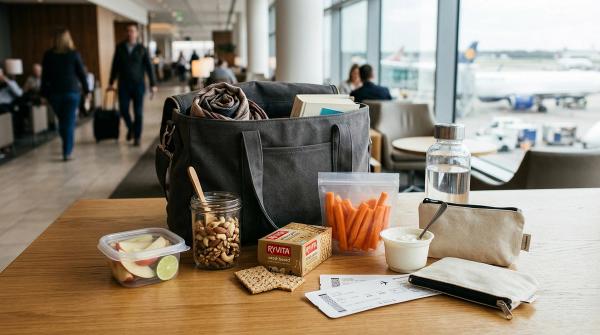
#Look, I love rainy-day Maggi. Everyone does. But monsoon is also when stomach infections, cough-cold, viral fever, dengue scares, and random food poisoning stories start floating around the hostel. Mess food can get oily, outside food gets tempting, and street-side chutneys during heavy rain are... risky, let’s say. Keep some basic dry snacks in airtight boxes: roasted chana, peanuts if you’re not allergic, protein bars if you can afford, khakhra, dry fruits, biscuits, instant poha or upma cups, and tea bags or coffee sachets. But don’t hoard food openly. Ants and cockroaches will send invitations to their whole family.
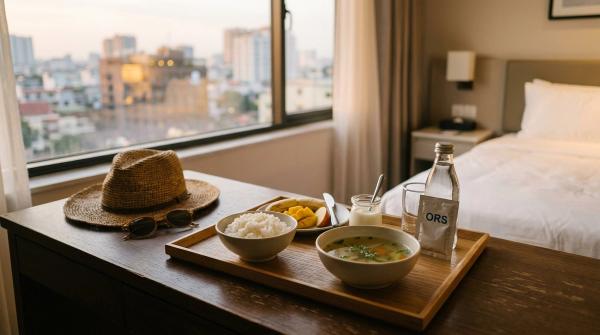
Keep a water bottle with a lid and clean it properly. Many students forget bottle hygiene. If your hostel uses water purifiers, check if maintenance is regular. During heavy rain and flooding, water contamination can happen in some areas, especially if storage tanks are not cleaned. If water tastes odd, don’t be heroic. Boil if you have access, use trusted filtered water, or buy water temporarily. Also keep ORS. It costs little and helps when you’re dehydrated after fever or stomach upset. And please, if fever lasts or you get symptoms like severe body ache, rash, vomiting, breathing trouble, or persistent diarrhoea, go to the campus doctor or clinic. Don’t just ask the hostel group “anyone has antibiotic?” That group is not a medical degree.
Mosquitoes: The Real Hostel Roommates
#Every hostel has mosquitoes, but monsoon makes them ambitious. Don’t let water collect in mugs, buckets, cooler trays, plant pots, broken containers, or balcony corners. If your room has a cooler, clean it or stop using it. If there’s stagnant water near the hostel block, report it. Many Indian cities run dengue and malaria prevention drives during monsoon, but campus corners get missed. A simple mosquito net can be a lifesaver if your hostel has too many mosquitoes and plug-in repellents aren’t enough. Not aesthetic, maybe, but neither is scratching your legs at 3 am.
Also, repellents are personal. Some people can’t tolerate strong coils or vapours. Roll-ons are useful for evening classes, library walks, or mess queues. Keep full-sleeve light clothes if mosquitoes are bad in your area. And don’t ignore the first signs of fever in peak monsoon. I know we all try to attend class and act normal because attendance is a monster, but health first. Attendance can be begged for. Platelets cannot.
Room Safety During Heavy Rain, Flooding, and Power Cuts
#This part sounds dramatic until you’re actually sitting in a dark hostel corridor because the power went out and your phone is at 8 percent. Keep a charged power bank. In 2026, many students use 10,000 mAh or 20,000 mAh power banks, and that’s enough for basic backup. Keep a small rechargeable torch or emergency light if allowed. Phone flashlight is okay, but it drains battery and then you’re stuck. Save emergency numbers: warden, hostel guard, campus security, local hospital, ambulance, cab services, and two friends who actually pick up calls.
If your area gets waterlogging, don’t walk through unknown flooded roads just to reach a cafe or coaching class. Open manholes, exposed wires, slippery tiles, and hidden potholes are real risks. Colleges increasingly send alerts through ERP apps, WhatsApp groups, Telegram channels, or SMS now, so don’t mute every official group permanently. I mean mute during exam spam, fine, but check during heavy rain. If local authorities or campus says avoid travel, avoid travel. No assignment is worth wading through waist-deep water unless your professor is personally carrying you, which they won’t.
A Quick Budget Checklist, Because We Are Students Not CEOs
#You don’t need to buy everything in one day. If money is tight, prioritise waterproofing, hygiene, and electronics safety first. A good umbrella, bag cover, document folder, mosquito repellent, basic meds, and moisture protection for cupboard are the essentials. Then add extra hangers, drying rope, slippers, emergency light, storage boxes, and better footwear when you can. Local markets near colleges usually sell monsoon stuff cheaper than malls. Online prices fluctuate a lot during peak rains, and quick-commerce is convenient but sometimes overpriced. Use it for emergency, not every small thing, otherwise your monthly budget quietly dies.
- Under ₹300: zip pouches, basic umbrella, ORS, band-aids, soap case, plastic folders, extra hooks, cheap hangers.
- ₹300 to ₹800: backpack rain cover, better umbrella, mosquito plug-in kit, moisture absorbers, bathroom slippers, airtight food boxes.
- ₹800 to ₹1500: sturdy sandals, emergency light, decent extension board, laptop sleeve, compact drying rack if space allows.
- Worth spending more on: waterproof shoes if your campus floods often, a quality backpack, and safe electrical items. Cheap electronics are not always cheap in the long run.
The Roommate Conversation Nobody Wants But Everyone Needs
#Monsoon preparation is not just your personal thing if you share a room. You can keep your side perfect, but if your roommate leaves wet socks under the bed and food packets open, congratulations, you both suffer. Have one normal conversation before the rains get bad. Decide where wet umbrellas go. Decide laundry areas. Decide window rules. Decide who reports leakage. Decide how often you’ll clean the floor or at least not make it worse. It doesn’t have to be a formal meeting with minutes and agenda, just talk while eating samosa or something.
And be reasonable. Some people come from places where monsoon is mild, some from places where it floods every year. Some have never lived away from home. Some don’t know towels need drying because at home someone magically handled it. Don’t be rude immediately. Explain. Then if they still behave like dampness is a lifestyle choice, okay, become strict. Hostel teaches communication in the weirdest ways.
My Personal “Don’t Forget This” Mini List
#These are random things that don’t fit neatly anywhere, but they matter. Keep one set of clothes in a sealed plastic bag for emergency. Keep cash, not a lot, just enough for auto, tea, medicine, or a photocopy shop when UPI servers or your network acts up. UPI is everywhere now, yes, but rain plus low signal plus dead phone equals suddenly you’re back in 2009. Keep safety pins, rubber bands, tape, a small sewing kit, and a marker. Keep your ID card dry. If you use a scooter or bike, keep a plastic cover for the seat and check brakes more often in monsoon. If your campus has monkeys, don’t dry snacks near the window. This sounds oddly specific because it is.
Also make friends with the housekeeping staff and security guards. Not in a fake way, just be decent. They know which staircase leaks, which water cooler is working, when the electrician actually comes, and which gate floods first. Seniors are useful too, but staff know the building like nobody else. During my second year, one guard told us not to park cycles near the back wall before a heavy rain night. Next morning that area was ankle-deep in water. We felt like he was some weather baba, but really he had seen five monsoons in that hostel.
Final Hostel Monsoon Checklist Before You Relax With Chai
#So, before the first proper downpour, do one full room reset. Move bed away from damp walls. Check plugs. Put documents in plastic. Keep electronics off the floor. Buy mosquito protection. Sort footwear. Set up drying space. Clean your bottle. Stock basic meds and snacks. Download or enable weather alerts. Save emergency contacts. Talk to roommate. Report leaks early. And for the love of attendance, keep one dry outfit ready for Monday morning.
Monsoon in an Indian hostel is messy, funny, annoying, cozy, and sometimes genuinely risky. You’ll have chai memories and wet-sock trauma both. But with a little prep, you can avoid the worst parts and enjoy the nice bits: rain from the corridor, pakoras from the canteen, late-night gossip during power cuts, and that weird hostel bonding that only happens when everyone is trapped indoors. If you’re heading into hostel life this rainy season, I hope this checklist saves you from at least three disasters. Maybe five, if your window behaves. And if you like reading practical student-life stuff like this, casually check out AllBlogs.in sometime. I keep finding useful reads there when I’m supposed to be doing something else.