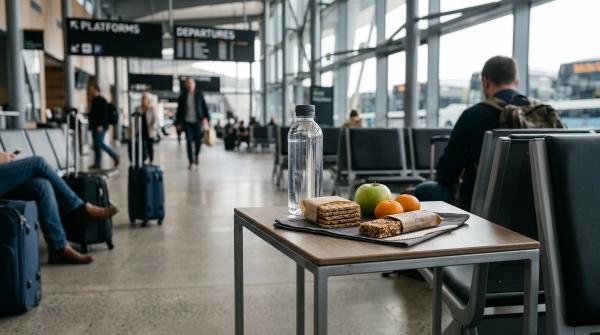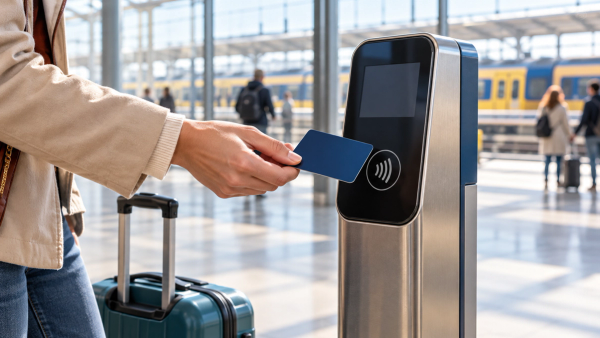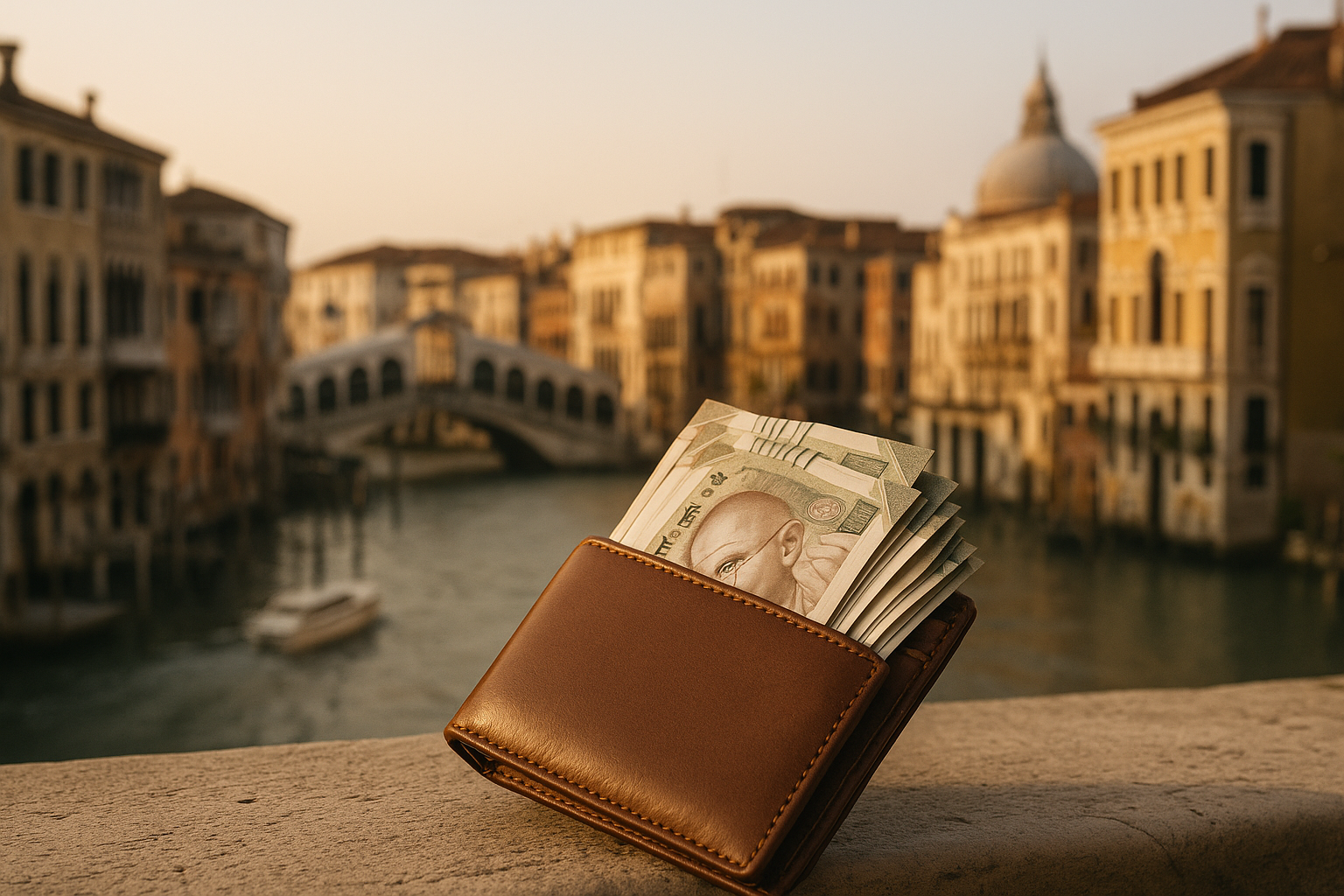
If you're planning Europe from India, one question always comes up weirdly early, even before people decide which jacket to buy or whether Schengen insurance is enough... cash kitna leke jaana chahiye? And fair question, because for many of us cash still feels like safety. Card machine not working? Cash. Tiny cafe? Cash. Emergency taxi? Cash. But after travelling across a few European countries, making some dumb money mistakes, and also overthinking this way too much, I can tell you this very clearly: carrying huge amounts of cash is usually not the smartest move anymore. Europe is much more card-friendly than many first-time Indian travellers expect.
Still, don't go to the other extreme and land there with zero euros in your wallet acting like your forex card will solve all life's problems. It mostly will. But not always. That's the tricky part. Europe is not one single money-behaving country. Amsterdam felt almost cashless to me. Parts of Italy and some smaller towns in Central Europe still had little moments where cash was just easier. Christmas markets, public toilets, lockers, small bakeries, old family-run souvenir shops, local buses in some regions, tipping guides, buying water when your phone battery is dying and the card POS is being dramatic... these things happen. So the right answer is not "carry a lot" or "carry none". It's somewhere in the middle.
The short answer, if you just want the practical number
#For most Indian travellers doing a normal 7 to 15 day Europe trip, I’d say carrying around €300 to €600 per person in cash is usually enough. Not all in your pocket obviously, please no. Split it. Keep some in your main wallet, some hidden in luggage, maybe a small backup in your day bag or money belt. If you're doing a very budget backpacking trip through smaller towns, night buses, hostels, and lots of local transport, then maybe lean closer to €500 or €600. If your trip is mostly major cities like Paris, Zurich, Vienna, Barcelona, Prague, Budapest, Rome and you're paying hotels, trains, museums and shopping by card, even €200 to €300 can work.
My personal sweet spot now? Around €400 in cash for a two-week trip, plus a forex card, plus one international debit/credit card as backup. That combo has saved me more stress than any 'perfect' money plan.
Why I stopped carrying too much cash after my first Europe trip
#On my first trip, I converted way too much money in India because, you know, parents also feel calmer when they hear "haan haan cash leke jaa raha hoon". I landed with a fat envelope of euros and felt very prepared. For exactly one day. After that I felt stressed all the time. Every hotel check-in, every train station transfer, every crowded metro ride in Paris, I was hyper aware of where my money was. It was exhausting. And funny thing? I barely used half of it because almost everything from metro tickets to supermarket snacks to museum entries went through card or contactless payment.
That was my first real lesson. Carrying too much cash doesn't just increase theft risk, it also makes you behave weirdly. You start using cash just because you have it, then your budget tracking gets messy, then you end up with random coins and low-value notes from different places and no clue what you actually spent. Card usage, especially with a good forex card or low-forex-fee credit card, is usually cleaner.
So what should Indian travellers actually budget cash for in Europe?
#This is where people get confused. They ask how much cash to carry for the whole trip, but what matters more is what cash is for. Hotels? Usually card. Intercity trains? Card. Flights? Card. Museum tickets? Card. SIM card? Mostly card. Big restaurants? Card. Then where does cash go? Mostly for those small, annoying, unplanned, human expenses. The kind that don't seem important till they suddenly are.
- Small cafes, bakeries or kiosks, especially in smaller towns or local markets
- Public toilets at stations, tourist areas, old city centres
- Tips for walking tours, hotel housekeeping, drivers, or local guides where cash is easier
- Local buses or tram tickets in places where ticket machines are old-school or cards fail
- Farmers markets, flea markets, street food stalls, Christmas or Easter markets
- Emergency stuff like water, medicine, locker fees, laundromats, or a quick snack during a delay
And btw, some countries in Europe use the euro, some don't. Sounds obvious, but a lot of Indians planning one giant Europe loop don't fully think about this till they are there. Switzerland uses Swiss francs, Czech Republic uses koruna, Hungary uses forint, Poland uses zloty, UK uses pounds. In many touristy places they may accept card just fine, but cash becomes annoying if you exchange too much into each local currency. That's another reason not to over-carry. Use card where possible, and withdraw only a small local amount if really needed.
My rough country-wise cash experience, the very non-fancy real version
#This part helped my friends the most, so sharing it as is. In France, Netherlands, Germany, Austria, Spain, and Portugal, I found card acceptance pretty strong in cities. In Amsterdam it almost felt like cash was the awkward guest nobody invited. Paris also was easy for card, though little crepe places and tiny souvenir shops sometimes preferred small payments done fast. Germany was funny because it's modern but still has occasional cash comfort in some bakeries, local pubs, and smaller establishments. Italy depended a lot on where I was. Rome and Milan, no major issue. Smaller places and local trattorias, I was glad to have some notes. Prague and Budapest were mostly manageable with card too, but some cash made local transport or market purchases smoother.
Switzerland... expensive yaar. Not because of cash usage, just in general. There card works almost everywhere. But because everything costs more, some people think they should carry more cash. I don't agree. Cost of trip and amount of cash needed are not the same thing. You can spend ₹20,000 worth in a day completely by card and still only need CHF 50 or CHF 100 in physical cash for tiny things.
How much cash should you carry from India specifically, in rupees terms?
#Let me make this easier in Indian-head math. For a one-week Europe trip, carrying the equivalent of roughly ₹25,000 to ₹35,000 in cash is usually more than enough for one person if major bookings are prepaid. For 10 to 15 days, around ₹35,000 to ₹55,000 equivalent is a comfortable range. If you're going super luxury, honestly you'll still mostly pay by card. If you're ultra-budget and doing hostels, supermarket meals, free walking tours, local buses and occasional cash-only places, maybe keep it toward the higher end. But once you cross this and start carrying ₹70,000 to ₹1 lakh in cash just because Europe feels expensive, you're mostly carrying anxiety.
Also, check Indian forex rules and limits before travel through your bank or authorised dealer, because these things can change and I don't want to pretend one static number works forever. Most people don't come anywhere close to needing the upper legal allowances anyway. The issue isn't permission, it's practicality.
Best way to split your travel money, the setup that actually works
#- Keep around €80 to €150 in your daily wallet for immediate use, not more unless you're moving between cities that day
- Store the rest of your cash separately in hotel safe, locked luggage, or a hidden pouch
- Carry one forex card with the main loaded amount. This was my workhorse on most days
- Keep one backup international debit or credit card in a different bag, not in the same wallet. If your wallet vanishes, you're not fully doomed
- Have some money accessible on your phone through banking apps, but don't depend only on mobile battery and internet. That's how chaos starts
One small mistake I made once in Vienna was keeping both cards in the same sling bag because 'I’ll remember better'. Great theory. Bad practice. If that bag had gone, trip mood finished. Since then I split everything. A little cash on me, bigger notes hidden, cards in different places. Sounds paranoid, but Europe is safe in many parts, not magic. Pickpocketing in crowded zones is very real, especially in tourist-heavy cities like Paris, Barcelona, Rome, Prague, even parts of Brussels.
Should you exchange all cash in India or withdraw in Europe?
#Mix, don't do all-or-nothing. I usually prefer carrying a basic amount exchanged from India before departure so I can land comfortably. First metro, snack, emergency taxi, whatever. That first-day comfort matters more than people admit. Then for the rest, I rely on card. If absolutely needed, I withdraw from a reputed ATM in Europe rather than over-exchanging everything in advance. Airport exchange counters, whether in India or Europe, are often painful on rates. Not always, but often enough. Better to compare rates from Indian forex providers before flying.
And please, tiny but important thing, don’t exchange into too many currencies unless your route really demands it. If most of your trip is eurozone, carry euros. For non-euro countries, use card first. Withdraw only if there is a clear need. Otherwise you'll come back with beautiful but useless leftover notes that sit in your drawer till your next trip... if there even is a next trip soon.
Latest travel reality check: safety, cards, apps, and where cash still matters
#Right now the overall travel scene across most of Europe is pretty smooth for Indian tourists, with busy summer crowds, strong rail demand, and a lot of digital payments everywhere. Contactless tap-to-pay is standard in most cities. Hotels, chain hostels, museums, trains, even many vending machines accept cards. UPI-style comfort? Not exactly. But card convenience is close enough. The bigger issue these days isn't usually 'I had no cash'. It's stuff like train delays, surge-priced taxis, city tax payable at check-in in some accommodations, and being in a super touristy pocket where prices are just absurd. Cash helps in some of these moments, but planning matters more.
Accommodation prices also affect your cash needs less than you'd think. Hostels in major cities can be around €25 to €60 a bed depending on season and city, budget hotels maybe €80 to €160, and central stays in places like Paris, Amsterdam, Zurich, Venice can go much higher, painfully higher in peak summer. But these are almost always booked online by card. Same with Eurail reservations, low-cost flights, attraction passes, and airport transfers. So again, trip expensive hona and cash zyada le jaana are not the same thing.
Season matters more than people think
#If you're travelling in summer, especially June to August, you'll find everything more crowded and a little less patient. Queues are longer, transport hubs are packed, and you may end up buying more little convenience things on the go, cold water, quick snacks, locker fees, random bus tickets. That can push up daily cash use a bit. Winter trips are different. Christmas market season is magical, truly, but small stalls often make you use cash more than big stores do. Shoulder season, like April-May and September-October, is honestly my fav. Weather is nicer, prices can be slightly less brutal, and card-first travel feels easier because you're not constantly scrambling in crowds.
Also if you're doing lots of mountain areas, day trips, villages, lake towns, or scenic train routes beyond the mega-cities, carry a bit more cash that day. Not because Europe turns cash-only suddenly, but because smaller places have more odd situations. A tiny family café, a boat ride kiosk, a luggage locker, some local tax or old machine, these things pop up.
A realistic daily cash estimate, not perfect but useful
#| Travel style | Average cash needed per day | What it usually covers |
|---|---|---|
| Big-city card-first traveller | €10 to €20 | Coffee, snacks, toilet fees, tiny purchases, tips |
| Balanced traveller | €20 to €35 | Markets, small meals, local transport extras, minor emergencies |
| Budget backpacker in smaller towns | €30 to €50 | Hostel incidentals, local buses, cash-friendly eateries, laundromat, lockers |
| Luxury traveller | €10 to €25 | Mostly symbolic backup cash because major spends are card-based |
See, that table is why I keep saying don't obsess over carrying huge cash. Even if you're travelling 12 days and using €25 cash per day on average, that's €300 total. Add a buffer and maybe you're at €400 or €450. That's usually enough. People imagine Europe as one giant cash-draining machine, but day-to-day it's more digital than many expect.
Some mistakes Indian travellers make with Europe cash planning
#- Carrying all notes in one wallet because it feels convenient
- Exchanging too much at airports
- Taking only euros even when half the trip is in non-euro countries and then forcing bad exchanges there
- Not informing the bank about international card usage, so first transaction gets blocked and panic starts
- Assuming every place accepts cash or every place accepts card. Both assumptions can fail, annoyingly
- Ignoring coins. In Europe, coins matter more than we think. Don't keep throwing them around
And one more. People don't account for city taxes. Some hotels and apartments in Europe charge a local tourist tax per night per person and sometimes want it paid at check-in or check-out. Many accept card, some ask for cash. It isn't a huge amount usually, but if you're hopping cities, it adds up. Keep some small notes for that. Same for paid luggage storage and public washrooms at stations. Such tiny expenses can weirdly become the reason you finally break that €50 note and then spend the whole day collecting annoying coins.
What I’d personally carry today for a 12-day Europe trip from India
#If I were doing, say, France + Switzerland + Italy or maybe Austria + Czech Republic + Hungary, my setup would be simple. I’d carry about €400 in cash if most countries were euro-based, or maybe €300 in euro plus rely on card for the non-euro places. On top of that, I’d load the majority of trip money onto a forex card and keep one backup credit card for hotels, deposits, and emergencies. If Switzerland was in the route, I probably wouldn’t bother carrying much Swiss franc cash from India. Card works well there. Same for Prague or Budapest, I'd maybe withdraw a small local amount only if needed after landing.
For families, it's different but not wildly different. A couple does not need double the panic. Maybe €600 to €900 total cash for two adults on a two-week trip is pretty comfortable if major bookings are prepaid. Families with kids might use a little more cash for spontaneous snacks, toilets, little rides, and convenience spending. But still, the main trip budget should sit on cards, not in a neck pouch under your hoodie like some Bollywood smuggler scene.
Final thought: carry enough cash to feel secure, not enough to feel scared
#That, honestly, is the whole game. Europe can be expensive, yes. It can also be incredibly easy to navigate financially if you set yourself up right. Don’t treat cash like your only safety net. Treat it like backup support. Enough to solve problems, not enough to create new ones. For most Indian travellers, that means a few hundred euros, split smartly, with cards doing the heavy lifting. Trust me, you'll enjoy your trip more when you're admiring a canal in Amsterdam or eating pizza in Rome instead of checking your wallet every 8 minutes.
And yeah, every trip teaches you something. Mine taught me that money planning for Europe is less about carrying more and more about carrying smarter. If you're building your itinerary and budget right now, hope this saved you from at least one rookie mistake. I share this kinda practical travel stuff because I wish someone had told me before my first trip. If you like these grounded, Indian-traveller-style guides, have a look at AllBlogs.in too, there’s some genuinely useful reading there.