The first thing you learn in an Indian fish market during monsoon is this: rain does not make the place romantic in the way travel magazines pretend it does. It makes your sandals slippery, your shirt stick to your back, your phone fog up, and the smell of the sea somehow stronger. And honestly? I love it. I really do. Some of my favorite food memories in India have happened while standing ankle-deep in muddy market water, bargaining badly for pomfret, while a fisherwoman in a plastic raincoat looked at me like I was born yesterday.
I’ve chased seafood through Mumbai’s Sassoon Docks before sunrise, eaten hot fish curry in Goa while the rain hammered the tiled roof, watched baskets of sardines land in Kerala with that silver-blue shimmer, and once got completely drenched at Chennai’s Kasimedu market because I thought “light rain” meant light rain. It did not. Monsoon fish markets in India are chaotic, beautiful, sometimes confusing, and if you don’t know what you’re doing, they can be a little risky too. Fresh fish is amazing. Bad fish is... well, your stomach will remember it for years.
So this is not some polished hotel-buffet guide. This is the guide I wish someone gave me years ago, before I made rookie mistakes like buying “fresh” prawns that had clearly been sitting too long, or ordering shellfish after a flood-heavy week because I was being brave and stupid. We’ll talk freshness, safety, where to go, what to eat, how monsoon fishing bans affect supply, and why the best seafood travel in India right now is becoming more local, more traceable, and way more experience-led than it used to be.
Why Monsoon Fish Markets Feel Different From Any Other Food Market
#Indian fish markets are never quiet, but during monsoon they have this extra electricity. Maybe it’s because everyone is racing the weather. Maybe it’s the fishing restrictions, the changing catch, the limited windows when boats can go out, or just the drama of rain on tin roofs and women shouting prices over thunder. Whatever it is, it feels alive in a way that supermarkets never can.
In many coastal states, the monsoon overlaps with the annual fishing ban for mechanised boats. On the west coast, it’s commonly around June to July, while on the east coast the ban usually happens earlier, around mid-April to mid-June. Dates can shift by state and year, so always check locally if you’re planning a serious seafood trip. Traditional and small-scale fishers may still operate in some areas, but big trawlers are restricted to protect breeding fish and marine ecosystems. Which means the market changes. You might see more small local fish, river fish, farmed fish, dried fish, frozen stock, or catch coming from other regions.
This is where travelers get confused. They assume “coastal city + monsoon = freshest seafood ever.” Not always. Sometimes yes, wildly fresh. Other times, that shiny kingfish has travelled farther than you did. I’m not saying don’t eat seafood in monsoon. Please eat it, life is short. But ask questions. Look closely. Trust your nose. And don’t fall for the romantic idea that everything near the ocean was swimming two hours ago.
My First Proper Monsoon Market Morning: Sassoon Docks, Mumbai
#Sassoon Docks in Mumbai was the market that humbled me. I went there before sunrise, smugly carrying a small notebook like I was doing important research, and within five minutes I was just trying not to get run over by crates. There were prawns, bombil, rawas, surmai, pomfret, crabs tied with string, women in bright saris under plastic sheets, cats acting like shareholders in the business, and that salty diesel-fish-ice smell that hits you right behind the eyes.
A Koli vendor saw me staring at a pile of bombil, Bombay duck, and asked if I wanted it for frying. I said yes too quickly. She picked one up, pressed it near the belly, smelled it, tossed aside two pieces, and selected others. That small gesture taught me more than any online freshness checklist. She was checking firmness, smell, and whether the flesh was starting to break down. Bombil is delicate, especially in humid weather. When it’s good, fried with rice flour, chilli, turmeric and salt, it’s one of Mumbai’s great gifts. When it’s not good, it becomes mushy sadness.
After the market I ate breakfast nearby, not fancy, just hot chai and a fish fry plate from a small place where the cook had clearly been awake since forever. The fish was crisp at the edges, soft inside, with lime squeezed over it, and I remember thinking that luxury travel has got nothing on this. Though, yeah, I also remember my shoes smelling like dock water for two days.
The Freshness Test I Actually Use Now
#People love giving complicated seafood advice, but in a wet market you need quick checks. You don’t have time to do a forensic investigation while aunties are elbowing you aside. I use a basic system now, and it works most of the time.
- Eyes should be clear and slightly bulging, not cloudy, sunken, or weirdly dull. Some fish naturally have different eye appearance, but cloudy eyes are usually not a great sign.
- Gills should be red to bright pink, not brown, grey, or slimy. I always ask the vendor to lift the gill cover. If they refuse, I get suspicious. Maybe unfair, but still.
- Smell should be clean-sea or mild fishy. If it smells sour, ammonia-like, rotten, or like a dirty drain after rain, walk away. Seriously, don’t negotiate with your nose.
- Flesh should spring back when pressed. If your finger leaves a dent, or it feels mushy, that fish has had a long emotional journey.
- Ice matters. Fish should be on clean crushed ice, not floating in warm water. During monsoon, melted ice and dirty runoff can be a real problem.
- For prawns, look for firm shells, no blackening around the head unless it’s minor and fresh, and no strong ammonia smell. Prawns go bad fast, like extremely fast.
One more thing: shiny doesn’t always mean fresh. Vendors can wash fish again and again to make it look lively. I’m not blaming them, everybody’s trying to sell, but don’t judge only by shine. Smell, gills, texture, ice. That’s the holy little fish market triangle, except it has four points. You get what I mean.
Monsoon Safety: The Unsexy Stuff That Saves Your Trip
#Nobody wants to talk about food poisoning when planning a delicious seafood vacation, but it matters. Monsoon means humidity, power cuts in some areas, flooded lanes, contaminated water, and slower transport when roads are messy. Fish spoils quickly if cold-chain breaks. Shellfish can be especially risky because they filter water and may concentrate bacteria, toxins, or pollutants. After heavy rain, sewage runoff can enter coastal waters, rivers, and backwaters. That is not me being dramatic, it’s basic public health.
I usually avoid raw seafood in monsoon in India unless I’m in a very controlled, reputable restaurant that I trust deeply. Even then I’m cautious. Ceviche, oysters, raw clams, undercooked mussels... tempting, yes. Worth ruining three days of travel? For me, no. I also avoid shellfish right after major flooding or when locals themselves are saying “not today.” Local gossip is an underrated food safety tool.
- Buy early in the morning if you’re going to markets. Fish landed or traded early has usually spent less time in the heat.
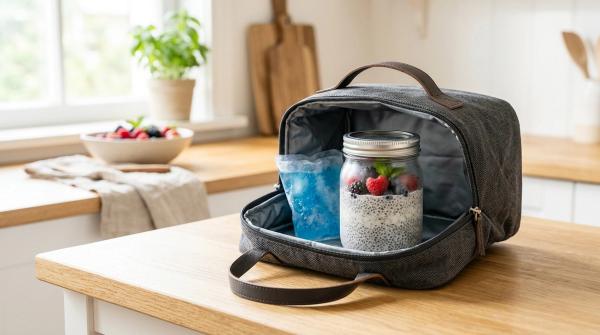
- Carry an insulated bag if you’re buying to cook later. This is one of those boring 2026 food-travel habits that actually makes sense, especially with people doing market-to-kitchen homestays now.
- Choose busy stalls with fast turnover. A vendor selling quickly is usually a better bet than a pretty display sitting untouched.
- Cook seafood properly. Fish should turn opaque and flake, prawns should be firm and pink, crab should be cooked through. Don’t half-cook because a reel made it look cool.
- Drink safe water, wash hands, and don’t let raw fish juices touch salad or chutney. Basic, yes. Still ignored all the time.
Also, ask about source. In 2026, one of the biggest food travel trends I’ve noticed is travelers wanting traceability, not just taste. Some urban seafood shops and restaurants now talk about boat-to-table sourcing, day-catch menus, QR codes, sustainable fishing, and direct fisher community partnerships. It’s not everywhere, and sometimes it’s marketing fluff, but the conversation has changed. People want to know where their fish came from. I’m all for that.
Goa in the Rains: Fish Thali, Market Smells, and a Little Bit of Confusion
#Goa during monsoon is moody and gorgeous. Green hills, swollen rivers, empty-ish beaches, and that soft grey light that makes even a wet scooter ride feel poetic until a bus splashes you. Seafood in Goa during the fishing ban can be tricky because many beach shacks close, mechanised fishing slows or stops, and restaurants may rely on frozen, farmed, imported, or inland catch. But good Goan kitchens know what they’re doing.
In Panaji, I’ve had comforting fish thalis at local-style places where the curry was the real star, not some giant Instagram fish. Ritz Classic is still one of those names people bring up for Goan fish thali, and Kokni Kanteen has that nostalgic old-Goa charm, though everyone has strong opinions and Goans will argue about the “best” place until the tea gets cold. In Margao and Mapusa markets, I like watching what locals buy: small mackerel, sardines, prawns when good, clams when safe, and dried fish for rainy-day cooking.
One rainy afternoon I ate xitt kodi, rice and fish curry, with a side of fried mackerel so crisp it crackled. The curry was sour with kokum, warm with chilli, and had that coconut body that makes you slow down. That’s the thing with monsoon seafood in Goa: don’t obsess over lobster and tiger prawns. Eat what the season gives. Eat curry. Eat recheado if the fish looks good. Eat dried prawn kismur with rice and dal and stop pretending fancy is always better.
Kerala: Where the Market Becomes a Cooking Lesson
#Kerala fish markets are my weakness. Fort Kochi has its touristy charm with Chinese fishing nets, though not all fish sold around there is necessarily from those nets, so don’t be naive. For more everyday market energy, places around Ernakulam, Vypin, Alappuzha, Kozhikode, and smaller coastal towns are more revealing. The fish names change, the accents change, the masalas change. And the cooking, my god.
I once stayed at a small homestay near Alappuzha where the owner took me to buy pearl spot, karimeen, in the rain. We checked the fish, argued gently over price, and came back to cook karimeen pollichathu wrapped in banana leaf with shallots, curry leaves, chilli, turmeric, and coconut oil. The kitchen smelled like smoke and rain and fried shallots. I still think about that meal when I’m having a sad desk lunch.
Kerala is also where I learned to respect small fish. Sardines, mathi or chala depending where you are, are oily, affordable, and wonderful when fresh. During rough weather, small pelagic fish can be abundant depending on landing patterns, but quality changes quickly. Fresh sardines should be firm, bright, and smell clean. If they’re belly-bursting and soft, leave them. Cooked as mathi curry with kudampuli, or fried hard with chilli and curry leaves, they taste like the coast itself.
Mangalore, Karwar, and the Konkan: The Monsoon Seafood Belt I Keep Returning To
#The stretch from Mangalore up through Udupi, Karwar, Ratnagiri, and coastal Maharashtra is one of India’s most underrated seafood travel routes, though food nerds already know. Mangalore has places like Machali and Giri Manja’s that people mention for fish meals, and for good reason. The ghee roast culture, kori rotti nearby, neer dosa with fish curry, anjal fry, Kane rava fry... it’s dangerous territory if you’re trying to eat lightly.
During monsoon, I’ve noticed locals often lean into preservation and spice: dried fish chutneys, pickles, curries with souring agents, fried fish when fresh catch is available, and coconut-heavy gravies that feel built for rain. In Karwar, I had a simple fish curry with rice that looked almost too plain, pale orange and thin, but the taste was deep and sea-sweet. No drama, no garnish, just the kind of food that makes you shut up for a minute.
This region also taught me that safety isn’t only about the fish. It’s about transport and cooking context. A super fresh fish bought in a clean market can become risky if it sits for four hours in a warm bus luggage hold while you go sightseeing. I have done this. Not proud. Now I either cook immediately, ask the homestay to store it on ice, or don’t buy at all. Food travel maturity is basically learning not to be greedy every single minute.
East Coast Monsoon Notes: Chennai, Kolkata, Odisha, and Andhra Flavors
#The east coast has a different monsoon rhythm, and the fishing ban timing is usually earlier than the west coast. Chennai’s Kasimedu market is intense, especially early morning. It’s loud, wet, fast, and not really designed for dreamy strolling. Go with someone local if you can, wear shoes you can wash, and don’t block working people for photos. I’ve seen travelers do that and honestly it’s annoying.
In Chennai, I love the way seafood meets pepper, curry leaves, tamarind, and deep frying. Vanjaram fry, nethili fry, prawn thokku, crab masala. Places like Nair Mess are often discussed for old-school non-veg meals, and there are many local messes where the fish curry tastes more alive than anything in a luxury restaurant. But monsoon or not, choose places with high turnover and food served hot.
Kolkata is a whole different emotional universe because fish is not just food there, it’s identity. Hilsa, ilish, is the monsoon celebrity, especially when it’s good quality and legally sourced. But hilsa has sustainability concerns, size restrictions, and cross-border supply complexities, so I try to ask questions and avoid tiny juvenile fish. At places like 6 Ballygunge Place or Bhojohori Manna, you can get classic Bengali fish preparations, but the real education is in markets like Gariahat or local neighborhood bazaars, watching people inspect fish like jewelers inspect diamonds.
Odisha and Andhra deserve more attention from culinary travelers in 2026, especially people who think Indian seafood begins and ends with Goa. In Odisha, mustard, panch phoron, river fish, crabs from Chilika-side areas, and prawn curries have this quiet confidence. In Andhra coastal food, chilli heat and tangy pulusu-style gravies can wake your soul up. Just be careful after heavy rains in brackish or flood-affected areas, especially with shellfish and crabs. Cook thoroughly, always.
What to Eat in Monsoon, and What I Personally Avoid
#I don’t follow the old blanket rule that says “never eat fish in monsoon.” That advice came from real concerns: breeding season, rough seas, spoilage, contamination, and older cold-chain issues. But India’s seafood supply today is more mixed. You have aquaculture, frozen logistics, inter-state transport, artisanal catch, restaurant sourcing, and better cold storage in many cities. So the answer is not simple yes or no. It’s more like: eat smarter.
| Seafood | Monsoon choice? | My honest note |
|---|---|---|
| Small local fish like sardines, anchovies, mackerel | Good if very fresh | Best fried or curried same day. Spoils quickly, so check belly and smell. |
| Pomfret, seer fish, rawas | Depends on source | Can be excellent, but ask if fresh or frozen. Price often jumps. |
| Prawns | Be cautious | Great when firm and clean-smelling. Avoid if soft, blackened badly, or ammonia smell. |
| Crab | Only from trusted source | Cook fully. Avoid after flood-heavy days if sourcing is doubtful. |
| Clams, mussels, oysters | Most cautious | I usually avoid in rough monsoon weeks unless source is reliable and cooking is thorough. |
| Dried fish | Underrated | Fantastic in chutneys and curries, but buy from clean, dry storage, not damp piles. |
If I’m eating out, I ask what’s fresh today, but I also watch body language. If the server confidently says “today’s catch is this,” good. If they say every fish is fresh and available in every style, hmm. Not impossible, but hmm. I prefer restaurants that run out of things. Running out means they’re not pretending the ocean is an unlimited freezer.
The 2026 Food Travel Trend: Market-to-Table, But Make It Real
#One lovely thing happening in Indian food travel now is the rise of smaller, more personal seafood experiences. Not just big group tours where everyone photographs a crab and leaves. I’m talking fisher-community walks in Mumbai, homestay cooking in Kerala, Goan local kitchen lunches, Mangalorean market tours, coastal foraging conversations, and chefs building menus around what is actually available that week. Travelers are getting tired of generic “authentic” experiences. They want to meet the people who clean the fish, grind the masala, smoke the dried prawns, and know which boat came in late because the sea was rough.
There’s also more interest in sustainable seafood. Not perfect, not mainstream everywhere, but growing. People ask about juvenile fish, trawling, bycatch, seasonal bans, and whether their giant Instagram seafood platter is part of the problem. I’ve become more careful too. I still love eating fish, obviously, but I try not to order threatened species, tiny juveniles, or ridiculous oversized platters just for photos. Sometimes the most responsible meal is a humble sardine curry, and frankly it tastes better than half the show-off seafood towers anyway.
Tech has crept in too. UPI payments are everywhere, even tiny vendors sometimes have QR codes taped to a pole. Some seafood retailers in big cities offer app-based fresh fish delivery with cleaned, iced, traceable supply. A few restaurants talk about QR-based sourcing or direct-from-boat procurement. I like the convenience, but I don’t want markets to vanish into apps. There is something irreplaceable about standing there, listening, smelling, asking, learning. Food travel is not only consumption. It’s paying attention.
How I Pack for a Monsoon Fish Market Trip
#This sounds silly until you’re in a market with rainwater dripping down your neck and fish scales on your jeans. I pack differently now. Light clothes that dry fast. A washable tote. Small hand sanitizer. Wet wipes. A power bank in a zip pouch. Cash plus UPI, because sometimes network goes moody. Closed sandals or shoes with grip. And if I’m buying fish, a foldable insulated bag with an ice pack. Yes, I have become that person. No regrets.
- Don’t wear white. I mean you can, but why are you fighting destiny?
- Go early, ideally just after landing or auction time, but ask locally because every market has its own rhythm.
- Take permission before photographing vendors. Some are fine, some are tired of being treated like scenery.
- Learn a few local fish names. Even badly pronounced names get you better conversations.
- If you’re squeamish, start with a smaller neighborhood market before jumping into Sassoon Docks or Kasimedu-level chaos.
And please don’t touch every fish for fun. I see tourists do this and it makes me cringe. If you’re buying, inspect. If not, look with your eyes. Markets are workplaces, not petting zoos.
My Favorite Monsoon Seafood Meals, The Ones I Still Crave
#The meals that stay with me are never the neat ones. A banana-leaf fish fry in Kerala eaten with fingers while rain hit the courtyard. A Goan mackerel curry so sour and spicy I had to pause after every bite. Mangalorean kane fry with neer dosa, eaten too fast because it was raining and the place was packed and everyone wanted my table. Bengali ilish with mustard that made me understand why people become unreasonable about fish. A bowl of hot rice and dried shrimp chutney in coastal Maharashtra, simple enough to be overlooked, perfect enough to haunt me.
I also remember the bad choices, because those teach you too. The prawns I bought late in the day in humid weather because they were cheap. Cheap was not cheap after the pharmacy visit. The crab curry at a random highway place where the masala was hot but the crab itself tasted tired. The time I ignored a slight ammonia smell because I didn’t want to be fussy. Be fussy. Your stomach is not a democracy.
My rule now is: if the fish doesn’t convince me, I eat vegetarian that day. India is not a place where skipping seafood means suffering. You can eat dal, bhindi fry, appam and stew, poha, idli, chole, whatever. There’s always something good. Seafood should feel like a joy, not a dare.
A Simple Safety Checklist Before You Eat
#Before buying or ordering seafood in monsoon, I run through a quick mental checklist. Is the place busy? Is the fish iced properly? Does the smell feel clean? Are locals buying it? Has there been flooding or warnings in the area? Is it cooked hot and fresh? Does the restaurant seem transparent about availability? If too many answers are shaky, I back off.
The best monsoon seafood in India is not the biggest fish or the fanciest restaurant plate. It’s the one that respects the season, the sea, the fisher, the cook, and your poor little travelling stomach.
For families, older travelers, pregnant people, or anyone with low immunity, I’d be extra cautious with shellfish, raw preparations, and unknown roadside seafood during monsoon. For kids, stick to freshly cooked boneless or low-bone options from trusted kitchens. And everyone should be mindful with high-mercury large predatory fish if eating frequently. I’m not trying to scare you, but good travel advice includes the boring health bits too.
Final Thoughts: Go for the Rain, Stay for the Curry
#Indian monsoon fish markets are not clean little curated experiences. They’re wet, noisy, slippery, sometimes smelly, and occasionally overwhelming. But they’re also full of skill, memory, survival, humor, and some of the best food knowledge you’ll ever encounter. A fisherwoman choosing the right mackerel, a cook grinding masala by instinct, a restaurant owner saying “not today, sea is rough,” a family arguing over hilsa size in a Kolkata market — this is culinary travel at its most real.
If you go, go respectfully. Ask questions. Eat local. Don’t chase only premium fish. Learn the season. Carry an insulated bag if you’re buying. Be careful with shellfish after heavy rains. Trust your senses, but trust local wisdom even more. And when you get that perfect plate — hot rice, sharp curry, crisp fried fish, rain outside, fingers stained with chilli and turmeric — you’ll understand why people like me keep planning whole trips around fish markets.
I’m already thinking about my next coastal run, maybe Odisha into Andhra, or back to Kerala because I have no self-control when coconut oil and curry leaves are involved. If you’re hungry for more food-travel stories, market guides, and the kind of culinary wandering that doesn’t always go perfectly but usually tastes amazing, have a look at AllBlogs.in sometime. It’s a nice rabbit hole for people who plan trips with their stomach first.