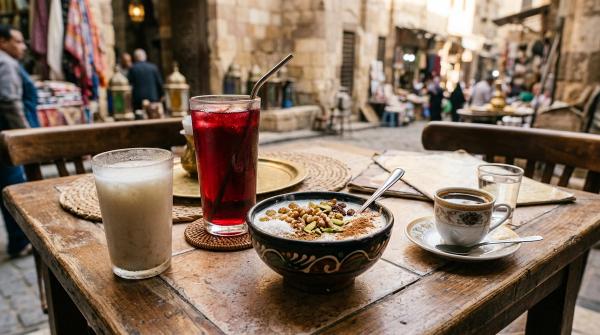
Lassi feels almost too perfect for Indian summer: cold, creamy, lightly tangy, filling without being a full meal, and available everywhere from highway dhabas to sweet shops, cafés, railway stations, food courts, and quick-commerce packs.
But summer also changes the rules for dairy. A glass that is perfectly fine when made fresh and served cold can become questionable if the curd sat out too long, the ice came from unsafe water, the blender jar was barely rinsed, or the packed bottle warmed up in a delivery bag.
Quick answer
#Lassi can be safe in Indian summer when it is made from fresh, properly chilled curd or pasteurized dairy, handled with clean utensils, served immediately, and not left in the heat. Skip it if it smells sour in a harsh way, looks separated or fizzy, tastes unusually bitter, is served from a warm unrefrigerated container, contains doubtful ice, or comes from a stall with poor turnover and visible hygiene problems.
A useful rule of thumb for most perishable dairy foods is simple: do not let them sit at room temperature for more than about two hours, and be even stricter in very hot conditions. That does not mean every glass becomes dangerous at the same minute, but it does mean you should stop guessing when the cold chain is unclear.
This guide is not here to scare you away from lassi. It is here to help you drink the good glass and avoid the lazy one.
Why lassi needs extra attention in hot weather
#Lassi is usually made with curd, water or milk, sugar or salt, and sometimes fruit, spices, malai, rose syrup, dry fruits, or ice. That mix is delicious, but it is also moisture-rich and dairy-based.
In summer, three things matter more than the recipe:
- Time: how long the curd, prepared lassi, or cut fruit topping has been sitting out.
- Temperature: whether it stayed cold enough before serving.
- Handling: whether the vessel, water, ice, blender, ladle, and glasses are clean.
The drink itself may look harmless because lassi is already tangy. That is what makes it tricky. With some foods, spoilage announces itself loudly. With fermented dairy drinks, the line between pleasantly sour and suspiciously off is not always obvious.
If you are traveling, managing acidity, eating with children, or recovering from a sensitive stomach, it is worth being a little more conservative.
The safest lassi is usually the simplest one
#When the weather is brutal, the safest order is often not the fanciest order.
A plain sweet or salted lassi made fresh from chilled curd is usually easier to judge than a tall dessert-style glass loaded with syrup, chopped fruit, cream, dry fruits, ice cream, and old garnish. Extra toppings are not automatically unsafe, but each one adds another storage and handling question.
If you are unsure, choose:
- plain salted lassi,
- plain sweet lassi,
- chaas from a busy counter,
- sealed packaged lassi that has stayed refrigerated,
- or a hot drink instead, if hygiene looks doubtful.
Save the heavy malai or fruit lassi for places that clearly move a lot of orders and keep ingredients cold.
Street stall lassi: what to check before ordering
#A good stall usually tells you a lot before the first sip. Stand there for one minute and watch.
1. Is the curd actually chilled?
#Look for curd or prepared lassi kept in a fridge, ice bath, insulated container, or covered cold vessel. If the main bucket is sitting open on the counter in afternoon heat, skip it.
A large steel container is not a safety guarantee. Steel can look clean while the contents are warm.
2. Is there fast turnover?
#A stall making fresh batches every few minutes is a better sign than one ladling from the same half-full bucket for hours. Busy is not always clean, but low turnover in summer is a genuine warning.
Good signs:
- the vendor is mixing small batches,
- glasses are moving quickly,
- curd is replenished from a cold source,
- ingredients are covered,
- and the counter is not sticky with old spills.
3. Is the ice trustworthy?
#Ice can be the weak point. If you would not drink the water, be careful with the ice.
Ask for no ice if the place looks uncertain. A properly chilled lassi should not need a handful of loose ice to feel cold. If the vendor is adding cloudy, exposed ice from a sack near the drain or road, that is a simple skip.
4. Are glasses and blender jars being washed properly?
#Repeatedly rinsing glasses in the same cloudy tub is not enough. Watch whether cups are washed under running water or whether disposable cups are stored cleanly. If the same blender jar is used for fruit, dairy, syrup, and maybe even old residue without proper washing, pick a simpler drink or leave.
5. Are toppings sitting uncovered?
#Malai, chopped fruit, soaked dry fruits, rose syrup bottles, and garnish bowls should not be sitting uncovered in flies, dust, or heat. Fruit lassi sounds refreshing, but fruit plus dairy plus heat is not a combination to gamble on from a slow stall.
Packaged lassi: safer, but not magic
#A sealed lassi tetra pack or bottle can be a smart choice, especially while traveling. Still, packaged does not mean invincible.
Before buying, check:
- the pack is sealed and not bloated,
- the expiry or best-before date is valid,
- it was stored as instructed on the label,
- refrigerated packs are actually cold,
- there is no leakage, sour smell, or fizz when opened,
- and you can finish it soon after opening.
If a chilled lassi bottle has been sitting in direct sun at a roadside shop, treat it with suspicion. If the label says keep refrigerated, refrigeration is not optional.
For trains, buses, airport transfers, and office bags, buy packaged lassi close to when you plan to drink it. Do not open it, take two sips, and then keep it in a warm bag for later.
Related reading: if you regularly carry food without refrigeration, this guide on no-fridge travel food in Indian summers is a useful companion.
How long can lassi stay outside?
#For practical summer decisions, treat lassi like a perishable dairy drink.
If it is homemade or freshly made, drink it soon after preparation. If it has been sitting at room temperature for a couple of hours, especially in a warm kitchen, car, office desk, station platform, or picnic bag, it is safer to discard it. In very hot conditions, be stricter.
Do not rely only on smell. Some unsafe handling does not produce an obvious smell immediately.
A safer routine:
- Make or buy lassi cold.
- Keep it in the fridge until leaving.
- Carry it in an insulated bottle or cooler if needed.
- Drink it early, not at the end of the day.
- Do not keep leftovers from a glass that has already been sipped from.
If you are packing curd-based foods for travel, the same caution applies to dishes like curd rice. See the related AllBlogs guide on curd rice travel safety in Indian summer for a more food-specific checklist.
Fresh lassi vs fermented-sour lassi: how to tell the difference
#Lassi is supposed to be tangy. So what counts as a bad sign?
Normal signs
#A good glass may be:
- mildly sour,
- creamy or slightly frothy,
- cool to the touch,
- smooth after stirring,
- and fragrant in a fresh dairy way.
Warning signs
#Skip it if you notice:
- a harsh sour smell that feels unpleasant,
- bitterness,
- fizzing or gas in a non-carbonated drink,
- slimy texture,
- curdled lumps that do not mix back in,
- obvious separation with watery liquid and thick clumps,
- mold on curd, malai, or toppings,
- or a warm dairy smell from a glass that should be cold.
Some separation can happen in dairy drinks, especially if they sit. But in a summer street-food setting, you do not need to investigate like a lab. If your first instinct says “this is off,” skip it.
Sweet, salted, fruit, or malai: which lassi is safest?
#Here is a practical ranking when hygiene is uncertain.
If the place is clean and busy, enjoy what you like. If you are judging a random roadside counter in 40°C heat, plain is smarter.
When should you skip lassi completely?
#Skip lassi when:
- you cannot tell whether the curd was refrigerated,
- the vendor is using open ice from an unknown source,
- the counter smells sour or stale,
- cups are rinsed in dirty standing water,
- flies are sitting on toppings,
- the lassi is pre-poured and waiting,
- the packaged bottle is warm or bloated,
- you have a very sensitive stomach that day,
- or you are about to board a long bus, train, or flight with no easy bathroom access.
That last point matters more than people admit. Even a mildly questionable dairy drink can become a big problem when you are trapped in traffic, standing in a temple queue, or sitting through takeoff.
Who should be more cautious?
#Most healthy adults can make a common-sense call. But some people should be more careful with dairy from uncertain places:
- young children,
- older adults,
- pregnant people,
- anyone with a weakened immune system,
- people recovering from stomach infection,
- and travelers who are still adjusting to local food and water.
This is not medical advice. It simply means the risk-reward calculation changes. If the stall looks questionable, choose sealed water, fresh coconut water from a clean vendor, hot tea, or packaged refrigerated dairy from a reliable store.
What about raw milk or “farm fresh” lassi?
#Be careful with claims like “pure raw milk,” “unboiled farm milk,” or “fresh from cow” when you cannot verify safe handling. Pasteurization is used to reduce harmful germs in milk. In home settings, many Indian families boil milk before use, but from a public vendor, you rarely know the full chain.
For a summer drink, reliable pasteurized dairy or properly boiled-and-cooled milk/curd is a safer bet than romantic-sounding raw milk.
How to make safer lassi at home
#Home lassi is usually easier to control because you know the fridge, water, and utensils.
Use this simple checklist:
- Start with fresh curd from pasteurized or properly boiled milk.
- Keep curd refrigerated until you blend.
- Use clean drinking water or chilled milk.
- Wash the blender jar well, especially around the blades and lid.
- Avoid adding cut fruit that has been sitting out.
- Make only what you need.
- Refrigerate leftovers immediately in a clean covered bottle.
- Finish leftovers the same day if possible.
If the power has been out for hours and your fridge is warm, do not use dairy blindly. For monsoon outages, this monsoon power cut food safety guide explains how to think through fridge and leftover decisions.
Travel situations where lassi becomes risky
#Lassi is not just a food choice. In Indian summer, it is often part of travel: highway stops, temple-town breakfasts, rail platforms, airport food courts, wedding trips, and city food walks.
Be extra careful in these situations:
Long road trips
#A lassi at a clean, busy dhaba may be fine. A bottle bought cold and then kept in the car door for four hours is not. Car interiors heat up fast, and dairy does not appreciate that.
Railway stations
#Choose sealed, cold, in-date products from a reliable counter over open dairy from a slow platform stall. If you are already carrying a heavy meal, skip the extra dairy.
Food walks
#Morning is usually better than late afternoon for dairy-heavy stops because turnover is high and the day is cooler. This is one reason the Amritsar morning food walk safety guide recommends early timing for rich breakfast foods.
Office bags and school bags
#Homemade lassi is not ideal for a warm bag unless you use an insulated bottle and drink it early. For kids, a sealed refrigerated pack consumed soon after purchase is often more practical than a homemade bottle sitting outside until lunch.
A simple ordering script
#If you are not sure, ask directly. Good vendors usually answer easily.
Try:
- “Fresh bana hai kya?”
- “Curd fridge se hai?”
- “Ice mat daaliye.”
- “Plain salted lassi milegi?”
- “Packaged cold bottle hai?”
If the answer is vague, annoyed, or the vendor points to an open bucket in the heat, you have your answer.
The bottom line
#You do not need to avoid lassi in Indian summer. You just need to stop treating every cold, white, sweet glass as automatically safe.
Choose fresh, cold, simple lassi from a clean and busy place. Be careful with ice, fruit toppings, malai, and warm packaged bottles. Drink it soon, do not carry opened dairy around, and skip it when your stomach or the stall gives you doubts.
The best summer lassi is not the tallest one with the most toppings. It is the one you enjoy and then forget about because your day continues normally.
Safety basis used for this guide
#This guide follows general food-safety principles from public food-safety authorities: perishable dairy should not be left unrefrigerated for long periods, hot conditions shorten safe holding time, pasteurization reduces risks in milk, and hygiene matters during preparation and service. It also applies those principles to common Indian lassi situations such as street stalls, packaged dairy, travel, and home preparation.