Amritsar in the morning is not gentle. Let’s just start there. It wakes up with scooter horns, temple bells, tandoors coughing out heat, men folding newspapers near tea stalls, and that buttery smell that finds you even before you’ve properly opened your eyes. I went thinking I’d do a neat little breakfast walk, eat one kulcha, sip one lassi, take a few cute photos, and move on with my travel day like a sensible person. Ha. No. Amritsar had other plans. By 9:30 in the morning I had butter on my fingers, chole on my sleeve, and a lassi moustache that I didn’t notice until a shopkeeper smiled at me and pointed to his own upper lip.
This post is partly a love letter to Amritsari breakfast and partly a friendly warning. Because yes, the food is incredible, proper soul-level stuff, but a morning food walk here needs a little common sense too. Especially if you’re not used to rich dairy, spicy chole, crowded lanes, or eating hot bread basically straight from a clay tandoor while standing near moving traffic. I’m not saying be scared. Please don’t be scared. Just don’t be that person who eats three kulchas, drinks two giant lassis, walks in peak heat, and then blames India. Pace yourself, yaar.
Why Morning Is the Best Time to Eat Amritsar, Not Just Visit It
#I’ve visited cities where breakfast is kind of an afterthought. Amritsar is not one of them. Morning here feels like the whole city is stretching, frying, kneading, pouring, and feeding everyone before the day gets serious. If you’re staying near the Golden Temple area, you’ll hear the city before you see it. The old lanes around Katra Ahluwalia, Hall Bazaar, and the roads leading toward Jallianwala Bagh start filling early, and the food rhythm is quick. Dough balls slapped flat. Kulchas stuffed. Chole ladled into steel plates. Pickle bowls refilled. Lassi churned thick enough to slow down time.
The other reason morning works is practical: it’s cooler, food turns over fast, and the best breakfast places haven’t yet been attacked by the full tourist rush. Amritsar can get hot and dusty, and even in winter the crowds build as the day goes on. I usually like starting around 7:30 or 8:00, after a quick tea, not on a totally empty stomach because spicy chole first thing can be... aggressive. If you’re doing the Golden Temple at sunrise, which is honestly one of the most beautiful travel experiences in India, then breakfast after that feels almost holy. Wash your hands, cover your head inside the complex, be respectful, and then go earn your kulcha.
My First Proper Amritsari Kulcha Morning
#I remember the first real kulcha morning very clearly. Not because it was fancy. It wasn’t. I was half lost, my phone battery was already acting dramatic, and a rickshaw driver had just told me, with total confidence, that the place I wanted was “bas paas hi hai,” which in India can mean two minutes or twenty. I followed the smell more than the map. That sounds romantic but it’s also true.
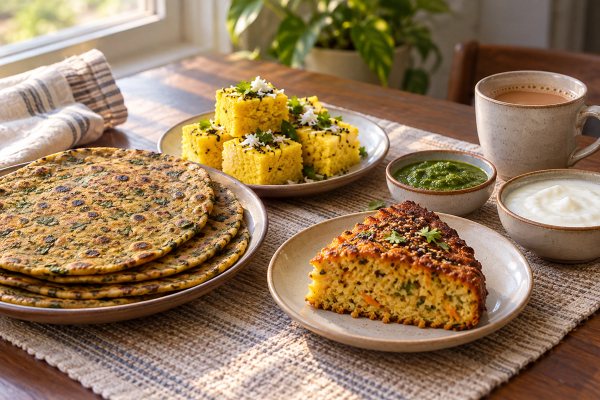
The kulcha came on a steel plate, blistered from the tandoor, edges slightly charred, top shining under a scandalous amount of butter. It was stuffed with potato, onion, ajwain, coriander, and whatever secret masala makes your brain go quiet for a second. The chole beside it were dark, tangy, not watery, with that deep Punjabi spice warmth that doesn’t just sit on the tongue. There was a sharp chutney, a bit of pickle, and sliced onion. I tore the first piece too fast and burnt my fingers. Rookie mistake. But the bite... uff. Crisp outside, soft inside, buttery but not lazy, spicy but not just burning for the sake of it. That’s the thing about a good Amritsari kulcha: it has attitude.
And then I looked around and noticed locals eating faster than me, cleaner than me, and somehow without getting butter everywhere. One uncle next to me was dipping, folding, and eating like he’d trained for this his whole life. Me, I was making a mess. Happily.
Kulcha Safety: How to Choose the Good Kind, Not Just the Famous Kind
#Let’s talk safety without turning breakfast into a medical lecture. The safest kulcha, in my experience, is the one coming hot and fast out of a busy tandoor. Heat is your friend. Turnover is your friend. A place with a steady local crowd is usually a better sign than a place that only has tourists taking selfies outside. I don’t care if the signboard says “world famous” in three languages, I still want to see fresh dough, hot tandoor, clean-ish plates, and staff who aren’t handling money and food with the exact same fingers every two seconds.
- Choose kulchas that are cooked fresh, not ones sitting sadly under a cloth getting sweaty.
- Watch the chole. If it’s bubbling hot or being refilled often, I feel much better about it.
- Raw onion and chutney are delicious, but if your stomach is sensitive, go light on them the first day.
- Carry sanitizer, but also use actual soap and water when you can. Sanitizer over butter-grease hands is not magic.
I know some people will tell you to avoid all street food in India. I don’t agree. That’s too extreme, and honestly you’d miss half the joy of traveling here. But I also don’t believe in reckless eating just because a place is popular on Instagram. The trick is choosing smartly. I wrote down similar notes after other Indian breakfasts too, and if you’re new to morning food in India, this Indian Breakfast Guide for Foreign Tourists: Idli, Dosa, Poha & Safety has the same basic idea: eat fresh, eat hot, and don’t let excitement switch off your brain.
The Famous Stops, and How I Actually Treat Them
#People will argue endlessly about the best kulcha in Amritsar. It’s practically a sport. Kulcha Land on Ranjit Avenue gets mentioned a lot, especially by visitors who want a cleaner, easier-to-navigate stop outside the tight old lanes. All India Famous Amritsari Kulcha near Maqbool Road is another name that comes up often. Bharawan da Dhaba is more of a classic vegetarian meal institution, and Kesar da Dhaba in the old city is legendary but I personally think of it more as a later meal than a quick breakfast, depending on your appetite and patience. Then there are smaller places with no glossy reputation where the kulcha can still knock you sideways.
My honest opinion? Don’t make the morning only about checking off a famous shop. Amritsar is better when you leave some space for accident. A good food walk could start near the Golden Temple area, move through the old market lanes for tea and snacks, then head to a kulcha place by auto if the one you want isn’t walkable. Or do it the opposite way and end near the temple for calm after the butter storm. But please check timings locally. Shops change hours, family-run places take breaks, and sometimes the best stall is simply closed because life happened. That’s India. Annoying and charming, both.
Lassi: Beautiful, Thick, Dangerous If You Get Cocky
#Now lassi. Amritsar lassi is not a casual beverage. It is breakfast, dessert, dairy meditation, and possibly a nap invitation. The good ones are thick, cold, slightly tangy, sweet but not childish, with malai on top like a soft creamy blanket. Some come in steel tumblers, some in kulhars, those little clay cups that make everything taste more earthy and special. Ahuja Lassi is one name people bring up, and there are plenty of old-school lassi counters around the city where you’ll see tall glasses lined up like soldiers.
But dairy needs respect. This is where many travelers get overconfident. If you’ve just landed in India, maybe don’t start with the biggest lassi on the menu after a spicy, buttery kulcha. Especially in summer. Choose a place with high turnover, visible refrigeration or fresh preparation, and clean cups. Avoid added ice unless you’re sure about the water source. If the lassi tastes sour in a weird way, not pleasantly fermented but like it’s been waiting too long, leave it. I know wasting food feels bad, but ruining your trip feels worse.
Also, dairy plus heat plus walking can hit your stomach like a plot twist. I usually share one lassi first. If my stomach agrees, then maybe I go for another later in the trip. Not the same morning. Younger me would have ignored this advice and suffered dramatically in a guesthouse bathroom. Older me has learned. Mostly.
My Morning Route That Worked Without Destroying Me
#The best Amritsar morning food walk I did was not perfectly planned, which is probably why I loved it. I started before sunrise near the Golden Temple. Even if you’re there for food, go inside if you can do it respectfully. The reflection of the shrine in the water, the sound of kirtan, the slow movement of people, it all settles you. The langar there is one of the most moving food experiences in the world, free vegetarian meals served to anyone, run with incredible volunteer energy. I didn’t treat it like a food-tour stop because that feels wrong to me. It’s not a restaurant. But sitting there, eating simple dal, roti, and kheer with strangers, reminded me that food in Amritsar is not only indulgence. It’s service too.
After that, I walked out into the lanes and had chai. Just a small clay cup, hot and sweet. Then I wandered toward the market area and picked up little bites, not too much. A crisp mathri here, a taste of something fried there. Then auto to a kulcha shop because I wanted the fresh tandoor moment, not a cold snack pretending to be breakfast. I ate one kulcha. One. This is important because the second one always looks possible until halfway through, when you realize you are basically made of butter now.
After kulcha, I walked slowly, not heroically, toward Jallianwala Bagh and the old city side. Hydrated. Took breaks. Later, lassi. Not immediately. That little gap saved me. If you’re doing 10,000 steps in a food-heavy city, timing matters more than people think. I use the same logic I use for any walking breakfast day, like in this Walking Tour Breakfast: What to Eat Before Long Walks: don’t load your stomach like a suitcase and then expect it to roll smoothly.
Crowds, Lanes, Scooters, and the Non-Food Safety Stuff Nobody Mentions
#Food safety is only half of it. Amritsar mornings can feel calm near the shrine and then suddenly chaotic once you’re in the lanes. Scooters slide through gaps that do not look like gaps. E-rickshaws appear behind you with tiny horns. People stop without warning. Dogs nap in the exact place your foot wants to land. It’s not dangerous in a horror-movie way, but you need your attention switched on.
- Keep your phone inside when walking through crowded lanes. Step aside if you need maps.
- Carry small cash. Don’t flash a fat wallet while buying a 40-rupee chai.
- Wear shoes with grip. Old city lanes can be wet near food stalls and washing areas.
- If you’re solo, tell your hotel where you’re heading, especially if you start before sunrise.
- Be careful with monkeys around some busy areas. Don’t wave food around like a challenge.
For women travelers, I found mornings fairly comfortable, especially around busy food areas and religious sites, but I still dressed modestly, kept moving with purpose, and avoided empty side lanes before the shops opened fully. Most people were helpful, sometimes too helpful, like three different uncles giving three different directions at once. But that’s better than nobody caring, I guess.
What to Eat Besides Kulcha and Lassi, Because You’ll Be Tempted
#You came for kulcha and lassi, but Amritsar will throw other breakfast ideas at you. Chole puri at Kanha Sweets is one of those classic mentions, with crisp puris and rich chole that can make you question your loyalty to kulcha. There are jalebi counters where the syrup smell grabs you by the collar. There’s chai everywhere. You might find paneer pakora, samosa, bread pakora, seasonal sweets, and those crunchy little snacks that seem harmless until you’ve eaten a whole paper plate.
My advice is boring but useful: pick a theme for the morning. If it’s kulcha morning, let kulcha be the star. Add chai, maybe a shared sweet, then lassi later. If it’s chole puri morning, don’t force kulcha too. Amritsar food is rich. It’s not tapas, even when portions look shareable. And the butter here is not decorative, it is structural.
For sweets, be extra careful with dairy-heavy items if they’ve been sitting out in warm weather. Fresh jalebi from hot oil is usually a safer bet than a cream-based sweet that has been waiting on a counter too long. This is the same dairy logic I use anywhere in India, and if you’re curious about that side of things, the Indian Sweets Guide for Foreign Tourists: Dairy, Nuts & Freshness is worth reading before you go full mithai monster.
Water, Heat, and the Tiny Mistakes That Ruin Big Food Days
#The most unglamorous travel tip is also the one I repeat like an aunty: drink safe water. Bottled water with a sealed cap, filtered water from a trusted hotel, or your own purification method. Don’t experiment with tap water because you “want to build immunity.” That’s not how holidays work. Keep ORS sachets in your bag. They weigh nothing and can save a day. I also carry tissues, sanitizer, a tiny soap strip, and sometimes fennel seeds because my stomach appreciates old-school solutions.
Heat is sneaky in Amritsar. In cooler months you’ll be fine, but in hot season, a heavy breakfast can sit inside you like a brick. Walk in shade where possible. Use a cap. Don’t be ashamed to take an auto for a distance that looks walkable on Google Maps. Maps do not include cow traffic, wedding processions, lane confusion, or your post-lassi sleepiness.
And please don’t combine every risk at once. Like, don’t eat raw salad from an unknown stall, drink iced lassi, then try a mystery chutney, then hop on a long bus ride. Choose your adventures one at a time. The food isn’t going anywhere.
How I Judge a Stall in About Thirty Seconds
#I’ve developed this slightly ridiculous stall-scan habit when I travel. My friends make fun of me, but they also ask me where to eat, so there. First I look for movement. Are people eating and leaving quickly? Good. Is the cook making the main item fresh? Great. Are plates being washed properly or at least replaced with clean ones? Important. Is there a pile of old food sitting near dust and flies? No thanks. Is the vendor annoyed by basic hygiene questions? Also no thanks, though language and shyness can be a thing, so I try not to be rude.
With kulcha, I want to see the tandoor action. With lassi, I want to see cold storage or fresh churning, and I want the serving cups to look clean. With chutneys, I’m cautious if they’re watery and uncovered. With pickles, I’m less worried because oil and salt help, but still, clean spoon please. If you’ve travelled around street food a lot, these clues become automatic. If not, a practical food safety mindset like the one in Food Truck Meals While Traveling: Safety Clues and Red Flags applies surprisingly well, even though Amritsar is obviously not a food truck scene.
A Note on Respect: Amritsar Is Not Just a Breakfast Playground
#This matters. Amritsar is delicious, yes, but it is also deeply emotional and sacred for many people. The Golden Temple is not a backdrop for butter reels. Jallianwala Bagh is not just something to “tick off” between snacks. The Partition Museum, if you visit, can leave you quiet for hours. I think food travel is better when you let the place be whole, not just edible. Eat the kulcha, absolutely. Drink the lassi. But also pause, listen, and understand that this city carries history in its walls.
One of my strongest memories is walking from a heavy breakfast into a narrow lane where an old man was sitting with tea, just watching the morning. He asked where I was from, then told me his family had run a small shop for decades. We talked about food first, because that’s the easy door, then about how much the city had changed. He laughed when I said I couldn’t finish a second kulcha. “Good,” he said, “tourist stomach must learn slowly.” Correct. Painfully correct.
My Practical Amritsar Morning Food Walk Plan
#- Start early, around 7:00 to 8:00 if you can. The city is cooler, the food is fresher, and your patience is usually better.
- Visit the Golden Temple first if it’s on your list, but treat it with respect. Cover your head, remove shoes, wash feet, and don’t behave like it’s a theme park.
- Have tea before the big food. It wakes you up and gives your stomach a polite warning.
- Choose one main breakfast: kulcha or chole puri. Not both unless you’re sharing.
- Drink lassi later, not immediately after stuffing yourself. Share first if you’re new to rich dairy.
- Carry water, tissues, sanitizer, ORS, and small cash. Boring things, very useful things.
- Walk slowly after eating. Your body is not a content machine. Let it digest.
The best Amritsar food walk is not the one where you eat the most. It’s the one where you taste properly, stay well, and still want to go out again the next morning.
Final Thoughts: Butter, Boundaries, and One More Chai
#Amritsar taught me that food travel is sometimes about appetite, but often about restraint. Weird, I know. The city will offer you more than you can handle: hotter kulchas, thicker lassi, sweeter jalebi, louder markets, deeper history, warmer strangers. You don’t have to conquer it. Just meet it honestly. Eat the fresh hot stuff. Be careful with dairy. Watch the traffic. Respect the sacred spaces. Ask locals, but trust your own eyes too. And when in doubt, have chai and think for five minutes.
Would I go back for another morning food walk? In a second. I’d probably still burn my fingers on the kulcha because I never learn, and I’d probably still promise myself only half a lassi before finishing the whole glass. But I’d go slower now. I’d leave more room, not just in my stomach but in the day. Because Amritsar breakfast isn’t only breakfast. It’s travel at its most alive: messy, generous, spicy, buttery, and a little bit overwhelming in the best way. If you’re planning your own food adventures around India, I keep finding fun, useful reads on AllBlogs.in, so maybe wander there next, preferably with a snack nearby.