Malta surprised me. Properly surprised me, actually. Before going, I had this vague idea that it would be some expensive Mediterranean place full of honeymoon people, yachts, and fancy sunset restaurants where one coffee costs half my day budget. And yeah, that side exists. But if you do it smartly, Malta can be very doable for Indian travelers, even on a controlled budget. I did it with a lot of walking, some bus confusion, one or two lazy splurges, and way too many bakery stops. Totally worth it.
If you're coming from India and wondering whether Malta is practical for a 5-day trip, the short answer is yes. It’s small, connected well enough by buses and ferries, English is widely spoken, and for a Schengen trip, it can feel less intimidating than bigger European countries. Plus the weather is usuallly nice for a big chunk of the year, the sea is insanely blue in real life, and there’s history everywhere without needing 3-hour train rides between cities. That matters when you’ve only got a few days and a budget hanging by a thread.
First things first: is Malta safe, easy, and worth it for Indians?
#From my experience, yes on all three. Malta felt quite safe, even in the evening around busier areas like Sliema, Valletta and St Julian’s. Of course, basic travel common sense still applies, don’t leave your phone hanging out in crowded buses, don’t act overconfident near nightlife zones, and if you’re swimming in rocky areas please don’t do hero-giri. The rocks are slippery. I almost learnt this the dumb way.
For Indians, Malta is also mentally easier because English is an official language there, so reading bus signs, menus, ferry boards, and hotel instructions is way less stressful. Locals also switch between Maltese and English casually. I found people direct, sometimes a bit brisk, but helpful when asked properly. Visa-wise, Malta comes under the Schengen setup, so you’ll need a Schengen visa. Apply with proper hotel bookings, travel insurance, flight details, and realistic bank statements. Don’t do jugaad with paperwork here. European visa officers are not amused by random story-telling.
What I liked most about Malta was this weird combo of Europe, Arab influence, old stone cities, beach energy, and total practicality. It doesn’t feel fake-pretty. It feels lived in.
How much does a budget Malta trip cost from India?
#Let’s talk money because that’s the real issue, na. Flights from India vary wildly depending on season and where you depart from. From Delhi, Mumbai, Bangalore and sometimes Kochi, I usually saw return fares in the broad range of about ₹38,000 to ₹65,000 if booked in advance, often with one stop via the Middle East or Europe. Last-minute fares can get ugly fast. If you travel in shoulder season, you’ll probably thank yourself later.
| Expense | Budget Range for 5 Days | My Honest Take |
|---|---|---|
| Return flights from India | ₹38,000 - ₹65,000 | Book early, shoulder season helps a lot |
| Hostel dorm / budget room | €25 - €60 per night | Sliema and St Julian's have more options, Valletta can be pricier |
| Daily food | €15 - €30 | Bakery breakfast + supermarket snacks saves money |
| Public transport | €25 - €35 total | Bus pass can be useful if you move around a lot |
| Ferries / day trips / entries | €30 - €80 | Depends how many paid attractions you do |
| Overall excluding shopping | Around ₹70,000 - ₹1.2 lakh | Can be lower if you get cheap flights and stay in dorms |
If you’re a backpacker-type person, Malta can be done on the lower end. If you want private rooms and nice dinners, then obviously budget stretches. I stayed fairly sensibly, not super stingy but not luxurious either, and found that food and transport were manageable once I stopped behaving like every sea-view café was meant for me.
Best areas to stay in Malta on a budget
#This part matters a lot more than people think. Malta is small, but choosing the wrong base can waste time and money. For most Indian travelers on a 5-day plan, I’d say stay in Sliema or Gżira if budget is the priority. You get buses, ferries, supermarkets, cheap food options, and relatively better accommodation rates than Valletta. Also, it feels active without being too chaotic. St Julian’s is good if you want nightlife, but some parts are louder and slightly pricier. Valletta is beautiful, no doubt, but staying there can cost more and luggage-on-stairs situations are very real.
- Sliema: best balance of budget, buses, seafront walks, restaurants, ferries
- Gżira: practical, slightly less glam, often cheaper, good for longer stays
- St Julian’s: fun, lively, useful for younger crowd, but can tempt overspending
- Valletta: stunning for 1-2 nights if budget allows, not always cheapest
Hostels and guesthouses change rates depending on month, but budget dorms often start around €25-€35, while very basic private rooms may begin around €45-€60 if booked smartly. Summer can shoot up. June to August is peak season, and Malta gets packed. Prices rise, beaches get crowded, and buses... hmm, let’s just say patience becomes your spiritual practice.
Best time to visit Malta if you don’t want to suffer
#For Indians, especially if you’re used to humid heat but still don’t want to roast while climbing stone streets, I’d say April to June and September to early November are the sweet spots. Good weather, swimmable water in warmer months, and not the absolute madness of peak summer. July and August are lively, yes, but also hotter, pricier, and busier. Winter is quieter and cheaper, and sightseeing is great then, though sea activities become hit-or-miss.
One thing I didn’t fully expect was the wind. Malta can be windy even on bright sunny days, so don’t pack only cute summer outfits and then sit there shivering near the coast like I did. Carry a light layer. Tiny thing, but useful.
My 5-day Malta budget itinerary for Indians
#Day 1: Valletta and the slow introduction
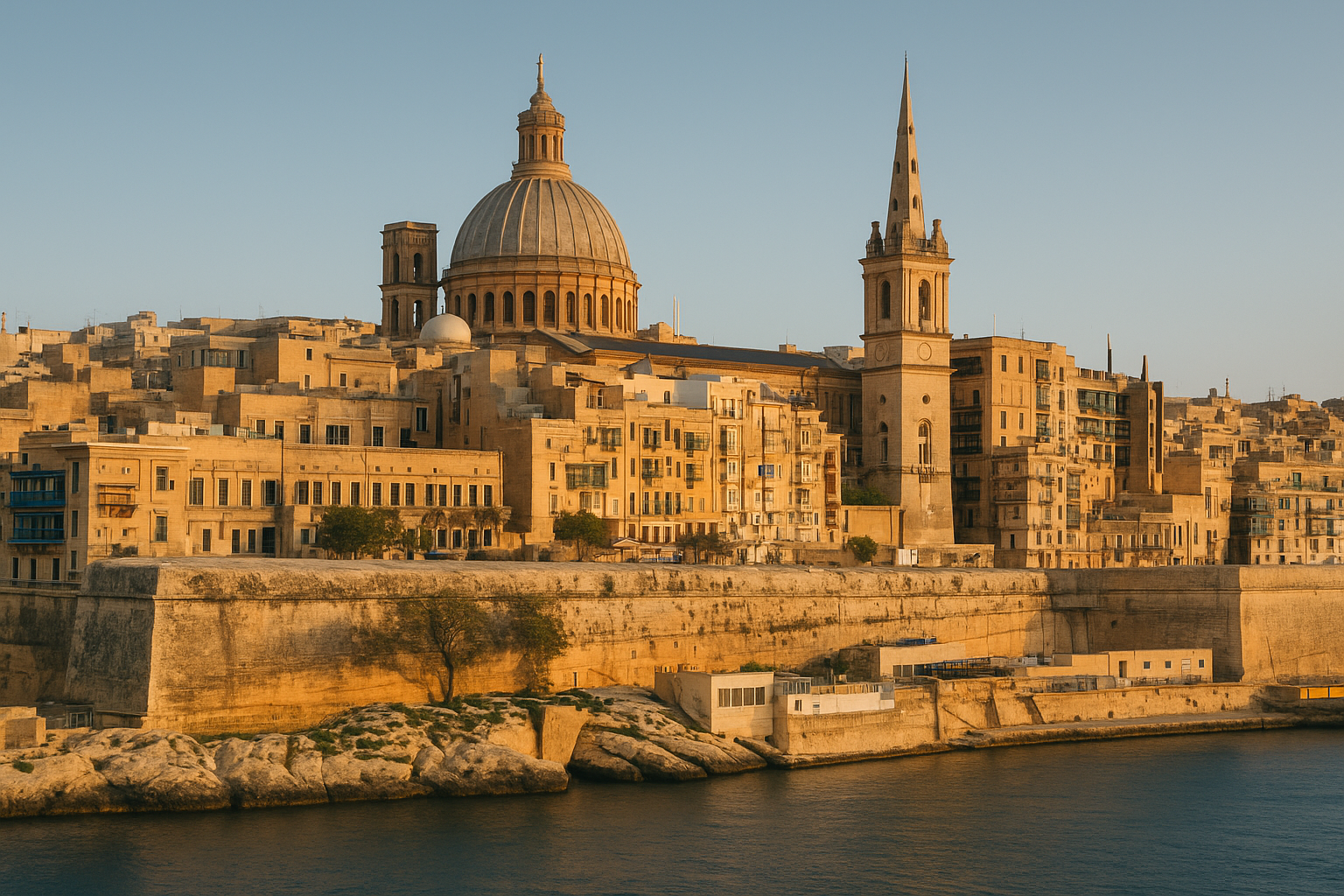
#On day one, go straight to Valletta. Don’t overplan. Just let the city introduce itself. I took the ferry from the Sliema side and honestly that was the right move because seeing Valletta rise up from the water is kind of the perfect first impression. Walk through the old streets, check out St John’s Co-Cathedral if that interests you, and spend time at Upper Barrakka Gardens for the Grand Harbour views. Even if you’re not a huge history person, Valletta just has that atmosphere. Golden stone, narrow lanes, balconies, old doors, random cats doing nothing important...
If you want to save money, skip the expensive sit-down lunch and grab a pastizzi and a drink from a bakery or small snack spot. Pastizzi, by the way, became my dangerous little budget friend in Malta. Flaky pastry, usually filled with ricotta or mushy peas, cheap and filling. Not exactly healthy but we are travelling, not joining a wellness retreat. In the evening, just walk. Valletta is best when you’re not rushing.
Day 2: Mdina, Rabat, and a more quiet Malta
#Day two should be for Mdina and Rabat. Take a bus in the morning before it gets too busy. Mdina is called the Silent City, and for once a tourist nickname actually feels accurate. It’s elegant, calm, and kind of cinematic. If Valletta feels grand and maritime, Mdina feels still and inward. I loved it. Walk the bastions, get lost in the alleys, and then drift into Rabat for a more lived-in local feel. You can see catacombs if that’s your thing, though I’ll be honest, I needed a coffee after all that underground eeriness.
Food-wise, this is a nice day to try a proper Maltese plate if your budget allows. Rabbit is traditional, though not everyone wants that. There’s also ftira, local bread-based meals, and seafood in many places. Vegetarians won’t starve, but they may need to look a little harder. I found plenty of pasta, pizza, salads, pies, falafel-type places, and supermarket options, but strict veg Indian travelers should still save maps in advance. Carry thepla if you must. No shame, honestly.
Day 3: Blue Grotto or Marsaxlokk, then beach time if weather behaves
#This is where you can adjust based on weather. If the sea is calm, head to Blue Grotto area in the morning. The boat rides depend on conditions, so don’t act shocked if they stop them for safety. Malta takes sea conditions pretty seriously, which is a good thing. Another nice option is Marsaxlokk, the fishing village with colorful boats. Touristy now, yes, but still charming. If you go on a Sunday, the market scene is busier. I liked just sitting there, eating something simple, and watching the harbour mood do its thing.
Later, if you want beach time, choose one based on your energy level and transport patience. Golden Bay is popular and sandy. Mellieħa Bay is also easier for a proper swim. St Peter’s Pool looks gorgeous in photos, but reaching it can be a hassle and I wouldn’t recommend it if you don’t enjoy rougher paths or if you’re travelling with parents. Some of Malta’s most famous swimming spots are rocky, not sandy, which a lot of Indian travelers don’t realize until they’re standing there in floaters wondering what went wrong.
Day 4: Gozo day trip on a budget
#Please keep one full day for Gozo. Seriously. If Malta is already beautiful, Gozo feels softer and a bit more open. I took an early bus north, then the ferry across, and even that ferry ride felt like part of the trip rather than just transport. Once there, you can either do buses, rent a scooter if you’re confident, or split a taxi for key spots if you’re in a small group. Budget-wise, buses are cheapest but slower.
Victoria, the Citadel, Ramla Bay, and the coastal viewpoints are all worth it. If you’ve seen old photos of Azure Window, just know it collapsed years ago, so don’t go expecting that. But the Dwejra area is still dramatic and worth seeing. Gozo also felt slightly less frantic than main Malta, and I kind of wished I had stayed there one night. If you’re the sort who likes quieter evenings, that may be a smart tweak to this itinerary.
Day 5: Easy morning, shopping, local food, and one last swim or ferry ride
#On the last day, don’t force a huge checklist. Malta is better when allowed to breathe a little. Use the final morning for a swim in a nearby spot, a long seafront walk in Sliema, souvenir shopping in Valletta, or a lazy brunch. I picked up local snacks, postcards, and some random supermarket goodies because, weirdly, that’s one of my favourite ways to carry a place home. If your flight is later, this is also the time to visit the Three Cities, which many tourists skip. They have that old-Malta feel without the same crowd pressure as Valletta.
Transport tips that saved me money and one headache at least
#Malta’s buses are the main budget traveler tool. They’re cheap compared to taxis, cover most major places, and are pretty reliable overall, though delays and crowding do happen. In peak months, buses can get so full they pass stops, which is maddening when you’re already tired and sunburnt. Leave buffer time, especially on airport days. Ferries are also super useful between Sliema and Valletta and for some harbour connections. Faster, prettier, and not expensive.
App-based taxis exist too, and they’re useful late at night or when you’ve had enough of waiting. My advice is simple: use buses for most of the trip, ferries whenever practical, and taxis only strategically. Don’t rent a car unless you’re very comfortable with local driving conditions and left-side driving in narrow roads. Technically Indians are used to driving on the left, sure, but that doesn’t magically make unfamiliar roads stress-free.
What to eat in Malta when you’re Indian and budget-conscious
#I know this is big for us. We can admire architecture all day, but if food is disappointing then mood also goes down, let’s be honest. Malta isn’t like going to London where Indian food is everywhere, but you will find Indian restaurants in places like Sliema, St Julian’s and Valletta. A few are genuinely decent, though not all are worth the price. I didn’t eat Indian food daily there because local bakery food and Mediterranean stuff was easier on the wallet. But around day four, a warm curry suddenly felt emotional. You know what I mean.
- Pastizzi for cheap snacks
- Ftira sandwiches or bread meals for filling lunches
- Pizza slices, bakery pies, and supermarket meal deals for budget dinners
- Seafood if you want one splurge meal
- Indian restaurants for comfort food, but check recent reviews first
Also, if you’re vegetarian or Jain, do some prep. Use Google Maps lists, save a few reliable places, and carry emergency snacks from India. Not because Malta is impossible, just because after a long sightseeing day, nobody wants to start a philosophical debate with a menu.
A few things Indians should know before going
#Tap water in Malta is technically safe but not very pleasant-tasting, so many travelers prefer bottled or filtered water. Card payments are widely accepted, but keep some cash for smaller places or buses if needed. European plugs apply, so carry an adapter. And pack good walking shoes. Not stylish-only shoes. Real shoes. Malta has slopes, stone lanes, rough paths, and random staircases that will humble you.
Another thing, Malta has become more popular in recent years, partly because it’s small, photogenic, English-friendly, and easier to combine with a Schengen itinerary. So yes, it can feel crowded in peak periods. Book accommodation earlier than you think you need to, especially if travelling in summer or around festivals. There are local festas too, with fireworks, music, processions and a lot of neighborhood energy. If your dates match one, go see it. It’s noisy, chaotic, and fun in a very real way.
My honest final take on Malta on a budget
#Would I recommend Malta to Indian travelers looking for a short Europe trip? 100 percent, yes. Especially if you want sea views, history, manageable logistics, and a destination that doesn’t demand 12 internal transfers to enjoy properly. It’s not the cheapest place in the world, no. But for what it gives you in five days, I think the value is solid. You can do culture, beach time, ferries, old cities, island views, and decent food without feeling like the whole trip is one long expensive emergency.
My biggest advice is don’t treat Malta like a checklist island. Let some hours stay unplanned. Sit by the water, take the ferry just because, wander in Valletta after sunset, eat another pastizzi even if you already had one, and don’t panic if buses mess up your perfect schedule. That’s part of it. And if you’re researching more practical travel stories like this, casual and from an actual Indian traveler angle, have a look at AllBlogs.in too. Quite a handy rabbit hole, not gonna lie.