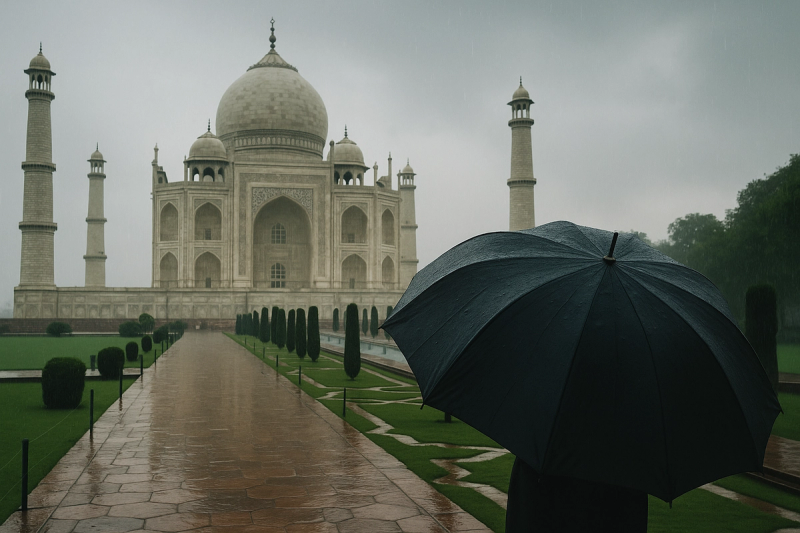
If you’re planning to see India in monsoon, first thing — good choice. Second thing — also slightly dangerous choice if you come with dreamy movie expectations and zero planning. I say this with love. Rain in India can be magical, green, romantic, cinematic... and also wildly inconvenient. Trains run late, roads get slushy, shoes die, backpacks smell weird, and one badly packed day can ruin a whole route. But honestly? Monsoon is still one of my favourite times to travel in India. The crowds thin out in many places, the hills turn almost stupidly green, waterfalls wake up, chai tastes better somehow, and the whole country feels softer around the edges.
I’ve done monsoon trips in Konkan, Kerala, Goa, Mumbai, parts of Rajasthan right after the first showers, and a very soggy stretch through the Western Ghats where me and my friend thought one umbrella for two people was enough. It was not enough. So this isn’t just generic advice. This is the sort of thing I’d tell a foreign friend before they land here and say, “We want the real India in rain season.” Cool, but let’s make sure you don’t spend that real India with trench foot and a cancelled hill road.
First, understand how monsoon in India actually works
#A lot of foreigners imagine one single nationwide rainy season. India doesn’t really behave that neatly. The southwest monsoon usually starts hitting Kerala around early June, then moves upward across the west coast, central India, and many northern regions through June and July. Peak rain in many places is July to August, though some spots start earlier or stretch later. Then Tamil Nadu and parts of the southeast get a lot from the northeast monsoon around October to December. So when someone says “India in monsoon,” the route matters more than the calendar itself.
Also, not all rain is equal. Mumbai monsoon is intense urban rain with waterlogging risk, dramatic skies, local train delays, but amazing vibes if you like city energy. Kerala monsoon is lush, herbal, misty, slower, very beautiful. Rajasthan in monsoon is more about relief, moody forts, sudden showers, and greener landscapes than people expect. Ladakh? Different story entirely, because it’s largely in rain shadow and often works as a monsoon escape while the rest of India gets drenched. That’s why route planning is half the battle, basically.
Best monsoon routes for foreigners, depending on what kind of trip you want
#This is where people mess up. They try to do too much. In dry season, maybe okay. In monsoon, keep it tighter. Build extra buffer days. Don’t assume a six-hour road trip will remain six hours. It won’t, lol.
- Western Ghats route: Mumbai – Lonavala – Matheran – Mahabaleshwar – Goa. This is for people who want rain, mist, green valleys, waterfalls, dramatic train views, hot snacks, old hill stations, and a little chaos. Gorgeous, but check landslide conditions in peak rain.
- Kerala route: Kochi – Munnar – Thekkady – Alleppey or Kumarakom – Varkala. Great for slower travel, Ayurvedic stays, backwaters, tea hills, and cozy rain days. If you want monsoon to feel healing instead of hectic, this is the one.
- Konkan route: Mumbai – Alibaug or Harihareshwar – Ganpatipule – Tarkarli – Goa. Super underrated in rain if you love coastal roads, red soil, village landscapes, seafood, and less polished travel. Though sea activities may be shut due to rough water, so go for the atmosphere, not just beaches.
- Rajasthan after first rains: Udaipur – Kumbhalgarh – Mount Abu – Bundi. Not peak-rain lush like Kerala, but the clouds around lakes and palaces are just... wow. Udaipur in soft rain is honestly one of the prettiest things in India.
- Monsoon escape route: Delhi – Leh – Nubra – Pangong, or Himachal’s Spiti side depending on road status. If you want to travel during India’s monsoon but avoid much of the rain, these high-altitude regions are often the move. Still, road conditions can change fast, and altitude sickness is a bigger issue than rain there.
Routes I’d be a bit careful with during heavy monsoon
#Not saying don’t go, just go smarter. Parts of Uttarakhand and Himachal can be risky in peak monsoon because of landslides, blocked roads, cloudbursts, and transport disruption. Same with certain Northeast sectors depending on flooding and local road conditions. Kashmir can be lovely in summer, but if your plan depends on multiple mountain road transfers during active bad weather, keep backup plans. Every year there are stretches where things get messy fast. Please don’t treat mountain warnings like fun adventure content. Local advisories exist for a reason.
My rule in Indian monsoon travel is simple: if locals start casually saying “aaj mat niklo” — maybe don’t be the brave tourist who still goes.
When to come, if you want the beauty but less drama
#Personally, I think late June to early August is beautiful on the west coast if you actually enjoy rain and don’t mind changing plans. For many foreigners though, the sweet spot is often shoulder monsoon — late June, early July, or then late August into September depending on region. You still get greenery, cloud cover, lower hotel rates in many destinations, and fewer brutal disruptions than peak storm periods. September can be especially good in parts of Kerala, Goa, and Maharashtra because everything looks washed and alive, but transport can feel a little more stable. Not guaranteed, obviously. Weather has become less predictable in recent years, and that’s true all over India now.
What to pack for India monsoon, and what not to bother carrying
#Okay this part matters way more than people think. You do not need a giant winter-style waterproof jacket unless you’re in a colder hill area. In humid monsoon India, heavy rain gear can feel like a personal sauna. What works better is light, quick-dry stuff that you can rewear and wash easily. I learned this the gross way after carrying thick cotton clothes on a Kerala trip. Nothing dried. Nothing. My bag smelled like a wet cupboard for 3 days.
- Quick-dry t-shirts, travel pants, or light synthetic layers instead of jeans. Jeans in monsoon are just misery.
- A proper rain cover for your backpack. Not “my bag is kinda water resistant.” No. Real rain cover.
- Waterproof pouches or zip bags for passport, cash, cards, phone, charger, and eSIM papers if you printed anything.
- Two pairs of footwear max — one waterproof sandal or floaters with grip, one light sneaker or trail shoe that dries fast. Avoid smooth soles. Slips happen all the time.
- Compact umbrella, but don’t rely only on it. Wind will humble you.
- A thin poncho can be surprisingly useful on scooters, ferries, or short walks from station to hotel.
- Mosquito repellent. Very unglamorous, very necessary.
- Basic meds for stomach upsets, motion sickness, fever, and band-aids. Pharmacies are everywhere in Indian cities, yes, but not always when you need one at 11 pm in the hills.
- Power bank, because weather delays mean lots of waiting around.
- A small microfibre towel. You’ll use it more than you think.
And please, pack less. Really. Dragging a giant suitcase through railway platforms in the rain is a special kind of suffering. If you can manage with a backpack and one small day bag, life gets easier. Also, don’t pack all-white clothes if you care about them. Indian monsoon mud has attitude.
Accommodation tips: where to stay and what prices usually look like
#Monsoon can actually be great for hotel deals, especially in Goa, Kerala, Rajasthan, and some hill areas outside holiday weekends. Budget hostels and guesthouses in many cities still start around ₹600 to ₹1,500 for a dorm or very basic room. Decent mid-range stays usually fall somewhere around ₹2,000 to ₹5,500 per night depending on city and season. Boutique rain-view places, heritage stays, and nicer resorts can go from ₹6,000 upward very fast, especially in Munnar, Udaipur, South Goa, or wellness properties in Kerala. Luxury, obviously, can shoot much much higher.
What matters more than price in monsoon is location and access. I’d pick a slightly pricier hotel near the station, main road, or town center over some “stunning hidden property” down a half-flooded lane. Check recent reviews carefully for words like damp rooms, power backup, mould, road access, and hot water. Foreign travelers often miss this and book only for aesthetics. Pretty balcony is nice until your cab refuses to come up the road. Also ask if they have in-house food. During hard rain, that can save you.
Transport in monsoon: what works, what to avoid, what to buffer
#Indian trains are still one of the best ways to move around in monsoon, especially on major routes. They can be delayed, yes, but they’re often more reliable than a long mountain road in active rain. Book AC classes if you want more comfort and cleaner luggage conditions. Buses are fine for short to medium distances, though I’d avoid overnight mountain buses in severe weather windows if there’s a safer day option. Self-drive looks romantic on Instagram, but if you’re not used to Indian roads, low visibility, potholes, sudden diversions, and local driving patterns... maybe skip that experiment.
For flights, keep same-day connections loose. If you’re flying into Mumbai and then trying to take a train, bus, and check in at a remote hill homestay all in one day during July, you are setting yourself up for stress. Build margin. One of the best monsoon habits is this: one destination less, one extra day more. It changes the whole trip.
Food, water, and the stomach issue nobody wants to discuss
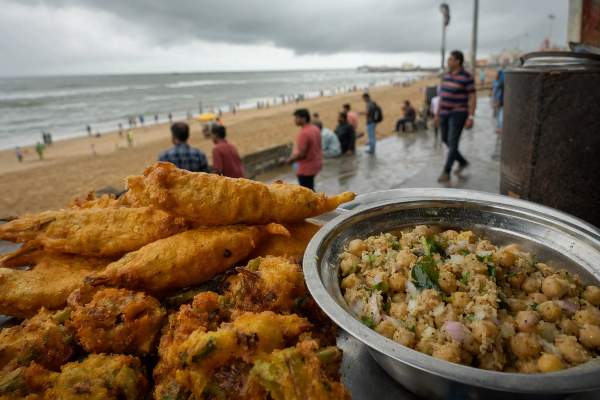
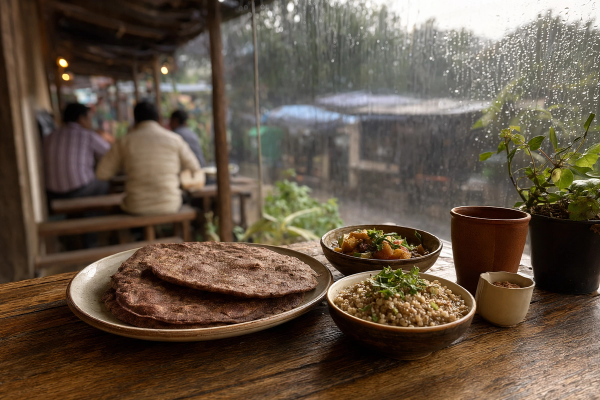
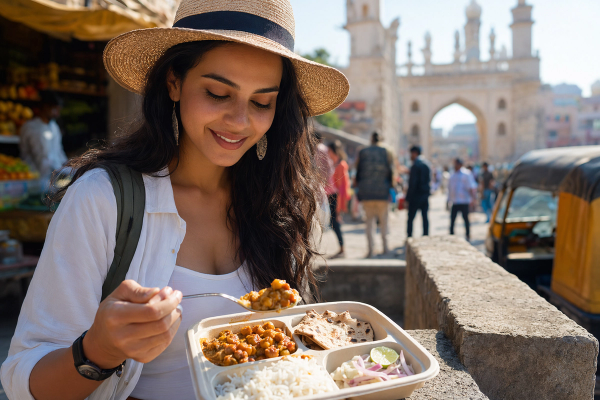
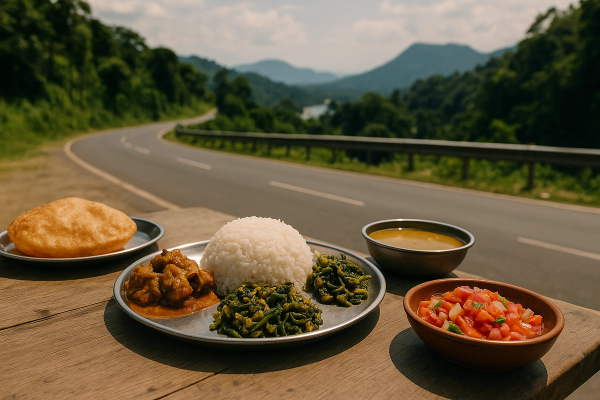
#You should absolutely eat local food in monsoon. Please do. Some of the best rain food in India is seasonal and regional — onion bhajiya and cutting chai in Mumbai, peppery Kerala fish curry, pakoras in the hills, hot momos in mountain towns, sweet corn by the roadside, steaming idlis when everything outside is grey. Amazing. But use common sense. Foreign stomachs are not weak exactly, just unfamiliar. I usually tell friends: eat where turnover is high, food is hot, oil doesn’t smell old, and the place looks busy with families or office crowd.
Drink sealed bottled water or properly filtered water from trusted hotels and cafes. Be more careful with raw salads, cut fruit from random carts, and chutneys sitting out too long in humid weather. Street food is not the enemy, dirty stagnation is. Monsoon means bacteria grows happily, so choose fresh-cooked over pre-prepped. If you drink alcohol, be extra mindful of dehydration because humidity and travel fatigue can sneak up on you. Coconut water helps, but only from clean places where the shell is opened fresh in front of you.
Cultural stuff foreigners should know in rainy season
#Monsoon in India isn’t just weather, it changes daily rhythm. People leave earlier, wait out showers, cancel plans without overexplaining, crowd tea stalls, and become weirdly philosophical about delays. Try not to get frustrated by this. It’s part of the flow here. Dress modestly in smaller towns and religious areas even if it’s humid. Quick-dry loose trousers, midi dresses, shirts, light kurtas — all easier than tiny shorts when everything is wet and sticky anyway. In temples, mosques, and many homes, wet shoes at the door are normal. Carry socks if that bothers you.
Also, some festivals and seasonal food experiences can pop up beautifully in rainy months depending on region — snake boat race season around Kerala, monsoon treks in Maharashtra, lush tea estate stays, local market produce, and in some places Janmashtami or Onam-related travel energy depending on dates. Don’t over-schedule every day. Leave room for the accidental stuff. Some of my best monsoon memories are literally just sitting under a tin roof somewhere with chai and watching rain hammer the road.
Safety stuff that sounds boring but really isn’t
#Please don’t chase waterfalls recklessly. Every monsoon we see the same thing — tourists ignoring barriers, walking onto slippery rocks, underestimating current, taking selfies near flooded edges. Don’t. Rivers swell fast. Sea conditions on the west coast can turn rough and beaches may have no-swim warnings. Respect red flags. In cities, avoid walking through unknown floodwater because open drains and loose manholes are a genuine danger. Keep emergency contacts saved offline, download maps, and have some cash because digital payments are widespread but signal failures still happen now and then.
For women travelers, India in monsoon is not automatically less safe or more unsafe than other seasons, but quieter streets during heavy rain can feel isolated. Use the usual city sense — verified cabs, hotel check-ins before late hours when possible, share route with someone, and don’t assume a scenic isolated viewpoint is a great solo stop in bad weather. For everyone, buy travel insurance that actually covers weather disruption and medical care. People skip this and then regret it hard.
A simple 10-day monsoon route I genuinely like for first-time foreigners
#If someone asked me for one balanced first monsoon trip, I’d probably say do Mumbai plus Konkan or Mumbai plus Goa, or do Kerala properly. Here’s a simple one that works nicely if you want rain but not total logistical madness. Start with 2 nights in Mumbai for food, colonial architecture, sea views, and monsoon mood. Then take a train or short flight to Goa for 3 to 4 nights — not for beach tanning, forget that, but for green villages, cafés, old churches, spice plantations, river scenes, and dramatic skies. Then finish with 3 to 4 nights in South Goa or inland Goa where it’s calmer and slower. If you want more nature, swap Goa for Munnar and Kerala backwaters. That’s maybe the more soothing version.
And yeah, one tiny note on updates — road and weather patterns have been changing enough that checking current state advisories, train status, and local district warnings right before moving is just smart travel now. Even a route that was totally fine last week can get hit by sudden flooding this week. This is true in 2026 and honestly it’ll stay true beyond that too.
Things foreigners usually get wrong on their first India monsoon trip
#- Trying to cover Delhi, Jaipur, Agra, Mumbai, Goa, Kerala, and the Himalayas in two weeks. Please be serious.
- Packing fashionable clothes that can’t survive humidity, mud, repeat wear, or hand washing.
- Assuming beach trip means beach swimming. In monsoon, many west coast beaches are for walking and looking, not getting in.
- Ignoring local weather warnings because the morning looked sunny.
- Booking remote stays with no transport backup.
- Wearing brand new shoes. Recipe for blisters plus sadness.
Honestly, if you travel slower, stay flexible, and let the rain set the pace a bit, India gives a lot back in this season. The colours feel deeper. The food tastes warmer. People talk more. Even the train journeys feel cinematic when the windows fog up and everything outside turns green-green-green.
Final thoughts before you zip the bag
#Would I recommend India in monsoon to foreigners? Yes... but not to every foreigner. If you need total predictability, crisp schedules, spotless sidewalks, and guaranteed sunshine, maybe come in winter instead. But if you like places when they’re alive and messy and beautiful and a little annoying, monsoon can be incredible. It shows you a softer India and a wilder one at the same time. Come prepared, not paranoid. Keep your route realistic. Carry less. Dry your socks. Listen to locals. Eat the pakoras when offered. And if the day falls apart because of rain, well, welcome to the season — sit down, order chai, and let India do its thing. If you want more real-world travel stories and practical guides like this, have a look at AllBlogs.in.