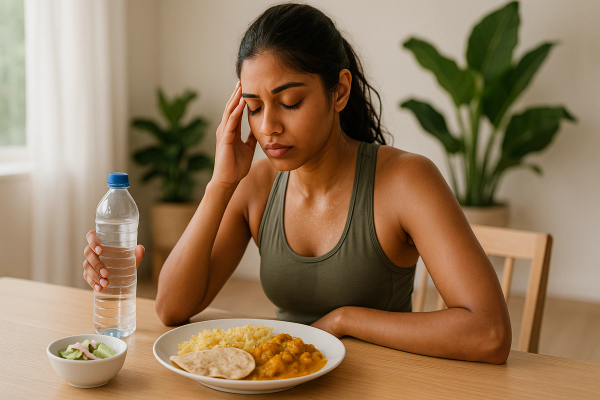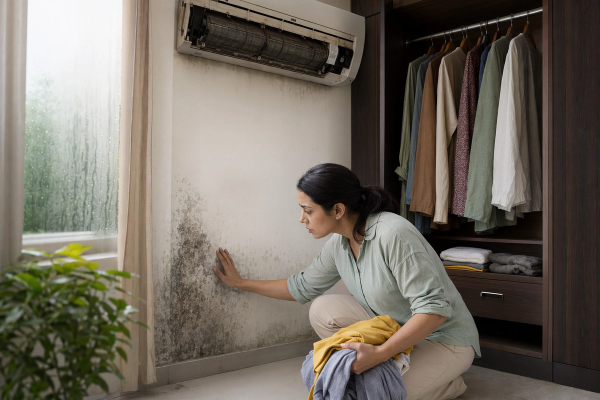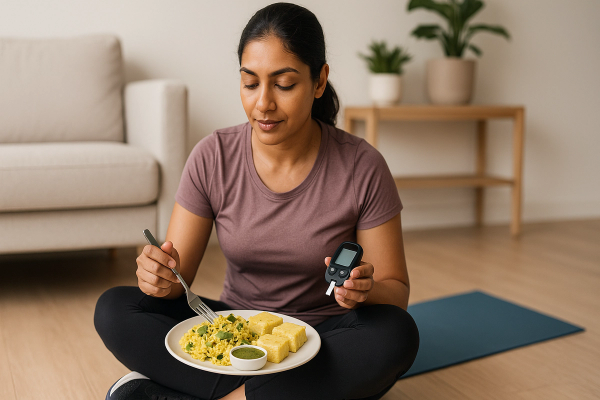
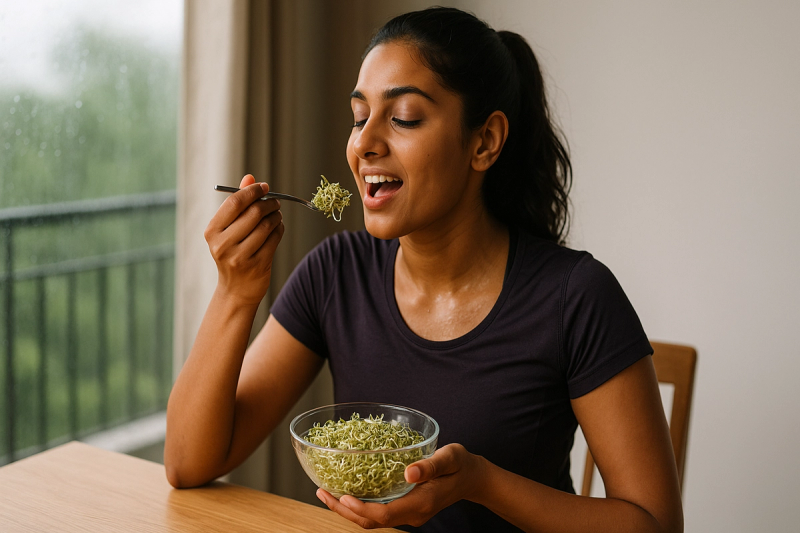
I have a weirdly emotional relationship with sprouts. There, I said it. For years I thought of them as this perfect health food, you know? Cheap, high-protein-ish, easy to make at home, very "good girl who has her life together" type food. My mom used to toss moong sprouts with onion, lemon, kala namak, maybe tomato if it was decent and not all watery. And I loved it. Then one monsoon I ate a big bowl from a local salad counter in Mumbai and spent the next day absolutely regretting every life choice I had made. Since then I’ve been more careful, but also more curious. Are sprouts actually unsafe in Indian summer and monsoon, or are we just being dramatic?
Short answer, because I know some people scroll first and read later: sprouts are nutritious, but raw or undercooked sprouts can be risky, especially in hot and humid weather in India. That risk goes up during monsoon because moisture, warmth, handling, dirty water, cross-contamination... all the stuff bacteria adore. So no, sprouts are not "bad". But they are one of those foods that can turn from healthy to problem really fast if prep and storage are sloppy. And in 2026, with all the gut-health hype and protein-snack trends floating around wellness Instagram, I feel like this needed saying properly.
Why sprouts get so much hype in the first place
#To be fair, the hype didn’t come from nowhere. Sprouted legumes and beans, especially moong, chana, moth, and sometimes alfalfa-style mixes in urban stores, are genuinely nutrient-dense. Sprouting can improve digestibility for some people and may help reduce some antinutrients like phytic acid. They also provide fiber, some vitamin C that develops during sprouting, folate, and plant compounds people in nutrition circles keep getting excited about. A lot of Indian wellness creators in 2026 are talking about "smart protein layering" now, basically combining plant proteins across the day rather than obsessing over one meal. Sprouts fit into that pretty nicely.
Also, let’s be real, they feel fresh. In summer, especially when cooked heavy food feels like too much, a bowl of crunchy sprouts with cucumber and lemon feels clean and light. It feels like you’re helping your body. Sometimes that matters too, psychologically. I know when it gets humid and disgusting outside, I crave foods that don’t sit like bricks in my stomach.
- They’re affordable compared to packaged protein snacks
- You can make them at home without fancy equipment
- They work in chaat, salads, cheela batter, stir-fries, even sandwich fillings
- For vegetarians, they’re one more easy way to add variety instead of eating paneer 700 times a week
So what’s the actual safety issue? The seed itself is part of the problem
#This is the bit I wish more people explained clearly. Sprouts are risky not because they are sprouts in some mystical way, but because the conditions needed to make them sprout are the exact same conditions bacteria like too. Warmth, moisture, time. If seeds are contaminated before sprouting, then keeping them damp for 1 to 3 days can let harmful germs multiply. This is why food safety agencies around the world have repeatedly flagged raw sprouts as a higher-risk food. The names that usually come up are Salmonella, E. coli, and Listeria, though Salmonella and E. coli are the more common food-poisoning worries in everyday conversation.
And India adds its own challenges. Summer temperatures are brutal in many cities. Monsoon means more humidity, more stagnant moisture, more spoilage, and sometimes shakier water quality depending on where you live. Add in street-side handling, cut veggies sitting out, cloths being reused too many times, and that innocent little bowl of sprouts starts looking... less innocent.
The healthiest food is not healthy anymore if it gives you diarrhea, vomiting, fever, or a stomach infection. Sounds obvious, but we all forget this when we romanticize "raw" foods.
What recent health thinking in 2026 is saying
#There’s a big wellness shift happening right now, and I actually like this one. More doctors, dietitians, and public-health folks are pushing practical food safety as part of wellness, not separate from it. Not just macros, not just gut microbiome powders, not just seed cycling and random hacks. Basic hygiene. Safe storage. Cooking high-risk foods properly. It’s not sexy content, so people ignore it, but it matters more than most trends.
A lot of gut-health content in 2026 says "eat more live foods," and sure, fermented foods can be useful for some people. But raw sprouts are not in the same category as safely prepared curd or properly fermented idli batter. They are a known food safety concern. Recent nutrition guidance still supports legumes and sprouts as part of a healthy diet, but with extra caution for vulnerable groups. That part has not changed, and honestly it shouldn’t.
Another current trend is CGM-led eating, where even non-diabetic people wear glucose monitors and judge foods by their blood sugar response. Sprouts often get praised because they’re lower glycemic than many refined snacks. Fine. But low glycemic does not equal low-risk microbiologically. Different issue entirely. I know that sounds nerdy, but these health conversations get mixed up so easily online.
When I personally stopped eating raw sprouts in monsoon
#After that horrible Mumbai salad-bar episode, I started noticing a pattern. Not every time, but enough times that I couldn’t ignore it. Raw sprouts in cooler months? Usually okay if they were fresh and made at home. Raw sprouts in peak summer after sitting out? Dicey. Raw sprouts in monsoon from outside? Umm... no thanks. I’m not saying everybody will react the same way. Some of my friends eat roadside sprout chaat and function like absolute champs. I am apparently not built like that.
Now I mostly steam or saute them lightly in summer and monsoon. Just 3 to 5 minutes sometimes, not turning them into mush. This small change made a huge difference for my stomach. They still taste good, maybe less "fresh-fresh" but much safer and easier to digest for me. And if I’m feeding older relatives or kids, I don’t even debate it anymore. Cooked. End of story.
Who should be extra, extra careful
#This part is important and I don’t want to be too casual about it. Some people really should avoid raw sprouts, especially in hot or rainy weather. Food poisoning is not just one gross day in the bathroom for everyone.
- Pregnant women
- Young children
- Older adults
- People with weak immunity, including those on chemo, steroids, transplant meds, or with certain chronic illnesses
- Anyone recovering from a stomach infection or dealing with IBS flareups, sensitive digestion, or unexplained gut issues
If you’re in one of these groups, the safer move is to eat sprouts only when fully cooked, or just choose other protein and fiber sources altogether. Cooked dal, chana, curd if tolerated, tofu, eggs, roasted chana, peanuts if suitable, there are options. You do not need to force raw sprouts just because some wellness reel called them a superfood.
How to make sprouts safer at home in India, especially during summer and monsoon
#Okay, so here’s the practical part. If you still want sprouts, which honestly I do too, there are ways to reduce risk. Not remove it 100%, but reduce it. And that’s the goal most of the time in real life.
- Start with clean, good-quality seeds or whole legumes from a trusted source. Old stock that smells dusty or looks damaged? Skip it.
- Wash them well before soaking. Use safe drinking water, not just any tap water if your local supply is unreliable.
- Soak in a clean bowl, then drain fully. Standing water is where things start going wrong real fast.
- Use a very clean jar, muslin, or sprouting container. Actually clean, not "looks fine yaar" clean.
- Rinse and drain carefully, but don’t leave them soggy. Excess moisture in humid weather is a bad combo.
- The moment they sprout, refrigerate them. Don’t let them hang around on the counter all day because you forgot.
- Use them quickly, ideally within a day or two in summer and monsoon. If they smell odd, feel slimy, or look too wet, throw them out.
- For the safest option, cook them till steaming hot before eating.
I know this sounds a bit fussy. But honestly, one bout of food poisoning and suddenly all this seems very reasonable.
Raw vs lightly cooked vs fully cooked: what I think actually works
#People sometimes talk about food as if there are only two categories: raw and healthy, or cooked and destroyed. That’s not how it works. Light cooking can make many foods safer and still keep them nutritious. With sprouts, especially moong sprouts, I like three versions depending on weather and who is eating.
| Version | Good for | My honest take |
|---|---|---|
| Raw | Cooler weather, healthy adults, very fresh home-prepped sprouts | I still keep this occasional, not daily, and almost never in monsoon |
| Lightly steamed or sauteed | Summer and monsoon, sensitive stomachs, family meals | Best balance of safety, taste, and digestibility |
| Fully cooked in sabzi/usal/chilla/upma | High-risk groups or doubtful batch freshness | Safest option, maybe less trendy but who cares |
Honestly, lightly cooked is the sweet spot for me. Toss with jeera, hing, lemon after cooking, coriander, maybe grated carrot. Still refreshing, still healthy, way less risky. Sometimes I add them into poha or make a warm sprout chaat. Not authentic maybe, but nice.
Some myths I keep hearing... and no, they’re not all true
#One myth is that lemon juice kills all germs. Nope. Lemon adds flavor and vitamin C, but it is not a magic disinfectant shield. Another one is that Himalayan salt or black salt somehow makes raw street-food sprouts safer. Also nope. And this one really gets me: if it’s homemade, it must be safe. I mean, safer maybe, if you handled everything well. But contamination can begin with the seed itself, so homemade does not automatically mean risk-free.
I’ve also heard people say if your digestion is strong, you can eat anything. I used to low-key believe that. Then my digestive system humbled me, repeatedly. A strong stomach is not a food safety policy. Sorry.
What to watch out for after eating sprouts
#If you’ve eaten sprouts and then develop nausea, vomiting, diarrhea, stomach cramps, fever, weakness, or bloody stools, don’t just brush it off as "heat" or "something didn’t suit me" if symptoms are strong or persistent. Get medical help, especially for children, older adults, pregnant women, or anybody getting dehydrated. Most mild food-borne illness gets better with fluids and rest, but some cases need proper care. Dehydration in Indian summer is no joke. ORS is one of those boring lifesavers we underestimate.
And if symptoms are severe, or there’s high fever, blood in stool, confusion, very little urine, dizziness, please just go see a doctor. I know a lot of us delay and self-diagnose on WhatsApp. Been there. Bad idea.
So... should you eat sprouts in Indian summer and monsoon or not?
#My answer, after all the reading and all the trial-and-error and all the slightly dramatic bathroom memories, is this: yes, but not carelessly. In India’s summer and monsoon, raw sprouts are definitely riskier than people make them sound. If they’re from an outside stall, buffet, office canteen salad bar, or anywhere they may have sat around warm and wet, I would personally avoid them. At home, if you prep them carefully and cook them lightly, they can absolutely still be part of a healthy diet.
If your body doesn’t love them, that’s okay too. Health is not about proving toughness by eating the trendiest "clean" food. Sometimes wellness is choosing the less aesthetic but safer option. Dal over raw sprouts. Steamed over raw. Freshly made over stored. Boring? Maybe. Sensible? Very.
My final take, friend to friend
#I still eat sprouts. I haven’t broken up with them completely. But our relationship has boundaries now, lol. No random monsoon sprout bhel from suspicious counters. No half-forgotten container in the fridge for 4 days. No pretending lemon and onions will save me. I choose clean prep, quick refrigeration, and mostly cooked versions when the weather is sweaty and chaotic. That’s what works for me, and I think it’s a pretty sane middle path.
If you’ve been wondering whether sprouts are safe in summer and monsoon in India, maybe the best answer is this: treat them with respect. They’re nutritious, yes. They’re also perishable and a little sneaky. You don’t need to fear them, just handle them properly. And if your gut has been telling you "umm no thanks," maybe listen to that voice too. It’s often smarter than any trend report. Anyway, if you like this kind of practical wellness chat without too much fake perfection, there’s always more casual health reading to browse on AllBlogs.in.