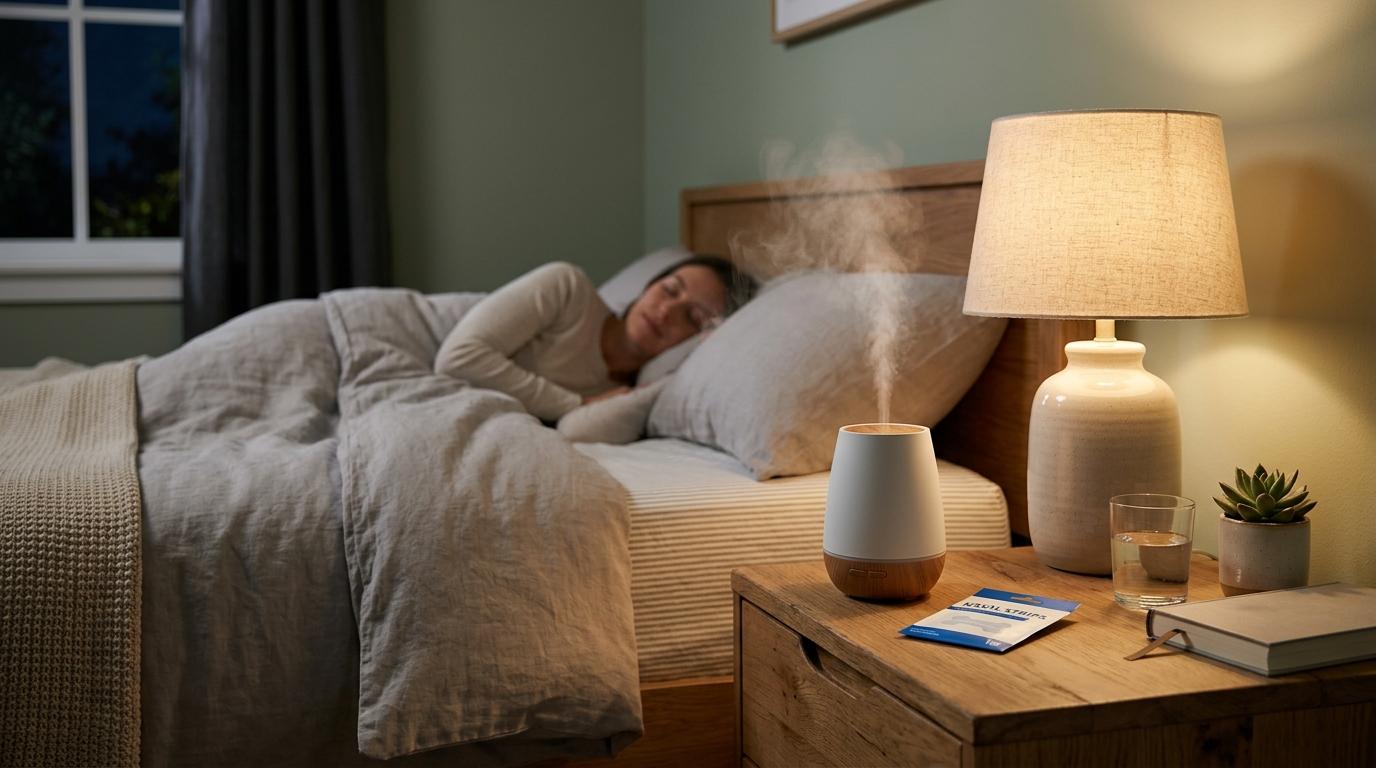
If you’re trying to breathe better at night, it’s easy to get pulled into the whole mouth tape vs nasal strips vs humidifier debate. They’re all popular. They’re all relatively simple. And they all get talked about like they can magically fix snoring, dry mouth, or restless sleep.
But they don’t do the same job.
If your nose feels a little tight or blocked, nasal strips are usually the easiest place to start. If you wake up with a dry throat, dry mouth, or that crusty nose feeling, a humidifier may be more useful. Mouth tape is the one to be most careful with, especially if you snore, get congested, or have never been checked for sleep apnea.
For most people, the safest first buys are usually nasal strips or a humidifier, depending on what’s actually bothering you.
Category: Health & Wellness
Disclaimer: This AllBlogs guide is for general information only, not medical advice. If you have loud or chronic snoring, pauses in breathing, suspected sleep apnea, severe congestion, asthma, heart problems, or ongoing sleep issues, please talk to a qualified healthcare professional before trying sleep breathing aids.
Short Answer
#Best first choice for most people: nasal strips or a humidifier.
- Buy nasal strips if your nose feels narrow, tight, or mildly blocked at night.
- Buy a humidifier if your bedroom air feels dry, or you wake up with dry mouth, throat irritation, or a dry, crusty nose.
- Be cautious with mouth tape. It’s popular online, but the evidence is limited, and it can be risky if your nose gets blocked or if you have undiagnosed sleep apnea.
First, Figure Out What’s Actually Waking You Up
#These three products often get lumped together, but they’re solving different problems.
A nasal strip helps open the outside part of your nose.A humidifier adds moisture to the air in your room.Mouth tape tries to keep your lips closed while you sleep.
That difference matters.
If dry air is making your throat feel scratchy, a nasal strip probably won’t do much. If your nose feels physically hard to breathe through, a humidifier might help a little, but it may not be enough. And if your nose is already blocked, taping your mouth shut is not a clever workaround. It can be unsafe.
So instead of asking, “Which one is best?” ask this first:
What is actually making it hard for me to breathe or sleep comfortably at night?
1. Nasal Strips: Best When Your Nose Feels Tight or Slightly Blocked
#Nasal strips are sticky bands with a flexible, spring-like strip inside. You place one across the bridge of your nose. As it tries to return to its original shape, it gently lifts the sides of your nose outward.
For some people, that small lift makes a noticeable difference. This is especially true when the issue is around the nasal valve area, which is the narrower outer part of the nasal passage.
Who should try nasal strips?
#Nasal strips are a reasonable first option if:
- Your nose feels tight or narrow at night.
- You can breathe through your nose, but it takes effort.
- Mild congestion makes you switch to mouth breathing.
- You want something simple and drug-free.
- You want a quick test before buying anything more involved.
If you’re comparing nasal strips vs mouth tape, nasal strips usually make more sense as a starting point. They support nasal breathing without sealing your mouth shut.
Who should skip nasal strips?
#Nasal strips may not be very helpful if:
- Your congestion feels deep in your sinuses.
- You have heavy mucus or strong allergy symptoms.
- Adhesive bothers your skin.
- Your snoring is loud, long-term, or comes with gasping or pauses in breathing.
Nasal strips do not treat sleep apnea. They also won’t cure allergies, clear thick mucus, or fix every type of snoring. They’re a simple mechanical helper, not a medical treatment.
What to check before buying nasal strips
#Before you grab a box, look at:
- Size: Many brands offer small, medium, or large strips.
- Adhesive strength: Stronger adhesive may stay on better, but it can irritate sensitive skin.
- Sensitive-skin options: These can help if your nose gets red, itchy, or sore.
- Shape and strength: Some strips are wider or more supportive than others.
- Cost per use: They’re disposable, so the monthly cost can add up.
A good nasal strip should feel supportive, not painful. If it feels like it’s pulling your skin off, switch to a gentler version or stop using it.
2. Humidifier: Best for Dry Mouth, Dry Throat, and Dry Bedroom Air
#A humidifier adds moisture to the air. It doesn’t physically open your nose like a nasal strip, and it won’t magically stop snoring. But if your bedroom air is dry, it can make sleep more comfortable.
Dry air can leave your nose feeling irritated, crusty, or swollen. It can also make your throat feel scratchy in the morning. And when nasal breathing feels uncomfortable, you may naturally sleep with your mouth open, which can make dry mouth even worse.
That’s where a humidifier can help.
Who should buy a humidifier?
#A humidifier is worth considering if:
- You wake up with dry mouth.
- Your throat feels scratchy in the morning.
- Your nose feels dry, crusty, or irritated.
- Your bedroom gets very dry in winter.
- Indoor heating makes the air feel harsh.
- You live in a dry climate.
- Your sleep feels worse when the room feels stale or dry.
If you searched for “humidifier for dry mouth at night,” this is the product out of the three that most directly addresses dry bedroom air.
Who should avoid a humidifier?
#A humidifier may not be a good idea if:
- Your room already feels damp or humid.
- You see condensation on your windows.
- You have mold or mildew in the bedroom.
- You know you won’t clean the tank regularly.
- Mold or dust mites trigger your allergies.
Too much moisture can create a new problem. A humidifier helps when dryness is part of the issue. It’s not helpful if your room is already too damp.
What to check before buying a humidifier
#The best humidifier isn’t always the fanciest one. Look for:
- Easy cleaning: If the tank has awkward corners, you’ll probably hate cleaning it.
- Tank size: It should last through the night without constant refilling.
- Mist type: Many people prefer cool mist models for bedrooms.
- Noise level: Important if you’re a light sleeper.
- Auto shut-off: Useful when the tank runs dry.
- Room size match: A small unit may not do much in a large bedroom.
The biggest rule is simple: clean it properly. A dirty humidifier can make your bedroom air worse, not better.
3. Mouth Tape: The Viral Option That Needs the Most Caution
#Mouth tape is exactly what it sounds like. You place a small piece of tape over your lips to discourage mouth breathing while you sleep.
The idea is that if your mouth stays closed, you’ll breathe through your nose instead. Supporters claim it can reduce dry mouth, snoring, and poor sleep. But the evidence is still limited, and sleep experts have raised safety concerns.
The main concern is obvious: if your nose gets blocked while your mouth is taped, breathing can become harder. That’s especially concerning for people with congestion, asthma, heart issues, or possible sleep apnea.
Who should consider mouth tape?
#For most people, mouth tape should not be the first thing to buy.
Only consider it if:
- You’ve talked with a healthcare professional.
- You’ve ruled out serious sleep breathing problems.
- You can comfortably breathe through your nose.
- You are not congested.
- You use a product made specifically for sleep, not household tape.
Even then, caution matters. Mouth tape is not the same kind of low-risk experiment as a humidifier or nasal strip.
Who should avoid mouth tape?
#Avoid mouth tape if:
- You have a stuffy nose.
- You often wake up gasping or choking.
- Your partner notices pauses in your breathing.
- You snore loudly or regularly.
- You have suspected or diagnosed sleep apnea.
- You have asthma, heart issues, or significant nighttime congestion.
- You feel anxious about having your mouth covered.
And please don’t use duct tape, packing tape, strong medical tape, or random tape from a drawer. It sounds obvious, but the internet has convinced people to try stranger things.
What to check before buying mouth tape
#If a healthcare professional has said mouth tape may be reasonable for you, look for:
- Skin-safe adhesive
- Easy removal
- A design made specifically for sleep
- A vent, slit, or partial-closure style
- Clear safety instructions
Be suspicious of big promises. If a product claims it will cure snoring, reshape your jawline, fix your face, or replace medical care, that’s a red flag.
Mouth Tape vs Nasal Strips vs Humidifier: How to Choose
#Here’s the simplest way to think about it.
Choose nasal strips if the problem feels like airflow
#This is the best fit if you think:
“I want to breathe through my nose, but it feels too narrow or restricted.”
Nasal strips work quickly. You apply one, and if it helps, you’ll usually notice the difference pretty fast. They’re also easy to test for a few nights without changing your whole sleep setup.
Choose a humidifier if the problem feels like dryness
#This is the better choice if you think:
“My throat is dry, my mouth is dry, and the air in my room feels harsh.”
A humidifier is not really a snoring gadget. It’s more of a comfort fix for your sleep environment. If dry air is irritating your nose and throat, better room moisture may help you sleep more comfortably.
Be careful with mouth tape if the problem is mouth breathing
#Mouth breathing can happen for a lot of reasons.
Sometimes it’s habit.Sometimes your nose is blocked.Sometimes it’s connected to a sleep breathing problem.
That’s why mouth tape is tricky. It focuses on closing the mouth, but it may not solve the reason your mouth is opening in the first place.
If you’re choosing between nasal strips vs mouth tape, nasal strips usually make more sense as a first step because they support nasal breathing without forcing your mouth closed.
Can You Use More Than One?
#Yes, sometimes.
A nasal strip and humidifier can work well together because they do different things. The humidifier helps with dry air. The nasal strip helps physically support the nose. If you have mild nasal restriction and dry bedroom air, that combination may be more helpful than either one alone.
Mouth tape is different. Don’t casually combine it with other products to “force” better breathing. If mouth taping is being considered at all, it should be done carefully, ideally with medical guidance.
Mistakes to Avoid
#1. Using mouth tape when your nose is blocked
#This is the big one. If you can’t breathe comfortably through your nose while you’re awake, don’t tape your mouth for sleep.
2. Buying a humidifier and never cleaning it
#A humidifier needs maintenance. If the tank gets dirty, you’re not improving your sleep environment. You may be making it worse.
3. Expecting nasal strips to fix every kind of snoring
#Nasal strips may help when nasal airflow is part of the problem. They won’t fix every cause of snoring.
4. Ignoring loud or chronic snoring
#If snoring is frequent, very loud, or paired with gasping, choking, morning headaches, or daytime sleepiness, don’t treat it like a shopping problem. Get medical advice.
5. Believing every viral sleep claim
#Low-cost sleep products can be helpful, but they’re not magic. Be skeptical of claims that a product will cure snoring, reshape your jaw, or guarantee perfect sleep. That’s usually not how sleep works.
Final Buying Recommendation
#For most people, the safest order is:
- Try a humidifier if your room is dry or you wake up with dry mouth, dry throat, or nasal irritation.
- Try nasal strips if your nose feels narrow or mildly blocked and you want quick airflow support.
- Treat mouth tape as a cautious, doctor-discussed option, not a casual first buy.
If you’re building a simple snoring product buying guide for yourself, start with the least risky explanation first: dry air, mild nasal restriction, sleep position, or congestion. Don’t jump straight to sealing your mouth shut.
Better sleep usually isn’t about buying whatever product is trending this week. It’s about matching the tool to the actual problem.