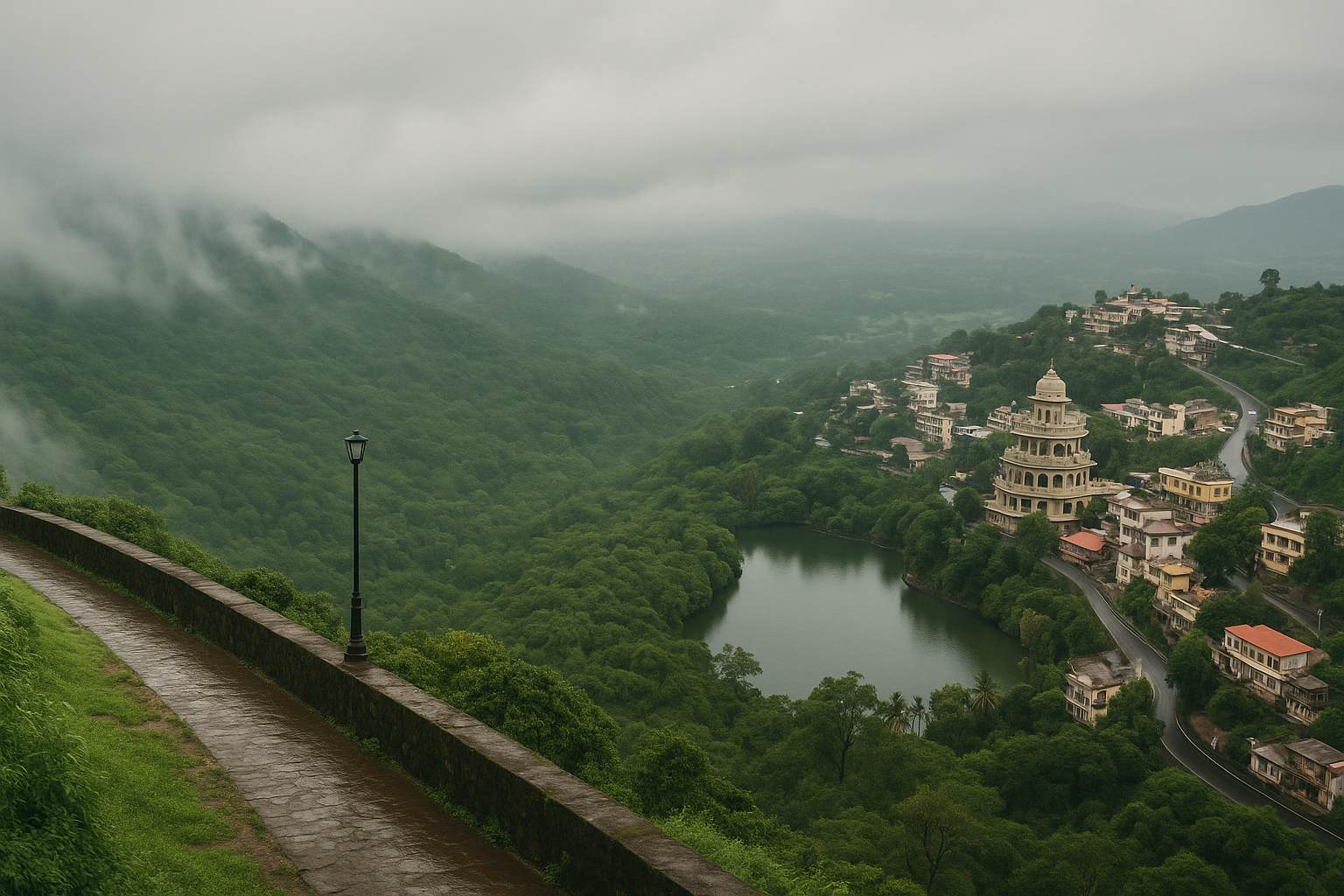
If you’re stuck choosing between Saputara and Mount Abu for a quick monsoon escape, yeah... I get it. I was in the exact same mess. Both are hill stations, both get hyped up every rainy season, both look dreamy on Instagram when clouds start hugging the roads. But for a 2-day trip? They feel very, very different once you actually go. And trust me, photos really don’t tell you the whole story here.
I’ve done Saputara in peak rains from the Gujarat side, and Mount Abu during that misty wet stretch when every second person is carrying a raincoat they never fully use. So this isn’t one of those generic “both are nice in their own way” type posts. I mean, they are nice, sure, but if you only have one weekend and one budget and one level of patience for traffic, hotel drama, and wet shoes... then the better pick matters.
Short version, before I get into the real stuff: Saputara feels greener, quieter, easier for a laid-back 2-day monsoon break, especially if you’re coming from Surat, Vadodara, Ahmedabad or Nashik side. Mount Abu feels bigger, more touristy, more developed, with more temple and market vibes, and honestly a bit more crowded in season. Some people will like that. Me? Depends on mood. See, already not giving a straight answer lol.
What monsoon actually feels like in both places
#Saputara in monsoon feels soft. That’s the word. Soft rain, soft fog, green slopes everywhere, roadside chai tasting weirdly better than usual. The drive itself starts becoming part of the trip, especially once the Dang forest region gets misty. Waterfalls pop up all over the place, some tiny, some proper scenic. It doesn’t feel super commercial most of the time, and that’s kind of its charm. It’s not trying too hard.
Mount Abu, on the other hand, feels like a proper old-school hill station that got famous long back and knows it. During monsoon the Aravalli side turns fresh and beautiful, Nakki Lake gets all moody, viewpoints become cloud theatres... but there’s also more honking, more hotel agents, more crowd near the market, more “bhaiya boating kar lo” energy. Not saying that’s bad. Just saying if you want peace, you may have to go looking for it a little.
If Saputara is the kind of trip where you slow down without planning to, Mount Abu is the kind where you can do more in 2 days, but you’ll also spend more energy doing it.
Which one is easier for a 2-day weekend from Gujarat, Maharashtra, or Rajasthan?
#This is where Saputara quietly wins for a lot of people, especially western India travellers. From Surat, it’s roughly 4 to 5 hours by road depending on rain and traffic. Nashik is also pretty manageable, usually around 2.5 to 4 hours depending on where exactly you start from. Even from Vadodara or Ahmedabad, people do overnight or early morning drives. Roads are usually decent, but in monsoon you should expect patchy stretches, low visibility, and random slowdown near ghat sections. Nothing too scary if you drive sensible. Don’t do hero-giri in the rain, bas.
Mount Abu is easiest from Rajasthan and north Gujarat side. Abu Road railway station makes it super practical, that’s a big plus. From Ahmedabad, road trips are common, usually 5.5 to 7 hours-ish depending on traffic. From Udaipur or Jaipur side, people often combine it with a longer Rajasthan circuit. For a pure 2-day trip though, the climb from Abu Road plus check-in plus local sightseeing can make the weekend feel tighter than expected.
- Best for shortest monsoon drive from Surat or Nashik: Saputara
- Best if you prefer train access and then taxi uphill: Mount Abu
- Best if you hate long internal travel in a 2-day trip: honestly, whichever is closer to your city should get extra points
The actual sightseeing difference, not the brochure version
#Saputara sightseeing is pretty simple. You’ve got Saputara Lake, Sunset Point, Sunrise Point, Step Garden, Rose Garden, Artist Village, ropeway when it’s operational, and nearby nature spots. In monsoon, though, the real attraction is not just “places”, it’s the atmosphere between them. The moving clouds, wet roads, little stalls selling bhutta, surprise waterfall stops, viewpoints that disappear into white fog for ten minutes and then suddenly open up. I spent one whole evening doing almost nothing near the lake except walking, eating pakoras, and staring at rain. Zero regret.
Mount Abu gives you more named attractions. Nakki Lake, Dilwara Temples, Guru Shikhar, Toad Rock, Honeymoon Point, Sunset Point, Peace Park, Trevor’s Tank, local market, and some old heritage-style spots. So if your family likes checking off places and taking lots of photos at famous points, Abu gives more structure. But in monsoon, some viewpoints can get too foggy, some roads slippery, and boating or outdoor movement may depend on weather. Also, weekends can be packed. Like proper packed.
One thing I noticed: in Saputara, rain enhances the destination. In Mount Abu, rain sometimes interrupts the destination. Not always, but enough that it matters. Especially if your plan is very tightly packed in 48 hours.
Hotels, stays, and what your money gets you
#Let’s talk budget because that decides half our trips anyway. In Saputara, decent budget hotels and homely stays usually start around ₹1,500 to ₹3,000 in monsoon on normal weekends, though prices jump on long weekends and peak rainy dates. Mid-range places often fall in the ₹3,000 to ₹6,000 zone. You’ll also find Gujarat Tourism stays and a few resort-style options around the town or on nearby roads. Service can be hit or miss, not gonna lie. Some places look amazing online and then give you damp bedsheets and one lonely towel. Read recent reviews, not old ones.
Mount Abu has way more inventory. Budget rooms can start around ₹1,200 to ₹2,500 if booked early or on weekdays, but in the monsoon rush and holiday periods they easily climb. Mid-range is usually ₹3,000 to ₹7,000, and luxury heritage or resort stays can go much higher. Because the market is bigger, you get more variety, but also more inconsistency. Near Nakki Lake and market area, convenience is great, but parking can be annoying and noise is real. If you want calm, stay a little away from the center.
| Factor | Saputara | Mount Abu |
|---|---|---|
| Budget stay range | ₹1,500–₹3,000 | ₹1,200–₹2,500 |
| Mid-range stay | ₹3,000–₹6,000 | ₹3,000–₹7,000 |
| Vibe | Quiet, green, slower | Bustling, more developed |
| Best for | Relaxed couples, families, short drives | Sightseeing-heavy weekend, mixed-age groups |
| Monsoon crowd level | Moderate to high on weekends | Usually higher near main attractions |
Food scenes... and yes, this matters a lot in rain
#Saputara food is not a massive highlight in the gourmet sense, let’s be honest, but it works. You’ll get Gujarati thalis, simple North Indian meals, corn, Maggi, pakoras, chai, some street snacks, and basic Maharashtrian influence because of the border vibe. What I liked most was the mood food. Hot tea in cold weather, roasted bhutta with masala, onion bhajiya when it’s drizzling. There are tribal and rural influences in the wider Dang region too, though as a tourist you may not always access that in polished restaurant form.
Mount Abu has more options by far. Proper Rajasthani food, Gujarati meals, cafes, Jain-friendly places, Punjabi dishes, sweets, pizza-pasta-for-kids type restaurants, all that. Around the market and Nakki Lake you won’t struggle to find food. I had a simple dal baati style meal there once in rain and mannn, it just hit right. But prices are a bit touristy in some spots. Also, if you’re expecting every place to be amazing because it’s a hill station market, no. Some are average-average only.
Safety, road conditions, and monsoon reality check
#This part people skip, then suffer later. Both places are generally safe for families, couples, and small groups, but monsoon travel in India always needs common sense. In Saputara, slippery viewpoints, sudden fog, and wet ghats are the main thing. During very heavy rain spells, local road conditions can change fast and small waterfall detours may not be worth the risk. Stick to marked areas. If you’re self-driving, leave early in daylight. Mobile network can also get patchy in certain stretches around the approach roads.
Mount Abu roads are broader in parts but the hill driving and weekend traffic can get irritating. The route from Abu Road upward is usually manageable, though sharp turns plus rain plus tourist buses means you should stay patient. Dilwara and major market areas are safe and active, but the usual tourist precautions apply. Don’t leave stuff in the car, don’t go too far near edges for photos, and don’t trust every random “secret viewpoint” recommendation from strangers. Sounds obvious, but every monsoon someone tries something dumb for reels.
Latest sort of practical update here: authorities in both destinations do become stricter during periods of heavy rain, especially around boating, ropeway operations, and access to slippery spots. So check the weather forecast 24 to 48 hours before leaving, and again on the morning of your trip. Not every closure gets announced in a super neat way online. Sometimes the hotel or local taxi driver knows first.
A realistic 2-day itinerary for each place
#For Saputara, my ideal 2-day monsoon plan is super simple. Day 1: arrive by late morning, check in, freshen up, have lunch, then do lake area walk, local market, maybe boating if weather allows, ropeway if open, and sunset point if clouds cooperate. End with chai and an early dinner. Day 2: wake up early for sunrise point or just cloudy valley views, then visit Artist Village, Step Garden, and take a slow drive toward Gira side or nearby scenic routes if roads are fine. Leave after lunch. It’s not hectic, and that’s exactly why it works.
For Mount Abu, 2 days need more planning. Day 1: arrive, check in, do Nakki Lake, Toad Rock, market, sunset point. Day 2: start early for Dilwara Temples, then Guru Shikhar if weather is okay, maybe Peace Park or Trevor’s Tank depending on your interest and time, lunch, then head back. It’s doable. But if traffic, fog, and family photo stops start piling up, some places will be rushed. Abu is better if you enjoy a fuller itinerary. Saputara is better if your brain is tired and just wants rain + peace.
Who should choose Saputara, and who should choose Mount Abu?
#Choose Saputara if you want less chaos, shorter travel from south Gujarat or Nashik side, greener monsoon visuals, and a trip that feels easy-breezy. It’s also nice for couples who don’t need fifty attractions, families with elders who prefer less running around, or anyone doing a spontaneous weekend drive. I’ve noticed younger groups from Gujarat also like it because it’s simple and budget-manageable. Not dirt cheap always, but manageable.
Choose Mount Abu if your group wants more sightseeing variety, better food choice, stronger hotel range, easier train linkage via Abu Road, and a more classic hill-station buzz. It suits mixed family groups well, especially when some want temples, some want market shopping, some want scenic points. If your parents are coming, Abu often feels like the safer “everyone gets something” option. Though yes, your peaceful rainy weekend may become slightly less peaceful there.
- Couples wanting calm monsoon mood: Saputara wins
- Families wanting attractions + food + market: Mount Abu wins
- Photographers chasing lush green scenes and mist: Saputara usually feels more rewarding in rain
- First-time hill station tourists wanting a fuller checklist: Mount Abu probably works better
So... which one is better in monsoon for just 2 days?
#Okay, my real answer. If you are asking strictly for a monsoon-specific 2-day trip, I’d pick Saputara more often. Not because it has more attractions. It doesn’t. Not because it has better hotels. Usually no. But because monsoon suits Saputara beautifully. The place becomes the weather. The greenery feels richer, the pace slows naturally, and even a short trip feels satisfying. You don’t come back thinking, “Arre yaar, half the spots reh gaye.” You come back feeling rested.
Mount Abu is still good, don’t get me wrong. In fact, outside monsoon, or for a 3-day trip, I might even rank it higher for many travellers. But for a compact rainy weekend, especially from Gujarat or nearby Maharashtra, Saputara often gives a cleaner payoff. Less distance for many people, less itinerary pressure, more monsoon magic per hour... if that makes sense. And honestly, sometimes the best trip is the one that doesn’t try too hard.
One last small thing. If you’re travelling in a heavy rain week, keep buffer time, carry proper footwear not those slippery fashion sneakers, and book stays with free cancellation if possible. Weather in the hills can shift fast. A trip planned in late 2025 or 2026 will still depend more on rainfall pattern than on your spreadsheet, trust me.
So yeah, final verdict from me: for monsoon and only 2 days, Saputara wins by a small but clear margin. For broader sightseeing and a more classic hill-station package, Mount Abu stays strong. Pick based on your vibe, not just popularity. And if you like this sort of practical, slightly too honest travel writing, check out more stuff on AllBlogs.in.