I’m not even being dramatic here... sattu sharbat kinda rescued me last summer. You know those afternoons when the fan is on full, the kitchen feels illegal, and even plain water feels boring? That was me. I was sweaty, grumpy, weirdly hungry, and my nani goes, almost offended, “Why are you suffering when sattu exists?” And yeah, fair point. She mixed up this tall steel glass of chilled namkeen sattu sharbat in like 3 minutes flat, shoved it into my hand, and I swear my soul came back. Since then I’ve been on a full little mission with it. Trying different ratios, sweet version, salty version, extra lemon, roasted jeera, even one kinda fancy café-ish version with mint foam that looked cool on Instagram but tasted... confused.
If you’ve grown up anywhere near Bihar, Jharkhand, eastern UP, or just in a house where practical people run the kitchen, sattu is not some trendy “superfood discovery.” It’s old-school smart food. Roasted gram flour, sometimes from barley too depending on region and family habits, mixed into a drink that’s filling, cooling, cheap-ish, and weirdly satisfying. In 2026, when everyone’s talking about gut-friendly drinks, protein breakfasts, functional beverages, electrolyte mixes, clean labels, local grains, sustainable pantry staples and all that, I keep thinking... our grandparents were already there, boss.
So what exactly is sattu sharbat?
#At the simplest level, it’s a drink made with sattu, usually roasted chana powder, plus water and a few flavorings. That’s it. But saying just that is like saying chaas is only “yogurt water.” Technically true, emotionally incomplete. A good sattu sharbat has body. It should taste earthy and nutty, not raw. It should be smooth, not lumpy. It should cool you down but also fill you up a bit. And depending on whether your house is Team Sweet or Team Namkeen, it can go in two very different directions.
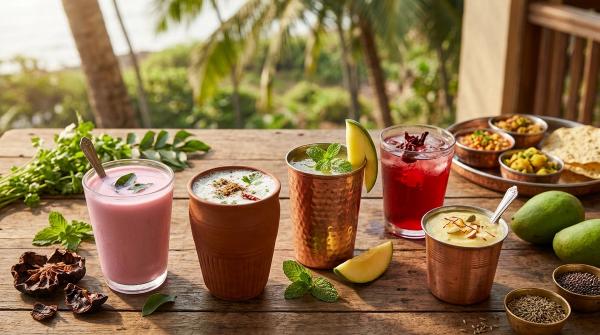
- Namkeen version: sattu + cold water + black salt or regular salt + roasted cumin + lemon + maybe green chilli or mint
- Meetha version: sattu + chilled water + jaggery or sugar + cardamom if you like it + sometimes a little milk, though I usually skip that
- Some homes add onion in the savory one. I love onion in sattu paratha stuffing, but in sharbat? Hmm. Depends on my mood, honestly
Sattu sharbat is one of those drinks that doesn’t try too hard. It just quietly works, and then you realise half your fancy summer beverages are all style, no stamina.
Why people are suddenly talking about sattu again in 2026
#Actually, “suddenly” isn’t even the right word. It never disappeared, but urban food culture has definately rediscovered it. This year especially I’ve noticed more regional Indian pantry ingredients showing up in wellness cafés, boutique grocery stores, millet-forward menus, and recipe reels that call everything “protein-packed” if it stands still long enough. There’s been a real push toward indigenous ingredients, climate-smart crops, lower processing, and drinks that do more than just taste sweet. Fermented kanji, gond katira coolers, kokum sodas, spiced chaas flights, and yes, sattu coolers are all having a moment.
A bunch of new café menus in metro cities have been leaning hard into local summer drinks instead of generic iced lattes all day. I’m not mad at that. In Delhi and Bengaluru especially, I’ve seen menus pitching nimbu-sattu coolers, smoked jeera chaas, aam panna spritzes, and bael tonics like they invented summer. They didn’t, but okay, at least people are drinking better. The bigger trend is kinda nice though: less imported “wellness powder” nonsense, more trust in ingredients our own food traditions have used forever.
Sattu sharbat benefits, minus the fake miracle claims
#Let’s keep this sensible because food internet loves exaggeration. Sattu sharbat is not magic. It won’t fix your entire life, clear your inbox, or make you into a morning person. But it does have some very real benefits, especially in hot weather and especially if you make it in a balanced way.
- It’s filling. Roasted gram flour has protein and fiber, so this drink can actually hold you for a while. I’ve had it at 11 am and not gone feral by 12:30.
- It can help with summer fatigue. The combo of fluids, salt in the savory version, and general nourishment just makes you feel steadier. Not medical advice, obviously, just lived experience plus basic nutrition common sense.
- It’s usually gentler on the wallet than packaged coolers, protein shakes, or cafe smoothies that somehow cost the same as a minor appliance.
- Good for a quick breakfast or evening pick-me-up when it’s too hot to cook. This is maybe its most underrated talent.
- If you use lemon, roasted cumin, and black salt, the savory version tastes super refreshing without being sugar-heavy.
- The sweet one can be better than many bottled drinks if you don’t overdo the sugar. Jaggery gives a deeper taste too, which I prefer.
Nutritionally, roasted chana sattu is generally valued for plant protein, fiber, iron, and some minerals, though exact numbers vary by brand and blend. It’s not a complete meal every single time, and if you have very specific medical needs you should ask an actual professional, not me typing with a glass beside my laptop. But as a practical summer drink? Solid. Really solid.
My favorite way to make it at home, after a lot of slightly bad experiments
#Okay so here’s the easy recipe I come back to over and over. Not chef-y, not fussy, and not one of those recipes where somebody says “just whisk” and then you’re staring at floating beige islands for ten minutes. The trick, I learned the annoying way, is to make a paste first. If you dump sattu straight into a full glass of water, lumps happen. Every. Single. Time.
Easy Namkeen Sattu Sharbat (serves 2)

Ingredients:
4 heaped tbsp sattu
2.5 to 3 cups chilled water
1 small lemon
1/2 tsp roasted cumin powder
1/2 tsp black salt
1/4 tsp regular salt, or to taste
A few mint leaves, crushed (optional)
2-3 tbsp very finely chopped onion (optional, not always)
1 small green chilli, very finely chopped (optional)
Ice if you want

Method:
1. In a bowl or large jug, add sattu with a few tbsp water first. Mix into a smooth paste.
2. Add black salt, regular salt, cumin, lemon juice.
3. Slowly pour in the rest of the chilled water while whisking.
4. Add mint, onion, or green chilli if using.
5. Taste. Adjust lemon and salt. This matters a lot.
6. Pour into glasses and drink immediately, before it settles too much.
If I’m making the sweet one, I usually do 4 tablespoons sattu, 2.5 cups cold water, 2 to 3 tablespoons powdered jaggery, and a tiny pinch of cardamom. Sometimes I blend it if the jaggery is stubborn. Sometimes I don’t. Sometimes I add a splash of cold milk and immediately regret it because I actually prefer the cleaner roasted taste without dairy. So, make of that what you will.
Tiny technique things that make a weirdly big difference
#This part matters more than people think. Sattu is simple, but simple things are easy to mess up. I’ve made watery ones, pasty ones, one tragic over-salted one that tasted like punishment. Here’s what I’ve figured out.
- Use fresh sattu. If it smells stale or flat, the drink will too. It should smell warm, nutty, toasty.
- Always start with a paste. I know I already said that, but I’m saying it again because lumps are rude.
- Roasted cumin should be fragrant, not dusty-old. If needed, dry roast cumin seeds and crush them yourself. Total game changer.
- Lemon goes in after the paste forms. Not before. I once did it the other way and the texture got oddly stubborn.
- Drink it fresh. It can settle if it sits around too long, though a quick stir fixes a lot.
Also, water temperature matters. Cool or chilled water tastes best to me. Not ice-cold to the point your tongue goes numb, because then you miss the roasted flavor. And weirdly, a steel glass just makes it better. Is that science? No. Is it true? Also yes.
The best sattu sharbat I’ve had outside home
#Nothing fully beats home, sorry not sorry. But I’ve had some great versions while traveling. In Patna, I had this roadside glass near Boring Road years ago that was almost perfect — sharp with lemon, enough black salt to wake you up, no silly garnish, just proper balance. That’s the one I still think about. In Delhi, a couple of modern Indian spots have tried polished-up versions with smoked spices or microgreens or clay-cup presentation. Fun once, but they sometimes forget the point. Sattu sharbat should feel generous and useful, not precious.
That said, I do love how regional Indian drinks are finally getting menu respect. Newer restaurant openings and summer pop-ups in major cities have been leaning more into heritage beverages, and honestly that’s one trend I’m cheering for. Not every traditional drink needs a “twist,” but wider visibility isn’t a bad thing. If some fancy place serves sattu and that nudges people to buy a bag for home, great. We’ll allow it.
Is sattu sharbat actually cooling?
#In the everyday Indian sense of the word, yeah, most people would call it cooling. Especially the savory version in hot weather. It hydrates, it isn’t greasy, and it doesn’t leave you feeling heavy in a bad way. Of course, “cooling” in traditional food talk and “body temperature regulation” in strict scientific language aren’t exactly the same thing, so let’s not get too dramatic. But in practical life? You come in from hot weather, drink this, sit under a fan for five minutes, and suddenly you’re a nicer person.
I also think part of its comfort comes from satiety. Sugary drinks can spike and then disappear on you. Sattu hangs around a bit. You don’t get that immediate what-next feeling. During brutal summer weeks, that matters more than wellness marketing people admit.
A few variations if you get bored easy, which... same
#- Mint-heavy version with extra lemon for really sweaty afternoons
- Jeera-forward version with a pinch of crushed black pepper — surprisingly good
- Sweet jaggery version with cardamom for breakfast when you don’t want to chew anything
- Kaccha mango version: a spoon of thick aam panna mixed into savory sattu is kinda brilliant, not traditional in my house but very tasty
- Cucumber version: blend a little cucumber water in. Light, fresh, a bit spa-ish but still desi
I tried a fizzy one once with sparkling water because 2026 has made everyone put bubbles in everything. It was... okay? Not terrible, not amazing. Maybe good for a brunch table if you want to impress exactly the kind of cousin who photographs drinks before saying hello.
Who might enjoy it most, according to my very unofficial kitchen logic
#If you hate heavy breakfasts, you’ll probably like it. If you’re trying to avoid super sugary cold drinks, again, good option. If you need something quick before heading out into oven-like weather, very good option. Kids can like the sweet version, though maybe strain it if they’re fussy about texture. Older people often already know and love it way more than we do, which is humbling honestly. And for anyone into high-protein convenience foods — maybe try this before ordering your next expensive tub of vanilla dust from the internet.
One thing though, not everybody loves the earthy taste instantly. Fair enough. First time drinkers sometimes expect something juice-like and get surprised. My advice is start with a lighter mix, more lemon, more cumin, less thickness. Let your taste catch up.
The ingredient shopping bit nobody talks about enough
#Please buy decent sattu. It makes all the difference. Look for roasted chana sattu from a brand or local mill you trust, and check that it smells fresh. In 2026 there are more options online than ever, including stone-ground versions, single-origin style branding — which makes me laugh a little — and unsweetened clean-label packs marketed to fitness people. Fine. Whatever gets it into kitchens. But if you have access to a reliable local grocer, I still think that’s the move.
And don’t confuse every gram flour with sattu. Besan is not the same thing. I mean, both come from gram in different forms and uses, but the roasted flavor profile and drinkability are different. This sounds obvious until you watch someone almost make sharbat with besan and create a tiny domestic crisis. Me. I’m someone.
My honest final take on sattu sharbat
#I love foods that are useful and delicious at the same time. Sattu sharbat is exactly that. No drama, no fancy equipment, no fake health halo needed. It’s an old, smart summer drink that still makes complete sense now — maybe even more now, when everyone’s tired of ultra-processed everything and wants affordable, regional, ingredient-led food again. It tastes like home, but also like common sense. And in hot weather, common sense is underrated.
So yeah, if you haven’t made it at home yet, do it this week. Start with the savory one. Make the paste first, trust me. Taste and adjust like a normal person, not a measuring robot. Then stand near a window or under a fan and drink it slowly. It just hits right. And if you’re into this kind of food-story-meets-real-kitchen rambling, I casually scroll AllBlogs.in now and then too — lots of fun reads there.