Vietnam mornings have a sound. It’s not one sound, actually, it’s like ten sounds fighting and somehow becoming music. Scooters coughing awake, metal spoons hitting bowls, aunties shouting orders, plastic stools scraping the pavement, bus guys yelling “Ninh Binh! Ninh Binh!” even when you are clearly holding a ticket to Ha Long Bay. And somewhere in all this, you — an Indian traveler with a half-packed backpack, maybe a sensitive stomach, maybe a vegetarian friend, maybe a 7:15 AM tour pickup — need breakfast. Fast. Hot. Safe-ish. Preferably not pork. And if possible, with chai feelings, though Vietnam will try very hard to convert you to coffee.
I’ve done Vietnam mornings both ways: beautifully planned and completely hopeless. I’ve eaten pho at 5:45 AM in Hanoi with my eyes half closed, packed banh mi into a sleeper bus like some kind of bread-based emergency kit, and once in Hoi An I confidently skipped breakfast before a My Son Sanctuary tour because “I’ll eat later” — terrible idea, honestly. By 10 AM I was staring at someone’s banana like it was gold. So this is my honest breakfast guide for Indian travelers in Vietnam, especially before those early tours, airport transfers, day cruises, cave trips, sleeper buses, and all the other things that start before your brain has properly loaded.
First Thing: Vietnam Eats Early, Which Is Actually Great for Tour Days
#If you’re used to Indian cities where breakfast can be a lazy 9:30 dosa or poha situation, Vietnam might surprise you. Local breakfast life starts early. Like, properly early. In Hanoi, I’ve seen pho shops buzzing before 6 AM. In Ho Chi Minh City, coffee carts and bánh mì vendors are already doing business while the streets are still bluish and sleepy. Da Nang has noodle spots open early for workers, students, drivers, and people who just know how to live better than the rest of us.
This is perfect if you have a tour pickup between 7 and 8 AM, which is basically every organized tour in Vietnam. Ha Long Bay day trips from Hanoi, Ninh Binh tours, Cu Chi Tunnels from HCMC, Ba Na Hills from Da Nang, Mekong Delta tours, Phong Nha cave days, Sapa transfers — the mornings are not gentle. Your hotel might offer breakfast, but it often starts at 6:30 or 7, and then you’re panic-eating toast while the driver is calling reception. Street breakfast, weirdly, can be calmer. You sit, point, eat, pay, leave. Done.
The big trend I noticed with Vietnam food travel going into 2026 is that breakfast has become part of the travel experience, not just fuel. More walking tours are doing sunrise food walks, cafes are selling local coffee tasting flights, hotels are adding grab-and-go breakfast boxes for early buses, and travelers are using Google Maps, Grab, WhatsApp, and QR menus to plan meals like mini-itineraries. It sounds over-organized, but when your bus leaves at 6:45 AM, organization becomes romance.
The Indian Traveler Breakfast Problem: Veg, No Beef, No Pork, Fish Sauce, and That One Hidden Egg
#Let’s talk about the thing we all talk about in WhatsApp groups before Vietnam: “Will we get veg food?” Short answer: yes. Long answer: yes, but breakfast needs a little attention. Vietnam is not difficult for Indian travelers, but it’s not like Thailand or Bali where Indian restaurants are around every tourist corner. The local cuisine uses pork, beef, chicken, seafood, egg, and fish sauce quite naturally. Even something that looks vegetarian may have broth made with bones or a splash of nước mắm, that salty fish sauce which is basically in Vietnam’s bloodstream.
If you eat chicken and egg, mornings are easy. If you avoid beef and pork but eat chicken, ask for “phở gà” instead of “phở bò.” If you’re vegetarian, look for “chay,” which means vegetarian in Vietnamese. Buddhist vegetarian places often use the word “quán chay.” But do remember, chay in Vietnam usually means no meat, and often no fish sauce, but egg and dairy rules can vary. Vegan travelers should say “không trứng” for no egg and “không sữa” for no milk. I used Google Translate a lot, and yes, it sometimes made me sound like a broken robot, but people understood.
- No pork: “không thịt heo”
- No beef: “không thịt bò”
- Vegetarian: “ăn chay” or “đồ chay”
- No egg: “không trứng”
- No fish sauce: “không nước mắm”
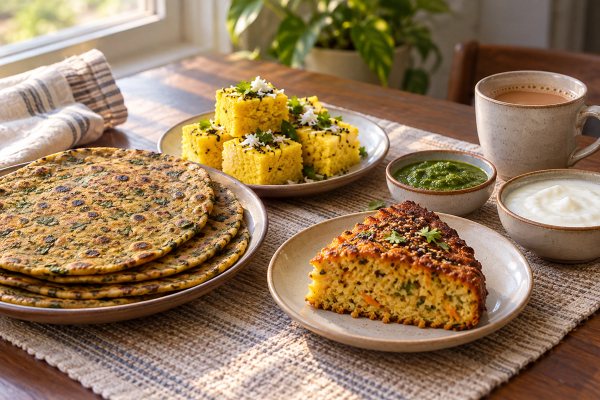
For Jain food, I’ll be honest — local street breakfast is hard unless you’re flexible. Indian restaurants in Hanoi, HCMC, Da Nang, and Hoi An are better for proper Jain requests, but they may not open super early. If you have a tour day, arrange it the previous night. I met one Gujarati family in Hanoi who carried thepla, khakhra, dry chutney, and instant upma packets, and I wanted to salute them. They were living in 3026 while I was bargaining with a banana vendor.
My Best Vietnam Breakfast Before a Bus: Pho Ga at Stupid-O’Clock in Hanoi
#My first proper “before the bus” breakfast in Vietnam was in Hanoi’s Old Quarter. I had a Ninh Binh day tour, pickup time 7:20 AM, and I woke up with that travel anxiety where you check your phone, ticket, passport, socks, everything. Outside, Hanoi was already moving. I followed the smell more than the map and found a tiny pho place with low stools and steam pouring out like some holy breakfast temple.
I ordered phở gà — chicken noodle soup — because I was not brave enough for beef at 6:15 in the morning. The bowl came with flat rice noodles, shredded chicken, spring onion, herbs, lime, and broth so clean and comforting that I got emotional in a very embarrassing way. Indian breakfasts are often spiced and bold, so Vietnamese pho can feel mild at first. But then you add lime, chili, herbs, maybe a little garlic vinegar, and it wakes up. Not like masala chai wakes you up. More like someone gently opening a window inside your head.
For Indian travelers, pho ga is one of the safest local breakfast choices if you eat chicken. It’s hot, freshly boiled, filling but not heavy, and good before long bus rides because it doesn’t sit like a brick. Just don’t overdo the chili oil before a three-hour road trip. I say this with personal regret.
Bánh Mì: The Emergency Breakfast Sandwich Every Indian Traveler Should Understand
#Bánh mì is Vietnam’s famous baguette sandwich, and it is everywhere. It’s also the most useful breakfast before tours because you can carry it. The bread is light and crackly, not like the heavy baguettes I’ve had in Europe. Fillings vary: pork pâté, grilled pork, chicken, egg, tofu, pickled carrot, cucumber, coriander, chili, mayo, soy sauce. It can be brilliant. It can also be completely wrong for you if you don’t ask.
In Hoi An, everyone talks about Bánh Mì Phượng and Madam Khánh, and yes, they’re famous for a reason. I tried both on different mornings, and my personal vote goes to Madam Khánh because the balance felt better to me, but this is the kind of thing people fight about online like cricket selection. In Ho Chi Minh City, Bánh Mì Huynh Hoa is legendary, but it’s very meat-heavy and not really an Indian vegetarian’s dream. Egg bánh mì is easier to find in many places and works as a quick breakfast. Tofu bánh mì exists, especially near tourist areas and vegetarian cafes, but don’t assume every cart has it.
My little hack: order one bánh mì trứng, egg sandwich, the night before if you know your morning will be madness? Actually, no, fresh is better. But if your sleeper bus is at 6 AM and nothing is open near your hotel, then yes, buy something the previous evening. Travel is full of these small food compromises. Fresh bread is best, but stale bread is better than being hungry in a bus while someone opens a packet of dried squid next to you.
Xôi: Sticky Rice That Feels Surprisingly Familiar
#Xôi is sticky rice, and Indian travelers should pay attention to it because it hits that “proper breakfast” feeling. It’s not exactly poha, not exactly upma, not exactly khichdi, but emotionally it lives in the same family. You’ll see xôi vendors in the morning selling sticky rice with mung beans, fried shallots, shredded chicken, pork floss, egg, sausage, peanuts, or sweet coconut toppings.
For vegetarians, plain sticky rice with mung bean and fried shallots can be good, but again, ask about meat toppings and sauces. Sweet xôi with coconut is lovely if you find it. In Hanoi, I grabbed a small packet of xôi before a Ha Long transfer and ate it in the van while the city slid past the window. Was it elegant? No. Did some rice fall on my black jeans? Obviously. But it kept me full until the boat lunch, and that matters more than dignity.
Xôi is also less soupy, so if you’re worried about needing a toilet on a bus — sorry but this is real travel talk — it’s a smart breakfast. Pair it with Vietnamese iced coffee only if your stomach and caffeine tolerance are on good terms. Mine are sometimes friends, sometimes enemies.
Vietnamese Coffee: Dangerous, Beautiful, and Not Chai
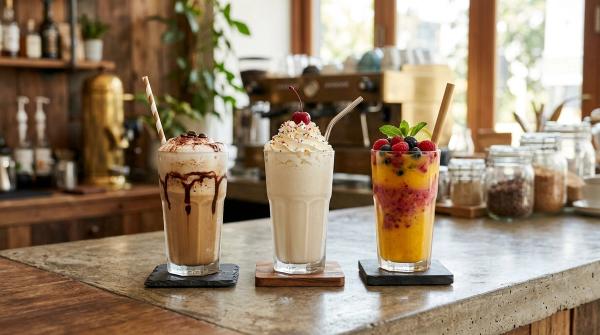
#Indian travelers often ask me, “Will I get chai?” In Indian restaurants, yes. In local Vietnamese breakfast life, not really. Vietnam is a coffee country, and the coffee is not playing around. Cà phê sữa đá, iced coffee with condensed milk, is sweet, strong, and addictive. Cà phê đen is black coffee. Egg coffee in Hanoi is touristy but genuinely delicious when done well, like dessert and caffeine had a baby.
The 2026-ish food travel scene in Vietnam is very coffee-forward. Specialty robusta is getting more respect, cafes are doing origin tastings from the Central Highlands, and younger travelers are building whole morning plans around coffee shops. In Da Nang and HCMC especially, I saw cafes with plant-based milk, QR ordering, cold brew bottles, coconut coffee, salted coffee, all of it. Salt coffee, by the way, became a big thing after people discovered it in Hue and then it spread everywhere. It sounds odd, but it works — creamy, salty, sweet, bitter. Like life, but in a cup.
Before a long bus, though, be careful. Vietnamese coffee can hit harder than expected. I once had a large iced coffee before a Da Nang to Hoi An transfer and spent the entire ride feeling like my soul was running ahead of the car. If you need caffeine but not chaos, ask for less coffee or share one.
City-by-City Breakfast Notes for Indian Travelers
#Hanoi is the best place for classic northern breakfast. Pho, bun, xoi, banh cuon, coffee, little stools, old trees, morning mist if you’re lucky. For chicken pho, you’ll find many local shops around the Old Quarter and Hoan Kiem. Famous beef pho places like Pho Gia Truyen Bat Dan and Pho Thin Lo Duc are iconic, but beef-focused, so not for everyone. Namaste Hanoi and Dalcheeni are well-known Indian restaurants, but check timings because Indian restaurants usually don’t solve the 6 AM breakfast problem. For early tours, local breakfast is king.
Ho Chi Minh City feels faster and more snacky in the morning. District 1 and District 3 have bánh mì carts, coffee shops, noodle stalls, and convenience stores. Baba’s Kitchen, Tandoor, and other Indian restaurants are useful for lunch/dinner cravings, but again, not always early. Before Cu Chi or Mekong tours, I’d do bánh mì trứng or a hot bowl of hủ tiếu if you eat non-veg. Hủ tiếu is a southern noodle soup, often pork or seafood based, so ask carefully.
Da Nang is underrated for breakfast. People rush through it for Ba Na Hills or Hoi An, but morning food near the beach and city center is lovely. Mì Quảng is the local star, turmeric noodles with herbs, peanuts, rice crackers, and usually chicken, pork, shrimp, or egg. It’s more intense than pho and feels closer to Indian breakfast energy because there’s texture and crunch. Vegetarian versions exist in chay restaurants. Before Ba Na Hills, eat properly because the day becomes long and touristy and suddenly you’re paying theme-park prices for food you don’t even want.
Hoi An is where breakfast becomes pretty. The yellow walls, bicycles, lanterns still sleeping from last night, and then you sit with cao lầu or bánh mì and think, okay, life is not so bad. Cao lầu is a noodle dish with pork traditionally, so vegetarians need a chay version. Hoi An has more tourist-friendly vegetarian cafes than many smaller towns, and Indian travelers generally manage well here. Before My Son Sanctuary tours, please eat. It gets hot, the site involves walking, and breakfast will save your mood.
Ninh Binh, Sapa, Phong Nha, and Ha Long are more tour-dependent. In smaller places, breakfast may be your homestay pancakes, eggs, fruit, instant noodles, or local soup. Tell the homestay your dietary needs the night before. Don’t wait till morning and then act surprised when the only option is noodle soup with beef broth. I have done this. I was the problem.
Vegetarian and Vegan Breakfast: Possible, But Plan Like an Indian Mom Packed Your Bag
#Vietnam has a strong Buddhist vegetarian tradition, especially on certain lunar calendar days, and “chay” restaurants are real lifesavers. The food can be beautiful: tofu, mushrooms, mock meats, rice, noodle soups, fresh herbs, stir-fried morning glory, vegan bánh mì, coconut desserts. The issue is timing. Many chay restaurants open for lunch and dinner, not necessarily at dawn. In tourist areas, vegan cafes may open around 7 or 8, which helps if your tour pickup is late. But if your bus is early, don’t gamble.
My vegetarian Indian friend handled Vietnam better than me because she was disciplined. She carried roasted makhana, peanuts, protein bars, khakhra, and those tiny ready-to-eat poha cups. She’d eat local fruit and coffee in the morning, then find chay lunch later. I teased her for packing like a train journey from 1998, but then I stole her masala peanuts on a bus to Sapa, so who is laughing now.
- Carry a small breakfast backup: thepla, khakhra, nuts, protein bars, instant upma, or even Parle-G if you are emotionally attached
- Use HappyCow and Google Maps, but check opening hours and recent reviews
- Search “chay near me” in Vietnamese areas, not just “vegetarian”
- Ask your hotel one night before for a packed breakfast if your tour starts early
- If you’re strict Jain, message Indian restaurants in advance and don’t assume street vendors can customize fully
Hotel Breakfast vs Street Breakfast: My Slightly Biased Opinion
#Hotel breakfast in Vietnam can be excellent, especially in mid-range and boutique hotels. You may get fruit, eggs, toast, noodles, rice, coffee, juice, sometimes even basic vegetarian options. Bigger hotels in tourist hubs may understand Indian dietary restrictions better now because Indian travel to Vietnam has grown so much. Direct flights, easier e-visas, wedding groups, family tours — Vietnam has become a proper Indian holiday favorite.
But street breakfast is where the memory lives. I know that sounds dramatic, but it’s true. A hotel omelette is fine. A plastic-stool breakfast while Hanoi wakes up around you? That sticks. The trick is choosing wisely. Go where there’s turnover. Hot food is better than lukewarm food. Watch how they wash bowls and handle ingredients. If a stall is packed with locals at 6:30 AM, that’s usually a good sign. Not a guarantee, but travel never gives guarantees.
If you have a sensitive stomach, start with cooked foods: pho, hot rice dishes, fresh-made omelette bánh mì, steamed buns, or hotel eggs. Avoid raw herbs if you’re nervous, though honestly herbs are half the joy of Vietnamese food. Bottled water, always. And don’t try five new chili sauces before boarding a sleeper bus. Again, me. I am the warning label.
What to Eat Before Specific Vietnam Tours and Transfers
#| Tour or bus day | Best breakfast idea | Indian traveler note |
|---|---|---|
| Ha Long Bay day trip from Hanoi | Pho ga, xoi, banana, coffee | Eat early because boat lunch may be late and seafood-heavy |
| Ninh Binh tour | Chicken pho or egg bánh mì | Good to stay light because there’s boating, cycling, and climbing sometimes |
| Cu Chi Tunnels from HCMC | Egg bánh mì or hotel breakfast | Avoid too much coffee if you get bus-motion weirdness |
| Mekong Delta tour | Rice, fruit, eggs, light noodles | Lunch may include fish, so vegetarians should inform tour operator before |
| Ba Na Hills from Da Nang | Mì Quảng or solid hotel breakfast | Food inside can be expensive and veg choices limited |
| Hoi An to My Son Sanctuary | Bánh mì, fruit, coconut coffee | It gets hot, so hydrate early |
| Phong Nha caves | Homestay breakfast, eggs, bananas, packed snacks | Cave days are physical, don’t go empty stomach |
| Sapa sleeper bus | Xoi, fruit, dry snacks | Mountain roads plus heavy oily food is not a cute combo |
Markets, Convenience Stores, and the New Travel Food Habits
#One of the newer food travel habits I actually like is mixing local food with practical food. In Vietnam, convenience stores like Circle K, WinMart, GS25 in big cities, and small local shops are very useful before early transfers. You can buy bananas, yogurt, bottled coffee, water, bread, snacks, nuts, and sometimes hot items. Is it romantic? Not really. But neither is fainting on a tour bus.
Markets are better if you have time. Hanoi’s morning markets, Hoi An’s Central Market area, and local wet markets in Da Nang or HCMC are full of breakfast energy. But they can be overwhelming if you’re vegetarian or new to Vietnam. I love wandering them after I’ve already eaten. Hungry market wandering makes me make poor decisions, like buying three unknown rice cakes and then realizing one has shrimp. Still tasted good, but you know.
In 2026 travel planning, I think the big shift is that people are no longer embarrassed to be specific about food. Indian travelers ask for no beef, no pork, Jain, vegan, gluten-free, low spice, high protein — all of it. Tour companies are slowly getting better at this, especially in Hanoi, HCMC, Da Nang, and Hoi An. But the smoothest trips still happen when you tell them early. Not during lunch when the plate is already in front of you.
A Few Breakfast Dishes I’d Tell Every Indian Traveler to Try
#Bánh cuốn is one of my favorites. It’s steamed rice rolls, soft and slippery, usually filled with minced pork and mushrooms, served with fried shallots and dipping sauce. Traditional version is not vegetarian, but if you find a chay version, try it. The texture reminds me a little of neer dosa’s delicate cousin, if that makes any sense.
Cháo is rice porridge. It can be chicken, fish, pork, or plain-ish, and it’s gentle on the stomach. If you’re recovering from too much street food adventure, cháo is your friend. Indian travelers who like kanji or soft khichdi may appreciate it, though the flavors are different.
Bún dishes are rice vermicelli bowls or soups, and they’re everywhere. Bún chả in Hanoi is famous but pork-based. Bún bò Huế is spicy beef noodle soup from Hue, delicious but not for beef-avoiders. Vegetarian bún at chay restaurants can be fantastic, full of herbs, tofu, mushrooms, and crunchy bits. Vietnamese food understands texture so well. Crunch, chew, broth, herbs, sour, sweet — it’s like a whole committee meeting in your mouth, but somehow productive.
Fresh fruit is underrated breakfast. Dragon fruit, mango, rambutan, longan, banana, pineapple, watermelon. Vietnam’s fruit is a blessing before travel days. Add yogurt if your hotel has it. If you’re nervous about street food on day one, fruit with peel plus hot coffee is a safe beginning. Not the most exciting, but safe beginnings are allowed.
My Personal Golden Rules for Vietnam Breakfast Before Tours
#- Eat earlier than you think you need to. If pickup is 7:30, don’t start looking for food at 7:05 like a hero.
- Learn the basic food words: chay, ga, bo, heo, trung. It saves so much confusion.
- Carry one Indian backup snack always. Always. Even if you think you’re too cool for it.
- Don’t make coffee your whole breakfast before a bus. Your stomach will write a complaint letter.
- For strict veg or Jain food, message restaurants or hotels the previous night, not in the morning panic.
- Hot, busy, simple food beats fancy but empty places when you’re eating early.
The best Vietnam breakfasts are not always the famous ones. Sometimes it’s just a hot bowl, a tiny stool, your backpack touching your knee, and the feeling that the day has already given you something good.
Final Thoughts: Vietnam Breakfast Is a Travel Skill, Not Just a Meal
#Vietnam taught me that breakfast can decide the mood of your whole travel day. A good breakfast before a bus makes you generous, curious, patient. A bad or missing breakfast turns every delay into personal betrayal. For Indian travelers, the country is delicious but you need a little food awareness: broth may not be veg, pork is common, beef pho is famous, fish sauce hides everywhere, and early morning Indian food is not always available. But once you understand the rhythm, Vietnam mornings become addictive.
My perfect Vietnam tour morning now? Wake up early, pack before eating, step outside while the city is still soft, find pho ga or xoi or egg bánh mì, drink half a Vietnamese coffee because I’m not trying to meet god before 8 AM, buy a banana for later, and then get into the bus feeling like I’ve already travelled somewhere before the tour even started. That’s the magic of it. Breakfast isn’t just food here. It’s the first destination of the day.
And if you’re planning Vietnam soon, especially with family, vegetarian friends, or one of those tours that starts at an illegal hour, don’t leave breakfast to chance. Plan a little, stay flexible, and say yes to the tiny plastic stool at least once. For more messy, hungry, practical travel stories, I keep finding myself browsing AllBlogs.in — nice place to get lost when you’re supposed to be doing actual trip planning.