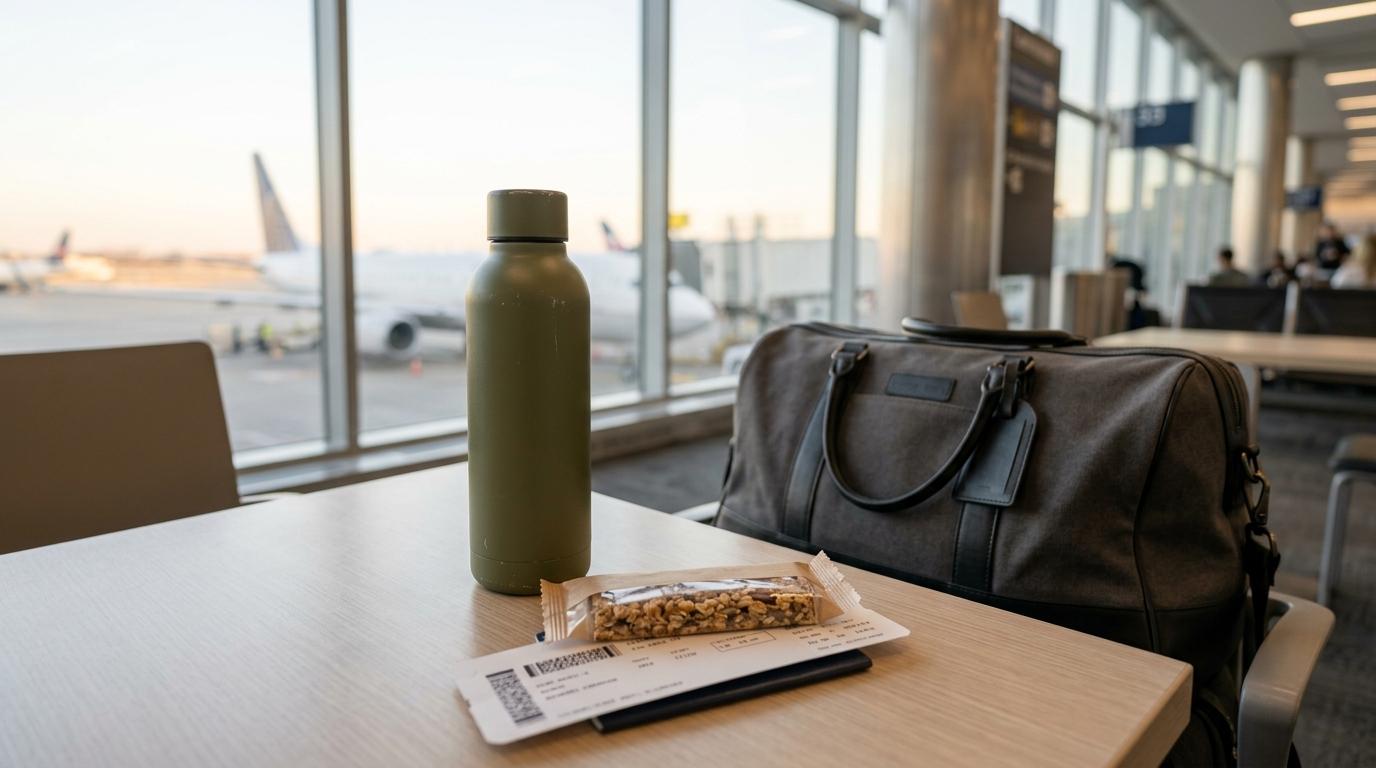
There’s a very specific kind of hunger that hits in an airport before sunrise.
You’re tired. The coffee line is too long. The breakfast sandwich costs more than it should. Nothing sounds good, but you also know boarding with an empty stomach is a terrible idea.
Then you spot the granola bars.
They’re small, sealed, easy to carry, and usually cheaper than buying a full airport meal. It feels like the obvious move. But are granola bars actually a good pre-flight snack?
Most of the time, yes. Granola bars before a flight can be a genuinely useful backup, especially for early departures, tight connections, delays, family travel, or those “I might need this later” moments.
The trick is choosing the right one. Some bars are perfect for flying. Others are basically crumbly candy bars with a health halo.
Quick Answer: Should You Buy, Pack, or Skip?
#Granola bars are allowed on planes as solid food, and they’re one of the easiest TSA-friendly breakfast snacks to bring through security. TSA allows solid food in both carry-on and checked bags. Liquids, gels, spreads, and pastes are the foods that may fall under the 3-1-1 liquids rule.
Here’s the simple version:
- Pack granola bars if you want a reliable, low-mess snack for early flights, kids, tight connections, or budget travel.
- Buy granola bars at the airport if you forgot to bring snacks, your flight is delayed, or you need something quick before boarding.
- Skip granola bars if the only choices are super sugary, crumbly, chocolate-coated, nut-heavy, or likely to upset your stomach in the cabin.
A good flight bar should be solid, easy to open, not too sweet, and not the kind of thing that leaves half of itself in your lap.
Buy, Pack, or Skip: Quick Decision Table
#Can You Bring Granola Bars Through TSA?
#Yes, you can bring granola bars through TSA.
Standard granola bars, protein bars, oat bars, and similar packaged breakfast bars count as solid foods, so they’re generally allowed in carry-on bags and checked bags.
The TSA’s official food guidance says solid food items can be transported in either carry-on or checked bags. Liquids, gels, pastes, spreads, and similar foods may need to follow the 3-1-1 liquids rule.
For smoother screening:
- Keep bars in their original wrappers when possible.
- Pack them near the top of your bag if you’re carrying several snacks.
- Avoid loose, sticky, or leaking foods.
- Choose solid bars instead of anything with a very soft, spread-like filling.
Most commercially wrapped granola bars are no problem. The only time one might raise questions is if it looks more like a gel, paste, or soft filling than a solid snack. And as always, the final decision is up to the security officer at the checkpoint.
What Makes a Good Granola Bar Before a Flight?
#A bar that’s great at home isn’t always great on a plane.
At home, crumbs are annoying. On a plane, they’re a whole situation. You have a tiny tray table, limited napkins, a seatmate six inches away, and maybe a hot coffee balanced somewhere it absolutely should not.
Before you pack or buy a granola bar for a flight, here’s what to look for.
1. Enough Protein to Help, Not So Much It Feels Like a Brick
#Protein bars can be useful before a flight because they usually keep you full longer than a basic sweet oat bar.
But some protein bars are dense. Really dense. The kind you chew for a long time and immediately regret eating too fast.
If you’re using a bar as a light breakfast or layover snack, look for something with a moderate amount of protein. You want it to tide you over, not sit in your stomach like luggage you can’t check.
2. Some Fiber Is Good, Too Much Can Be Risky
#Fiber can make a granola bar more satisfying. Oats, seeds, whole grains, and nuts can all help a bar feel more filling.
But very high-fiber bars can be tricky before flying. Some bars use added fibers or sugar alcohols that can cause gas, bloating, or stomach discomfort for some people.
And honestly, being bloated in a window seat with two strangers between you and the aisle is not the travel experience anyone is looking for.
If your stomach is sensitive, stick with a bar you already know works for you. Flight day is not the time to test a new “extra fiber” bar just because the packaging looks virtuous.
3. Watch the Sugar
#A lot of granola bars look wholesome but eat more like dessert.
That doesn’t mean sugar is automatically bad. Sometimes you just need quick energy. But if you’re counting on a bar to act like breakfast, a super sweet one may not keep you full for long.
A good pre-flight bar usually has:
- Some protein
- Some fiber
- Moderate sugar
- Ingredients you recognize and tolerate well
If the first few ingredients are sugar, syrup, chocolate, or candy-style coatings, it may taste great with coffee but leave you hungry again before the drink cart comes around.
4. Check Nuts and Allergens
#Nuts can make a bar more filling, but they’re also one of the big allergens to watch for.
If you or your child has allergies, read the label carefully. Don’t forget the “may contain” or “processed in a facility with” statements, especially if you’re buying a bar you haven’t tried before.
It’s also worth thinking about the shared cabin. If the crew announces a nut allergy onboard, be prepared to keep nut-based snacks in your bag. For family trips or group travel, nut-free or seed-based bars can be the easier choice.
5. Avoid Bars That Crumble Everywhere
#This matters more than people think.
A granola bar that breaks into pieces the second you open it is annoying in an airport. On a plane, it’s worse. Now you’re brushing oats off your sweater, your tray table, your seatbelt, and possibly the person next to you.
Look for bars that are:
- Chewy
- Compact
- Easy to open
- Not covered in loose toppings
- Not dry, brittle, or flaky
A low-crumb bar is a better airplane snack. Not glamorous, just practical.
6. Be Careful With Chocolate Coatings and Drizzles
#Chocolate-coated granola bars are delicious in normal life.
Airports are not normal life.
Your bag might sit in a warm car, a sunny terminal window, a crowded boarding area, or an overhead bin. Cabins can also get warm during boarding. Chocolate coatings, yogurt-style drizzles, and soft candy layers can melt fast.
If you want chocolate, choose a bar with small chips baked into it instead of a full coating. If you’re traveling with kids, skip the melty bars unless you also enjoy cleaning fingers, shirts, wrappers, and seat belts.
When Packing Granola Bars Makes the Most Sense
#Packing your own granola bars is usually the best move if you’re planning ahead.
You get to choose the brand, check the ingredients, avoid allergens, and bring something you already know you like. You also avoid paying airport prices for a bar you could have tossed in your bag at home.
Early Flights
#For early departures, packed granola bars are one of the easiest travel breakfast snacks.
You may not want a full meal at 4:30 a.m. Airport cafes may not be open. And even if they are, you might not have time to stand in line.
A granola bar can hold you over until coffee, oatmeal, eggs, or a proper breakfast becomes realistic.
Family Trips
#When you’re traveling with kids, snacks are not optional. They are part of the survival plan.
Security lines, boarding delays, long taxi times, and missed meal windows can all happen fast. Packing familiar bars helps because:
- You know your child will probably eat them.
- You can avoid known allergens.
- You can choose soft, low-mess textures.
- You’re not relying on airport shops to have the right option.
For younger kids, choose bars that are easy to chew and not coated in chocolate, sticky drizzle, or anything that turns into paste on small hands.
Budget Travel
#Airport food adds up quickly, especially if you’re buying snacks for more than one person.
Packing a few granola bars gives you backup food without committing to a full airport meal every time someone gets hungry. It also helps prevent the classic airport purchase: something overpriced that you didn’t even really want.
A bar shouldn’t replace every meal, but it can save you from buying food out of desperation.
Tight Connections and Long Lines
#A granola bar in your personal item is extremely useful when your schedule goes sideways.
If your first flight lands late and you have to speed-walk across the terminal, breakfast is probably not happening. If the security line is longer than expected, same problem.
A packed bar is not exciting, but it is reliable. Sometimes that’s exactly what you need.
When Buying Airport Granola Bars Is Fine
#Buying a granola bar at the airport is completely fine. Sometimes it’s the most practical option.
Buy one if:
- You forgot to pack snacks.
- Your flight is delayed.
- You’re hungry but don’t want a full meal.
- You need something sealed and portable before boarding.
- You want backup food for a late arrival.
Just take a few seconds to read the label.
Airport snack bars vary a lot. Some are simple oat bars. Some are basically candy bars pretending to be healthy. Some are dense protein bars that sound like a good idea until you’re halfway through chewing one in seat 22B.
If you’re choosing between a bar and a more balanced airport meal during a long layover, think about how hungry you actually are. A granola bar works well for a small gap. If you need something that will keep you full for hours, consider a more complete option like an airport protein box or instant oatmeal.
When You Should Skip Granola Bars Before a Flight
#Granola bars are convenient, but they are not always the answer.
Skip If You Need a Real Meal
#If you’re about to board a long flight and haven’t eaten properly, one small granola bar probably won’t be enough.
It might take the edge off your hunger, but it’s not going to carry you through hours of travel. In that case, use the bar as backup, not breakfast.
Skip If the Only Bar Is Basically Candy
#A very sweet bar can taste great, especially with coffee. But it may not keep you satisfied.
If the first ingredients are sugar, syrup, chocolate, or candy-style coatings, treat it like dessert. That may be fine if that’s what you want, but it’s not the best choice if you need steady energy before a flight.
Skip If It’s Too Crumbly
#If the bar is already breaking apart inside the wrapper, don’t eat it on the plane.
You’ll end up with crumbs on your clothes, in your seat, and probably somewhere mysterious you won’t discover until you stand up to deplane. Not worth it.
Skip Chocolate-Coated Bars in Warm Conditions
#If your travel day includes hot weather, long boarding, or a warm cabin, chocolate and yogurt coatings are risky.
Melted wrappers and sticky hands are a small problem, but they’re a very annoying small problem.
Skip If Your Stomach Is Sensitive
#Some people feel bloated, nauseated, or uncomfortable when they fly. If that sounds familiar, be careful with:
- Very high-fiber bars
- Sugar alcohols
- Heavy nut bars
- Dense protein bars
- Very sweet bars
- Bars you’ve never tried before
Choose something familiar and gentle, or skip the bar and look for a simpler breakfast option.
Best Granola Bar Style for Different Travel Scenarios
#For an Early Flight
#Choose a chewy oat-based bar with moderate sugar and a little protein or fiber.
You want something that helps you get through the first part of the morning without feeling overly full. Pair it with water or coffee after security if that works for you.
Avoid bars that are huge, dry, sticky, or extremely sweet.
For a Long Layover
#Pack a bar as backup, but don’t expect it to replace a real meal if you have hours to wait.
A granola bar is best as a bridge between meals. If you’re actually hungry, you’ll probably feel better with something more balanced.
For Kids
#Choose bars that are soft, familiar, and low-crumb.
Avoid chocolate coatings, sticky fillings, hard textures, and loose toppings that scatter everywhere. Also check the label carefully for nuts and other allergens, especially if snacks might be shared.
For Sensitive Stomachs
#Go with what you know.
Pick a bar you’ve eaten before without problems. Avoid experimenting with a new protein bar, high-fiber bar, or “healthy” bar full of unfamiliar sweeteners right before flying.
This is not the moment to challenge your digestive system.
For Cabin Comfort
#Think beyond nutrition.
Ask yourself:
- Can I open it easily?
- Will it smell strong?
- Will it melt?
- Will it crumble?
- Can I eat it without needing three napkins?
A good airplane snack is not just healthy. It’s easy to deal with in a tight space.
A Simple Pre-Flight Granola Bar Checklist
#Before you pack or buy a granola bar, ask:
- Is it a solid bar that fits TSA-friendly snack guidance?
- Does it have enough protein or fiber to be useful?
- Is the sugar level reasonable for breakfast?
- Does it contain nuts or allergens I need to avoid?
- Will it crumble when I bite it?
- Is it coated in chocolate or drizzle that could melt?
- Have I eaten this type before without stomach trouble?
- Is this actually enough food, or do I need a real meal?
If it checks the important boxes, pack it. If it looks messy, too sweet, too melty, or risky for your stomach, skip it.
Final Takeaway
#Granola bars before a flight are a smart backup, not a magic meal.
They’re TSA-friendly, easy to pack, and helpful when airport timing gets messy. The best move is usually to pack your own so you can choose something solid, chewy, low-mess, and easy on your stomach.
Buy one at the airport when plans change, hunger sneaks up on you, or you need something quick before boarding.
Skip it when the only option is crumbly, sticky, chocolate-coated, allergen-heavy, overly sugary, or likely to make you uncomfortable in the air.
The right granola bar can make travel easier. The wrong one can make your flight sticky, messy, or uncomfortable — and nobody needs that at 30,000 feet.